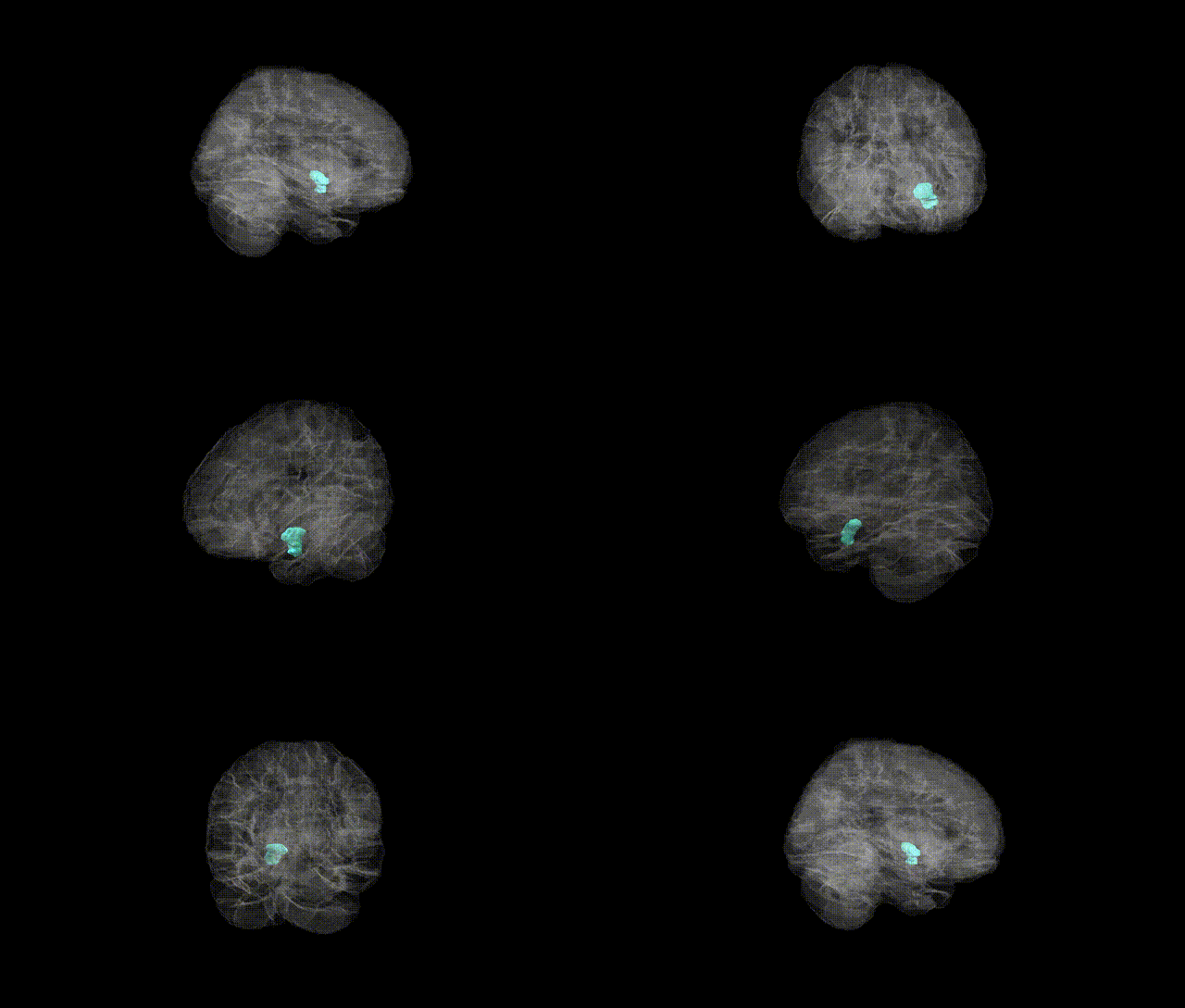
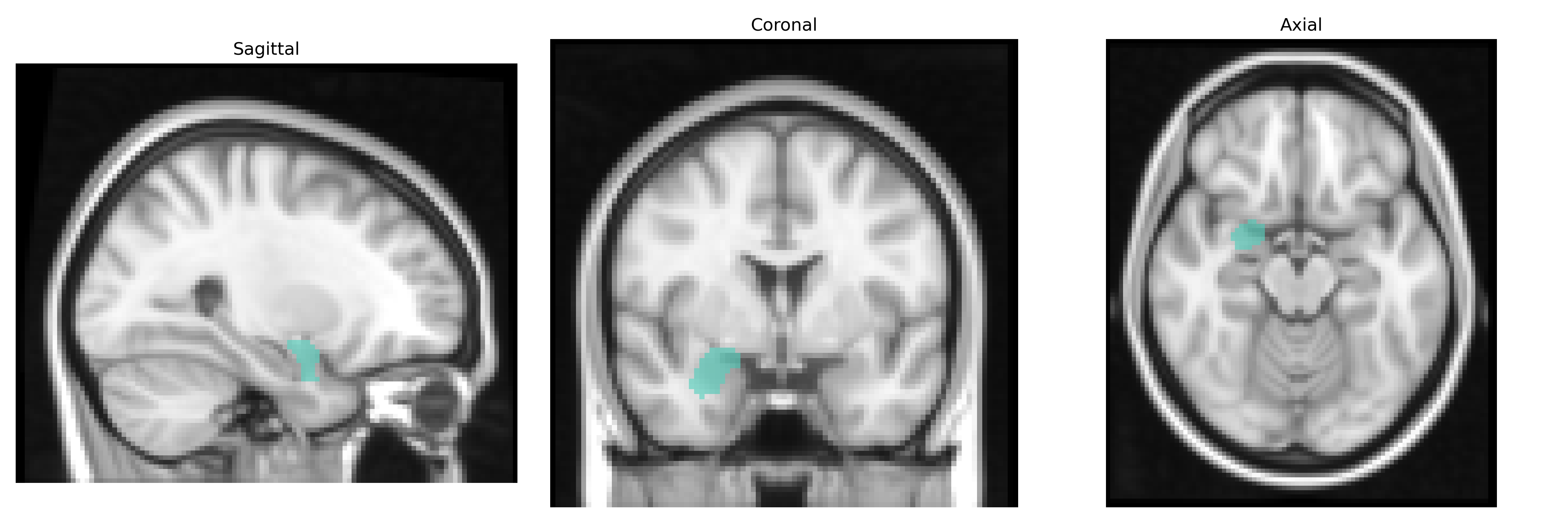
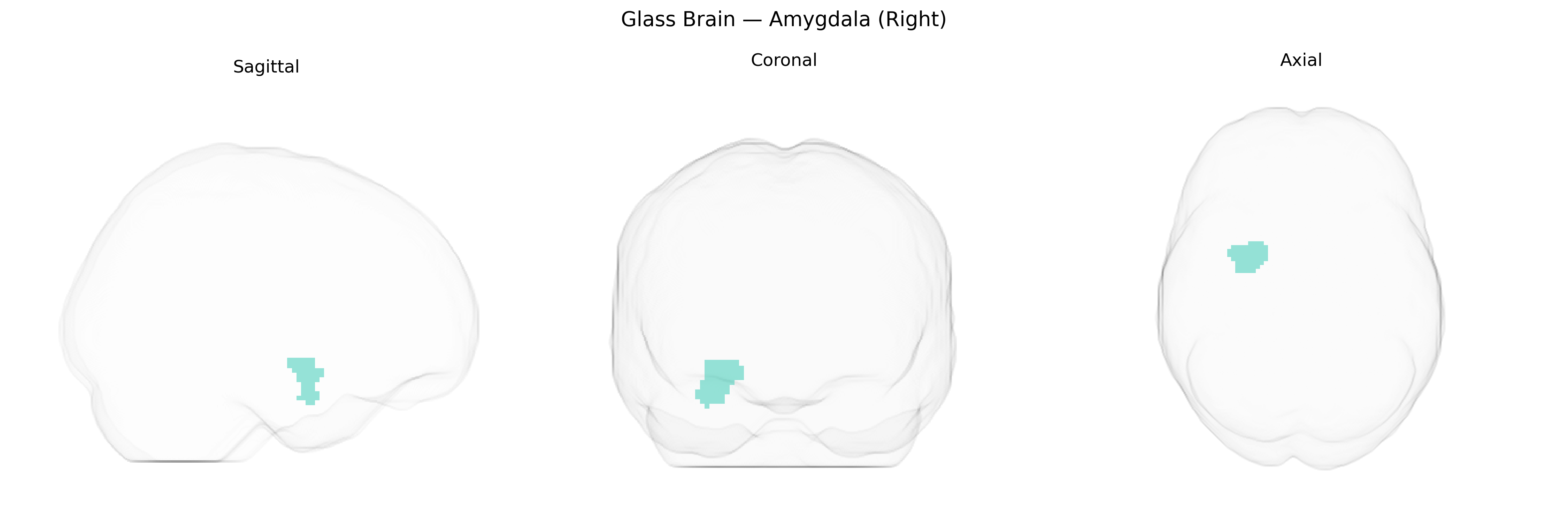
The right amygdala is a temporomedial subcortical structure within the limbic system, located anterior to the hippocampus in the medial temporal lobe and composed of several nuclei, including basolateral, centromedial, and cortical complexes. It receives multimodal sensory input from cortical and subcortical regions and projects to the hypothalamus, brainstem, and prefrontal cortex, enabling rapid evaluation of emotional salience, especially in threat detection, fear conditioning, and autonomic responses. Functionally, the right amygdala is often associated with processing immediate, stimulus-driven emotional reactions, recognition of facial affect, and modulation of memory consolidation under emotional arousal. It plays key roles in anxiety, stress responses, and various neuropsychiatric conditions involving altered emotional regulation and social cognition. Amygdala
The right amygdala, as defined in the AAL2 atlas, shows robust heritability and has been implicated in multiple GWAS of brain structure and neuropsychiatric traits. Genome-wide studies of subcortical volumes (e.g., ENIGMA) have identified common variants near genes such as SLC39A8, MEF2C, and FAT3 associated with amygdala volume, with some loci showing lateralized or region-specific effects. Polygenic risk for major depressive disorder, anxiety, and schizophrenia has been linked to altered right amygdala volume and reactivity, and several risk variants (including in CACNA1C, BDNF, and NRXN1) have been associated with functional differences in right amygdala activation during emotion processing. GWAS of post-traumatic stress disorder and fear-related traits implicate variants in FKBP5, CRHR1, and genes in the HPA-axis and glutamatergic pathways that modulate right amygdala responsiveness to threat. Structural and functional imaging genetics also connect APOE variants with right amygdala changes in Alzheimer’s disease, while autism spectrum disorder risk genes (e.g., CNTNAP2, SHANK3) are linked to atypical right amygdala development and connectivity. Overall, convergent genetic evidence supports the right amygdala as a key intermediate phenotype for emotional regulation, stress responsivity, and risk for mood, anxiety, psychotic, and developmental disorders.
Overview generated by GPT-4o (2026).
Region ID: 4202
Hemisphere: right
Atlas: AAL2
Full Quality Version: Download MP4
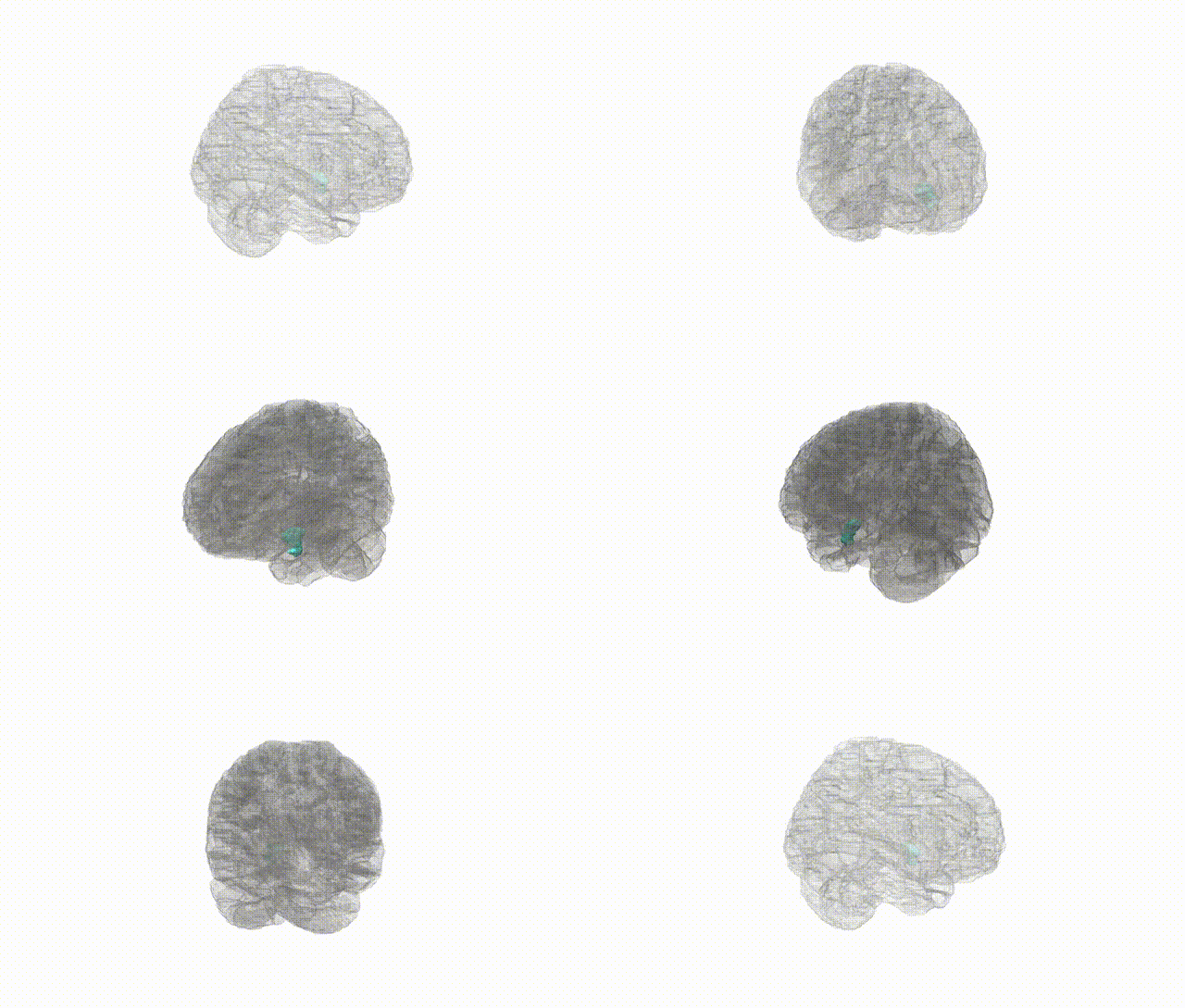
Full Quality Version: Download MP4
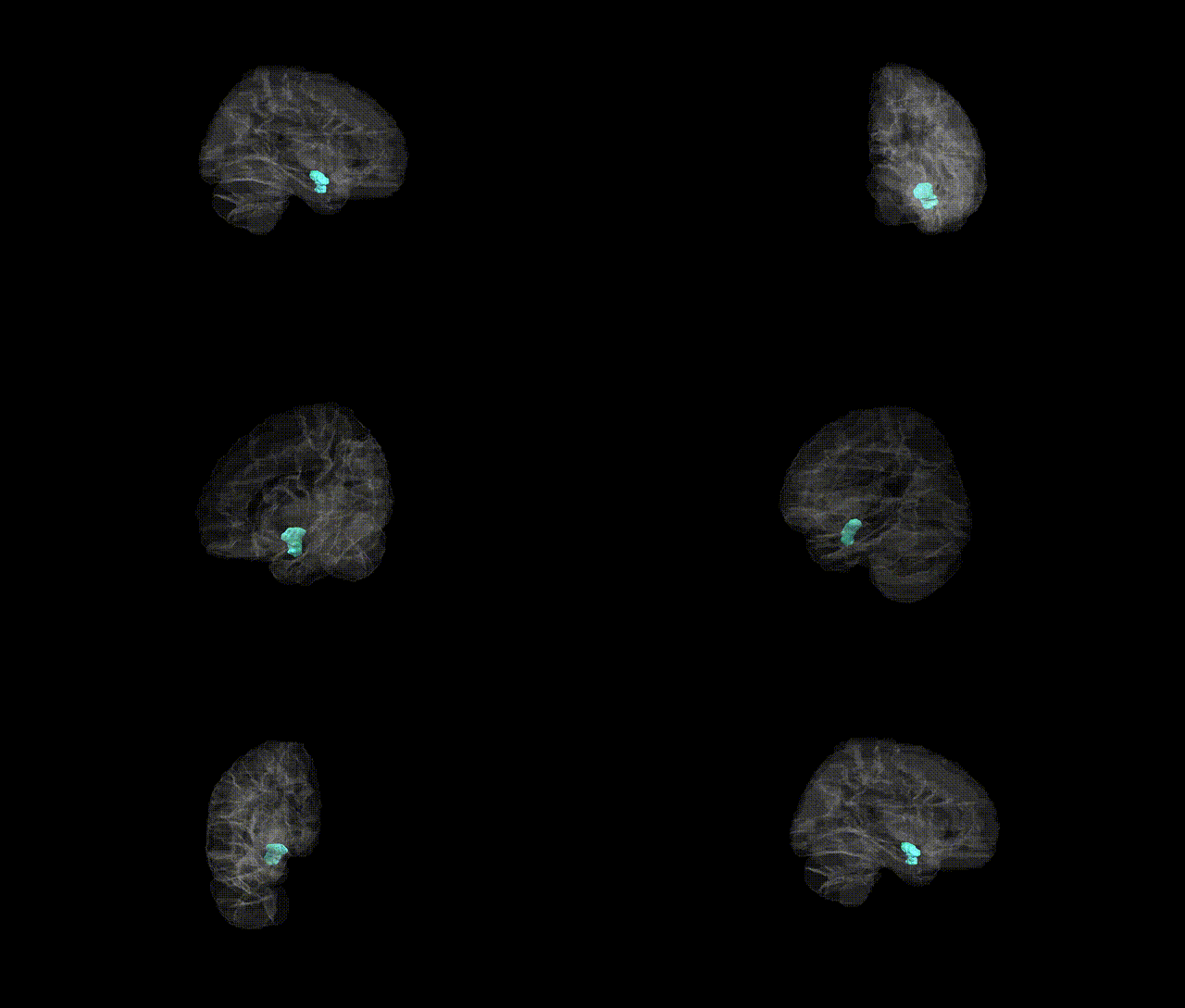
Full Quality Version: Download MP4
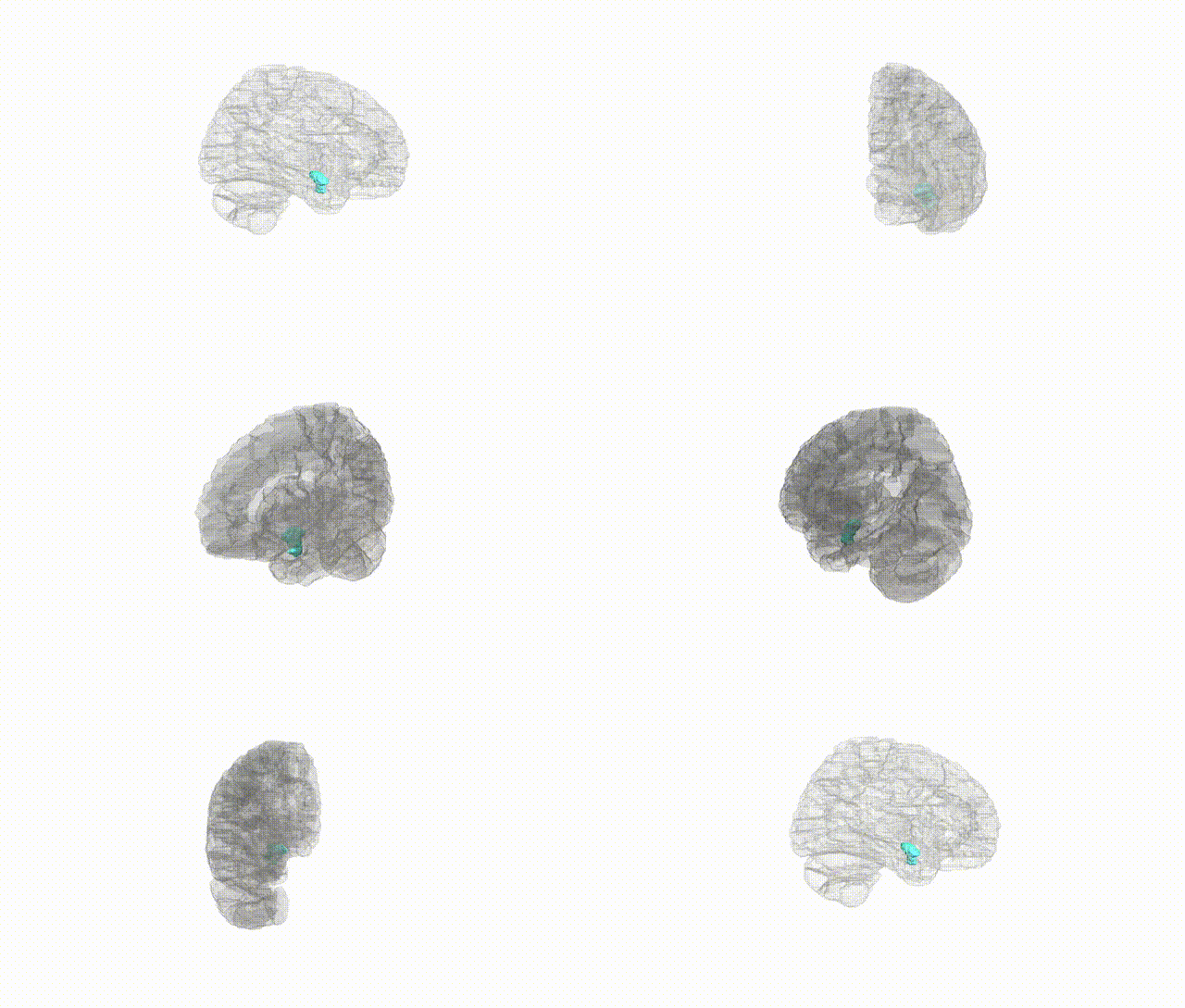
Full Quality Version: Download MP4
Wali Sidiqyar*, Gaurav Rudravaram*, Elyssa M. McMaster, Trent M. Schwartz, Adam M. Saunders, Kurt G. Schilling, Bennett A. Landman "Introducing SPINS: A Shared Public Visualization Library of Neuroanatomical Structures." Medical Imaging with Deep Learning- short paper
This resource is licensed under CC0 1.0 Universal (Public Domain).