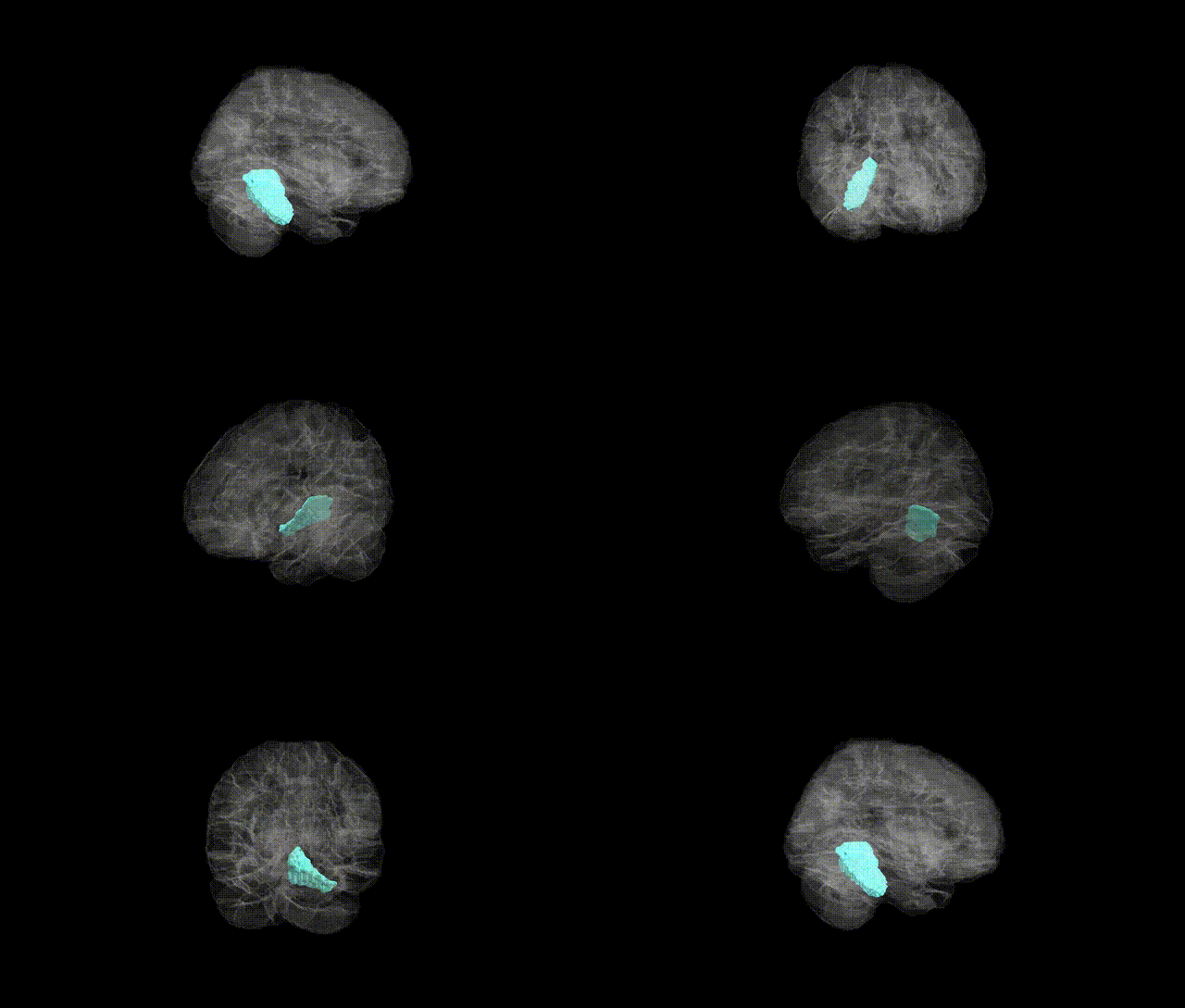
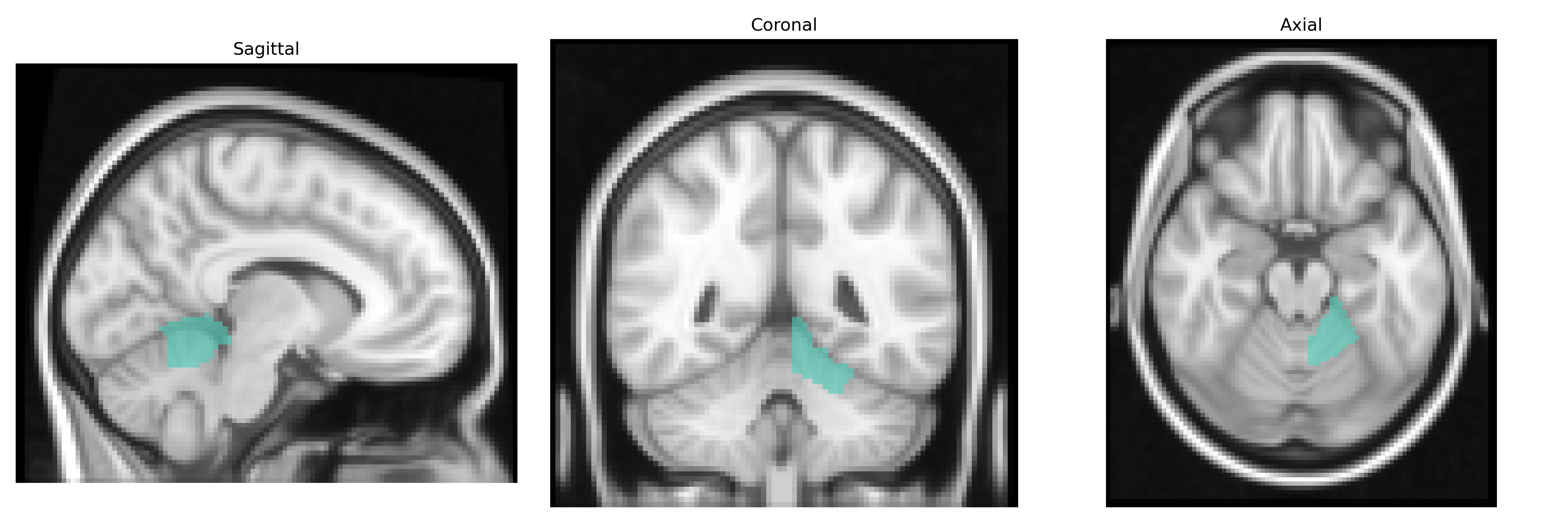
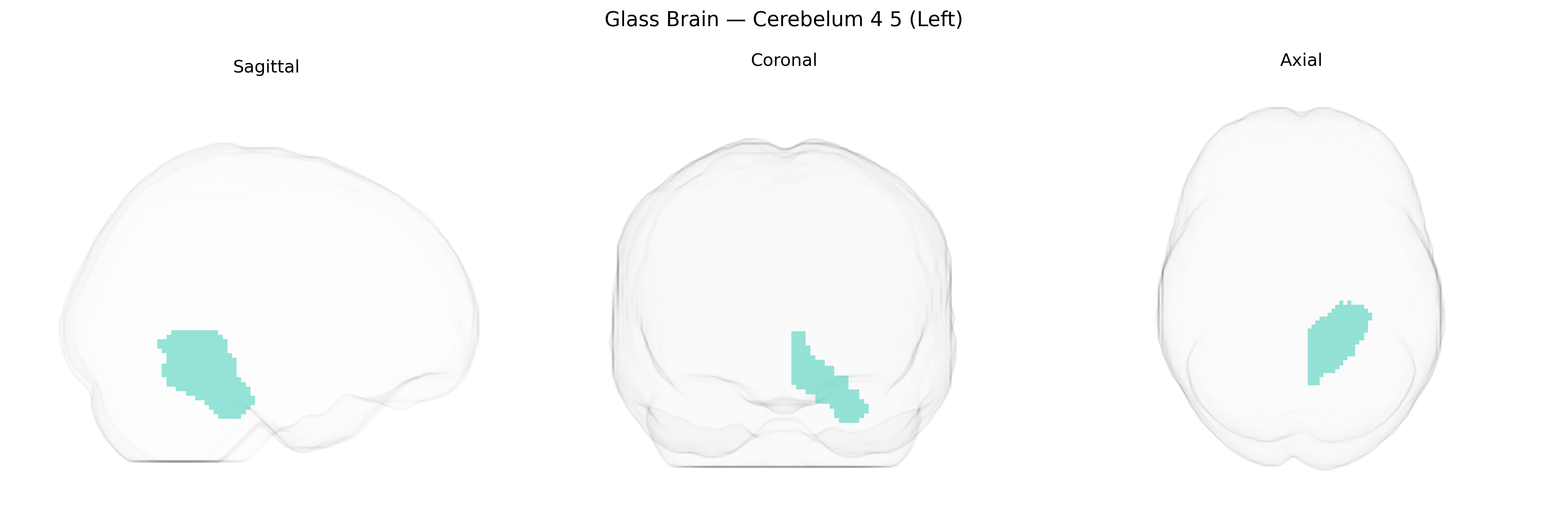
The left Cerebelum 4–5 region, as defined in the AAL2 atlas, corresponds to lobules IV and V of the anterior lobe of the cerebellar hemisphere on the left side. These lobules receive dense input from spinal and brainstem pathways conveying proprioceptive and somatosensory information, and they project via the deep cerebellar nuclei (primarily the interposed nuclei) to motor-related thalamic and cortical areas. Functionally, Cerebelum 4–5 is crucial for the fine-tuning of ongoing movements, coordination of limb trajectories, and regulation of muscle tone, integrating sensory feedback to optimize motor output. In humans, this region also participates in motor learning and timing of movement, and it may contribute indirectly to cognitive processes through cerebello-thalamo-cortical circuits. There is no direct Wikipedia article for “Cerebelum 4–5,” but it is part of the broader cerebellar structure: Cerebellum.
The left cerebellar lobule IV–V (Left Cerebelum 4 5 in the AAL2 atlas) has been implicated in several imaging-genetics and GWAS findings through its role in sensorimotor control and cognitive processing, though specific locus‑to‑region associations remain sparse. Large-scale brain morphology GWAS (e.g., ENIGMA, UK Biobank) have identified common variants in genes related to neurodevelopment, synaptic function, and cytoskeletal organization (such as MAPT, KIAA0586, and other neurodevelopmental loci) that broadly influence cerebellar volume and lobular structure, including anterior lobules like IV–V. Polygenic risk scores for schizophrenia, autism spectrum disorder, and major depressive disorder show associations with altered cerebellar volumes and connectivity, and fMRI-based imaging genetics has linked risk variants for psychiatric and neurodevelopmental disorders (e.g., in CACNA1C, DRD2) to abnormal cerebellar activation patterns in motor and cognitive tasks, which often recruit lobule IV–V. In addition, GWAS of general cognitive ability, motor coordination, and educational attainment report distributed genetic effects that partly converge on cerebellar networks, although they typically do not resolve findings to individual AAL2 parcels. Overall, genetic influences on the left cerebellar IV–V region are supported mainly at the level of global cerebellar structure and function, with indirect evidence from disorder- and cognition-related loci rather than well-established, region-specific variants.
Overview generated by GPT-4o (2026).
Region ID: 9031
Hemisphere: left
Atlas: AAL2
Full Quality Version: Download MP4
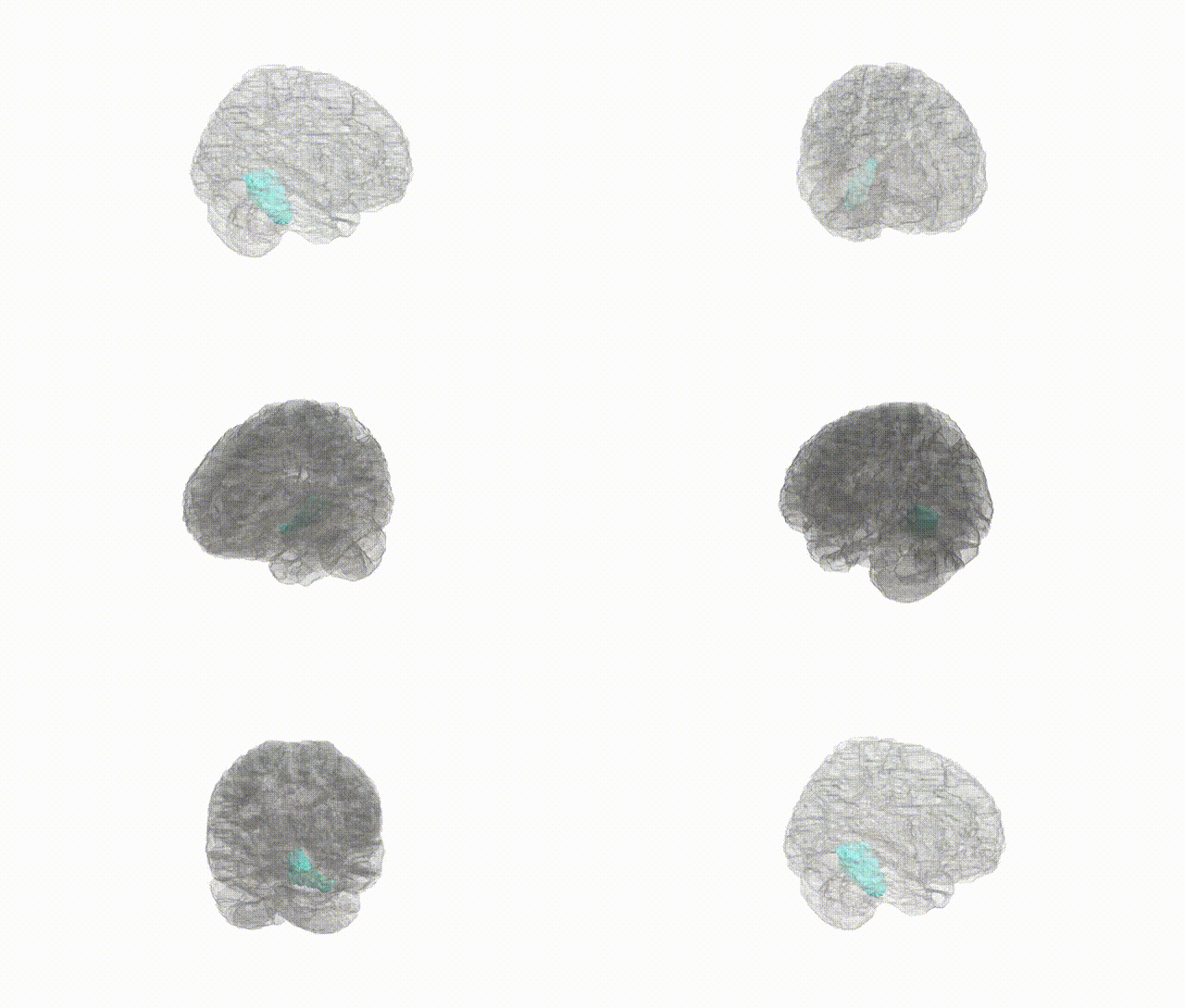
Full Quality Version: Download MP4
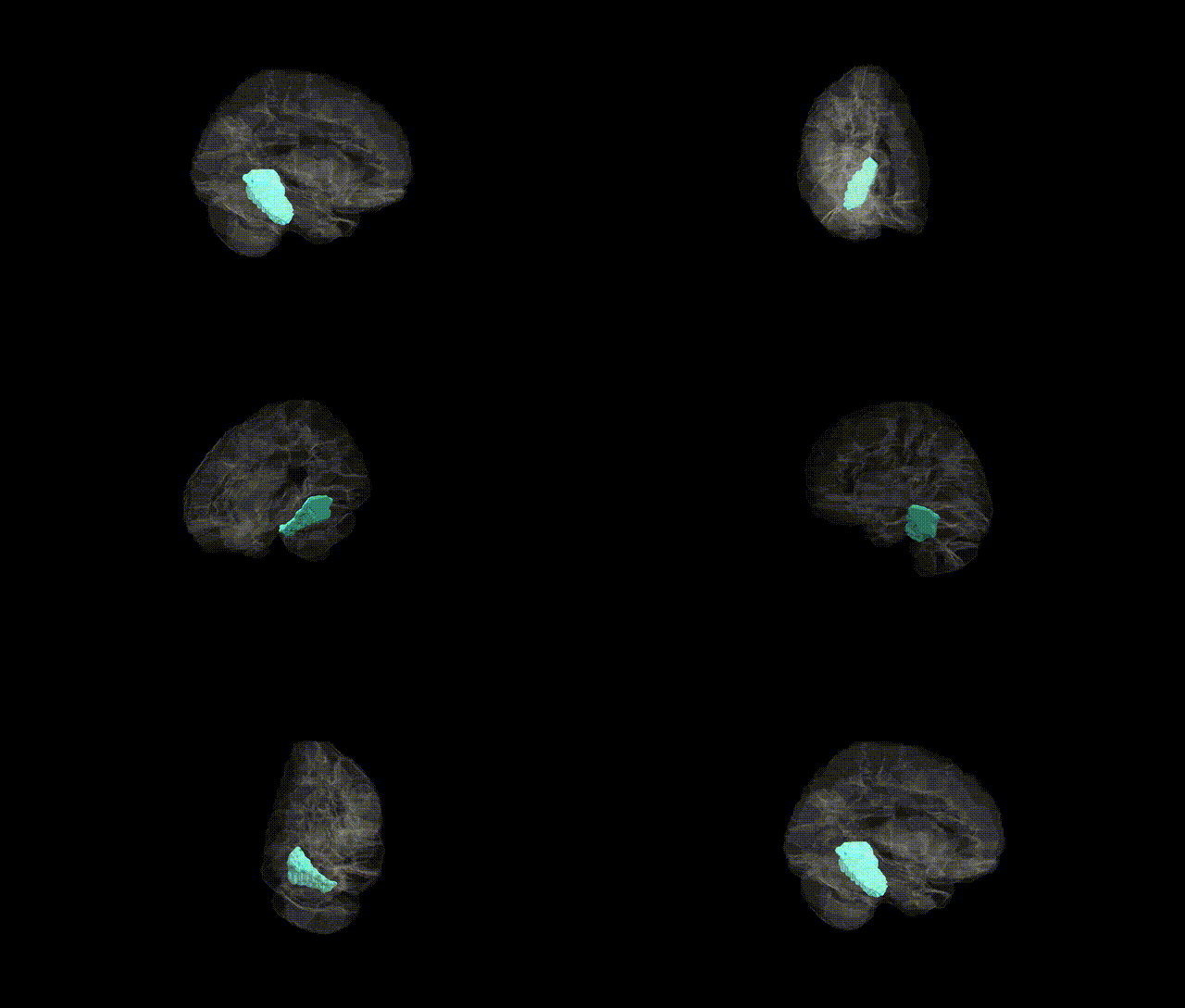
Full Quality Version: Download MP4
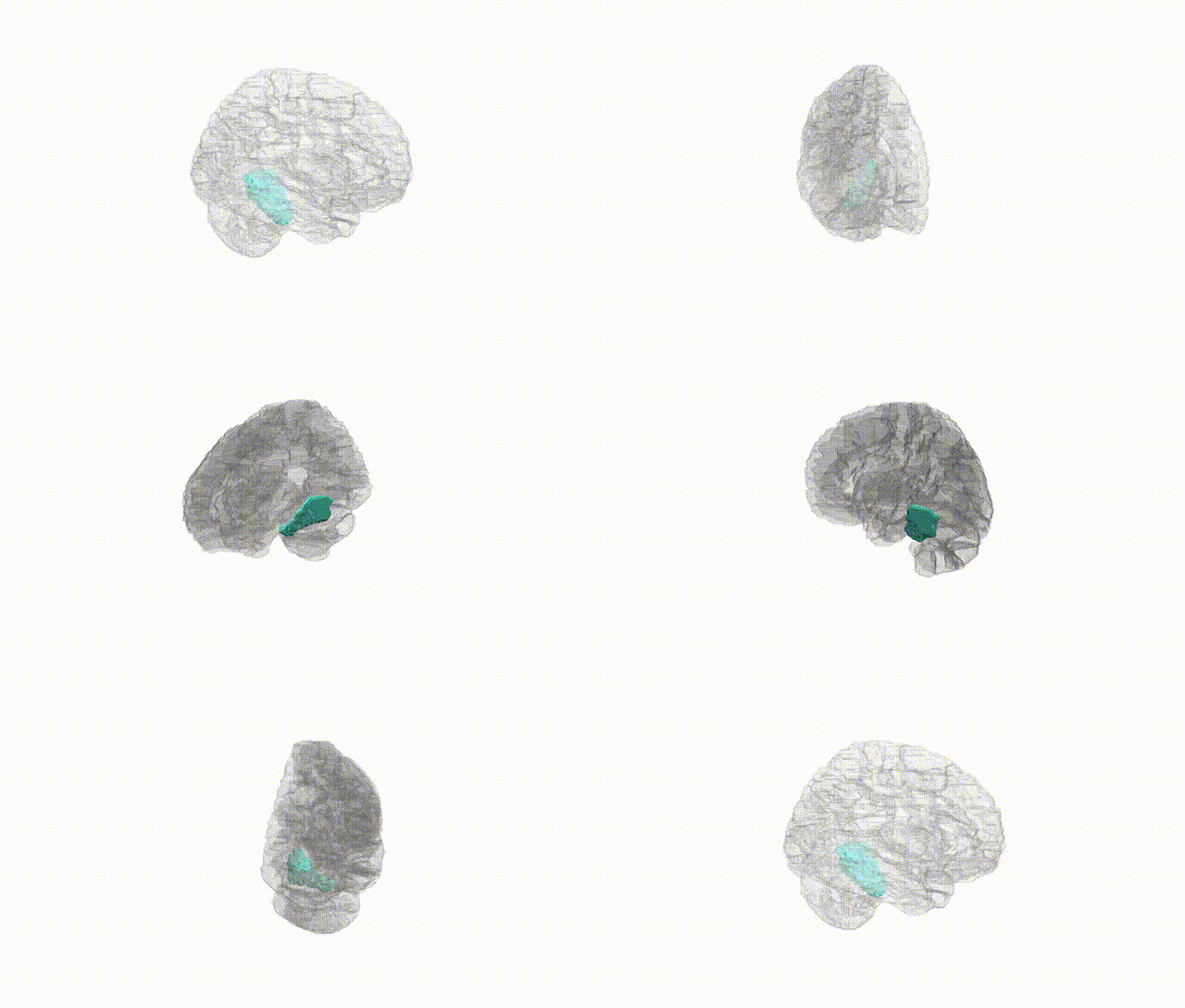
Full Quality Version: Download MP4
Wali Sidiqyar*, Gaurav Rudravaram*, Elyssa M. McMaster, Trent M. Schwartz, Adam M. Saunders, Kurt G. Schilling, Bennett A. Landman "Introducing SPINS: A Shared Public Visualization Library of Neuroanatomical Structures." Medical Imaging with Deep Learning- short paper
This resource is licensed under CC0 1.0 Universal (Public Domain).