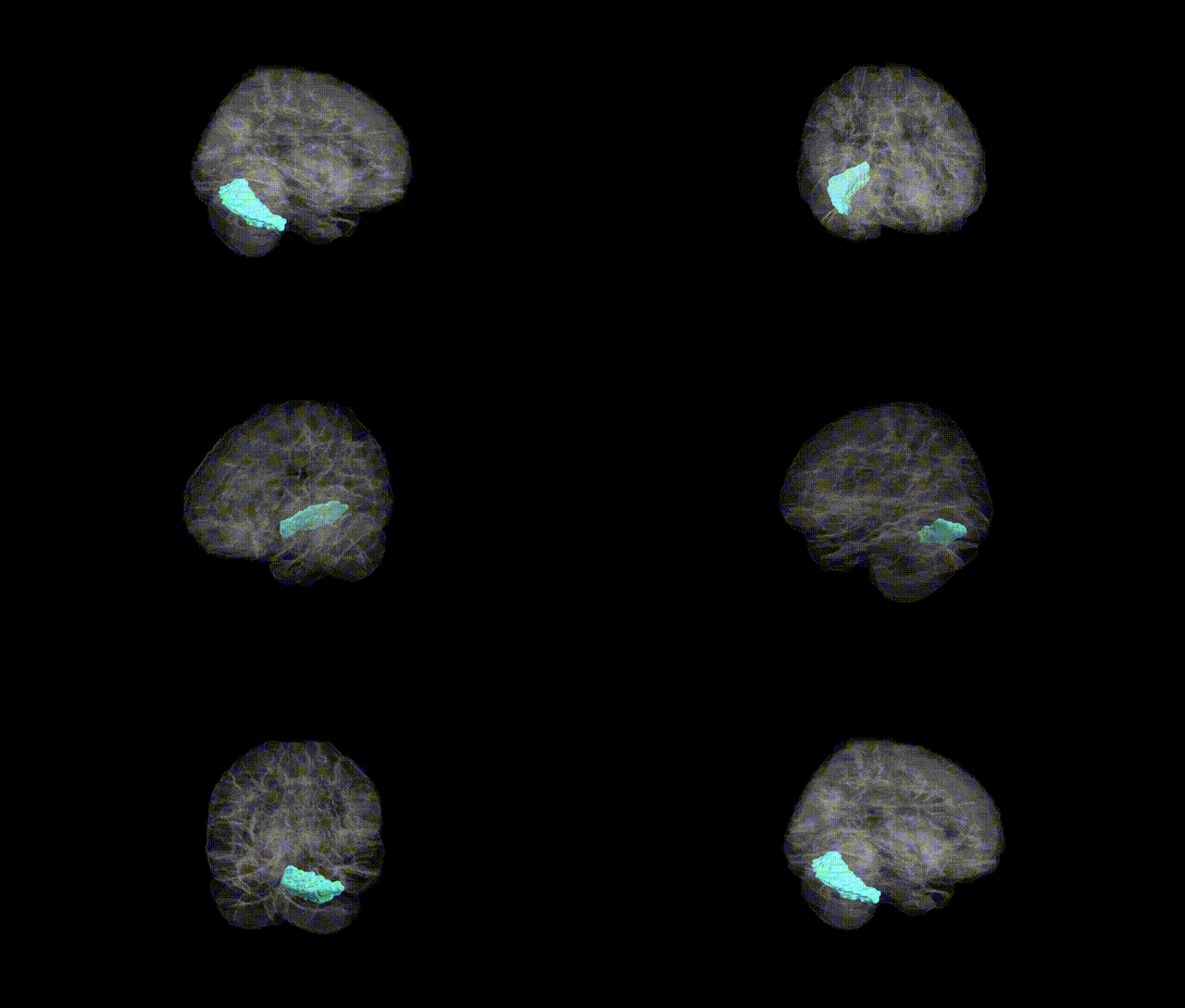
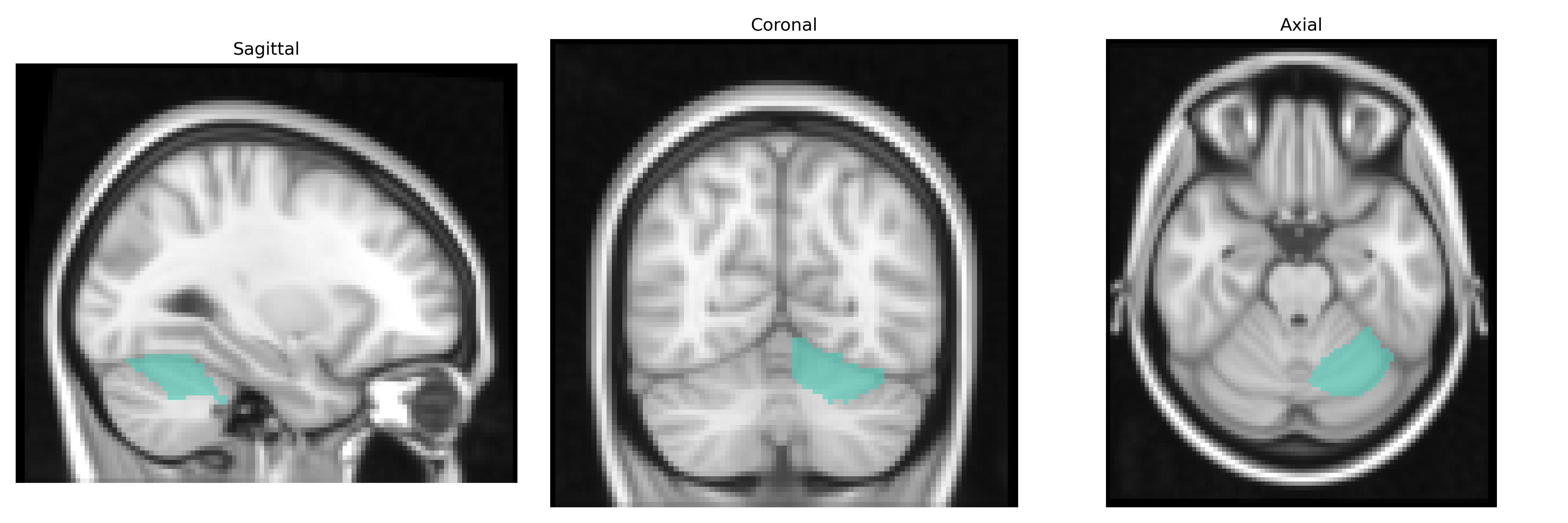
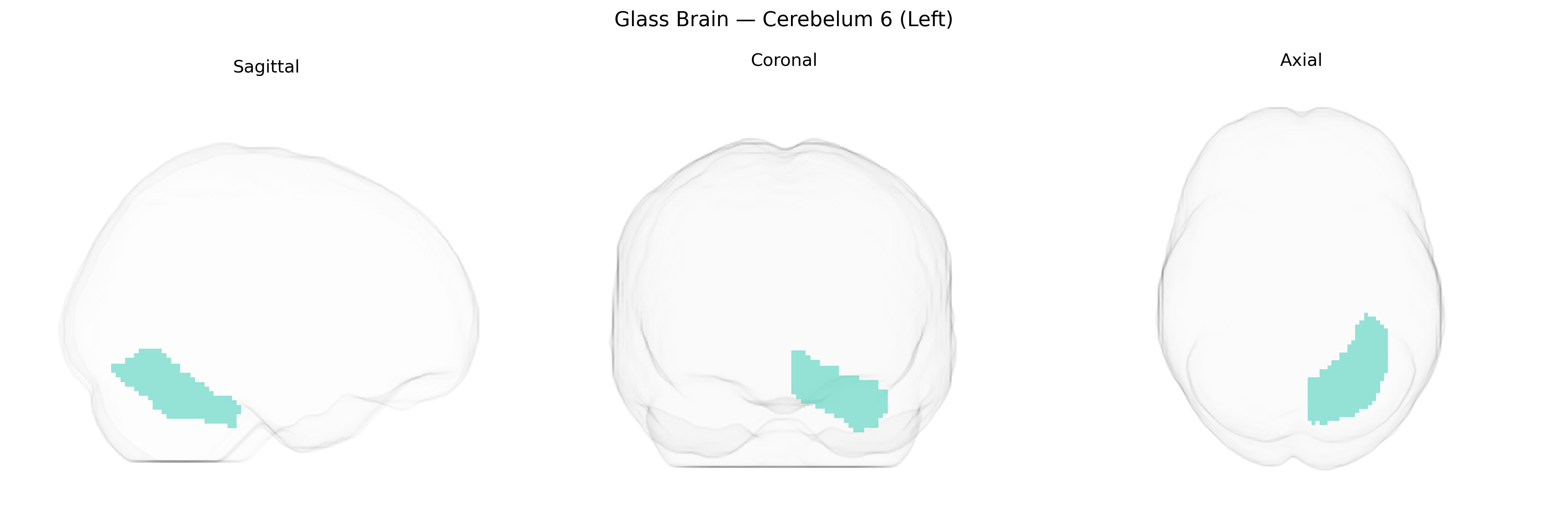
The left Cerebelum 6 region, as defined in the AAL2 atlas, corresponds to part of lobule VI of the cerebellar hemisphere on the left side. Lobule VI is involved in sensorimotor integration, timing, and coordination of voluntary movements, and is also increasingly recognized for its role in cognitive functions such as working memory, language processing, and higher-order executive control through its connections with cerebral association cortices. Anatomically, this lobule lies in the superior posterior cerebellum, receiving input from descending cortical pathways and ascending proprioceptive systems, and projecting via the dentate nucleus and thalamus back to motor and prefrontal cortical areas. In functional neuroimaging, activity in left Cerebelum 6 is commonly associated with tasks requiring fine motor control of the right side of the body and with complex cognitive operations engaging cortico-cerebellar loops. There is no direct Wikipedia article for “Cerebelum 6,” but it is part of Cerebellar Lobules.
Left Cerebellum Crus I/VI regions (often labeled “Cerebelum 6 (Left)” in AAL2-based parcellations) have been implicated in multiple genome‑wide association studies through imaging–genetics analyses linking common variants to regional volume, surface measures, and functional connectivity, particularly within large biobank cohorts such as UK Biobank and ENIGMA; polygenic influences overlap with loci associated with general brain size, intracranial volume, and broader cerebellar morphology (for example in genes related to neurodevelopment, synaptic function, and axon guidance), though single, highly specific genes for this subregion are not firmly established. Variants affecting cerebellar structure and function, including in genes such as FOXP2, RELN, CACNA1A, and certain synaptic or channel genes, have been tied to disorders where neuroimaging frequently shows abnormalities involving cerebellar lobule VI/Crus I, including autism spectrum disorder, schizophrenia, bipolar disorder, major depression, ataxias, and developmental coordination disorder, but these associations are typically at the level of the cerebellum or its functional networks rather than this exact AAL2 parcel. GWAS of cognitive traits (intelligence, educational attainment, working memory) and affective traits (neuroticism, anxiety, and risk for depression) show overlapping polygenic architectures with cerebellar imaging phenotypes, and functional MRI studies suggest that left Cerebelum 6 participates in higher‑order cognitive, language, and default‑mode–related networks, providing a plausible pathway by which variants influencing this region’s structure or connectivity may contribute to neurodevelopmental and psychiatric risk; however, the current literature does not yet support a precise, uniquely defined genetic signature for the AAL2 “Cerebelum 6 (Left)” ROI, and most findings remain at the level of broader cerebellar lobules or whole‑cerebellum metrics.
Overview generated by GPT-4o (2026).
Region ID: 9041
Hemisphere: left
Atlas: AAL2
Full Quality Version: Download MP4
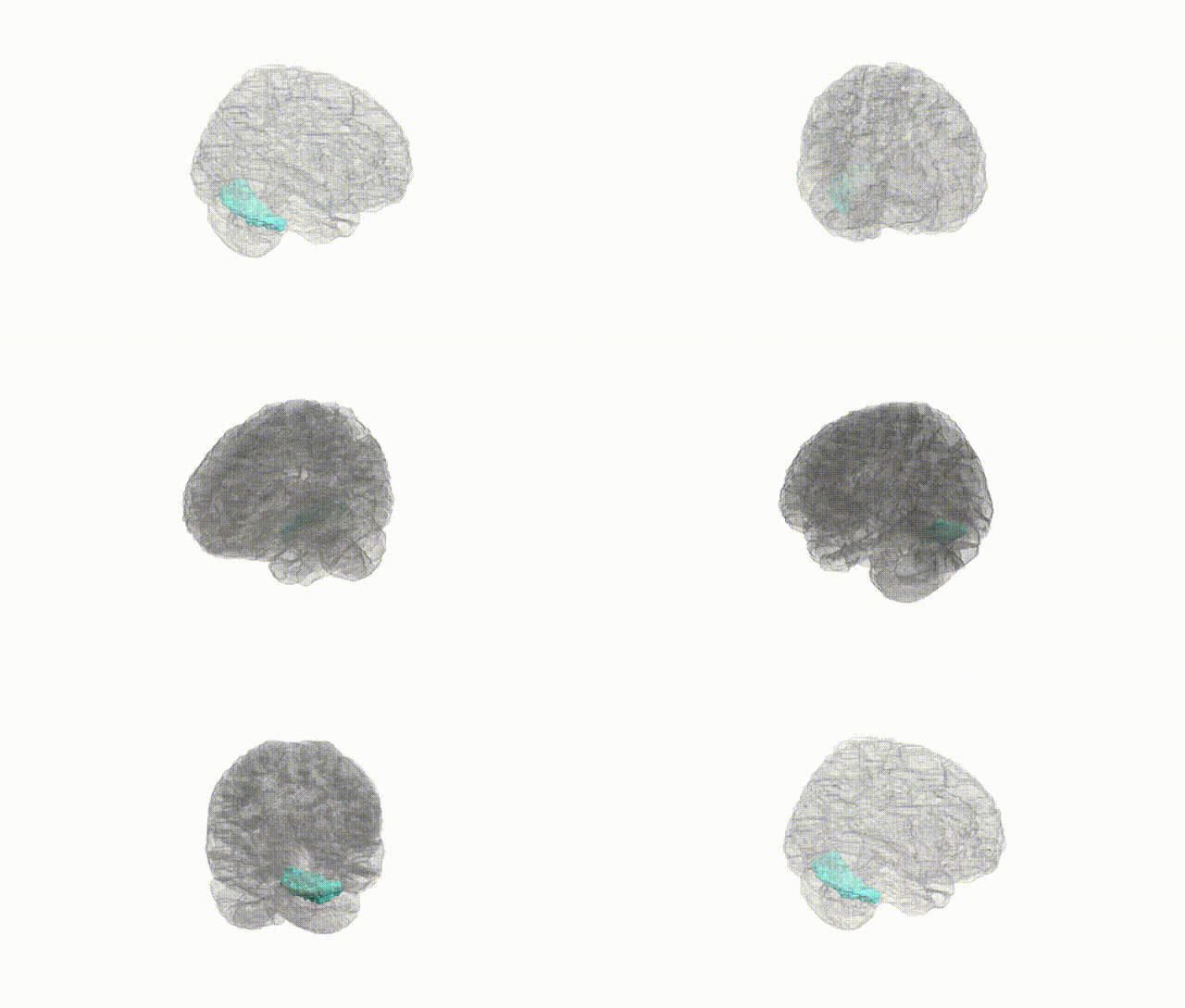
Full Quality Version: Download MP4
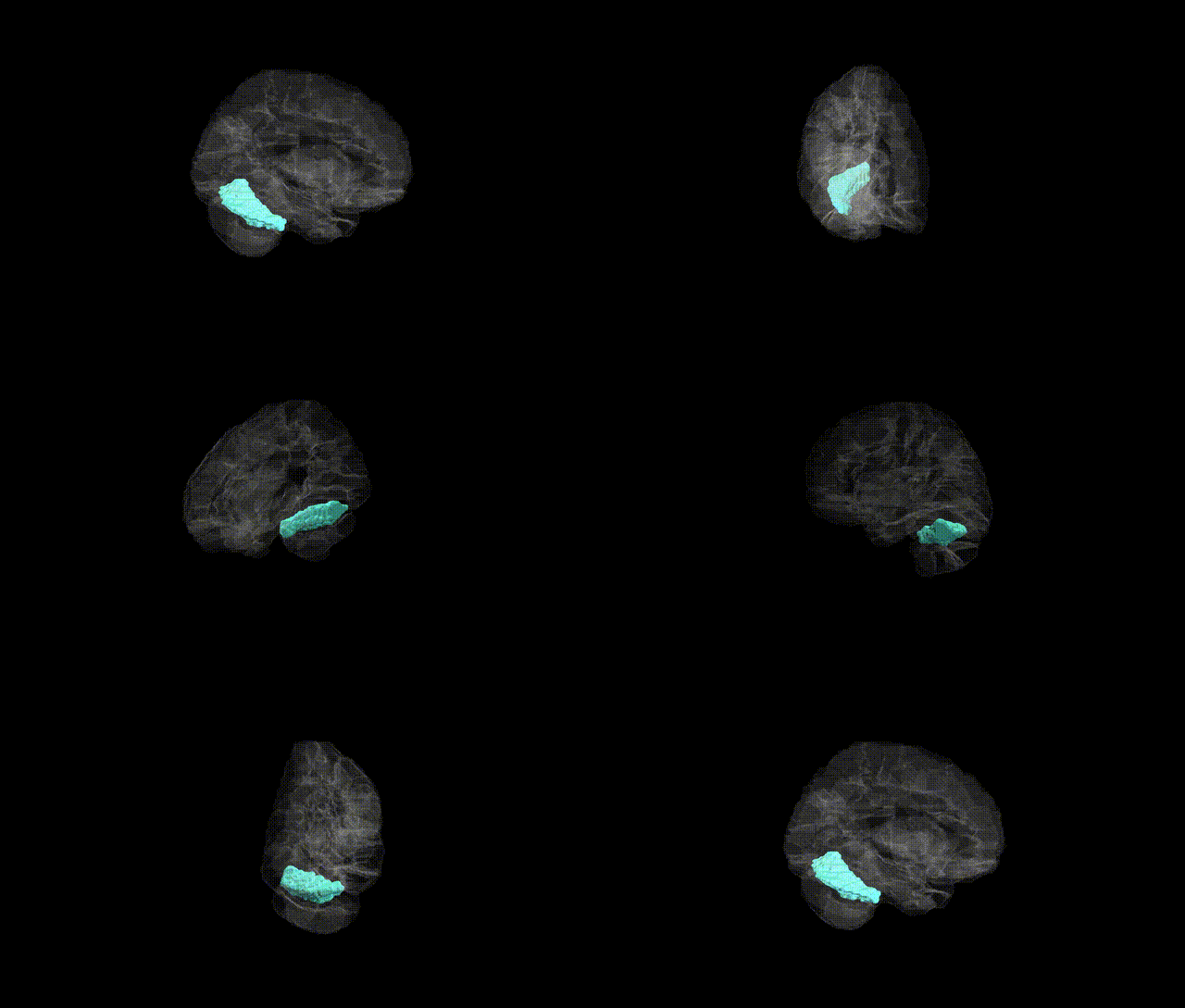
Full Quality Version: Download MP4
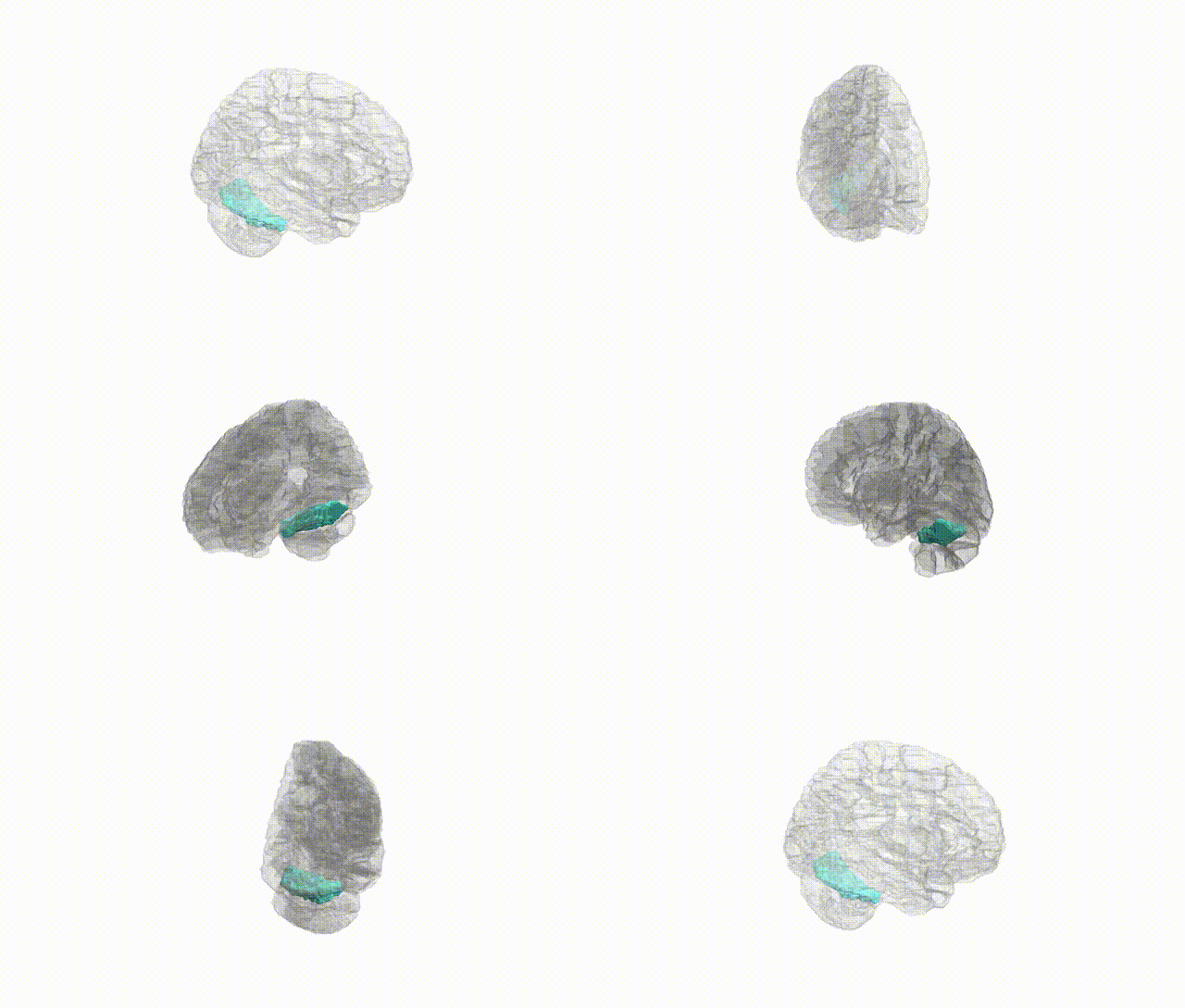
Full Quality Version: Download MP4
Wali Sidiqyar*, Gaurav Rudravaram*, Elyssa M. McMaster, Trent M. Schwartz, Adam M. Saunders, Kurt G. Schilling, Bennett A. Landman "Introducing SPINS: A Shared Public Visualization Library of Neuroanatomical Structures." Medical Imaging with Deep Learning- short paper
This resource is licensed under CC0 1.0 Universal (Public Domain).