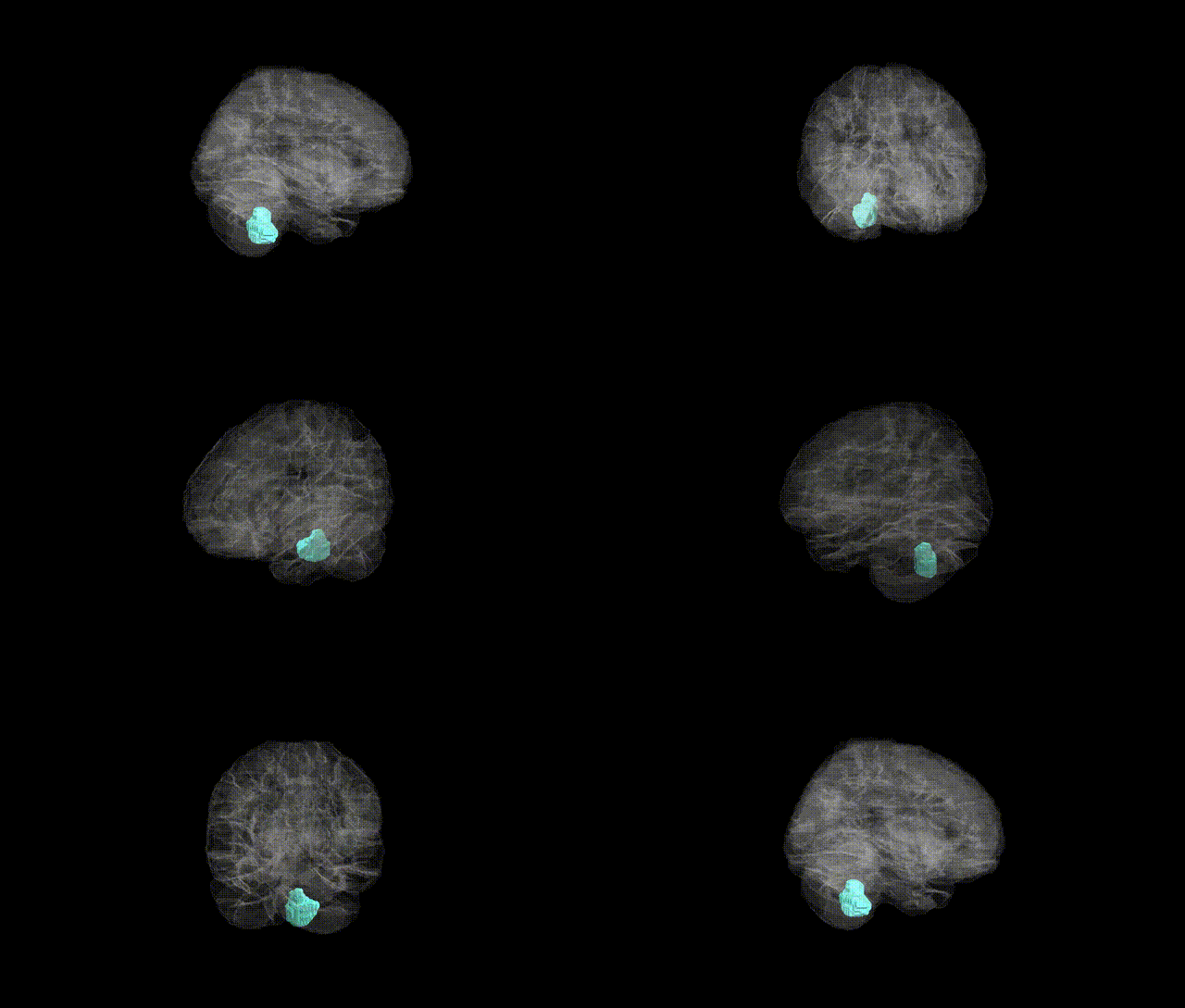
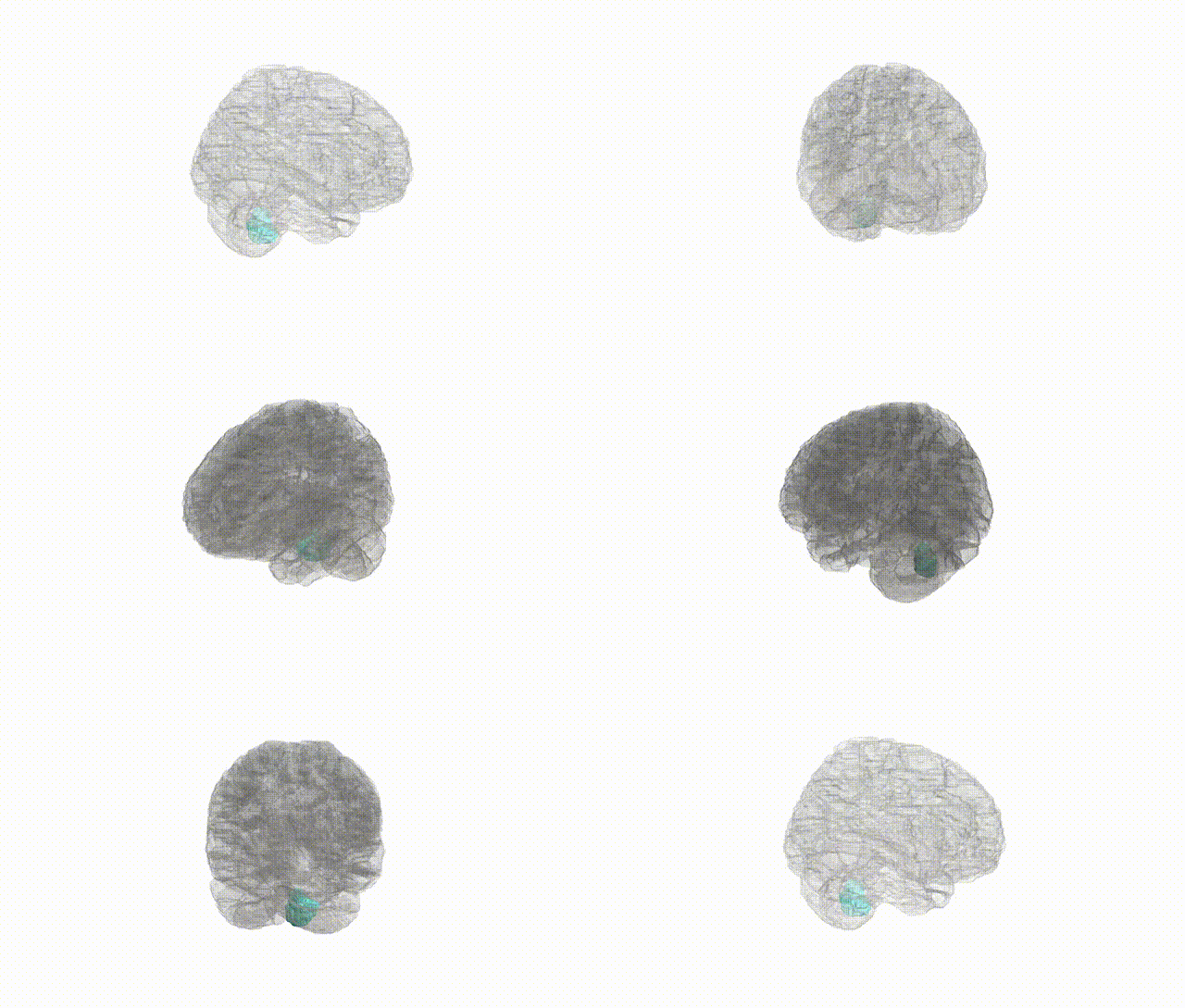
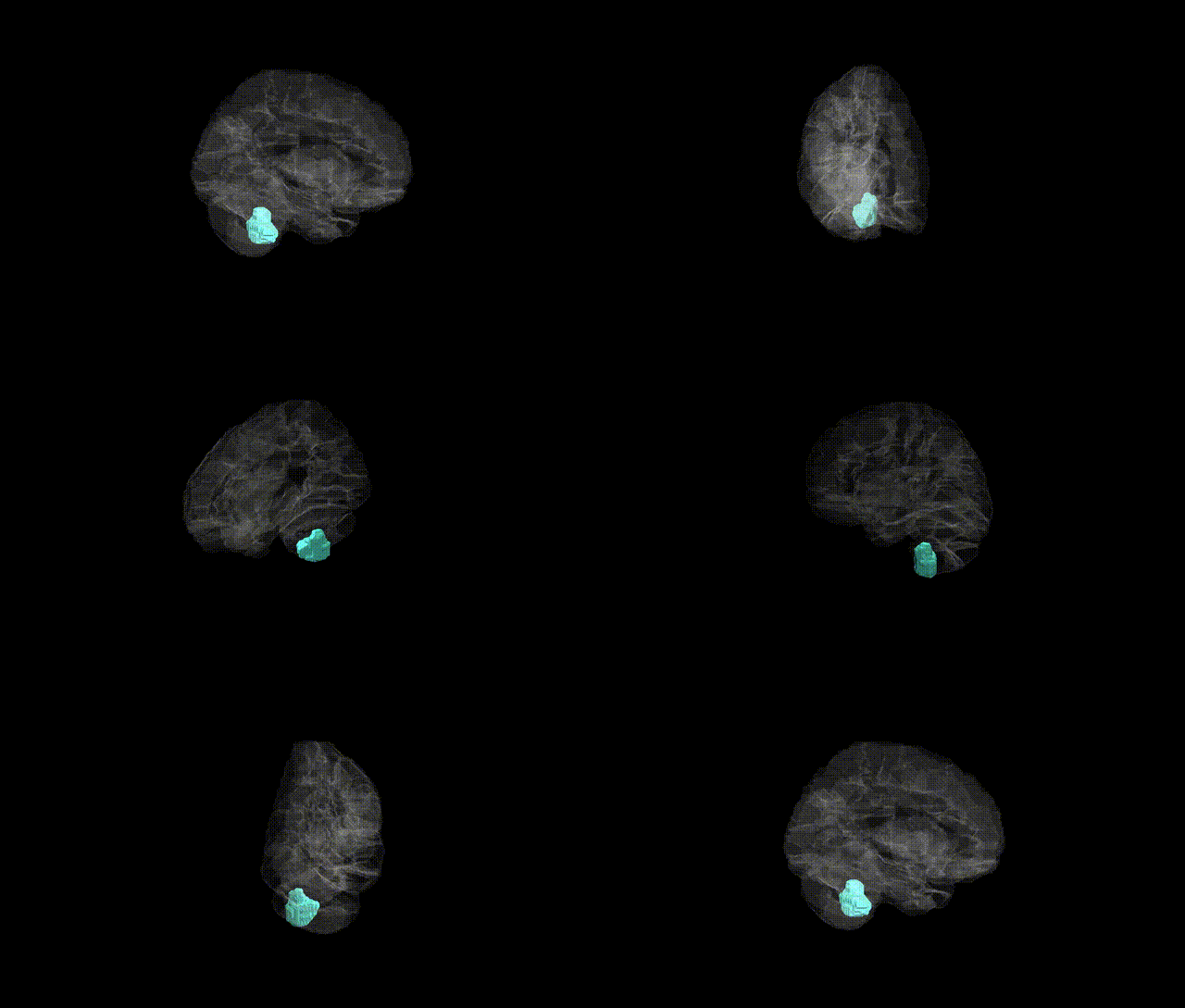
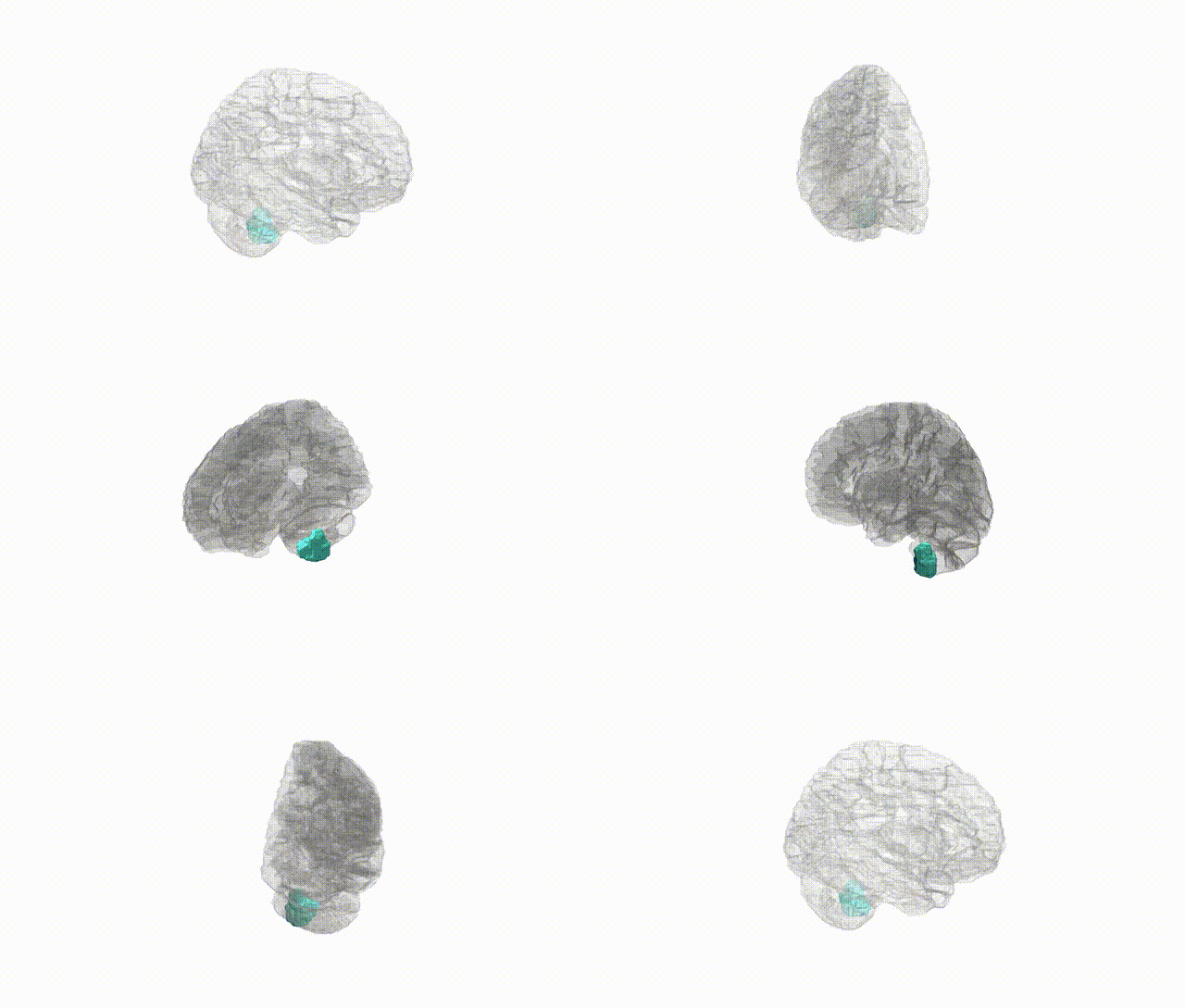
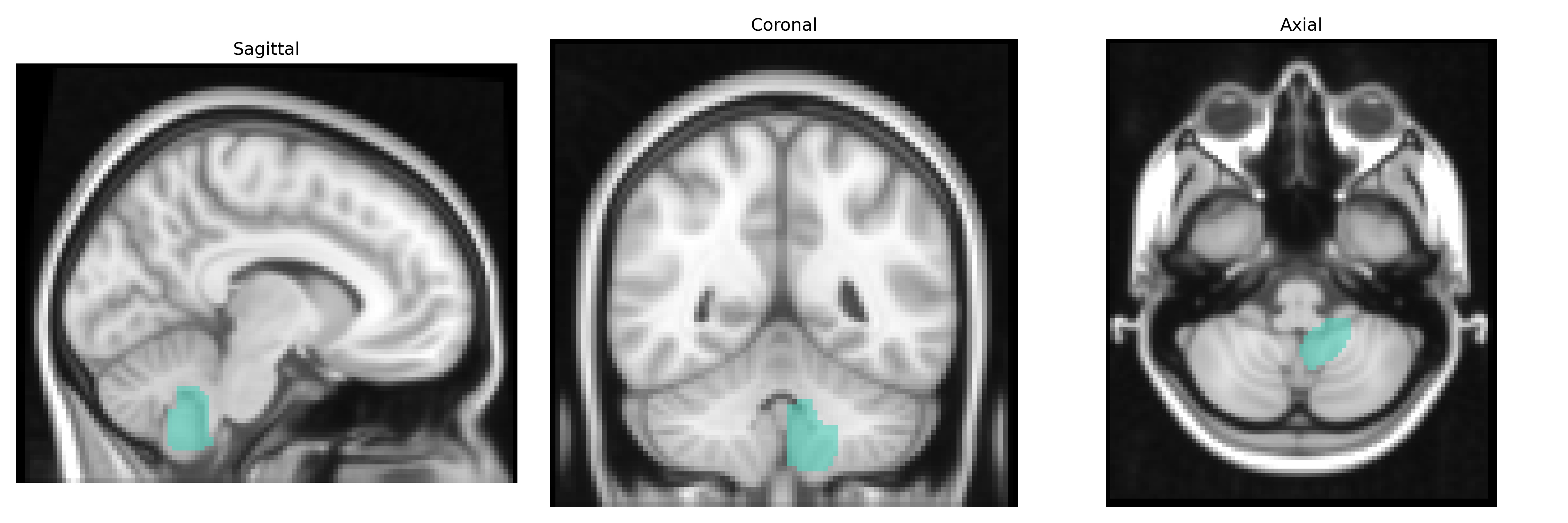
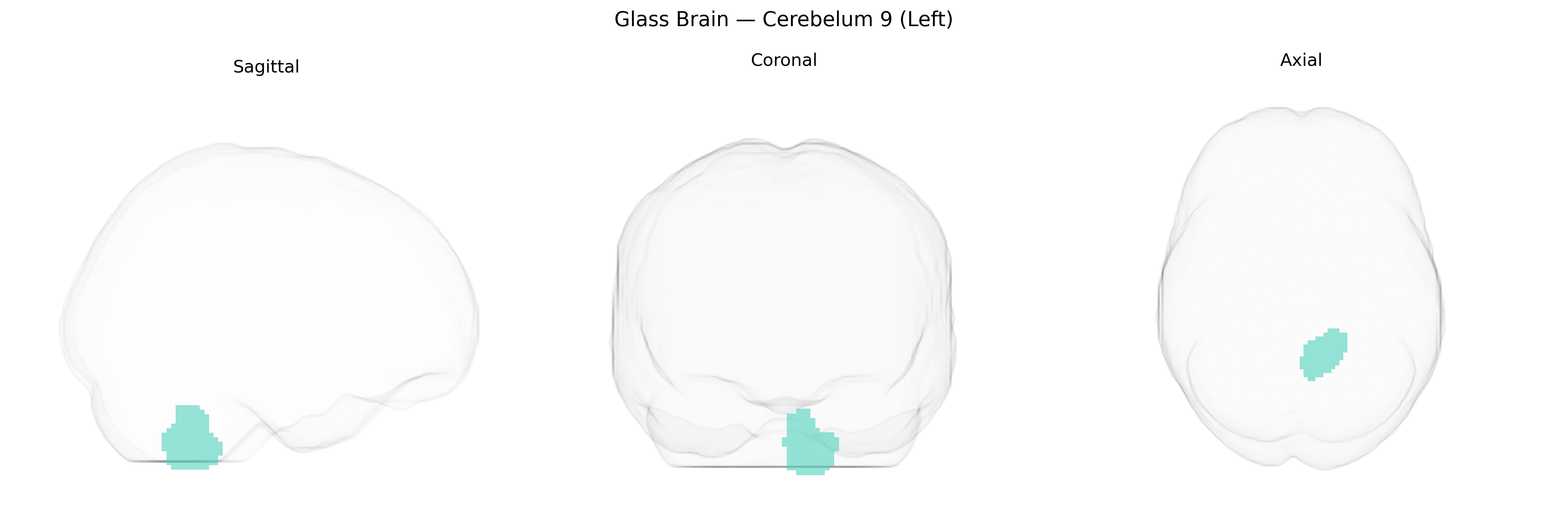
The left Cerebellum 9 (Left), as defined in the AAL2 atlas, corresponds to lobule IX of the left cerebellar hemisphere, part of the posterior lobe situated near the inferior vermis and tonsillar region. This lobule is implicated in both motor and non-motor functions, contributing to fine-tuning of postural control, balance, and oculomotor coordination, as well as higher-order processes such as aspects of visuospatial processing and cognitive–affective regulation via its connections with brainstem nuclei and cerebral association cortices. Functionally, lobule IX is often engaged in tasks involving attention, working memory, and emotional modulation, consistent with the broader role of the posterior cerebellum in cerebro-cerebellar loops that integrate sensorimotor and cognitive information. There is no direct link for “Cerebellum 9 (Left)”; a related structure is Cerebellum.
The left Cerebelum 9 region in the AAL2 atlas, part of the posterior cerebellar hemispheric lobule implicated in higher-order cognitive and affective processing, has been indirectly linked to several genetic influences through imaging genetics and GWAS studies of brain structure and function rather than through region-specific association scans. Large-scale neuroimaging GWAS consortia such as ENIGMA and UK Biobank have identified common variants (e.g., in genes related to neurodevelopment, synaptic function, and axon guidance such as KIAA0586, MAPT, and others) that affect cerebellar volume and morphology, with posterior cerebellar lobules often highlighted as showing heritable variation. Polygenic risk scores for schizophrenia, major depressive disorder, bipolar disorder, autism spectrum disorder, and ADHD have been associated with alterations in cerebellar gray matter, including Crus I/II and adjacent lobules that spatially overlap or border AAL2’s Cerebelum 9. GWAS of cognitive traits (general intelligence, working memory, educational attainment) and affective traits (neuroticism, anxiety) have also shown that genetic propensity for these traits correlates with structural and functional differences in posterior cerebellum, suggesting pleiotropic genetic effects on cerebellar-cortical networks. In addition, variants in FOXP2 and other language- and motor-related genes have been connected to cerebellar activation differences during speech and motor tasks, indirectly implicating the same macro-anatomical territory. However, no large GWAS to date has reported robust, locus-specific associations uniquely and exclusively mapped to AAL2 “Cerebelum 9 (Left),” and most evidence arises from broadly defined cerebellar or lobular measures, highlighting the region as part of genetically influenced distributed networks rather than as a standalone genetic hotspot.
Overview generated by GPT-4o (2026).
Region ID: 9071
Hemisphere: left
Atlas: AAL2
Full Quality Version: Download MP4
Full Quality Version: Download MP4
Full Quality Version: Download MP4
Full Quality Version: Download MP4
Wali Sidiqyar*, Gaurav Rudravaram*, Elyssa M. McMaster, Trent M. Schwartz, Adam M. Saunders, Kurt G. Schilling, Bennett A. Landman "Introducing SPINS: A Shared Public Visualization Library of Neuroanatomical Structures." Medical Imaging with Deep Learning- short paper
This resource is licensed under CC0 1.0 Universal (Public Domain).