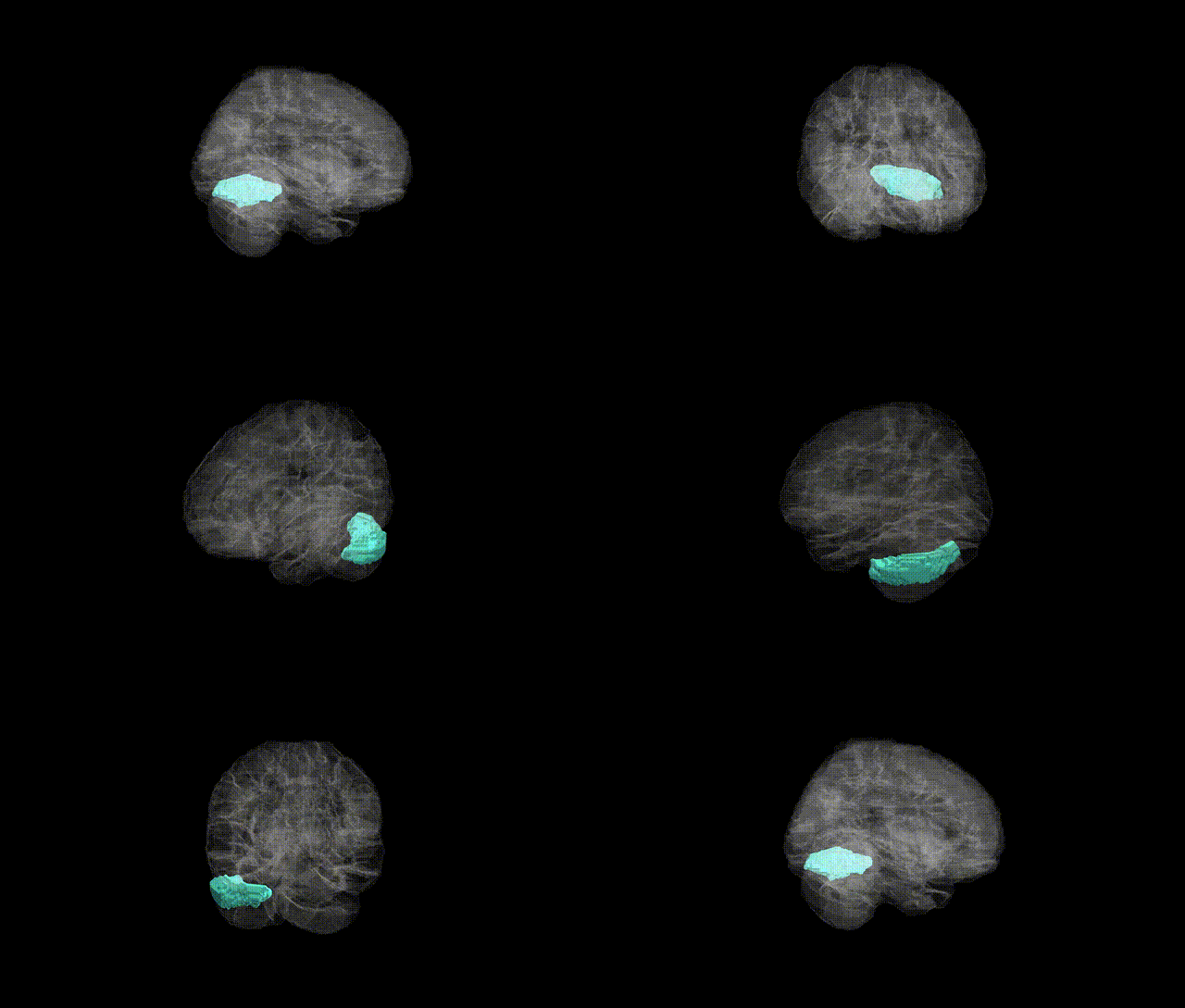
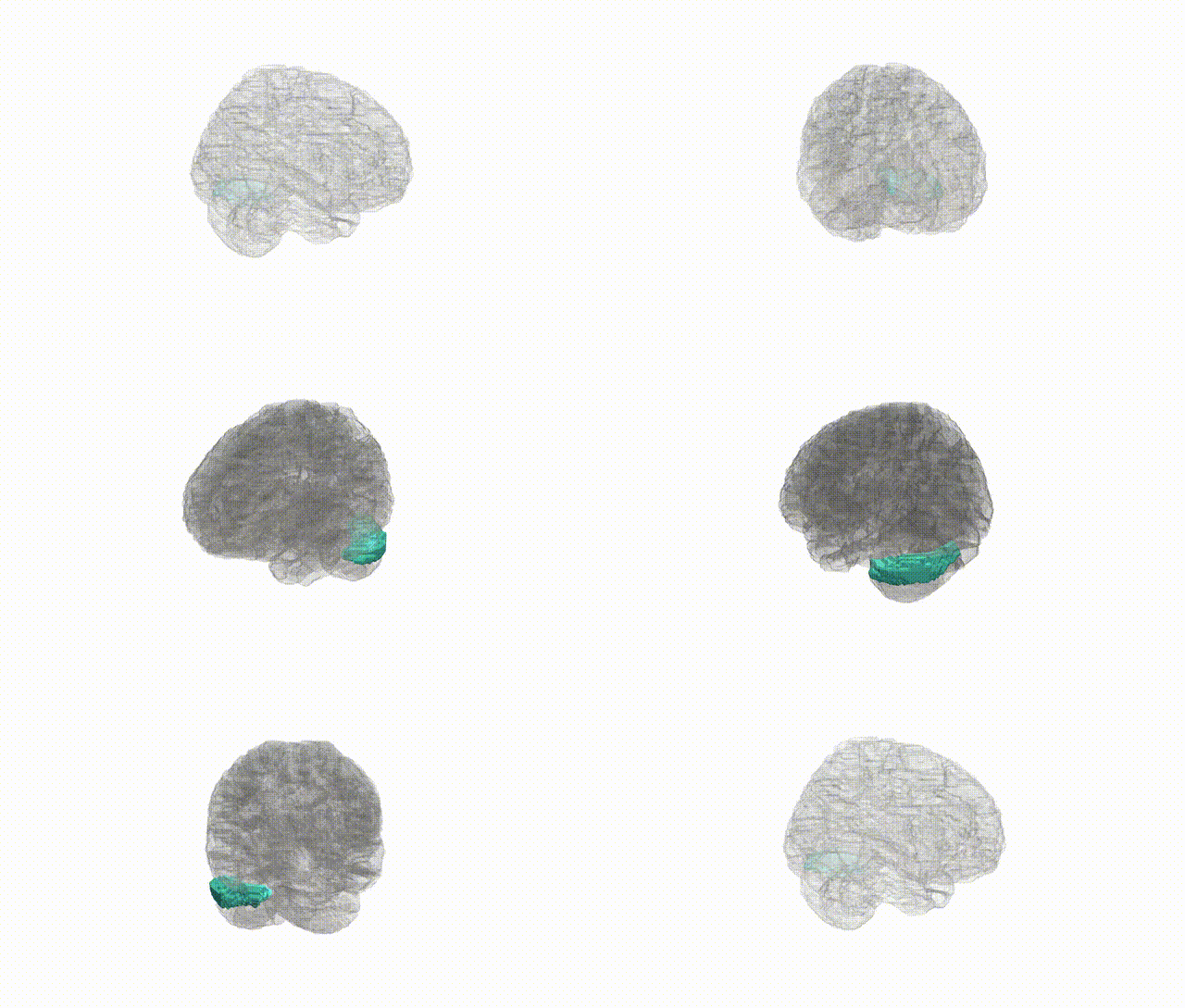
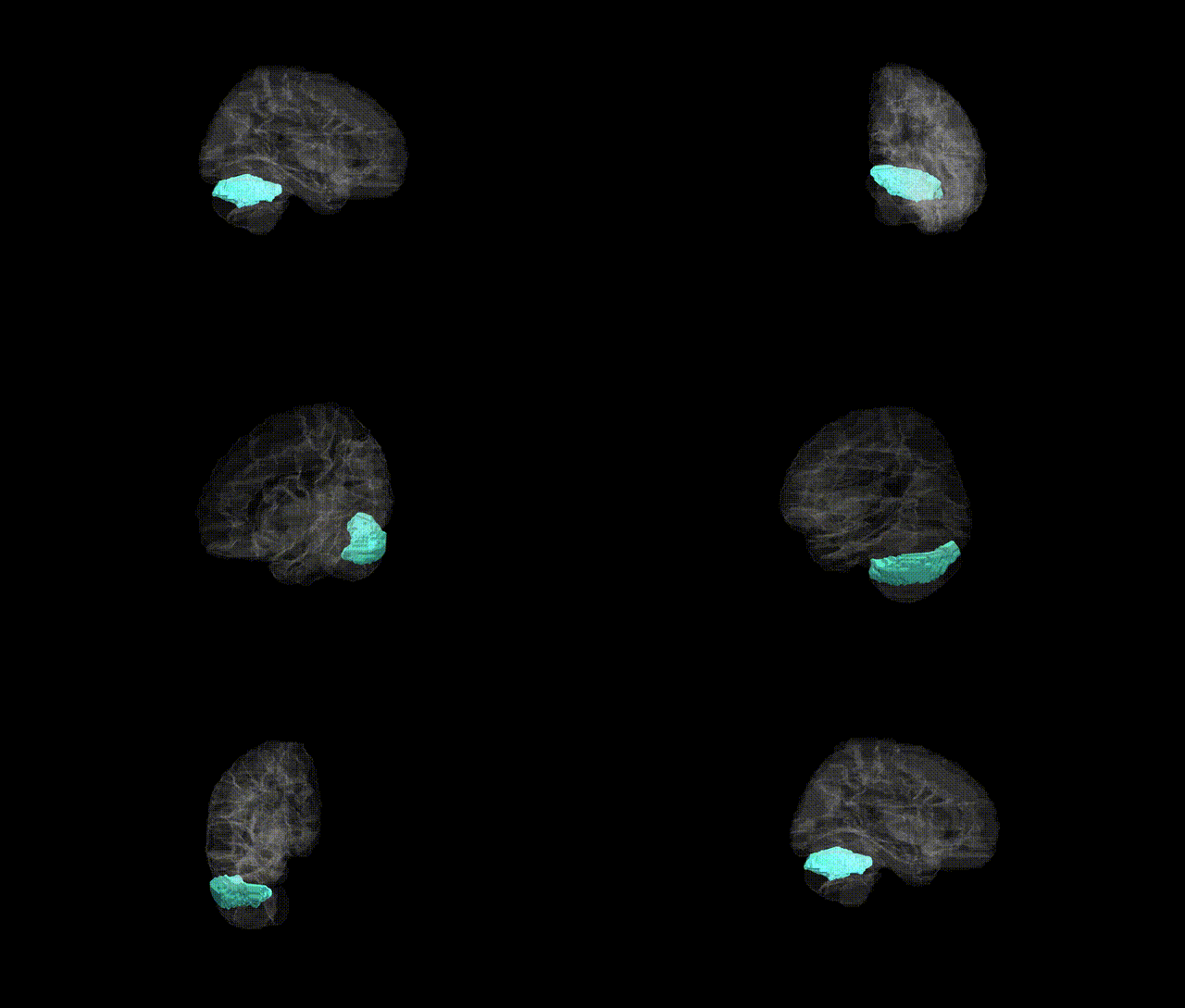
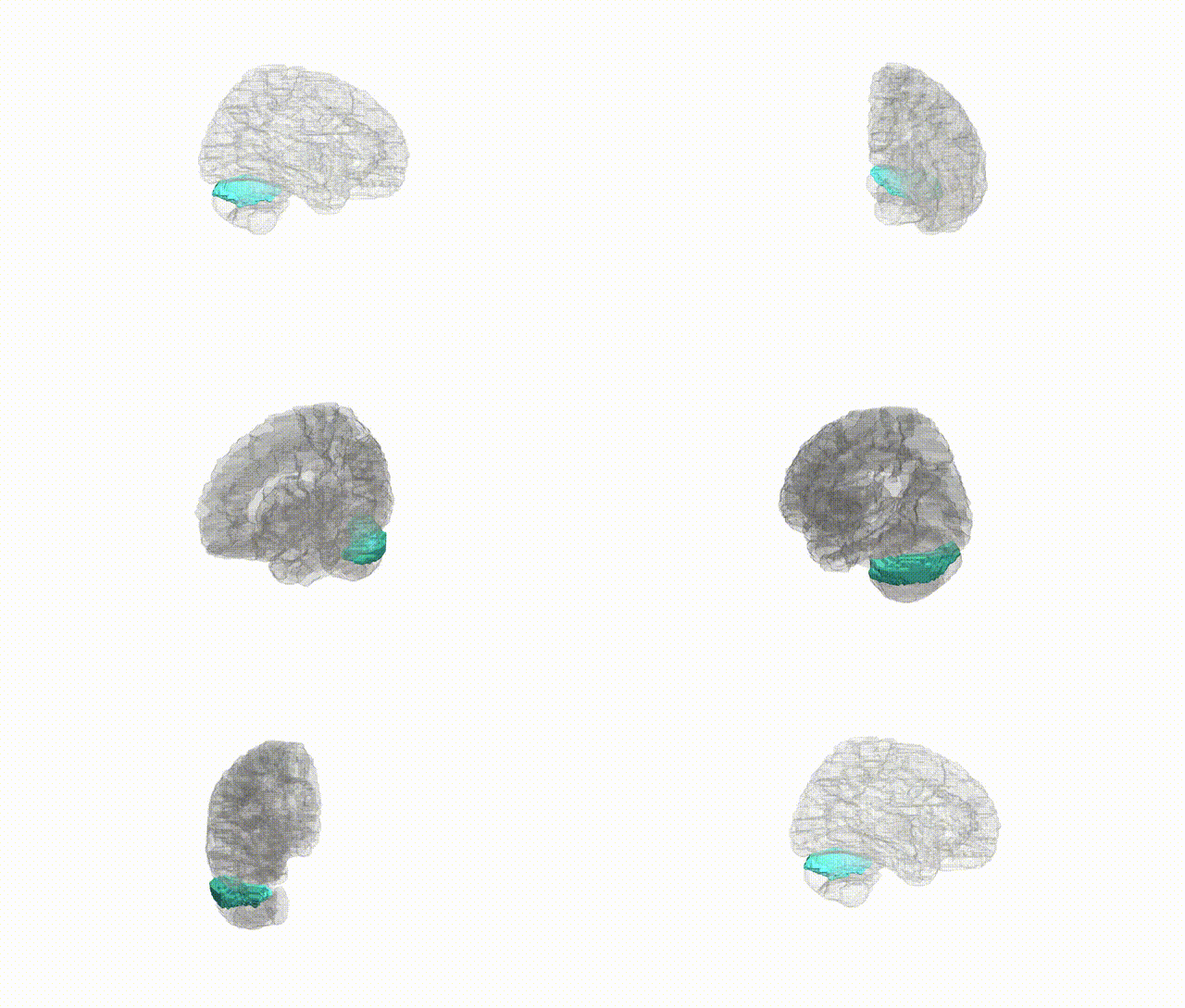
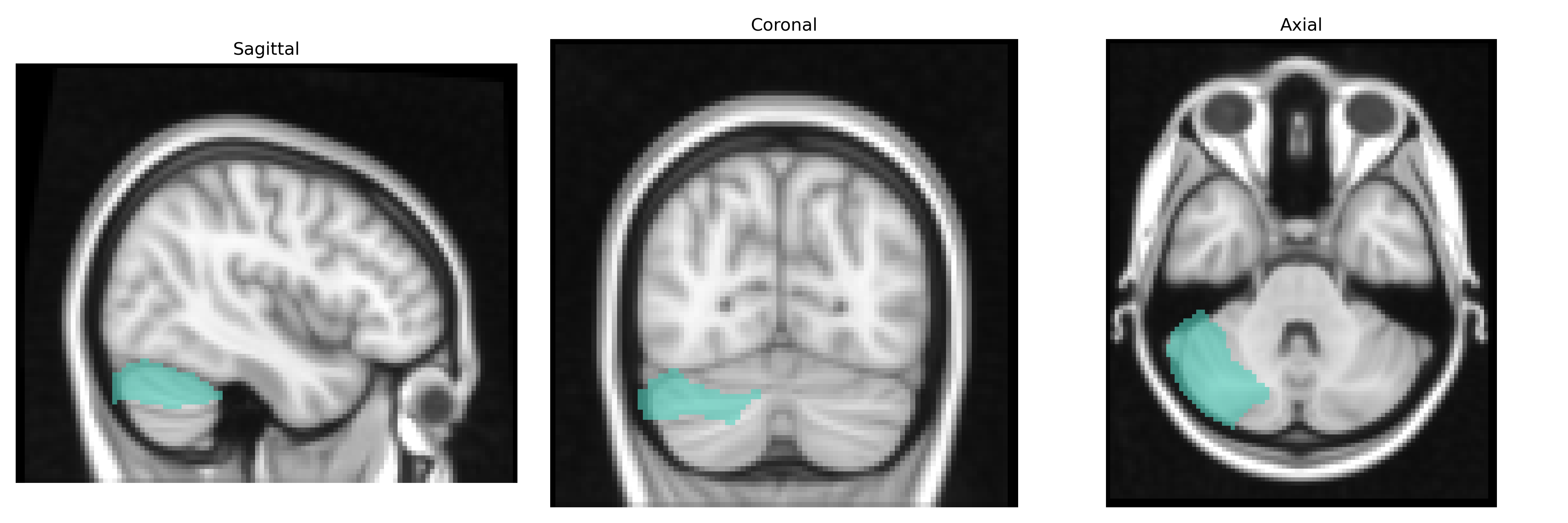
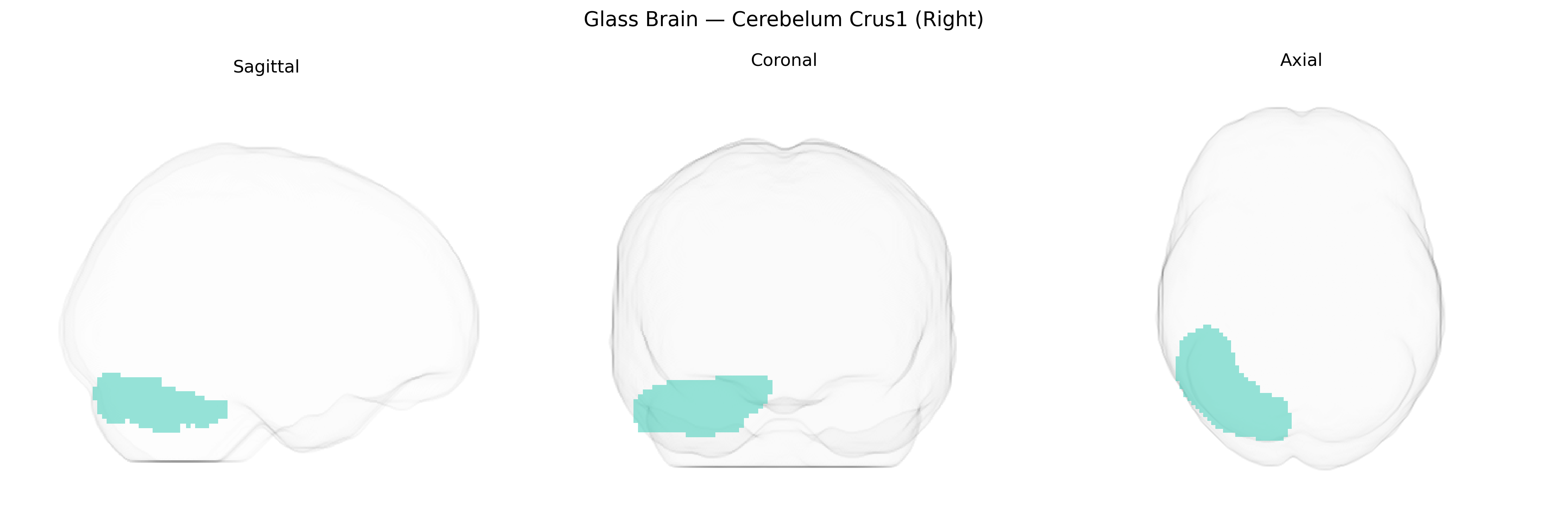
The right Cerebellum Crus I, defined in the AAL2 atlas, is a lateral subdivision of the cerebellar hemispheric cortex that forms part of the posterior lobe and lies between lobules VI and Crus II. It is composed of densely packed granule cells and Purkinje cells arranged in a laminated cortical structure, receiving mossy and climbing fiber inputs from pontine nuclei and the inferior olive, and projecting via deep cerebellar nuclei (particularly the dentate) to thalamic and cortical association areas. Functionally, Crus I is implicated less in basic motor coordination and more in higher-order processes, including motor planning, working memory, language, and social cognition, consistent with its strong connectivity to prefrontal and parietal association cortices. There is no direct link; a related structure is the Cerebellum.
The right Cerebellum Crus I (AAL2) has emerged in imaging‑genetics and GWAS studies as part of a cortico‑cerebellar network implicated in higher cognitive and affective functions, rather than purely motor control. Variants in genes affecting synaptic plasticity, neurodevelopment, and glutamatergic signaling (e.g., CACNA1C, BDNF, DISC1, and several loci near GRM and GABA receptor genes) have been associated with structural or functional variation in Crus I, typically via its connectivity with prefrontal and parietal cortices. Large neuroimaging GWAS consortia such as ENIGMA and UK Biobank have reported heritable variability in cerebellar volumes, including Crus I, with multiple genome‑wide significant loci scattered across the genome, though often not specific to this subregion. Crus I has been repeatedly implicated in schizophrenia, bipolar disorder, major depression, autism spectrum disorder, and ADHD through case–control MRI and polygenic risk score studies, which show altered activation or volume in carriers of higher psychiatric genetic risk. Cognitive GWAS linking polygenic scores for intelligence, educational attainment, and working memory performance have also identified Crus I involvement, consistent with its role in executive and language‑related processing. While no single gene is uniquely tied to right Crus I, convergent evidence from GWAS of brain structure, connectivity, and behavior indicates that polygenic architectures underlying cognition and psychiatric liability exert measurable effects on this cerebellar territory.
Overview generated by GPT-4o (2026).
Region ID: 9002
Hemisphere: right
Atlas: AAL2
Full Quality Version: Download MP4
Full Quality Version: Download MP4
Full Quality Version: Download MP4
Full Quality Version: Download MP4
Wali Sidiqyar*, Gaurav Rudravaram*, Elyssa M. McMaster, Trent M. Schwartz, Adam M. Saunders, Kurt G. Schilling, Bennett A. Landman "Introducing SPINS: A Shared Public Visualization Library of Neuroanatomical Structures." Medical Imaging with Deep Learning- short paper
This resource is licensed under CC0 1.0 Universal (Public Domain).