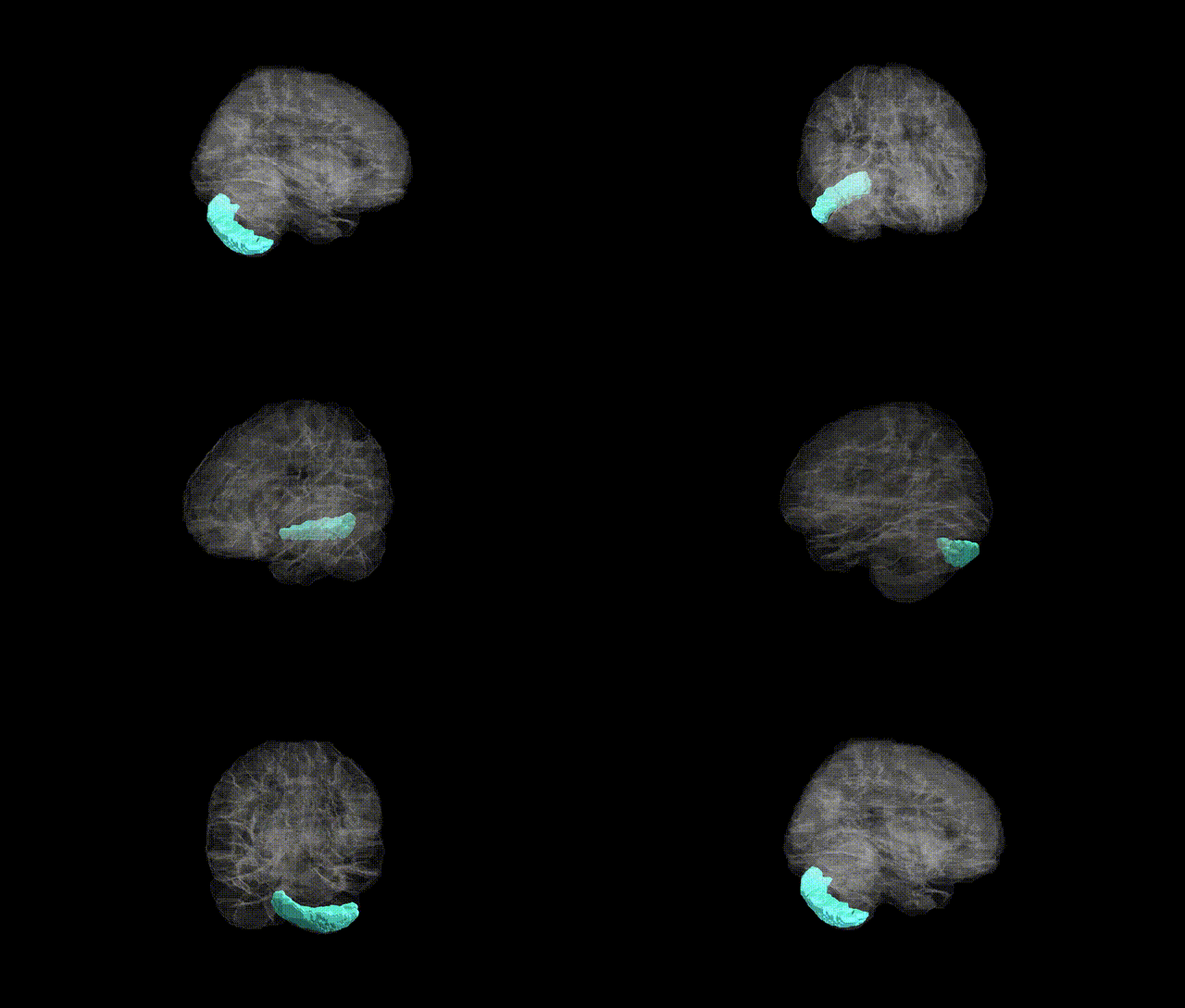
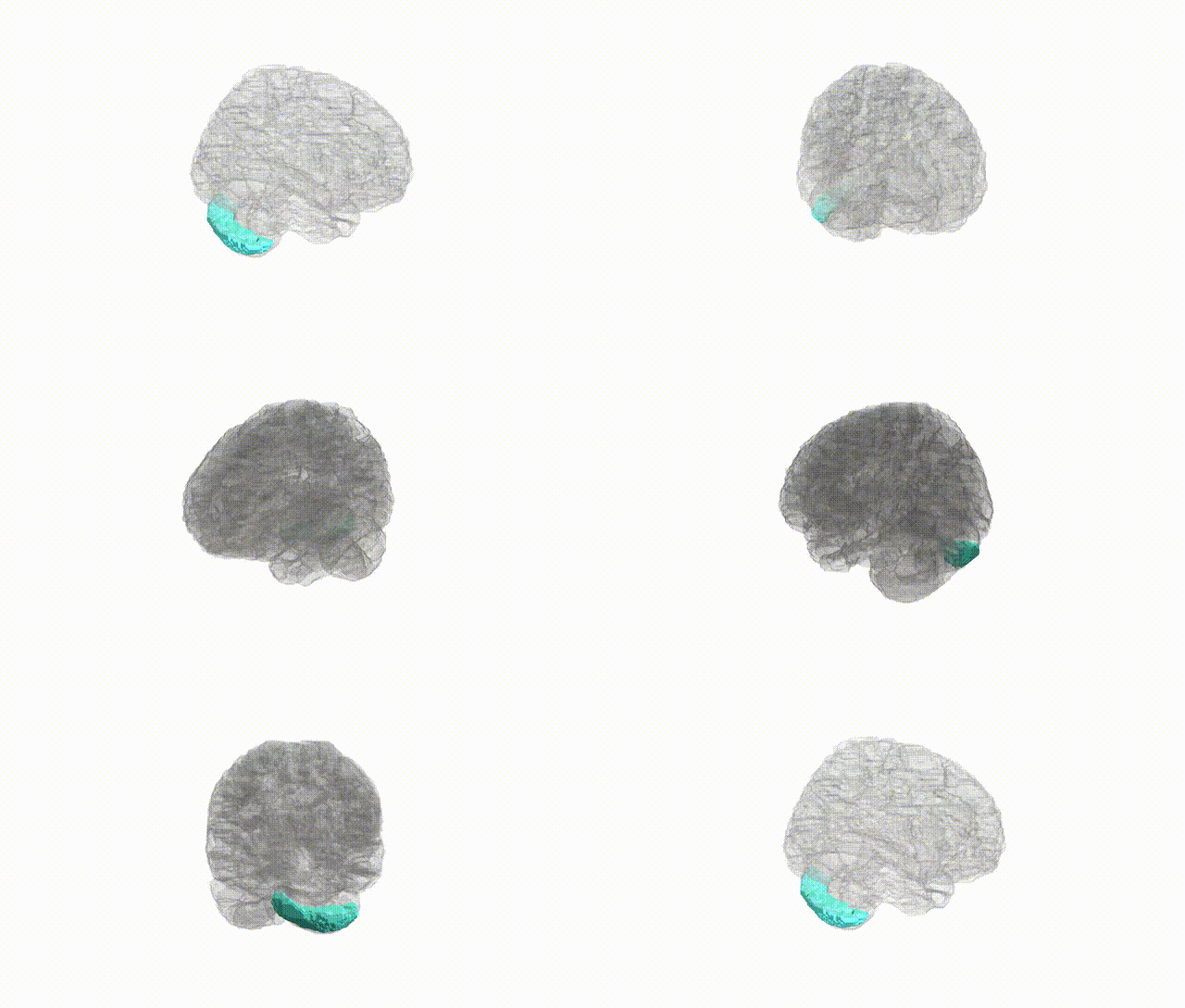
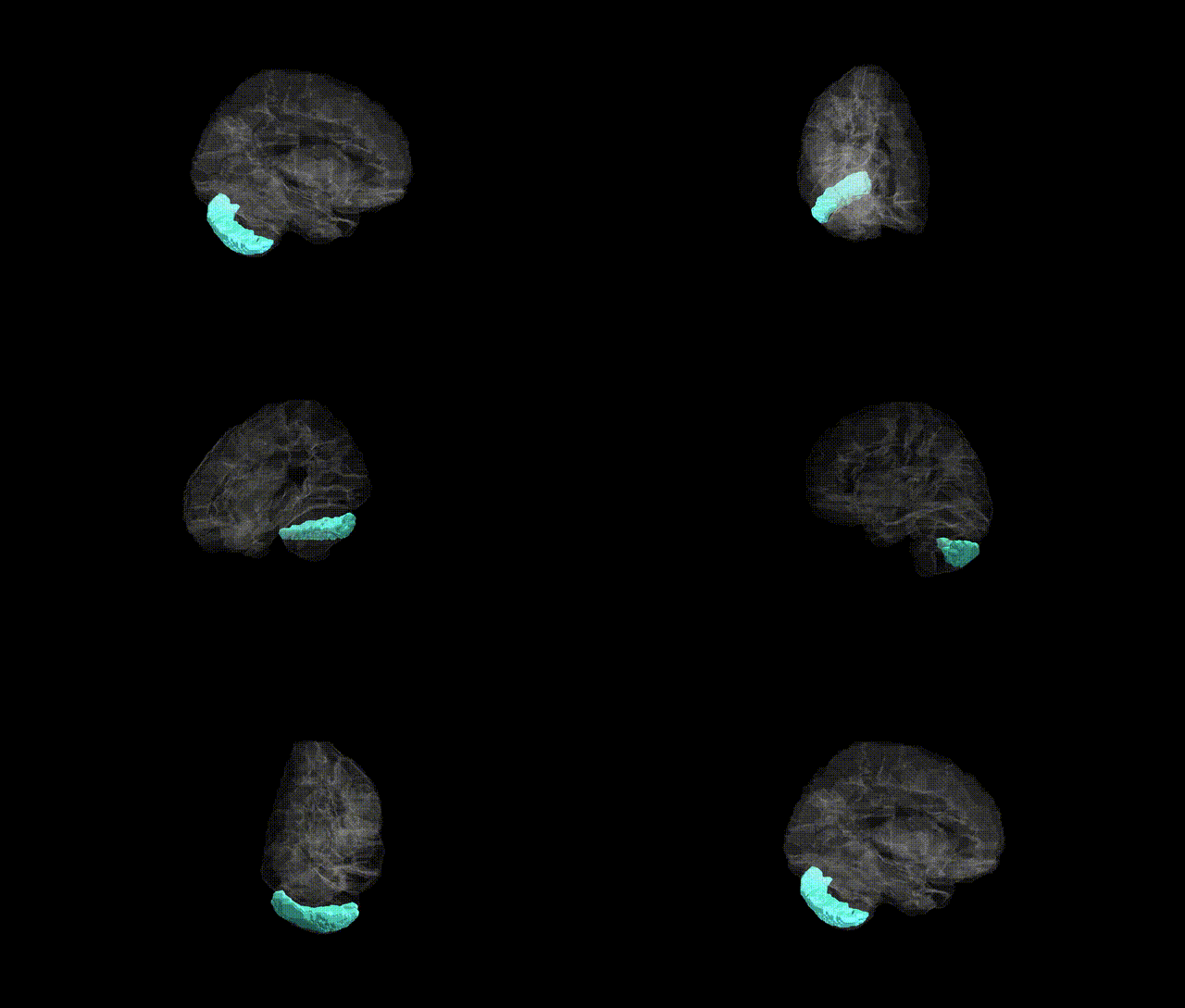
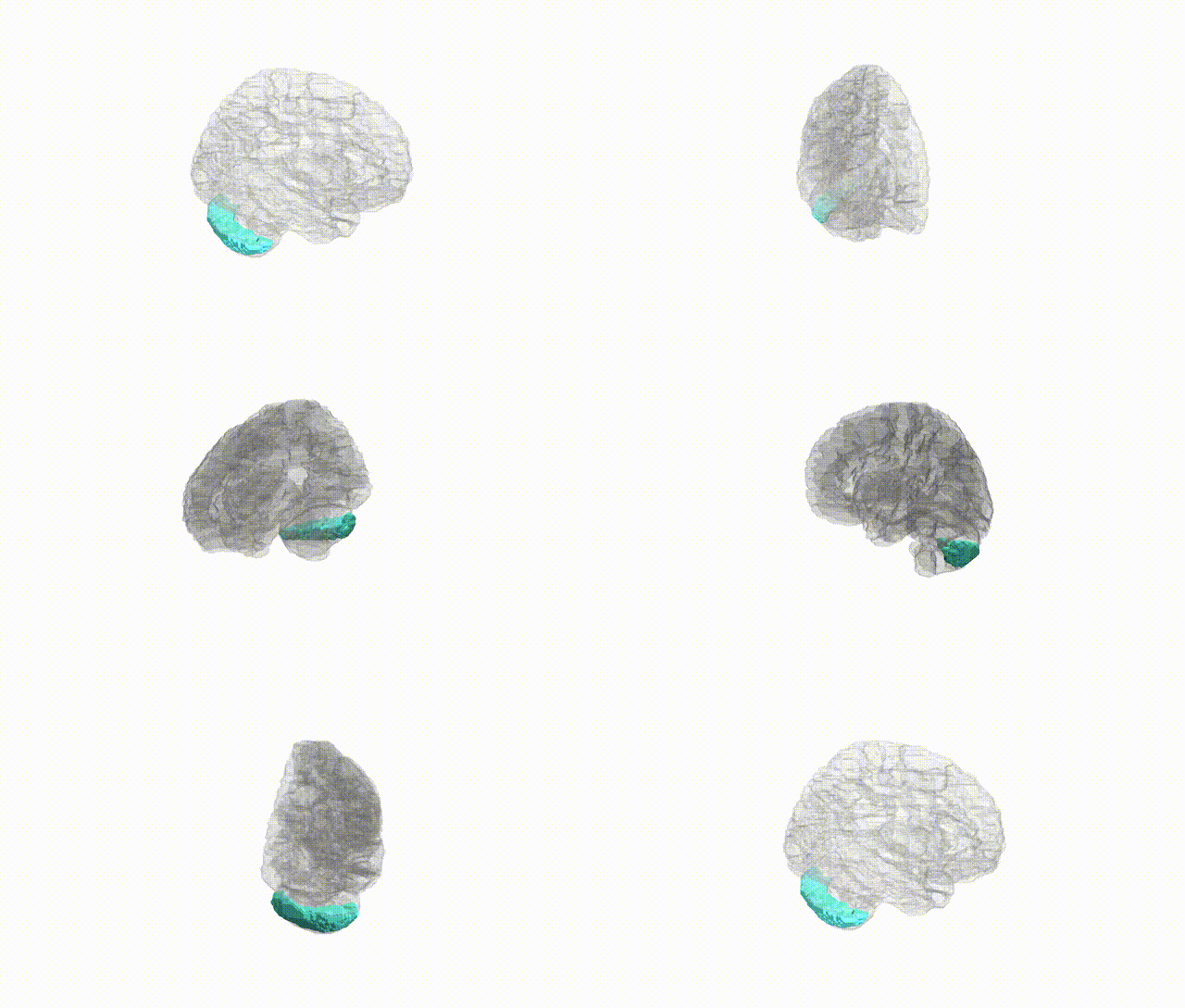
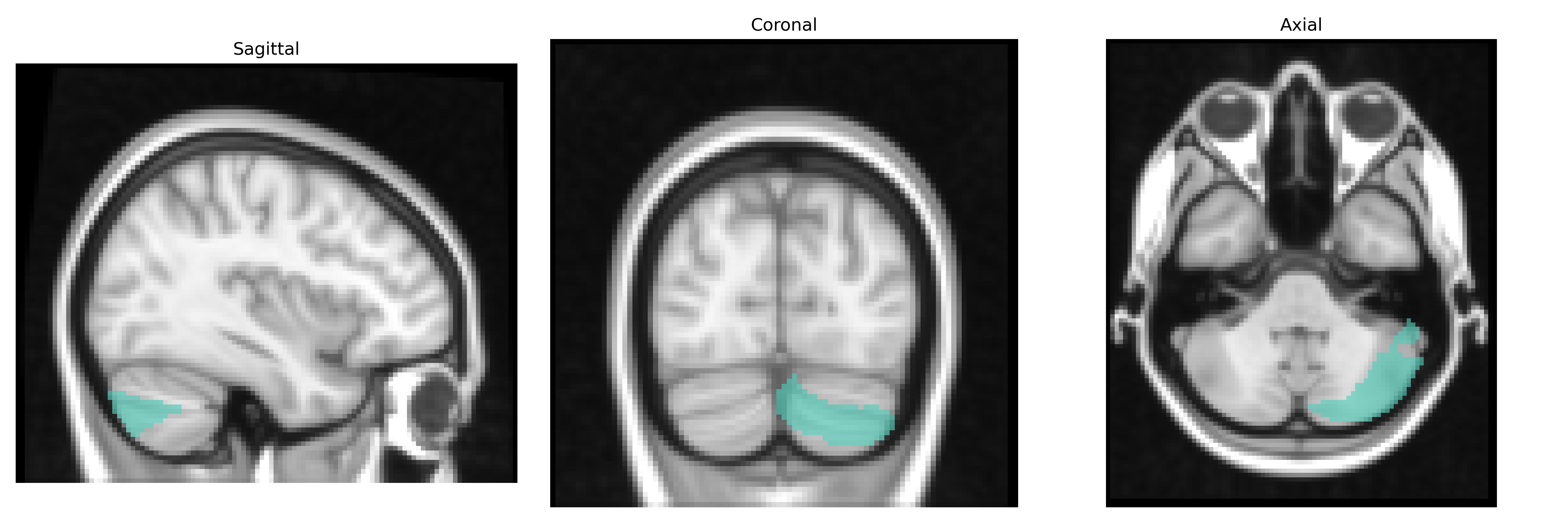
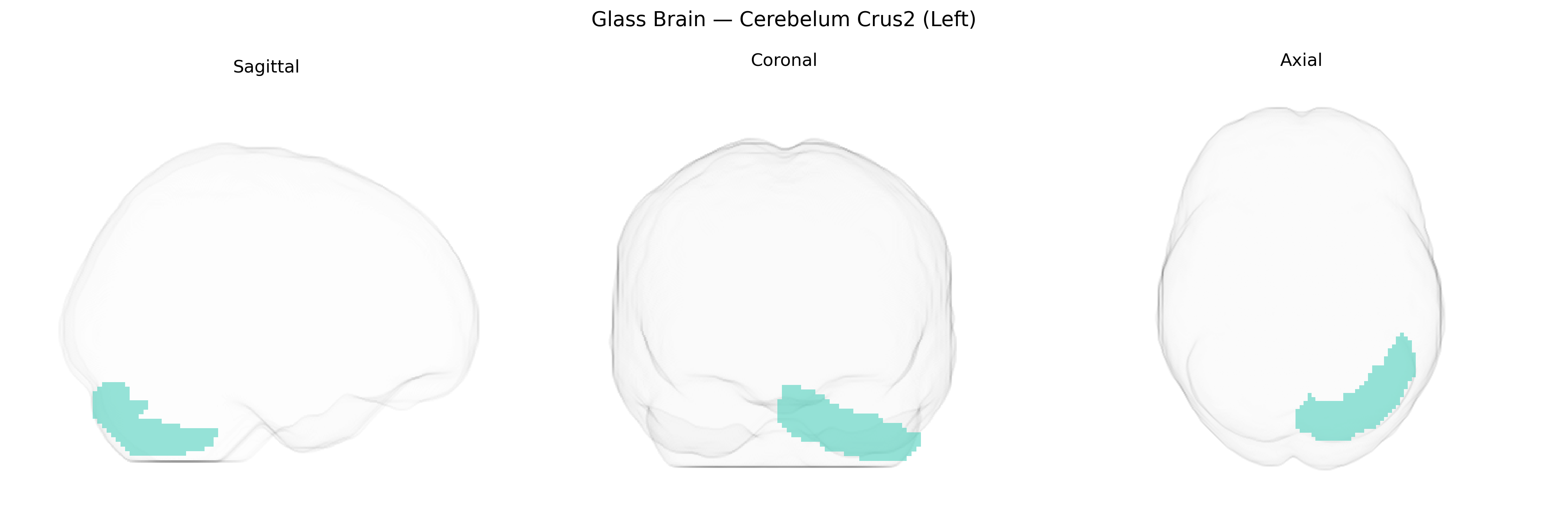
The left Cerebellum Crus II (AAL2: Cerebelum Crus2 (Left)) is a lateral cerebellar subregion located within the posterior lobe of the cerebellum, forming part of the cerebellar hemispheres beneath the occipital cortex. Crus II is primarily associated with higher-order cognitive and affective functions rather than pure motor control, participating in cerebro-cerebellar loops that connect to prefrontal and parietal association cortices. Functional imaging studies implicate Crus II in working memory, language processing, executive control, and aspects of social cognition, reflecting its role in modulating cortical information processing and error prediction. As an integral component of the cortico-cerebellar network, left Crus II contributes to the fine-tuning of both cognitive and motor behaviors through its dense feedforward and feedback connections with the cerebrum and brainstem. There is no direct link; a related structure is the cerebellum: Cerebellum.
The left Cerebellum Crus II is a higher-order cerebellar region implicated in cognition, language, and affect, and genetic associations identified in large imaging-genetics and GWAS studies often emerge from analyses of cerebellar volume and functional connectivity rather than this AAL2 parcel specifically. Common variants in genes involved in neurodevelopment and synaptic signaling—such as BDNF, FOXP2, and CACNA1C—have been linked to cerebellar structure and connectivity, with several studies reporting that alleles conferring risk for schizophrenia, bipolar disorder, and major depression show effects in posterior cerebellar territories overlapping Crus II. Polygenic risk scores for autism spectrum disorder and attention-deficit/hyperactivity disorder have also been associated with altered cerebellar morphology and functional coupling of Crus I/II with cortical default-mode and frontoparietal networks. Large-scale GWAS of regional brain volumes (e.g., ENIGMA and UK Biobank cohorts) have identified multiple loci (including variants near KIAA0586, DLG2, and TOMM40/APOE) influencing total and lobular cerebellar volume, with some evidence that posterior cerebellar regions like Crus II show stronger genetic correlation with cognitive performance and educational attainment than anterior motor lobules. Additionally, genes involved in axonal guidance and synaptic plasticity (e.g., ROBO1/ROBO2, GRM5) have been linked to cerebellar-cortical connectivity patterns encompassing Crus II, supporting a role for this region as a genetically modulated hub for executive and language-related circuits, although precise GWAS hits mapped specifically to the AAL2 “Cerebelum_Crus2_L” parcel remain limited.
Overview generated by GPT-4o (2026).
Region ID: 9011
Hemisphere: left
Atlas: AAL2
Full Quality Version: Download MP4
Full Quality Version: Download MP4
Full Quality Version: Download MP4
Full Quality Version: Download MP4
Wali Sidiqyar*, Gaurav Rudravaram*, Elyssa M. McMaster, Trent M. Schwartz, Adam M. Saunders, Kurt G. Schilling, Bennett A. Landman "Introducing SPINS: A Shared Public Visualization Library of Neuroanatomical Structures." Medical Imaging with Deep Learning- short paper
This resource is licensed under CC0 1.0 Universal (Public Domain).