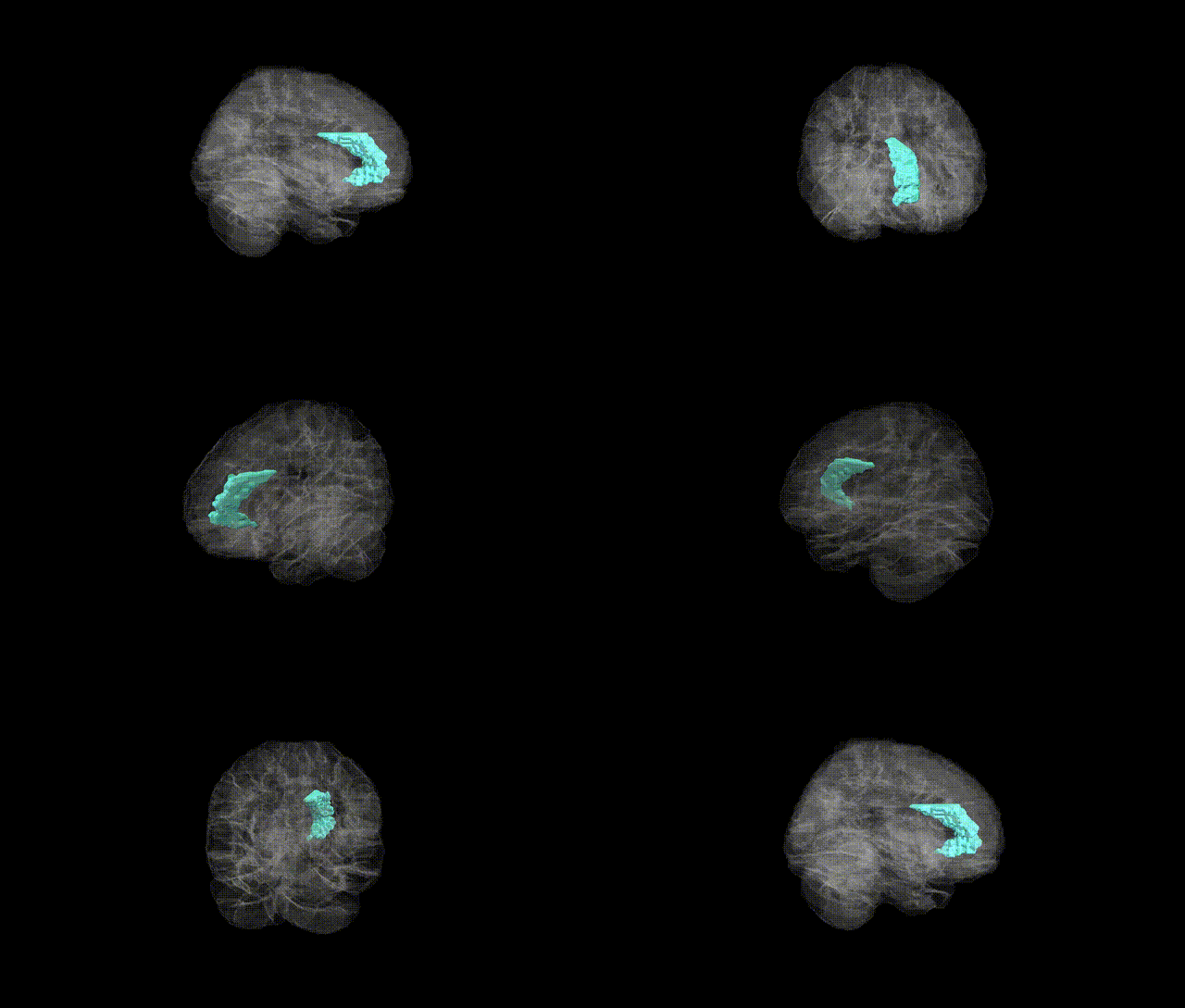
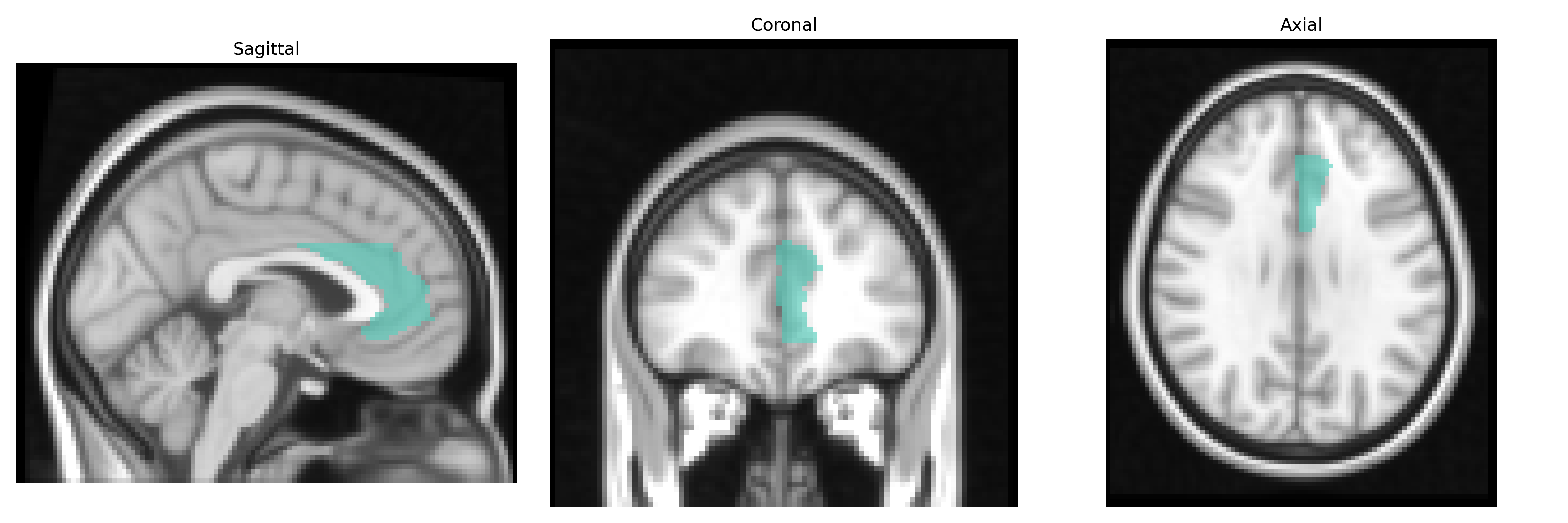
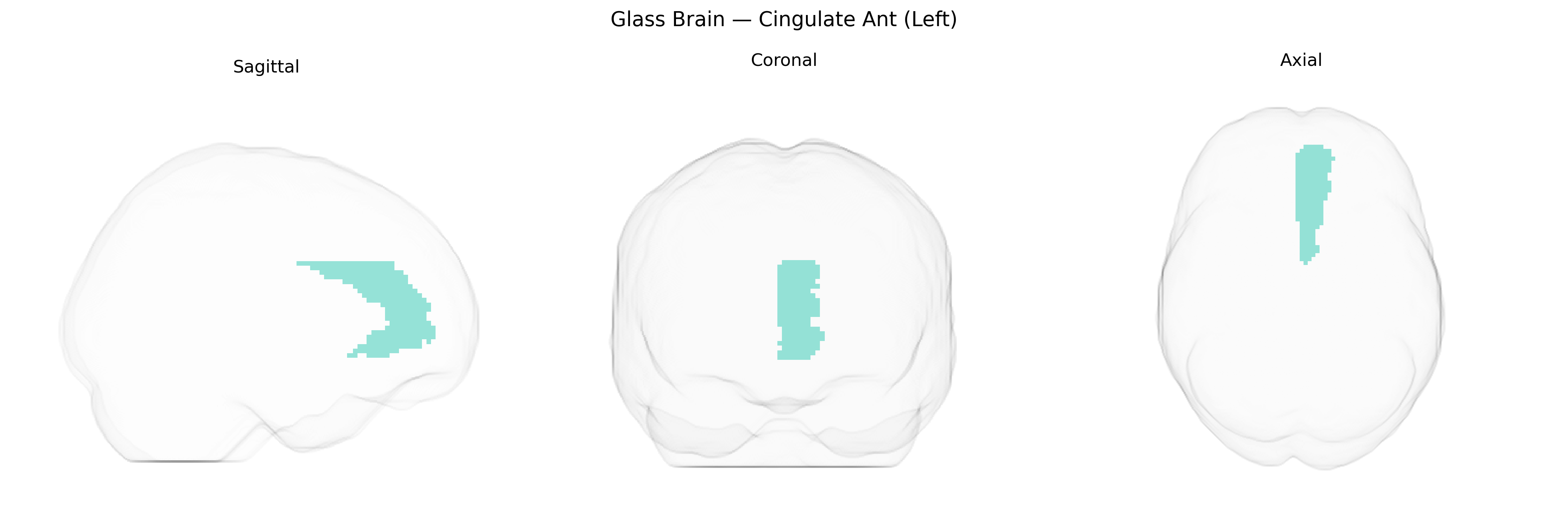
The left anterior cingulate (Left Cingulate Ant) region in the AAL2 atlas corresponds to the anterior portion of the cingulate cortex situated on the medial surface of the frontal lobes, arching around the corpus callosum. This area is a key component of the limbic system and fronto-parietal control networks, with dense connections to prefrontal cortex, premotor areas, insula, and subcortical structures such as the amygdala and basal ganglia. Functionally, it is implicated in cognitive control, conflict monitoring, decision making, motivation, and regulation of autonomic and emotional responses, including pain perception and affective processing. Cytoarchitectonically, it overlaps mainly with Brodmann areas 24 and 32, and exhibits a transition from limbic to association cortex along its rostro-caudal axis. There is no direct Wikipedia article for “Left Cingulate Ant”; a closely related structure is the anterior cingulate cortex: Anterior cingulate cortex.
The left anterior cingulate cortex (ACC), corresponding to the “Cingulate Ant (Left)” region in the AAL2 atlas, shows substantial heritability in imaging genetics studies, with twin and SNP-based estimates suggesting moderate to high genetic influence on its volume, thickness, and functional activity. GWAS of cortical structure (e.g., ENIGMA and UK Biobank consortia) have identified multiple loci associated with ACC morphology, including variants near or within genes related to neurodevelopment, synaptic signaling, and myelination (such as MIR124-3, PARD3B, and genes in glutamatergic and GABAergic pathways), although single loci often have small effects and are not uniquely specific to the ACC. Polygenic risk scores for schizophrenia, major depressive disorder, bipolar disorder, and ADHD show associations with ACC structural or functional alterations, consistent with the region’s role in cognitive control, emotion regulation, and error monitoring. Genetic variation in serotonin- and dopamine-related genes (e.g., SLC6A4, COMT, DRD2) has been linked to ACC activation during tasks involving conflict monitoring and affective processing in candidate-gene and imaging-genetics studies. ACC abnormalities influenced by genetic risk have been reported across several conditions, including schizophrenia, major depression, anxiety disorders, obsessive–compulsive disorder, substance use disorders, and chronic pain, with converging evidence that polygenic liability for these disorders is reflected in altered ACC structure, connectivity, and task-evoked activity.
Overview generated by GPT-4o (2026).
Region ID: 4001
Hemisphere: left
Atlas: AAL2
Full Quality Version: Download MP4
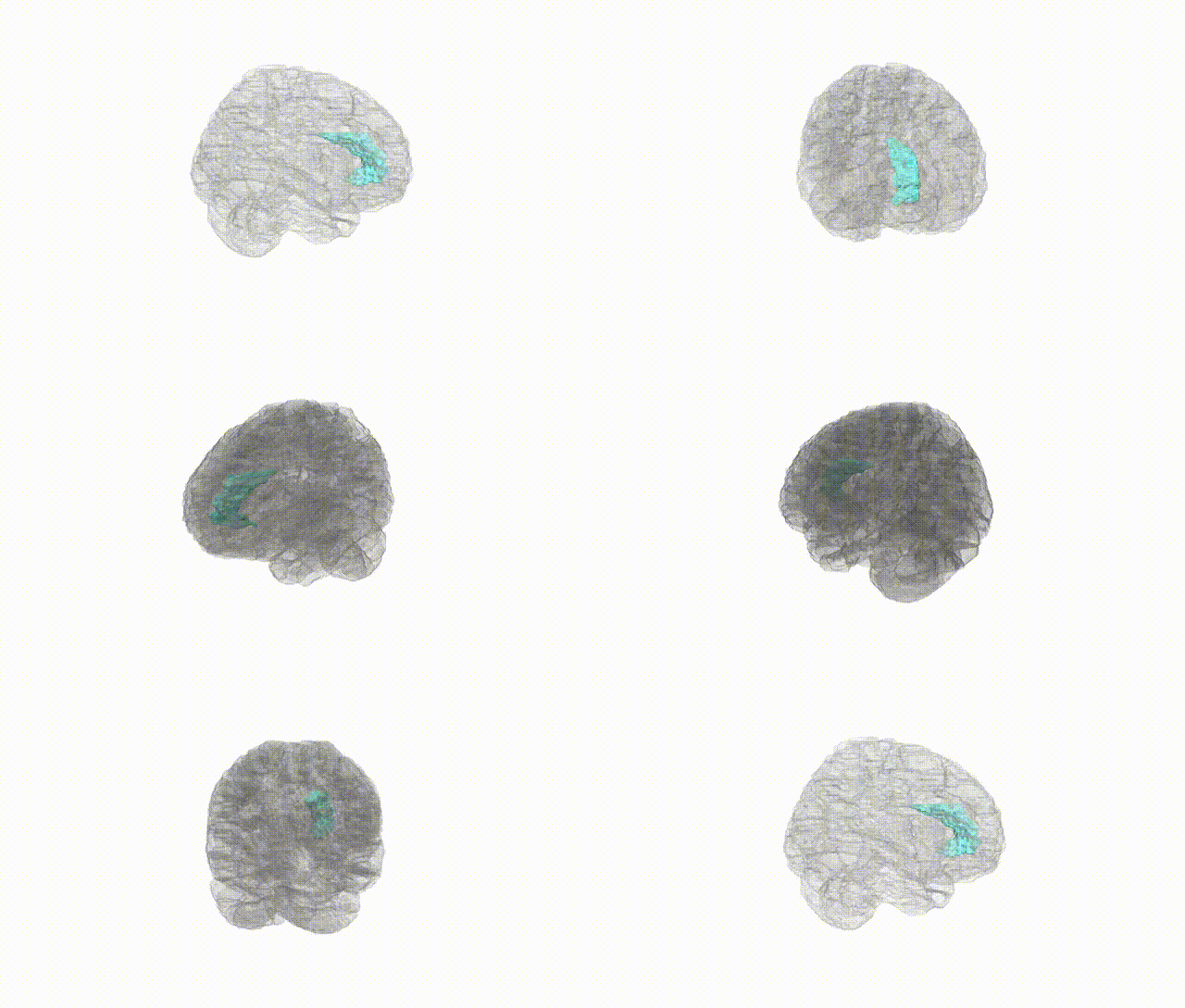
Full Quality Version: Download MP4
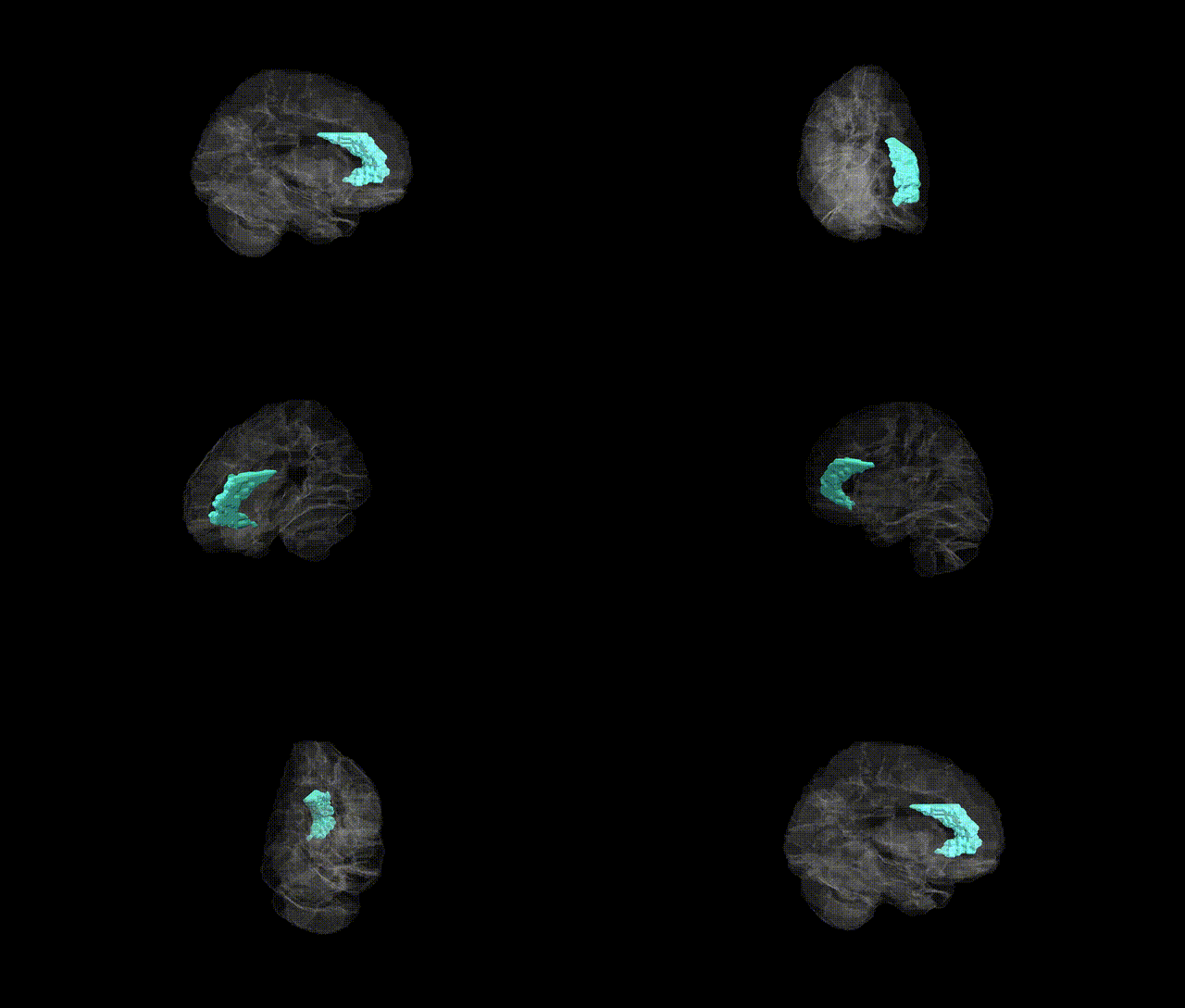
Full Quality Version: Download MP4
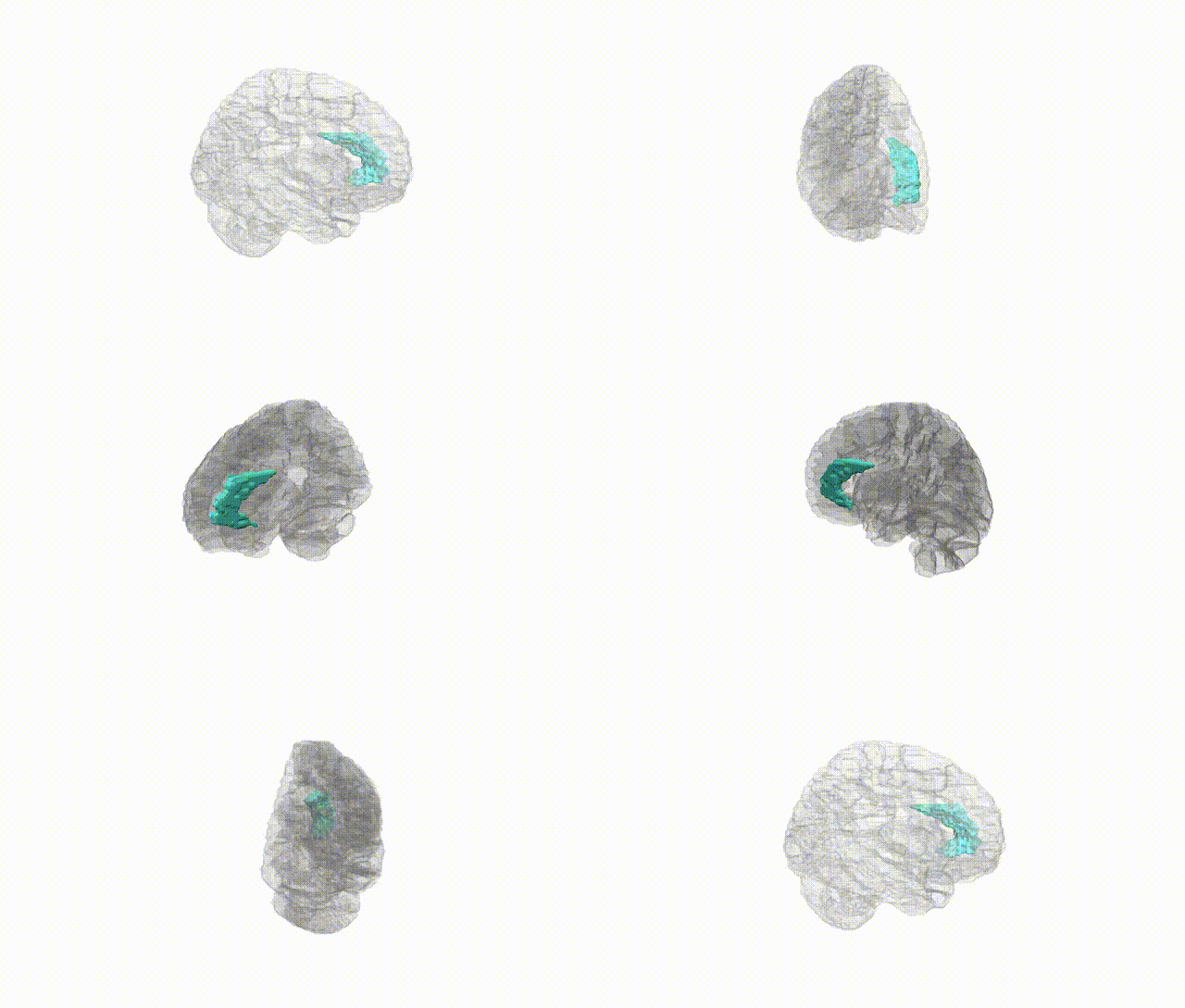
Full Quality Version: Download MP4
Wali Sidiqyar*, Gaurav Rudravaram*, Elyssa M. McMaster, Trent M. Schwartz, Adam M. Saunders, Kurt G. Schilling, Bennett A. Landman "Introducing SPINS: A Shared Public Visualization Library of Neuroanatomical Structures." Medical Imaging with Deep Learning- short paper
This resource is licensed under CC0 1.0 Universal (Public Domain).