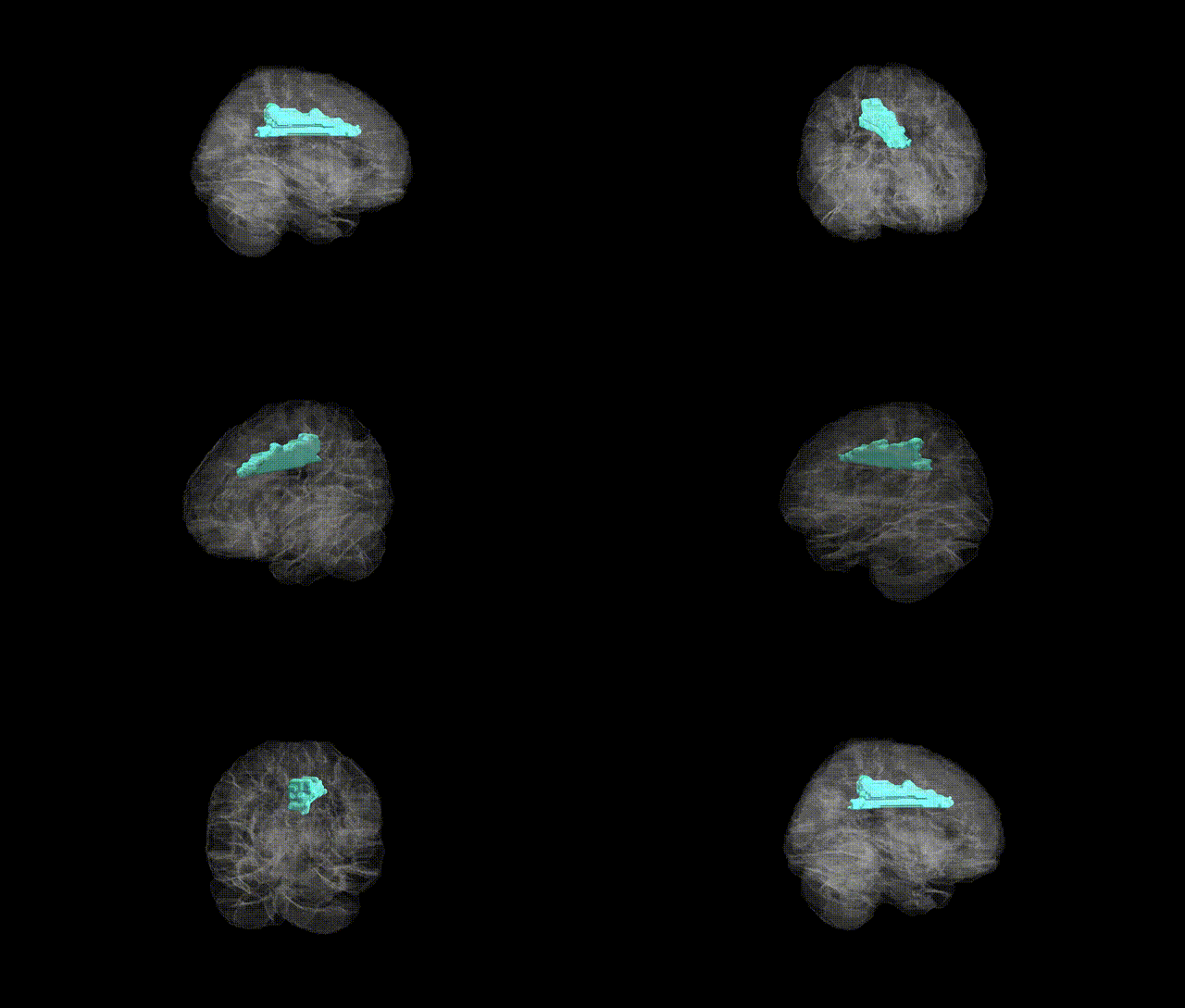
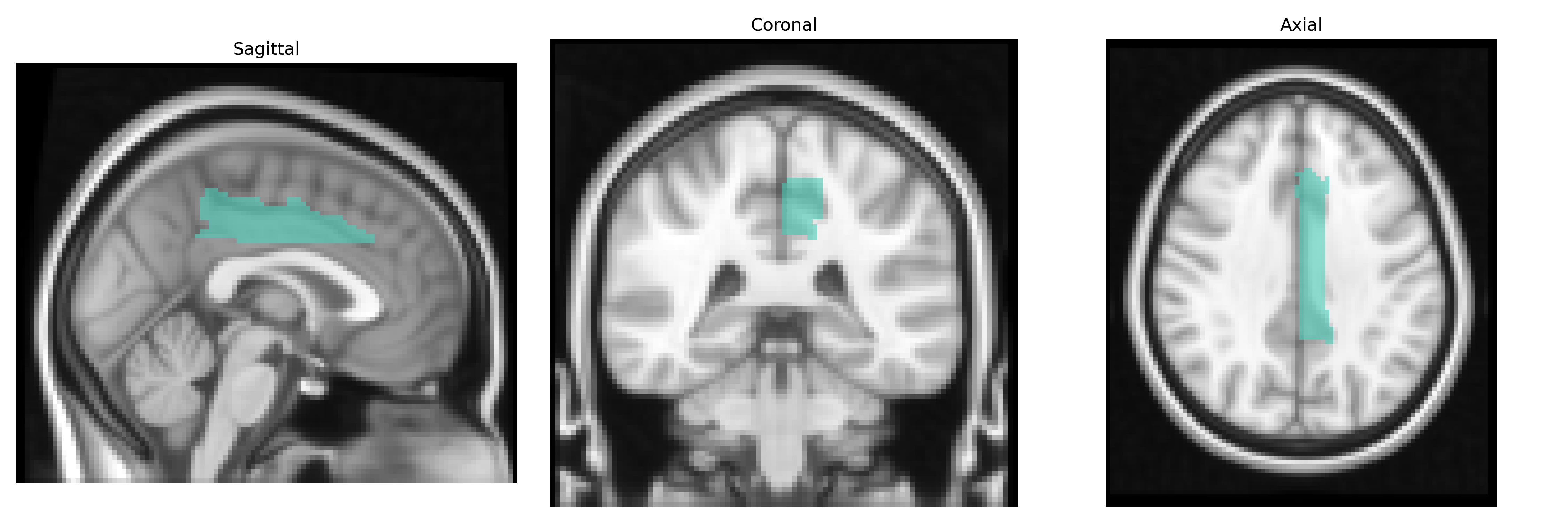
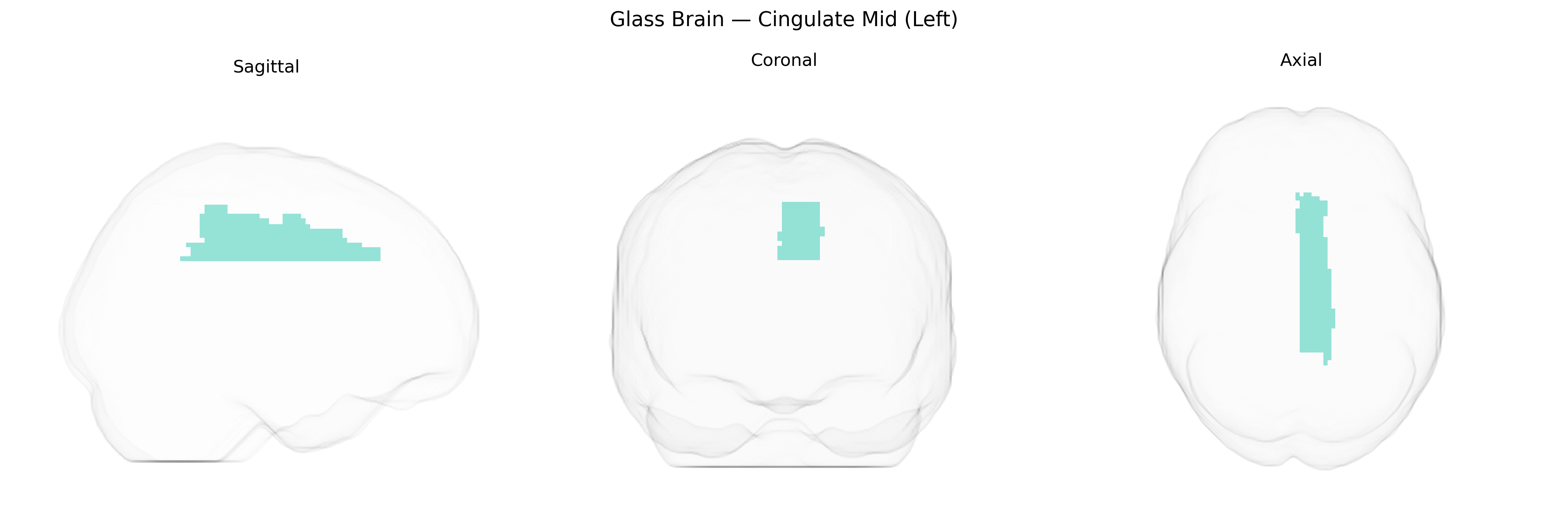
The left Cingulate Mid (Left) region in the AAL2 atlas corresponds to the mid-cingulate portion of the cingulate gyrus, situated on the medial aspect of the cerebral hemisphere above the corpus callosum. Cytoarchitectonically, it lies between the anterior and posterior cingulate cortices and is often associated with Brodmann areas 24 and 32. Functionally, the mid-cingulate cortex is implicated in cognitive control, conflict monitoring, response selection, and the integration of motor and affective information, particularly in tasks requiring effortful behavior, pain processing, and decision-making under uncertainty. It forms part of the cingulo-opercular and salience-related networks, with extensive connections to prefrontal, premotor, and parietal regions, supporting its role in goal-directed actions and adaptive behavioral regulation. There is no direct Wikipedia article for this specific subregion; a related structure is the Cingulate gyrus.
The left mid cingulate cortex (AAL2 “Cingulate_Mid_L”) has been implicated in several imaging‑genetics and GWAS-based endophenotype studies, largely through its roles in cognitive control, emotion regulation, pain processing, and default mode/salience network integration. Structural and functional variation in cingulate mid regions has been associated with common psychiatric disorders—particularly major depressive disorder, schizophrenia, bipolar disorder, and anxiety—where risk variants in genes involved in synaptic signaling and neurodevelopment (e.g., CACNA1C, GRM3, DRD2, and complement pathway genes such as C4) have been linked to altered cingulate volume, cortical thickness, or activation. Large-scale GWAS of brain morphology (e.g., ENIGMA and UK Biobank-based studies) have identified loci influencing cingulate cortical thickness and surface area, including variants in or near genes such as KIAA0586, TENM4, HMGA2, and multiple intergenic regions, some overlapping with genetic signals for educational attainment, cognitive performance, and neuroticism. Mid cingulate activation and connectivity show genetic correlations with pain sensitivity and chronic pain syndromes, with variants in opioid system genes (e.g., OPRM1) and inflammatory pathways linked to cingulate-related pain responses. Polygenic risk scores for ADHD and autism spectrum disorder have also been associated with cingulate mid functional changes, consistent with this region’s role in attention and social cognition, though specific left-lateralized effects are less well characterized and most findings concern bilateral or midline cingulate measures.
Overview generated by GPT-4o (2026).
Region ID: 4011
Hemisphere: left
Atlas: AAL2
Full Quality Version: Download MP4
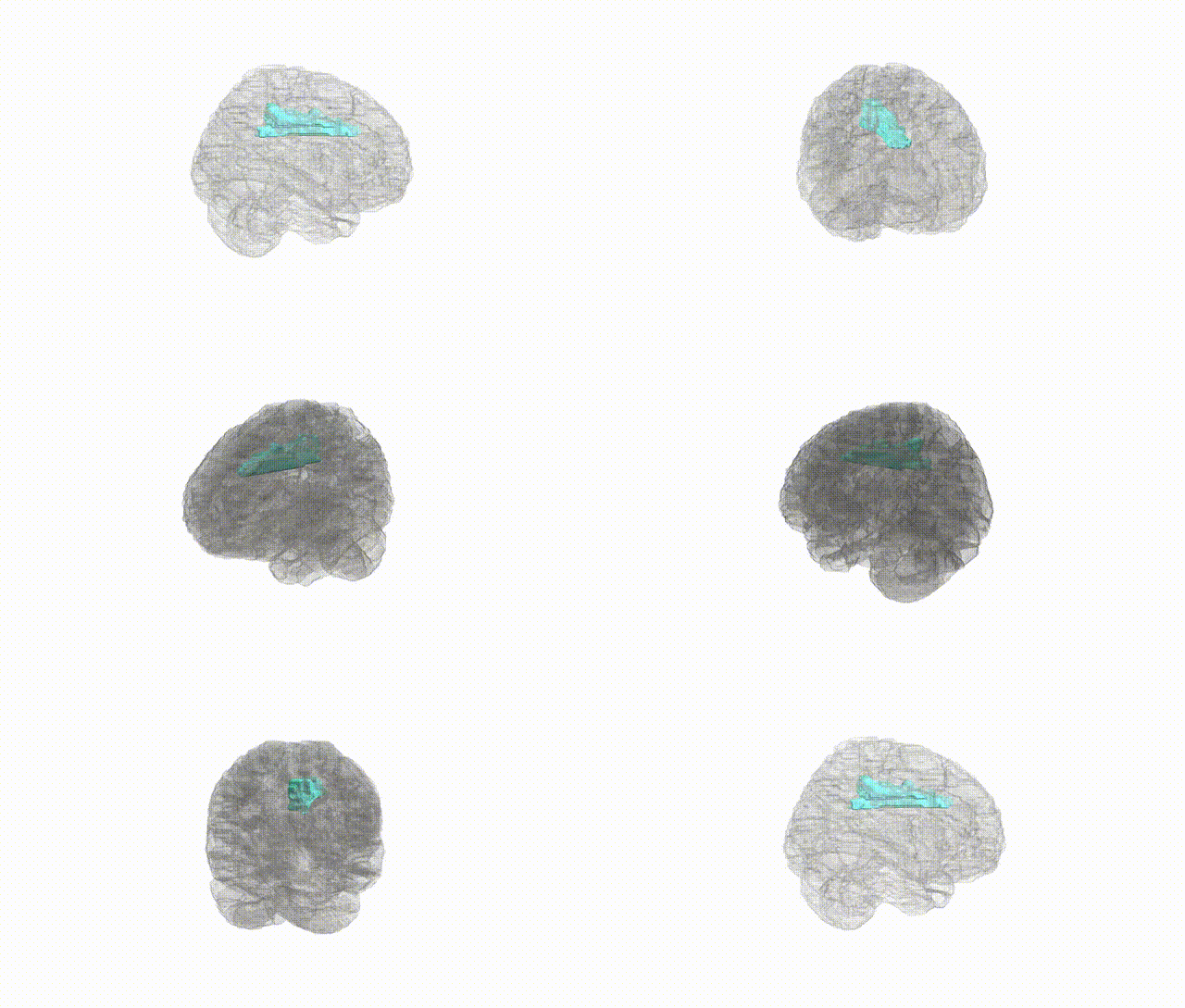
Full Quality Version: Download MP4
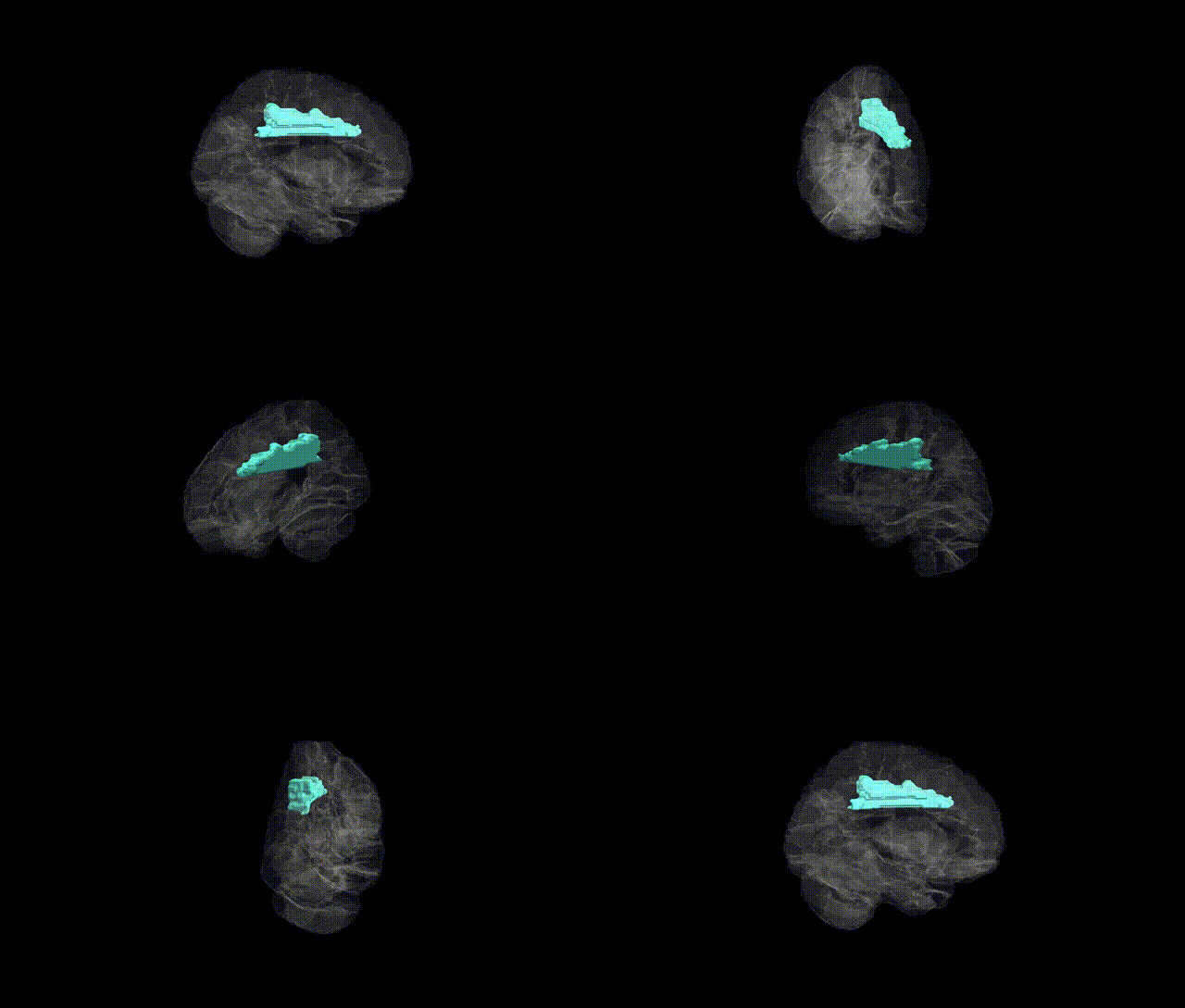
Full Quality Version: Download MP4
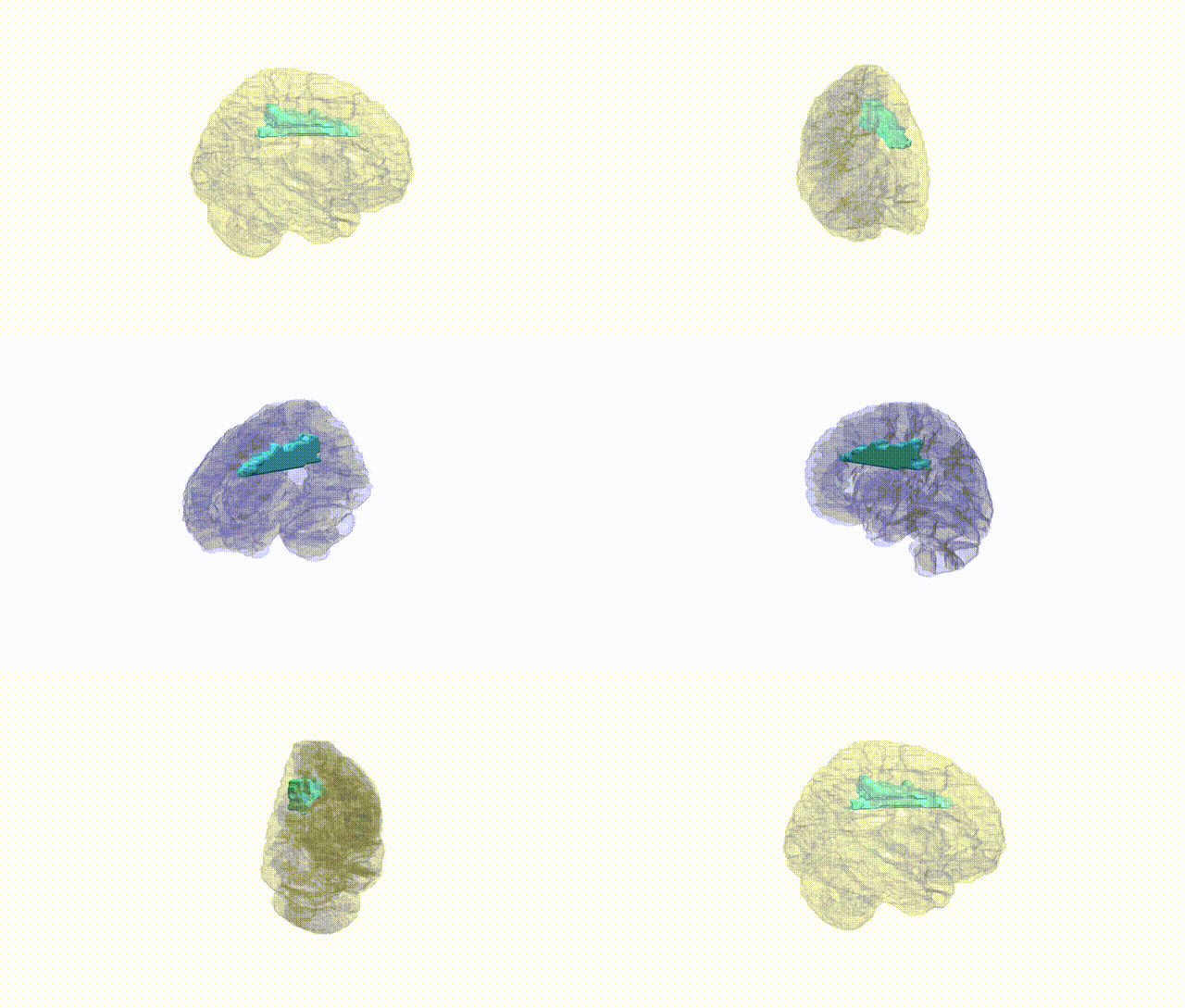
Full Quality Version: Download MP4
Wali Sidiqyar*, Gaurav Rudravaram*, Elyssa M. McMaster, Trent M. Schwartz, Adam M. Saunders, Kurt G. Schilling, Bennett A. Landman "Introducing SPINS: A Shared Public Visualization Library of Neuroanatomical Structures." Medical Imaging with Deep Learning- short paper
This resource is licensed under CC0 1.0 Universal (Public Domain).