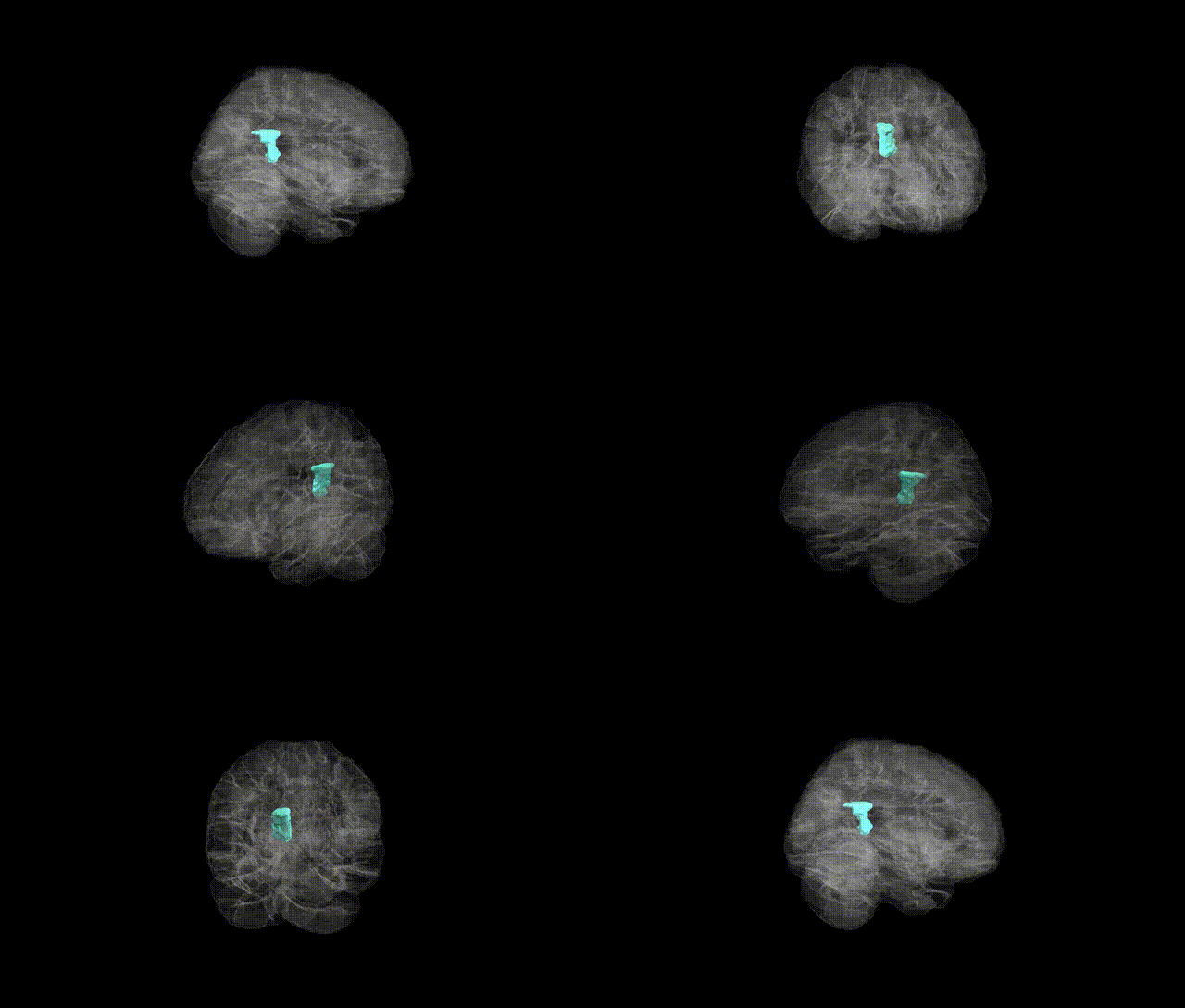
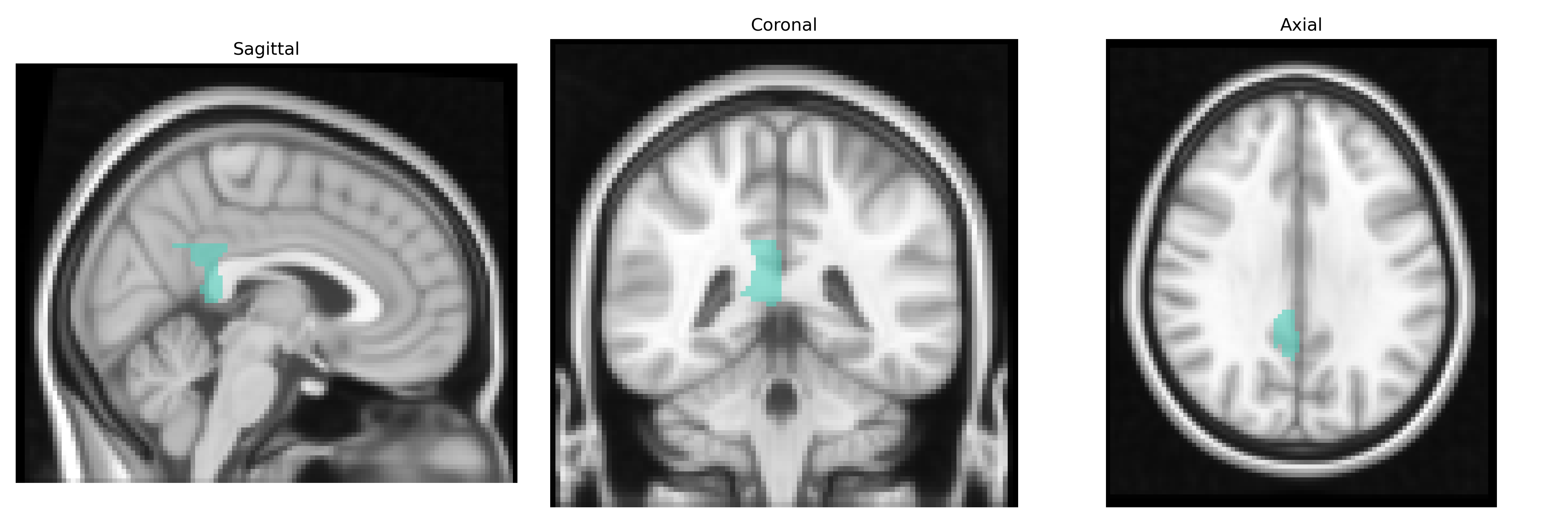
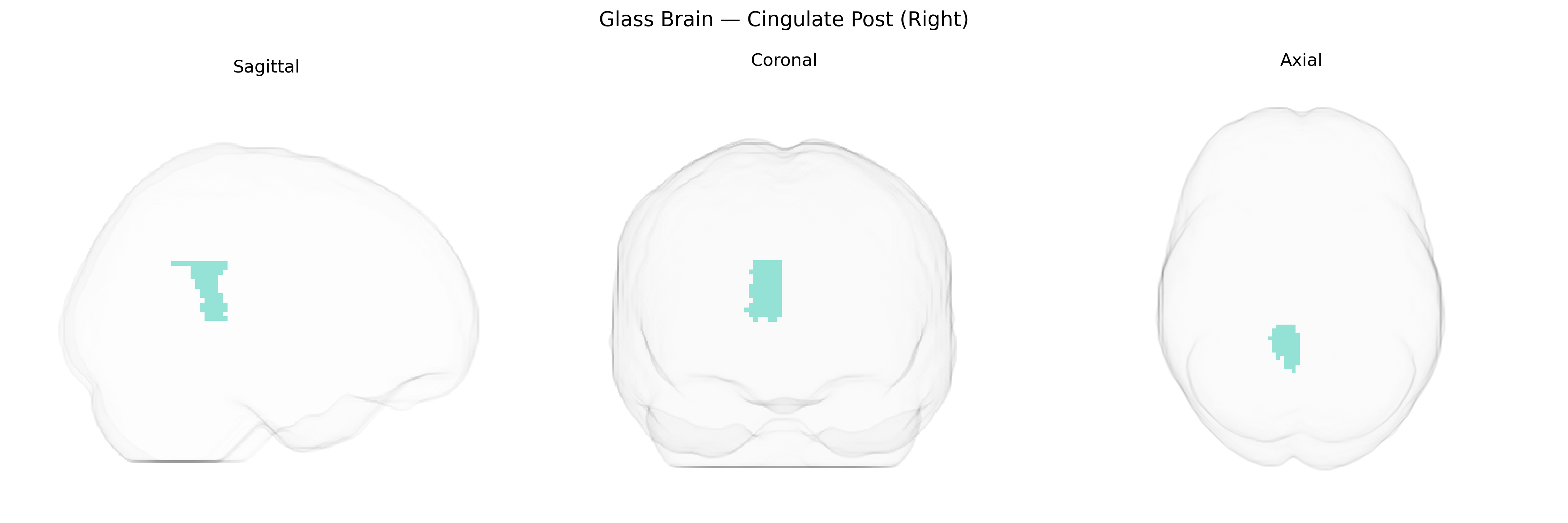
The right posterior cingulate cortex (Right Cingulate Post) is a medial cortical region located in the posterior part of the cingulate gyrus, bordering the precuneus and retrosplenial cortex, and forming a key hub of the default mode network. It is involved in internally directed cognition, including autobiographical and episodic memory retrieval, self-referential processing, and spatial orientation, and shows strong resting-state metabolic activity. Cytoarchitectonically, it comprises parts of Brodmann areas 23 and 31, receiving multimodal inputs from medial parietal, medial prefrontal, and hippocampal–parahippocampal structures, and projecting to association cortices and limbic regions. Functionally, it contributes to integration of emotional and mnemonic information and is implicated in neuropsychiatric and neurodegenerative conditions, such as Alzheimer’s disease, depression, and disorders of consciousness. There is no direct link for “Right Cingulate Post”; a closely related structure is the Posterior cingulate cortex.
The right posterior cingulate cortex (Right Cingulate Post in the AAL2 atlas) has been implicated in genetic studies primarily through its role within large-scale networks rather than as an isolated region. GWAS and imaging-genetics work on cortical thickness, surface area, and functional connectivity have linked common variants in genes such as APOE (e.g., ε4), CLU, PICALM, and CR1 to structural and metabolic changes in posterior cingulate regions, especially in the context of Alzheimer’s disease risk and progression. Polygenic risk scores for Alzheimer’s disease, schizophrenia, and major depressive disorder have been associated with altered posterior cingulate volume or connectivity within the default mode network, suggesting shared genetic influences on this hub of internally directed cognition. Variants in genes involved in synaptic plasticity and glutamatergic signaling (for example BDNF and GRIN family genes) have been tied to differences in cingulate morphology and task-related activation patterns relevant to memory, emotion regulation, and self-referential processing. Imaging GWAS focused specifically on cingulate subregions often identify loci near genes governing neurodevelopment, axon guidance, and myelination, supporting a broader genetic architecture in which the right posterior cingulate serves as a convergence point for risk alleles affecting neurodegeneration, psychiatric disorders, and cognitive traits such as episodic memory and attentional control, even though few studies report associations targeting this exact AAL2-defined parcel in isolation.
Overview generated by GPT-4o (2026).
Region ID: 4022
Hemisphere: right
Atlas: AAL2
Full Quality Version: Download MP4
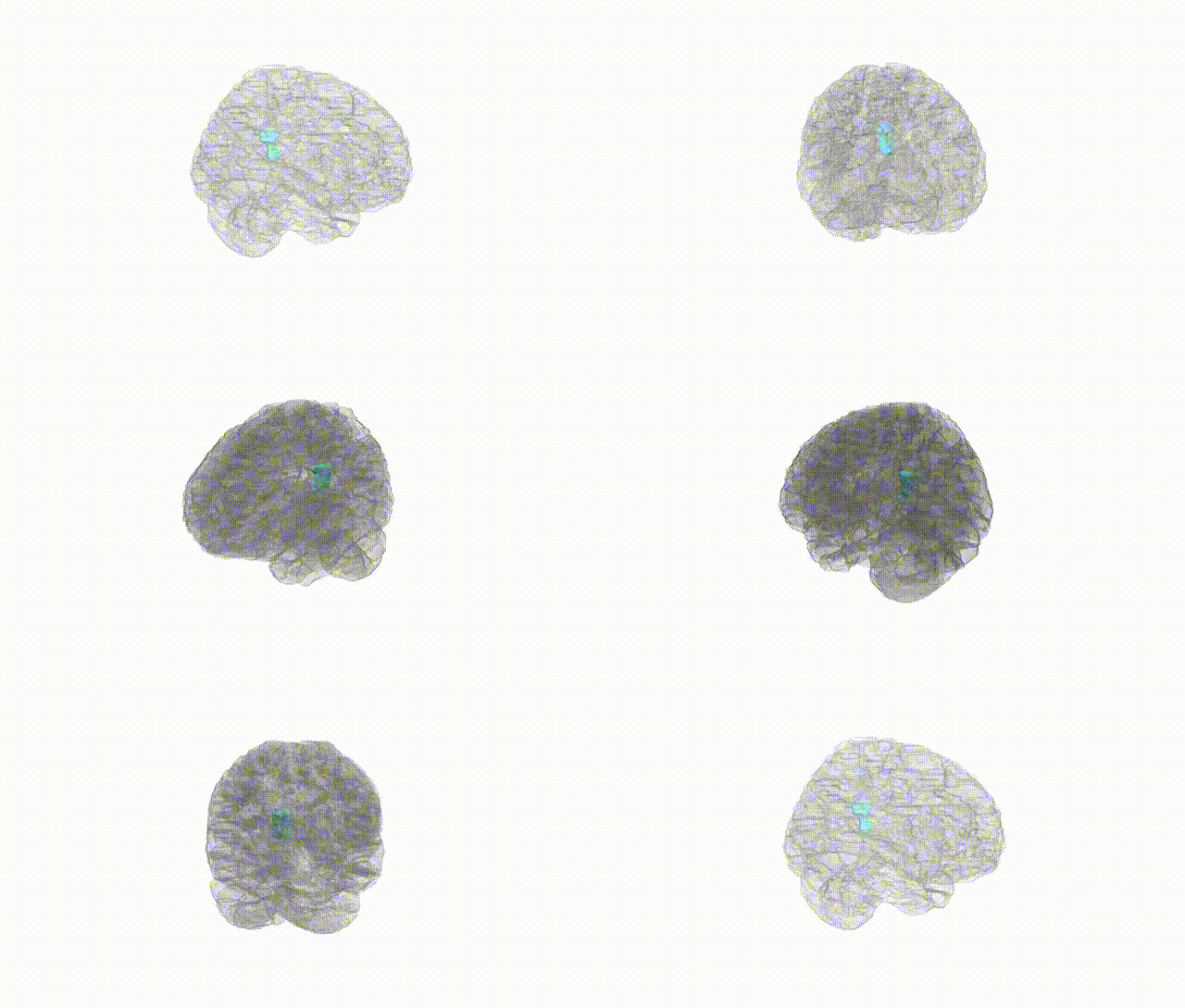
Full Quality Version: Download MP4
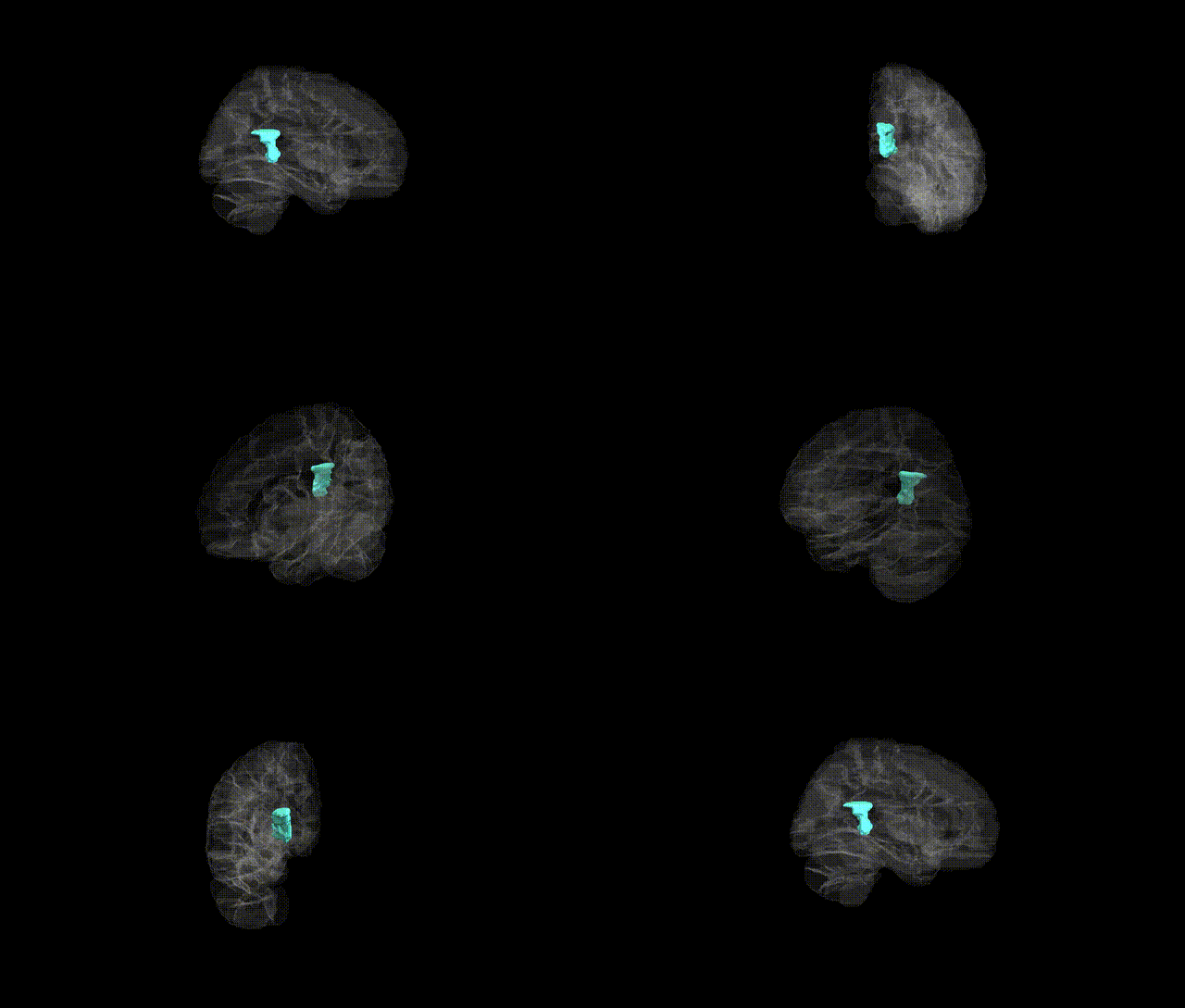
Full Quality Version: Download MP4
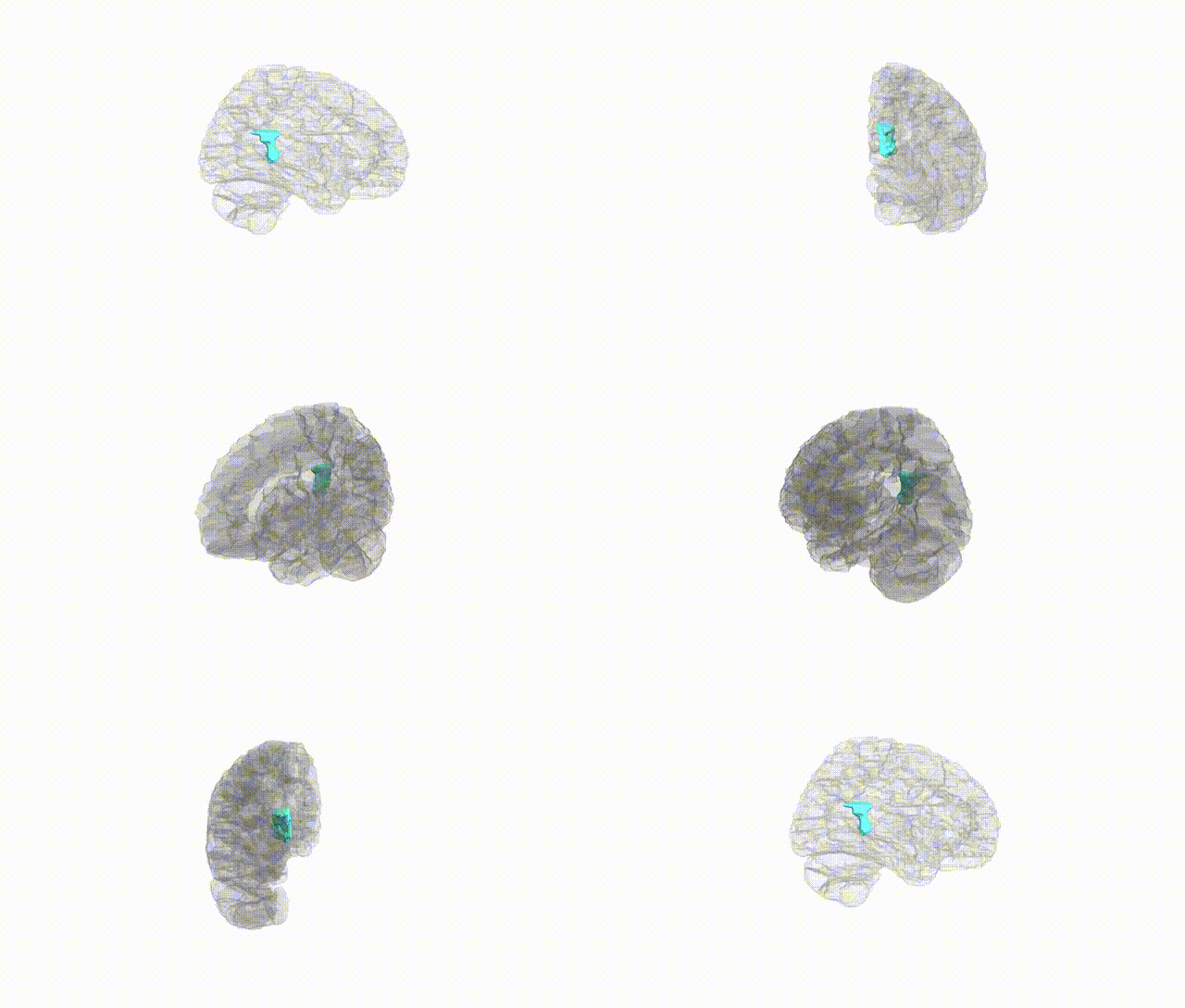
Full Quality Version: Download MP4
Wali Sidiqyar*, Gaurav Rudravaram*, Elyssa M. McMaster, Trent M. Schwartz, Adam M. Saunders, Kurt G. Schilling, Bennett A. Landman "Introducing SPINS: A Shared Public Visualization Library of Neuroanatomical Structures." Medical Imaging with Deep Learning- short paper
This resource is licensed under CC0 1.0 Universal (Public Domain).