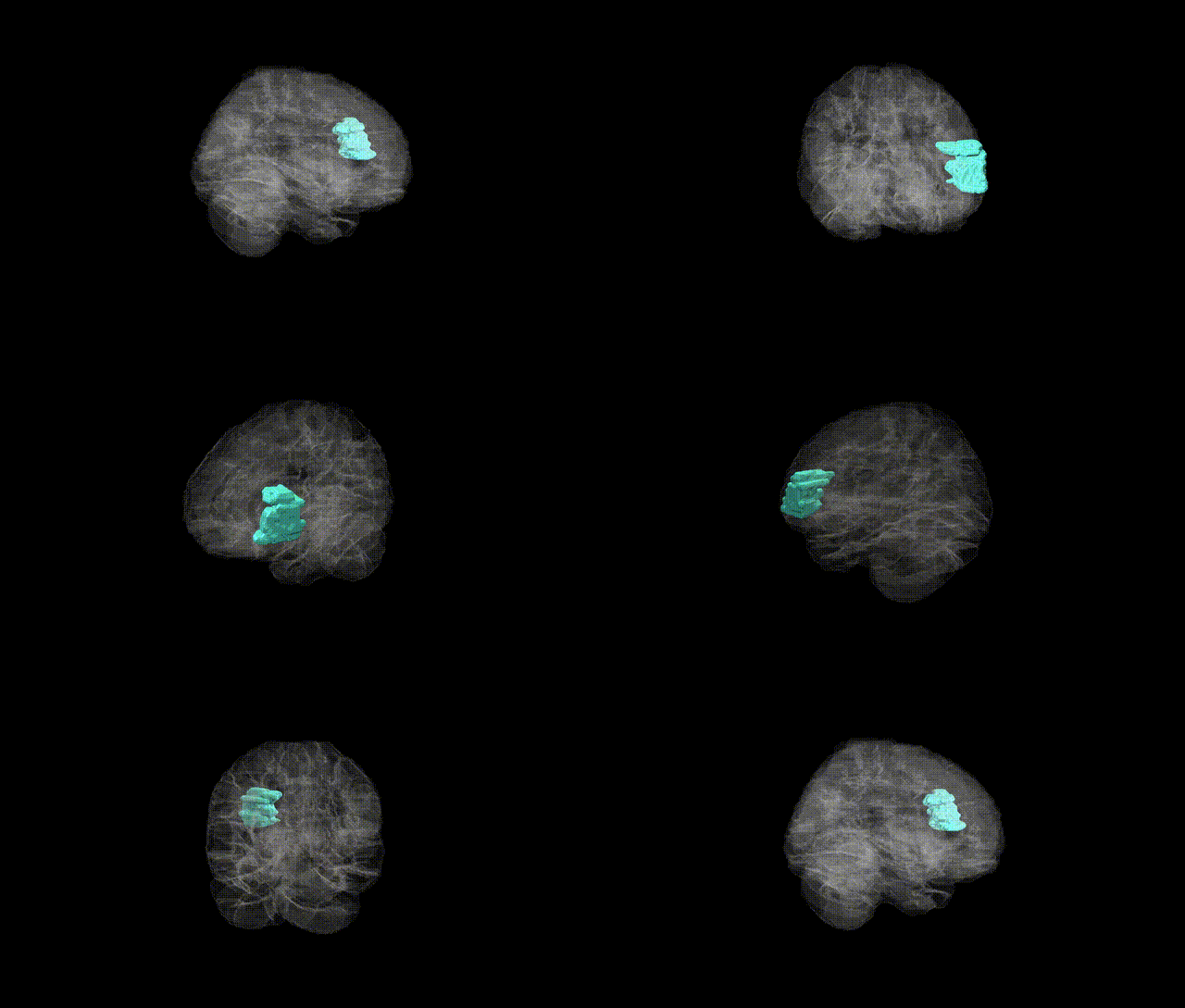
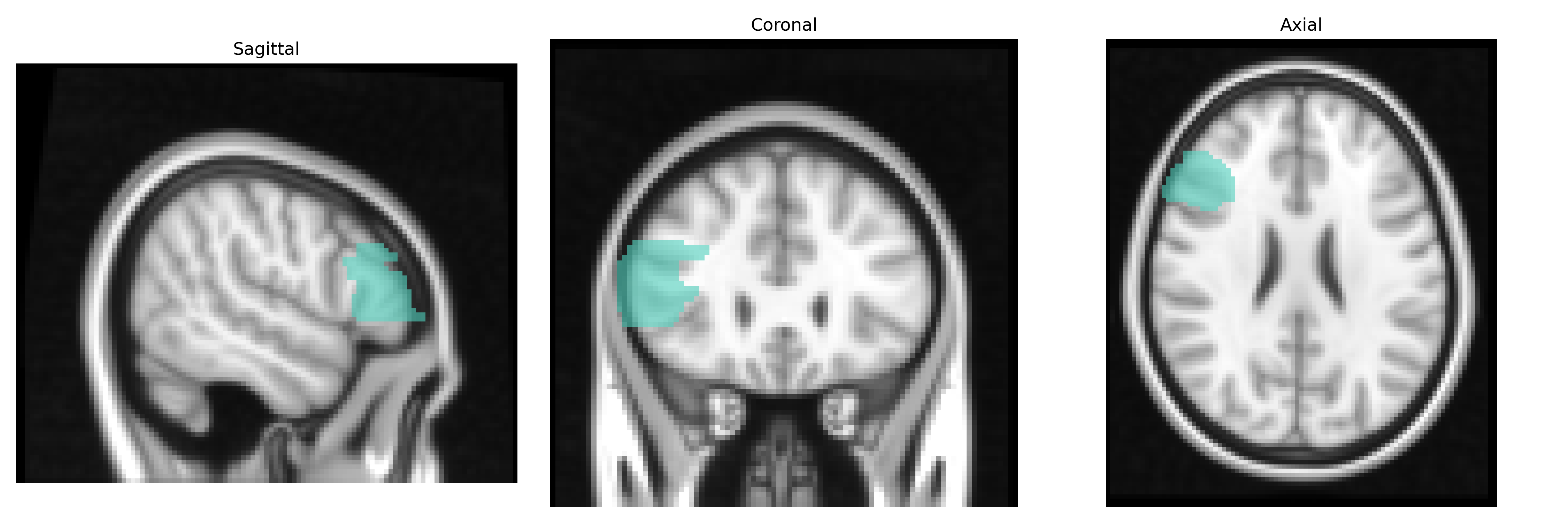
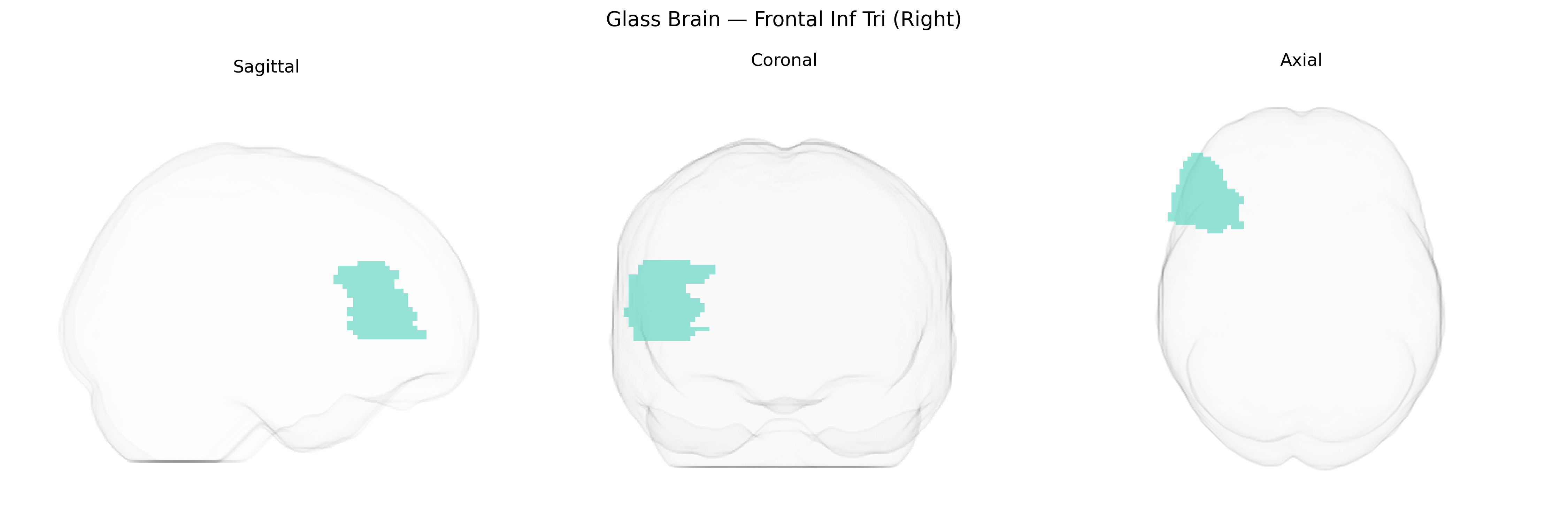
The right Frontal Inf Tri (Right) region in the AAL2 atlas corresponds to the right inferior frontal gyrus, triangular part, a subdivision of the inferior frontal cortex within the frontal lobe. This area lies anterior to the precentral gyrus and inferior to the middle frontal gyrus, forming part of the ventrolateral prefrontal cortex. It is strongly implicated in language-related processes (particularly in syntactic and semantic aspects of speech in the dominant hemisphere), cognitive control, response inhibition, and aspects of social cognition and decision making. Cytoarchitectonically, it overlaps with portions of Brodmann area 45 and is interconnected with temporal and parietal association cortices, basal ganglia, and limbic structures, supporting its role in integrating multimodal information for higher-order executive and linguistic functions. There is no direct Wikipedia article for the triangular part alone; a related structure is the Inferior frontal gyrus.
The right inferior frontal gyrus (triangular part; “Frontal Inf Tri Right” in AAL2) is consistently implicated in genetic studies of cognitive control, language, and psychiatric risk, although most GWAS report effects at the level of regional volume or activation rather than this exact parcellation. Large neuroimaging GWAS (e.g., ENIGMA, UK Biobank) have associated common variants in genes involved in neural development and synaptic function—such as HMGA2, IGF1, and multiple loci near intracranial-volume and cortical-surface-area genes—with structural measures of the inferior frontal gyrus, often without strong hemispheric specificity. Polygenic risk scores for schizophrenia, bipolar disorder, and major depressive disorder have been linked to altered right inferior frontal function during response inhibition and emotional processing, while ADHD and substance-use GWAS have identified risk variants whose carriers show reduced activation or volume in this region during inhibitory-control tasks. Language-related traits and handedness, which have their own GWAS signals (e.g., variants near FOXP2, DCDC2, and microtubule-related genes), have been associated with lateralized inferior frontal structure and connectivity, with some reports of right IFG involvement in prosody and pragmatic language. Overall, genetic influences on cortical morphology, connectivity, and psychiatric/behavioral traits converge on the right inferior frontal gyrus as a key node of heritable variation in executive control, language-related processing, and vulnerability to mood and psychotic disorders, though findings are typically reported at lobar or gyral levels rather than the specific AAL2 “Frontal Inf Tri Right” label.
Overview generated by GPT-4o (2026).
Region ID: 2312
Hemisphere: right
Atlas: AAL2
Full Quality Version: Download MP4
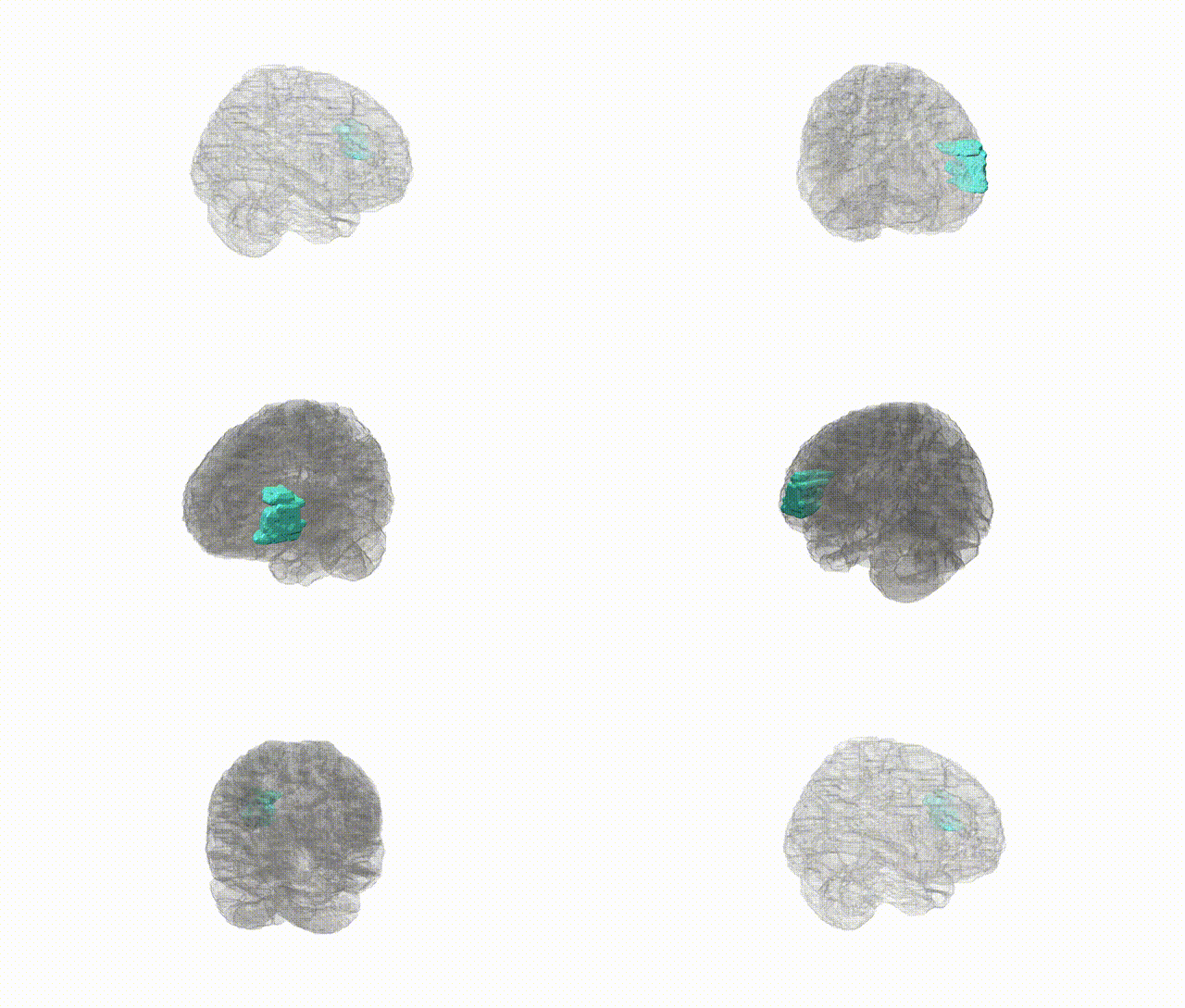
Full Quality Version: Download MP4
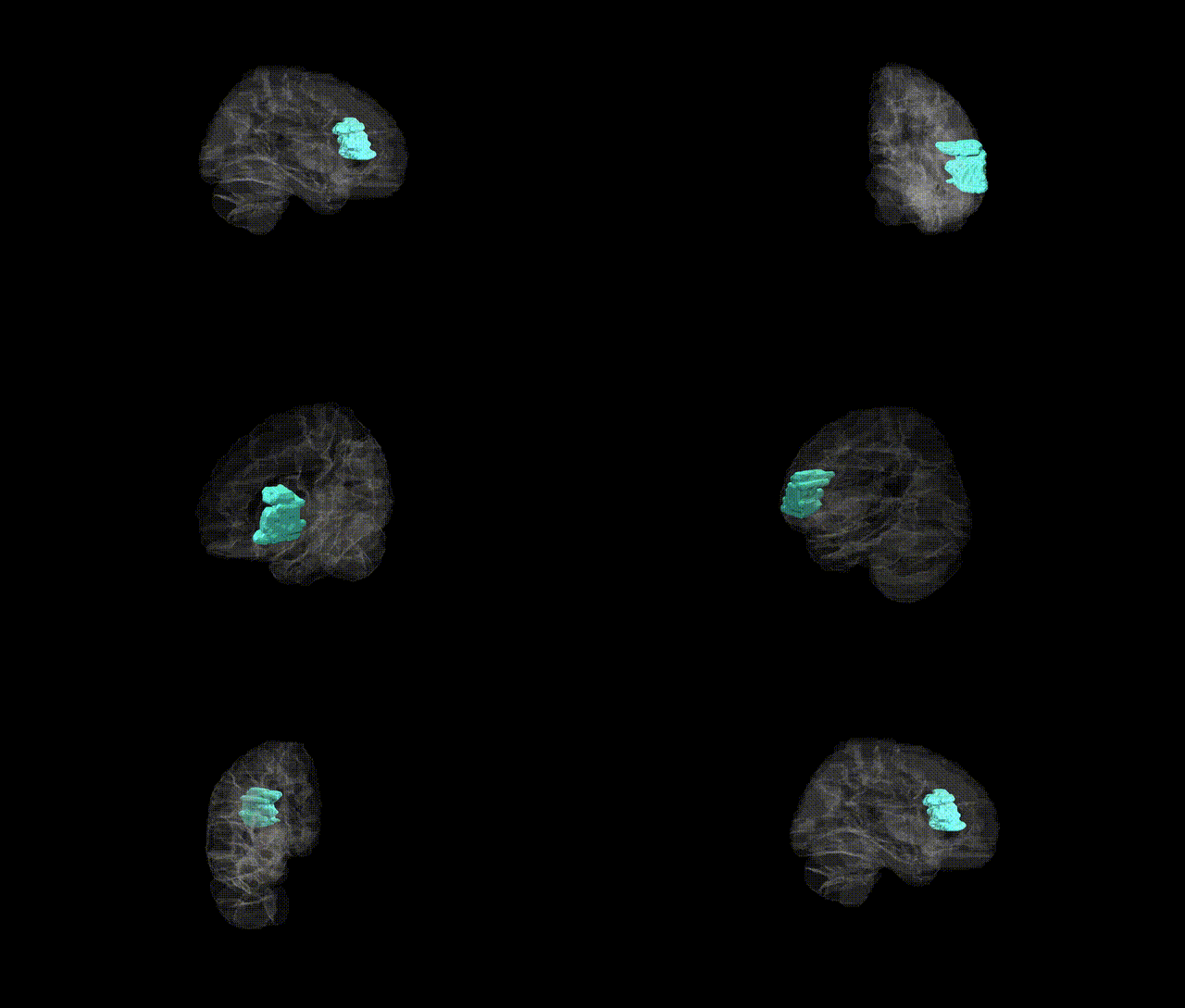
Full Quality Version: Download MP4
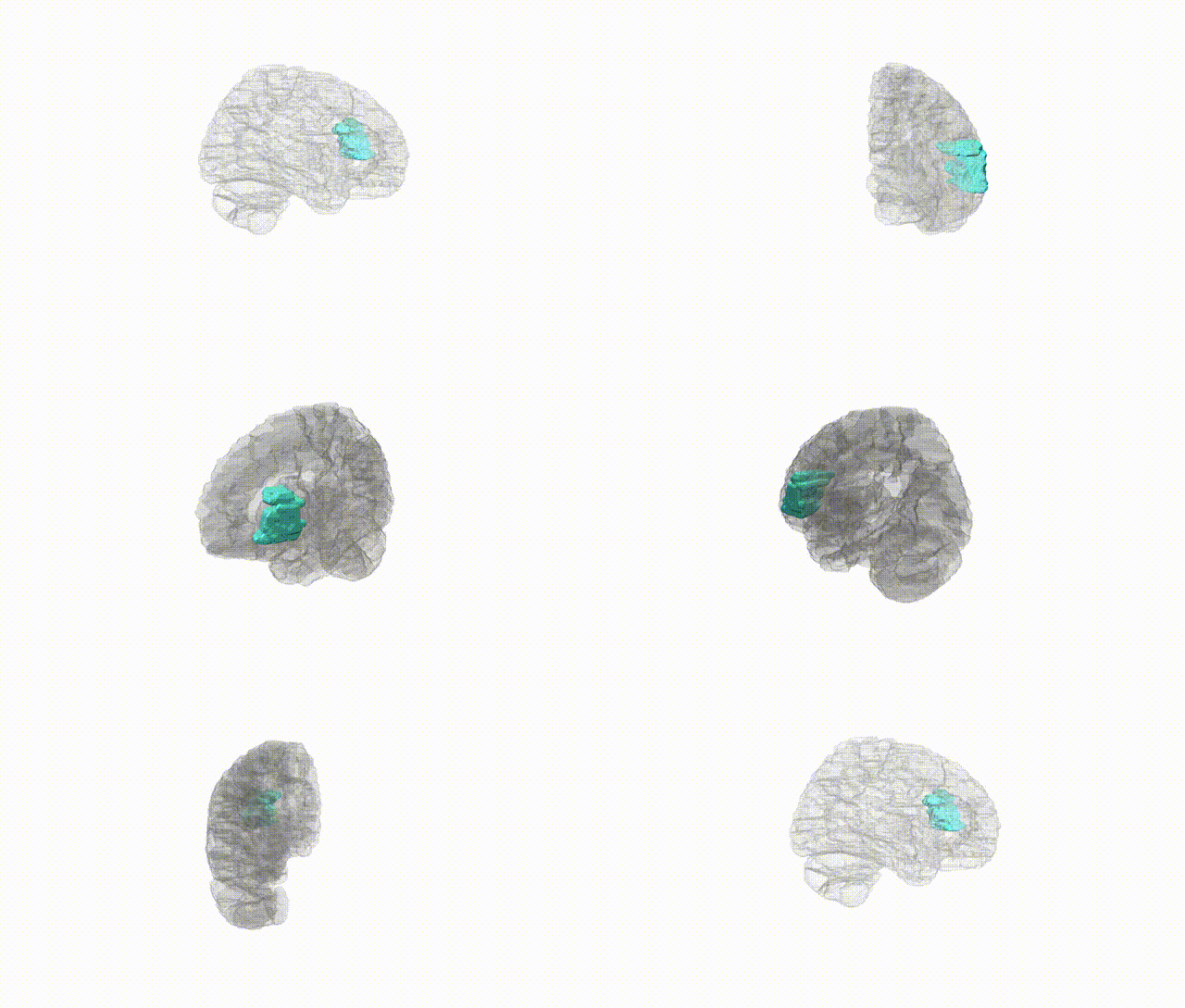
Full Quality Version: Download MP4
Wali Sidiqyar*, Gaurav Rudravaram*, Elyssa M. McMaster, Trent M. Schwartz, Adam M. Saunders, Kurt G. Schilling, Bennett A. Landman "Introducing SPINS: A Shared Public Visualization Library of Neuroanatomical Structures." Medical Imaging with Deep Learning- short paper
This resource is licensed under CC0 1.0 Universal (Public Domain).