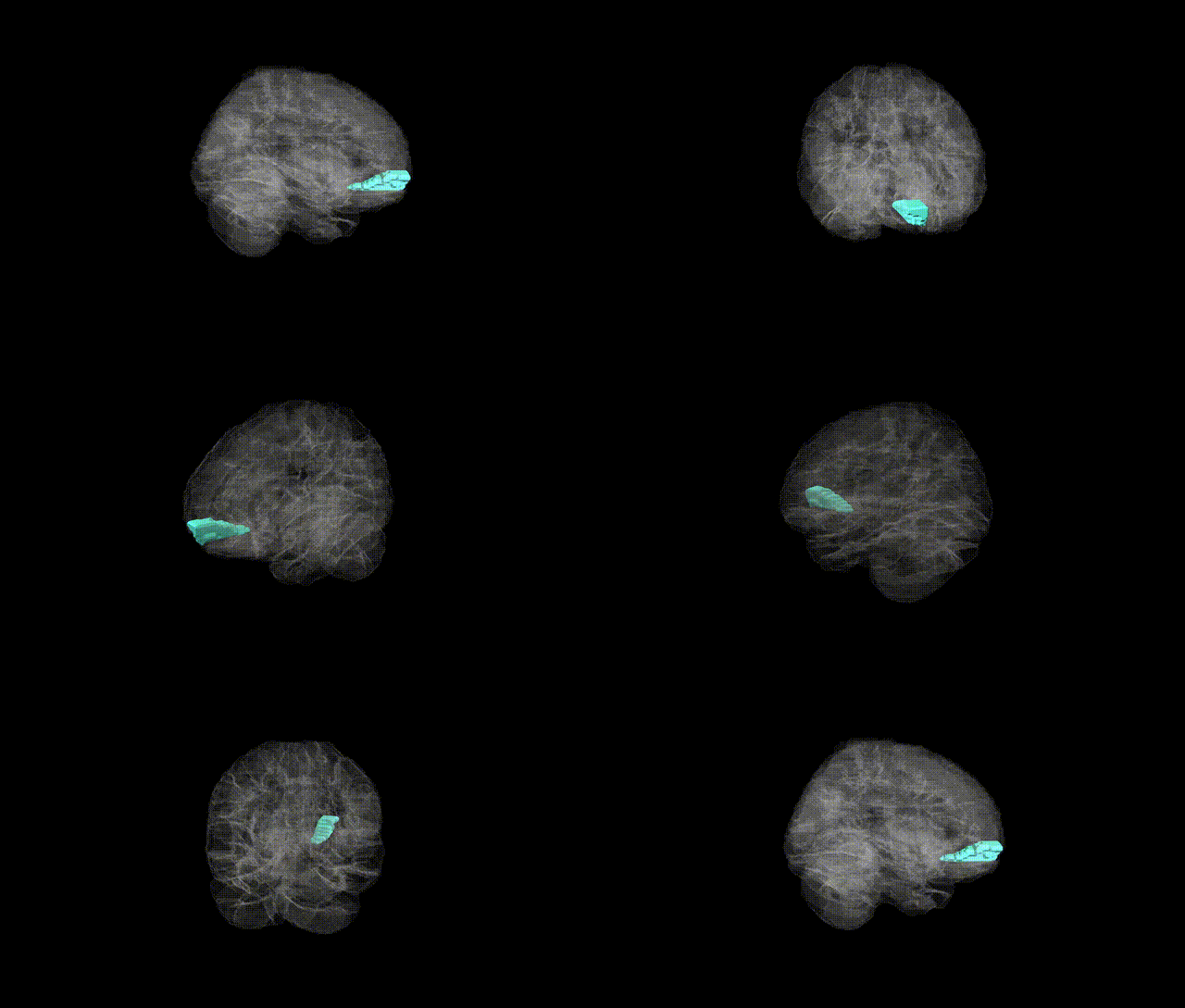
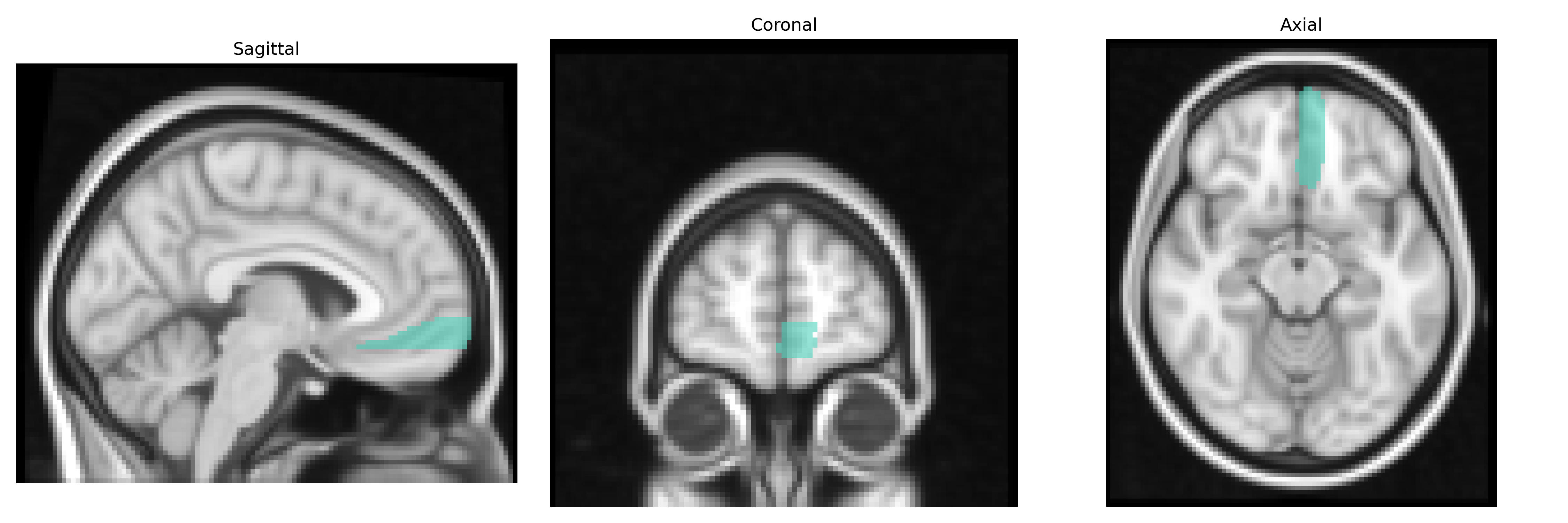
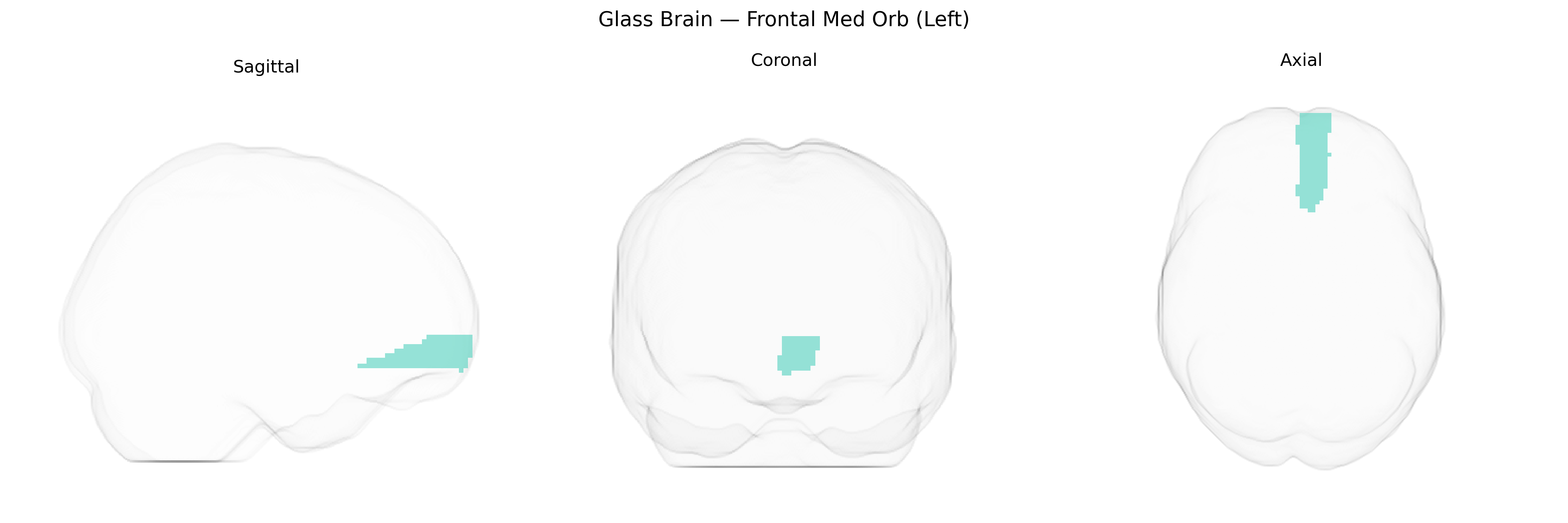
The left Frontal Med Orb (Left) region in the AAL2 atlas corresponds to the left medial orbitofrontal cortex, a portion of the prefrontal cortex situated on the ventral surface of the frontal lobe, above the orbits. This region receives extensive multimodal sensory input (including olfactory, gustatory, and visceral signals) and is heavily interconnected with limbic structures such as the amygdala, hippocampus, and ventral striatum, as well as with other prefrontal areas. Functionally, the medial orbitofrontal cortex is implicated in reward valuation, decision-making under uncertainty, emotion regulation, and the integration of affective and sensory information to guide adaptive behavior. It plays a key role in evaluating the emotional and motivational significance of stimuli, updating reward expectations, and modulating autonomic responses. Structural and functional alterations in this area have been associated with mood disorders, obsessive–compulsive disorder, addiction, and various forms of impaired decision-making. Related article: Orbitofrontal cortex.
The left medial orbitofrontal cortex (often overlapping AAL2 “Frontal Med Orb (Left)”) has been repeatedly implicated in imaging–genetics and GWAS studies of brain structure and function, with several genetic associations converging on this region’s role in reward, emotion, and higher-order cognition. Large-scale cortical GWAS (e.g., ENIGMA and UK Biobank–based analyses) have identified common variants in genes related to synaptic development and plasticity (such as variants near BCL2L1, HMGA2, and others depending on parcellation) that influence orbitofrontal thickness and surface area, and these morphological measures partially mediate genetic risk for psychiatric conditions. Polygenic risk scores for major depressive disorder, bipolar disorder, schizophrenia, and autism have been associated with altered medial orbitofrontal volume or activity, and specific risk loci (for example in CACNA1C, DRD2, and SLC6A4) show convergent evidence through candidate-gene and pathway-based analyses linking neurotransmission and calcium signaling pathways to functional changes in this region. GWAS of personality, impulsivity, and risk-taking traits, as well as substance use (alcohol, nicotine, and polysubstance use), have reported that genetic variants influencing these behaviors are enriched in networks including the medial orbitofrontal cortex, where structural and functional alterations correlate with polygenic liability. Moreover, imaging–genetics work in obsessive–compulsive and anxiety-related disorders frequently identifies orbitofrontal–striatal circuit differences that track with genetic variants in glutamatergic and serotonergic genes, suggesting that genetic effects on this region contribute to vulnerability to compulsive and anxious phenotypes. Overall, convergent evidence indicates that common polygenic variation affecting synaptic, neurotransmitter, and neurodevelopmental pathways shapes left medial orbitofrontal morphology and function, thereby modulating risk for mood, psychotic, anxiety, and addiction-related traits and disorders.
Overview generated by GPT-4o (2026).
Region ID: 2611
Hemisphere: left
Atlas: AAL2
Full Quality Version: Download MP4
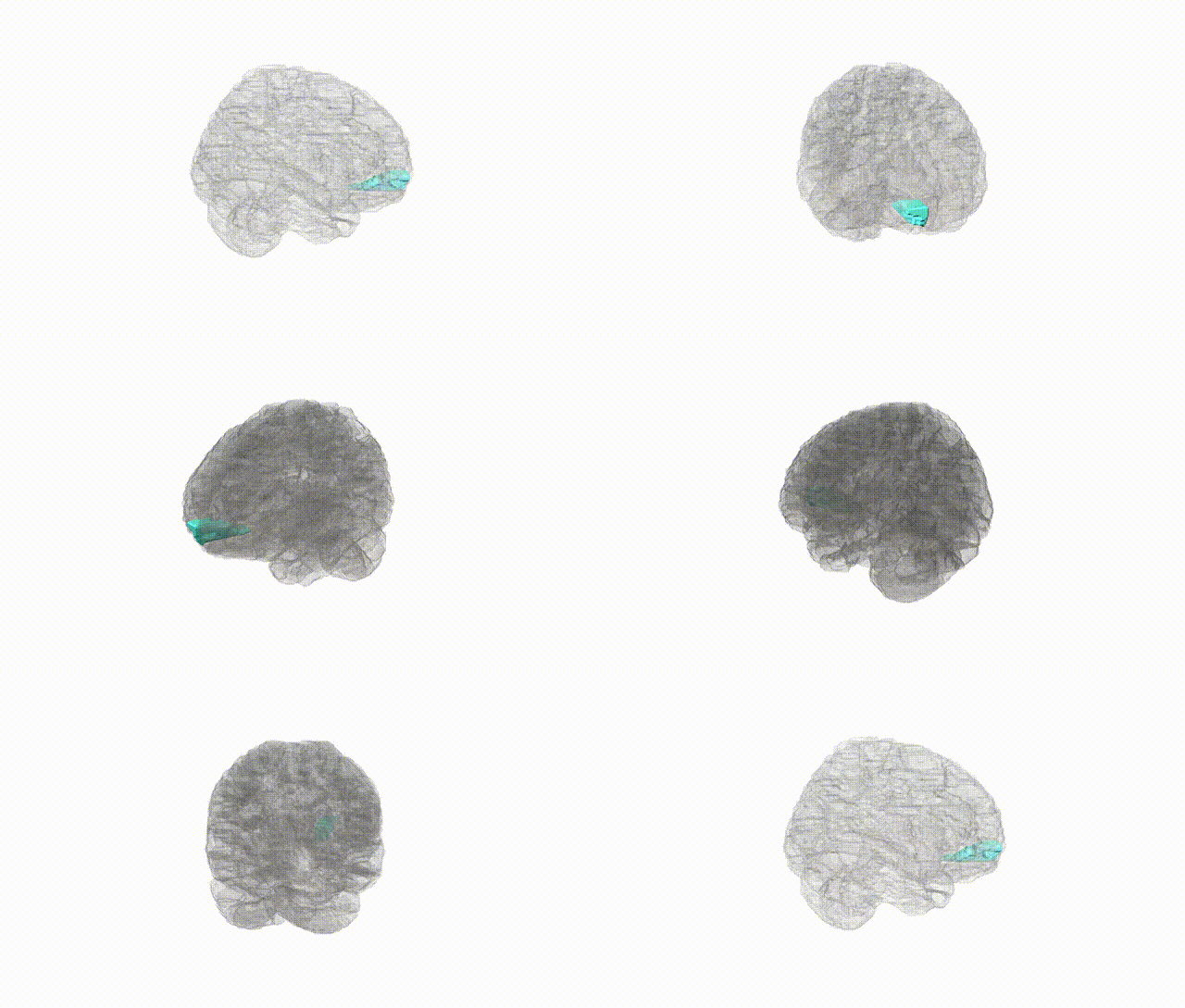
Full Quality Version: Download MP4
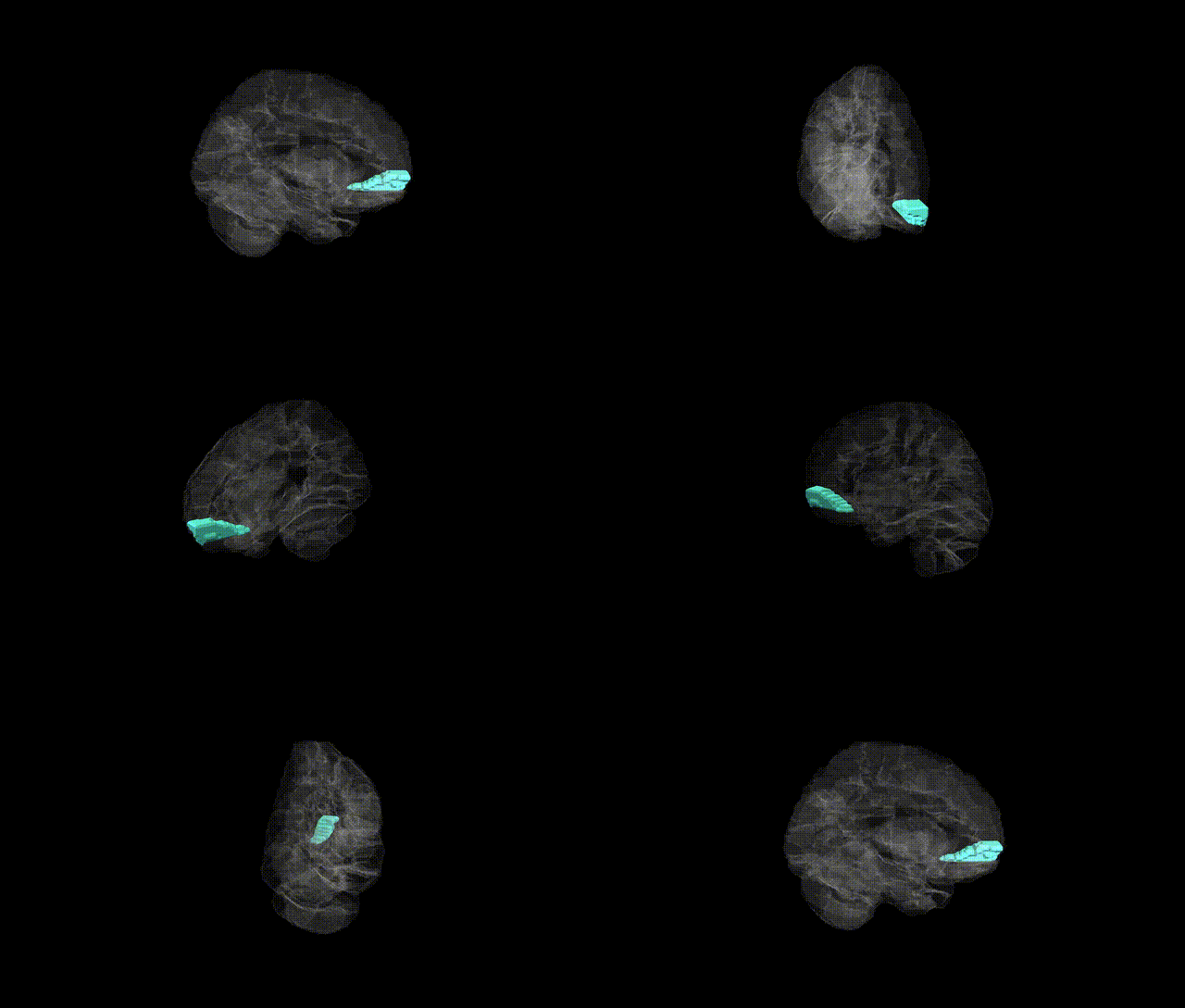
Full Quality Version: Download MP4
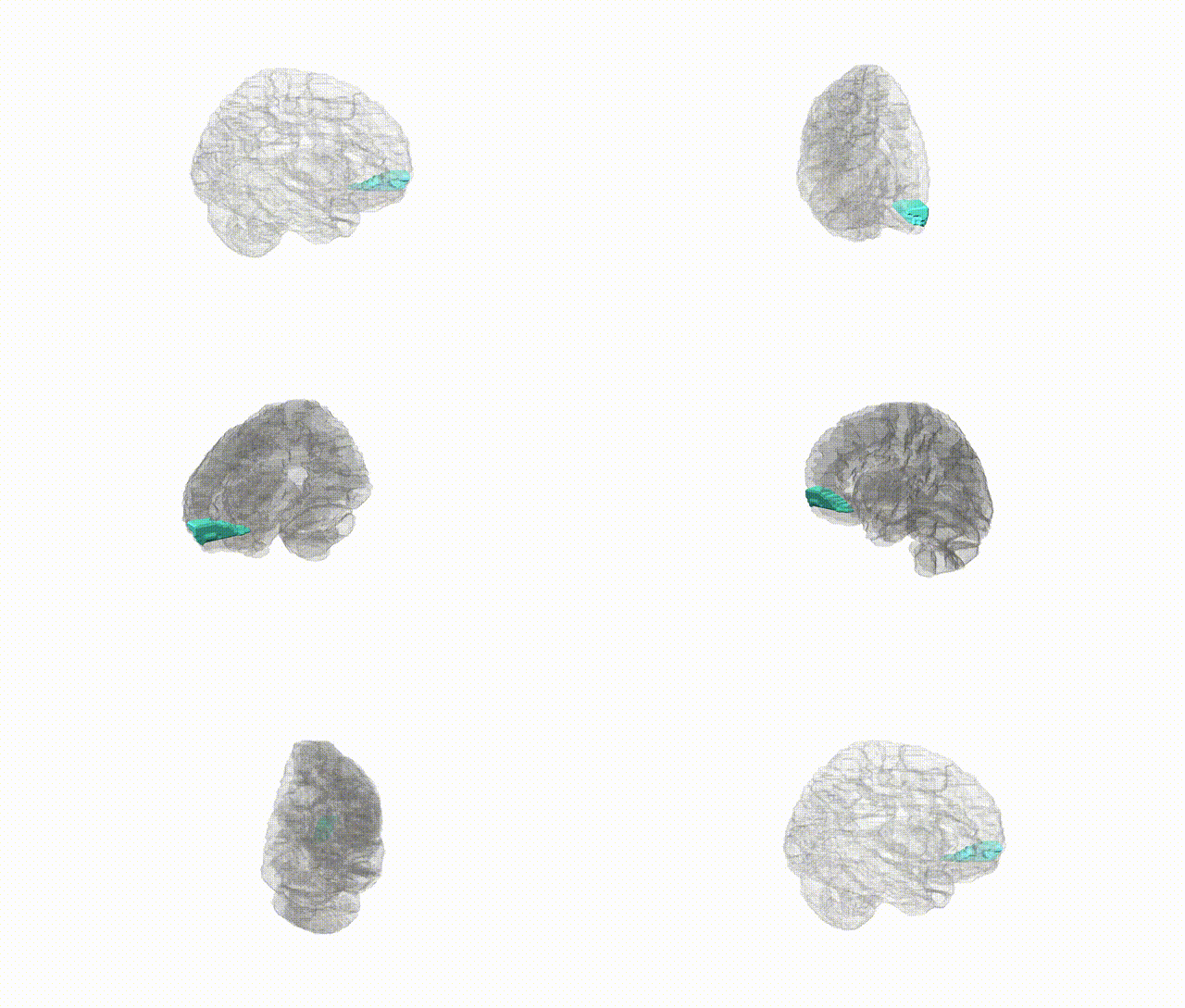
Full Quality Version: Download MP4
Wali Sidiqyar*, Gaurav Rudravaram*, Elyssa M. McMaster, Trent M. Schwartz, Adam M. Saunders, Kurt G. Schilling, Bennett A. Landman "Introducing SPINS: A Shared Public Visualization Library of Neuroanatomical Structures." Medical Imaging with Deep Learning- short paper
This resource is licensed under CC0 1.0 Universal (Public Domain).