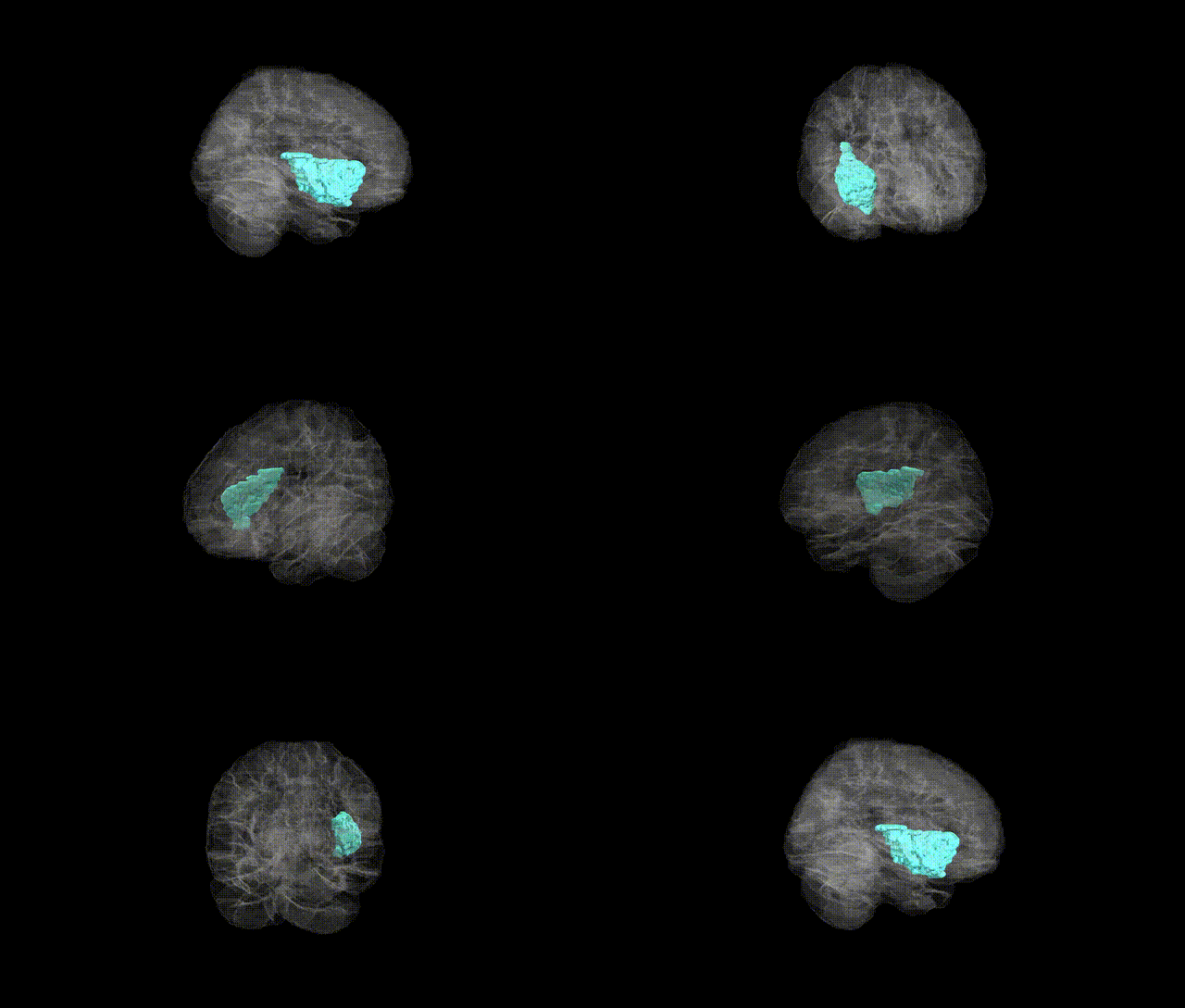
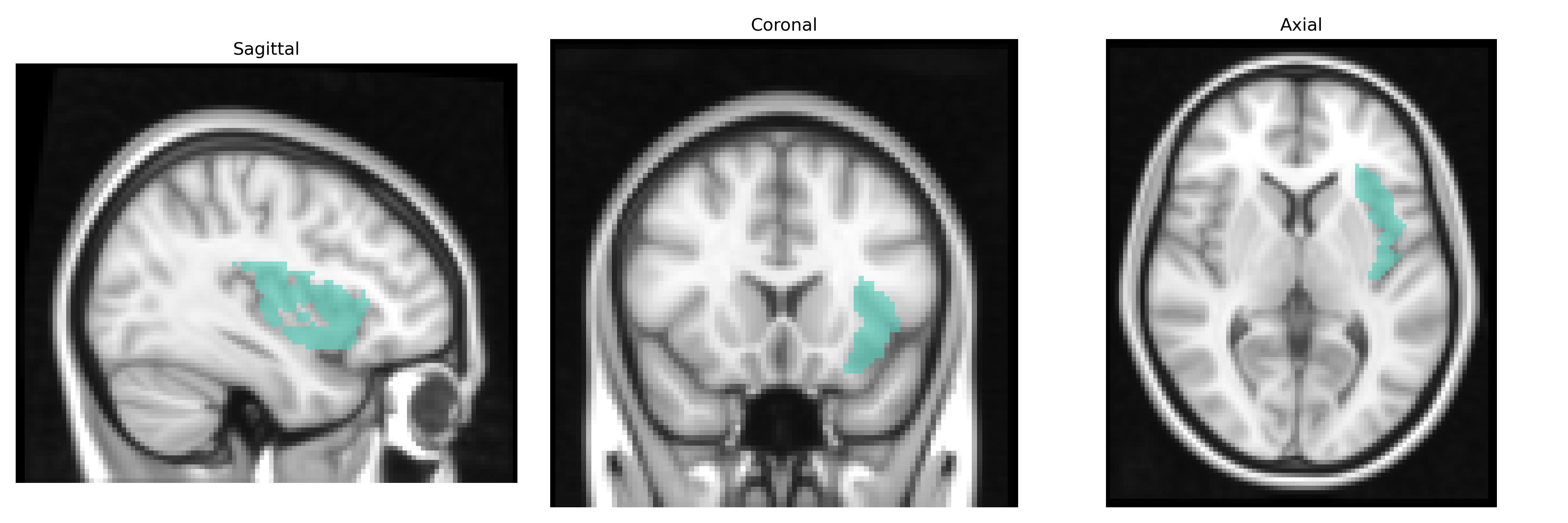
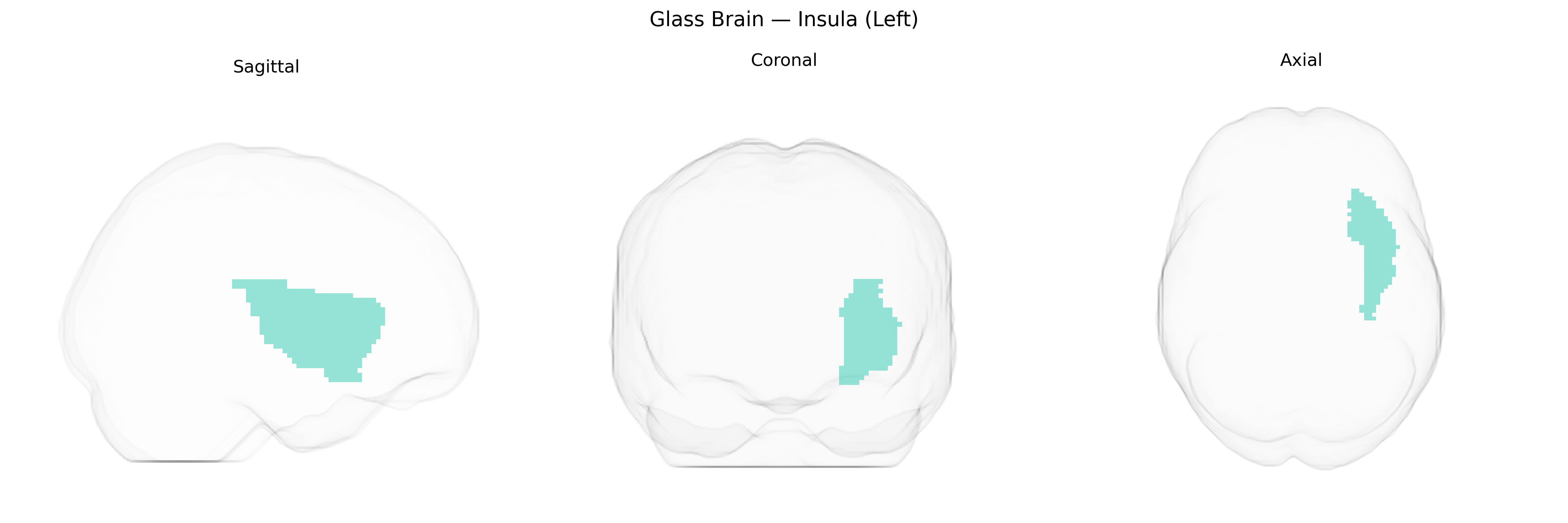
The left insula, as defined in the AAL2 atlas, is a cortical region buried within the lateral sulcus and covered by the frontal, parietal, and temporal opercula. It is organized into anterior and posterior portions, with the anterior insula involved in interoceptive awareness, emotional processing, autonomic regulation, and integration of cognitive and affective information, while the posterior insula contributes to somatosensory, nociceptive, vestibular, and visceral sensory processing. The insula participates in salience detection, switching between default-mode and executive control networks, and integrating sensory, emotional, and homeostatic signals to guide behavior. In the AAL2 parcellation, the left insula region captures these functional roles as expressed in the left hemisphere, including its connections with limbic, prefrontal, and sensory association cortices. Insular cortex
The left insula, as defined in the AAL2 atlas, has been implicated in multiple genetic and GWAS findings primarily through imaging genetics studies that link common variants to insular volume, thickness, connectivity, and activation patterns. Large-scale brain MRI GWAS (e.g., ENIGMA, UK Biobank) have identified loci near genes such as DLG2, TESC, HMGA2, and others associated with insular cortical measures, often reflecting general neurodevelopmental and neuronal signaling pathways rather than insula-specific genes. Genetic risk for psychiatric disorders—including schizophrenia, bipolar disorder, major depression, and autism spectrum disorder—has been associated with structural and functional alterations in the left insula, with polygenic risk scores for these conditions predicting reduced insular volume or altered connectivity in several cohorts. Variants in genes linked to addiction (e.g., CHRNA5-CHRNA3-CHRNB4 cluster for smoking, OPRM1 for alcohol/opioids) and obesity-related genes (e.g., FTO, MC4R) have been associated with differences in insular response to reward, interoception, and craving in fMRI GWAS and candidate studies. Additionally, genetic influences on pain sensitivity (e.g., COMT, OPRM1, SCN9A loci), anxiety and neuroticism (e.g., variants near DRD2, CRHR1, and broader polygenic scores), and cardiovascular/autonomic traits have been linked to insular activation patterns, consistent with its role in interoception and affective processing. Overall, genetic associations for the left insula reflect pleiotropic influences of neurodevelopmental, synaptic, and neurotransmitter-related genes on cortical structure and function, with convergent evidence across psychiatric, addiction, pain, and personality GWAS pointing to this region as a key genetically modulated hub in salience and interoceptive networks.
Overview generated by GPT-4o (2026).
Region ID: 3001
Hemisphere: left
Atlas: AAL2
Full Quality Version: Download MP4
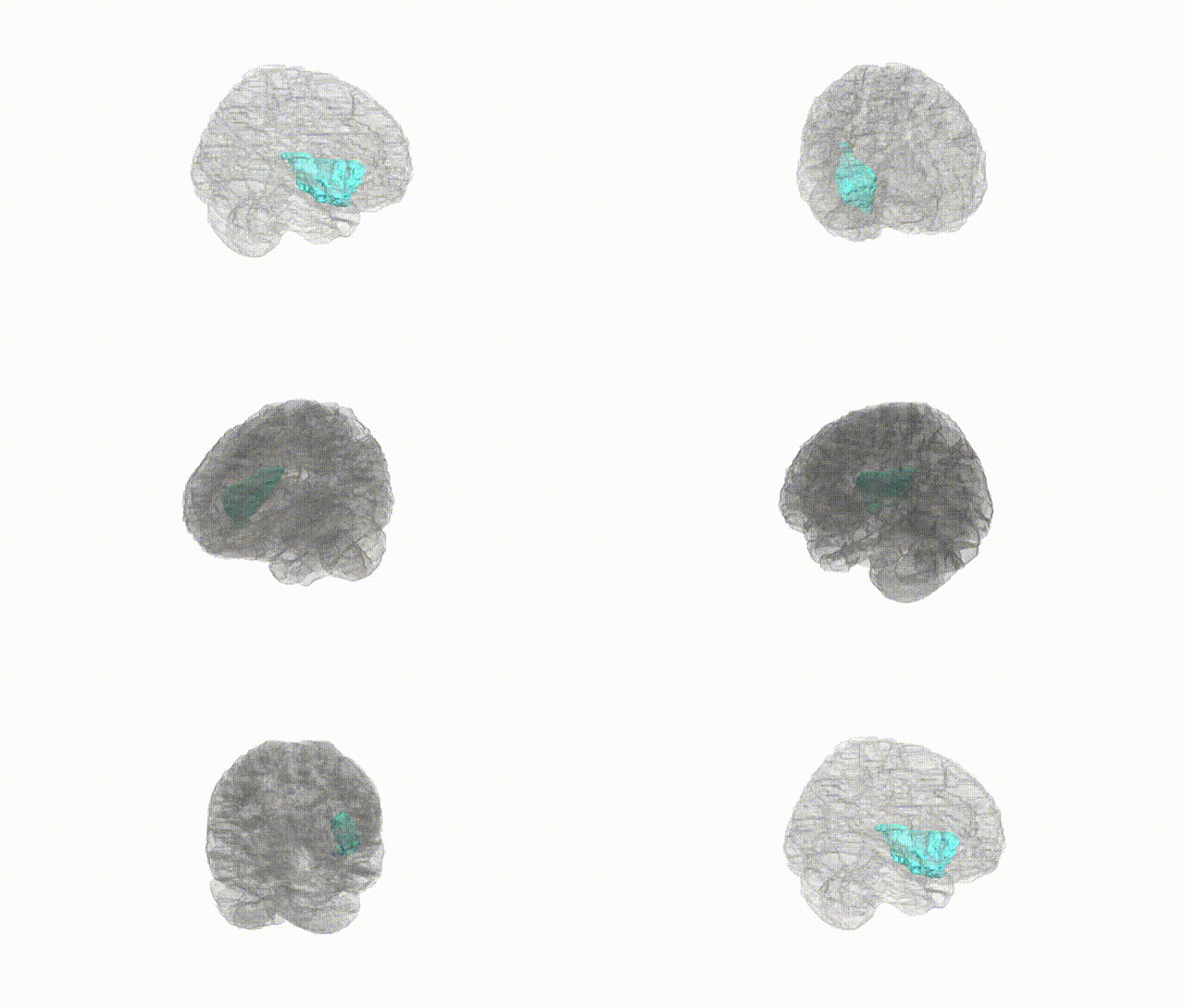
Full Quality Version: Download MP4
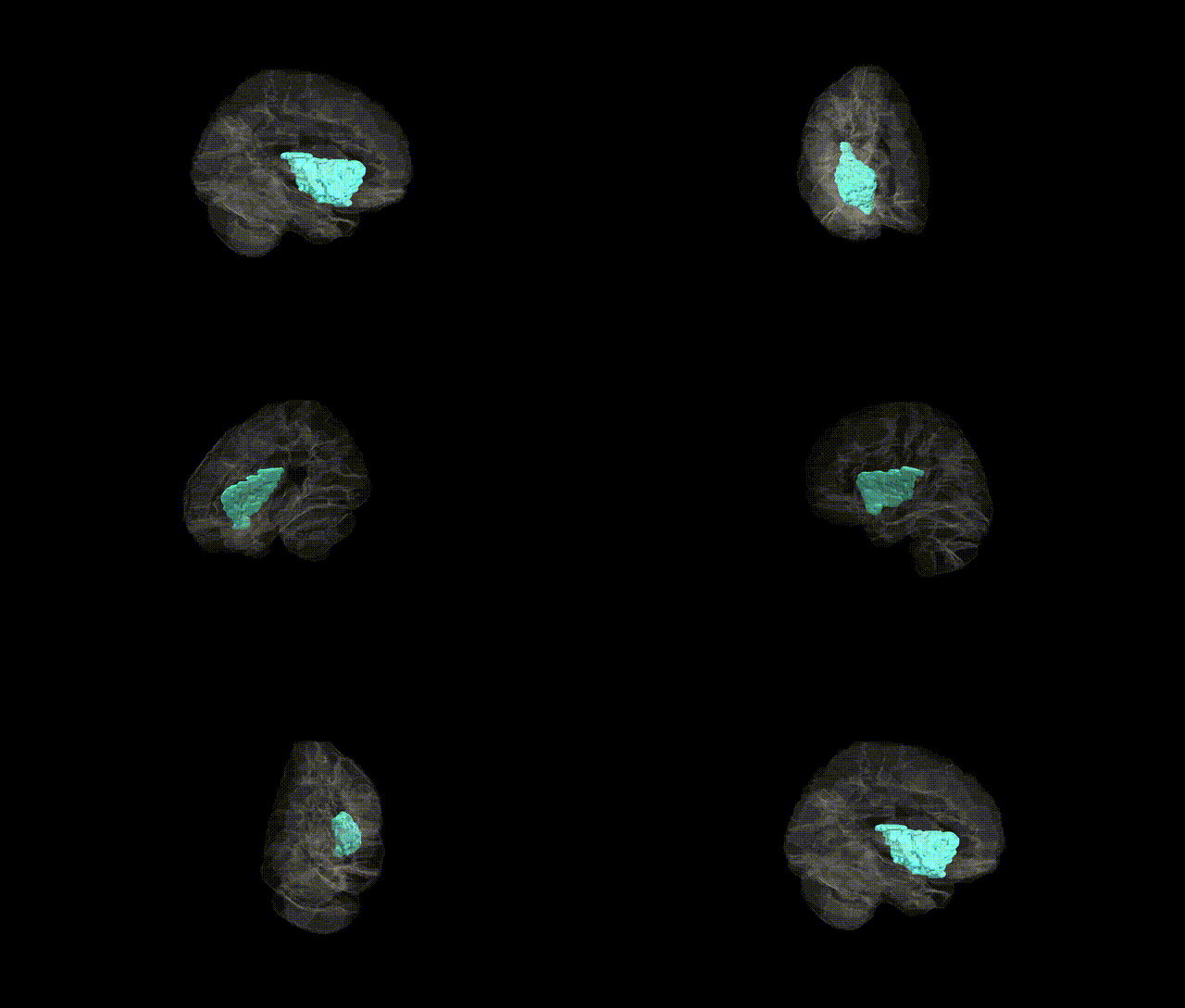
Full Quality Version: Download MP4
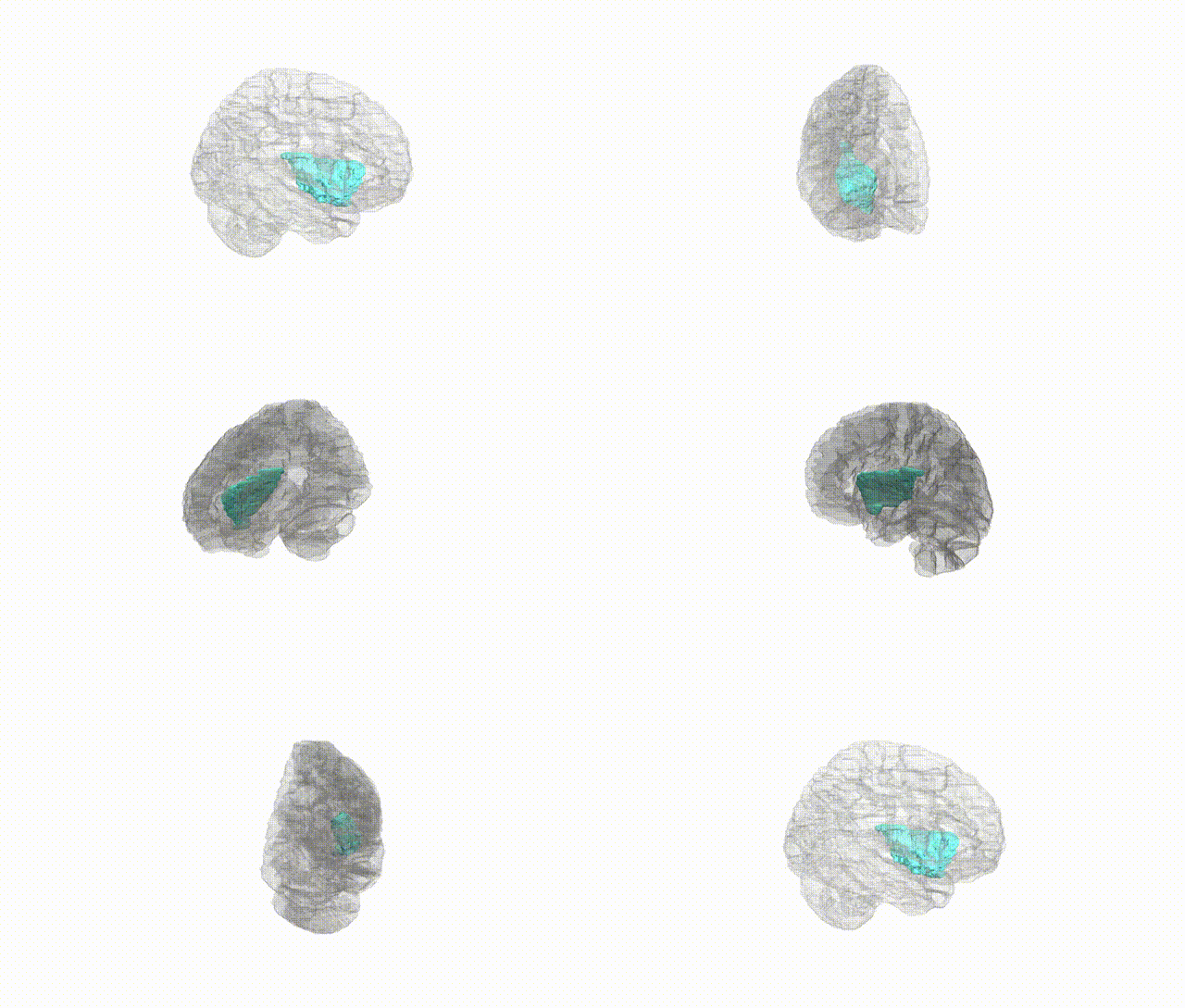
Full Quality Version: Download MP4
Wali Sidiqyar*, Gaurav Rudravaram*, Elyssa M. McMaster, Trent M. Schwartz, Adam M. Saunders, Kurt G. Schilling, Bennett A. Landman "Introducing SPINS: A Shared Public Visualization Library of Neuroanatomical Structures." Medical Imaging with Deep Learning- short paper
This resource is licensed under CC0 1.0 Universal (Public Domain).