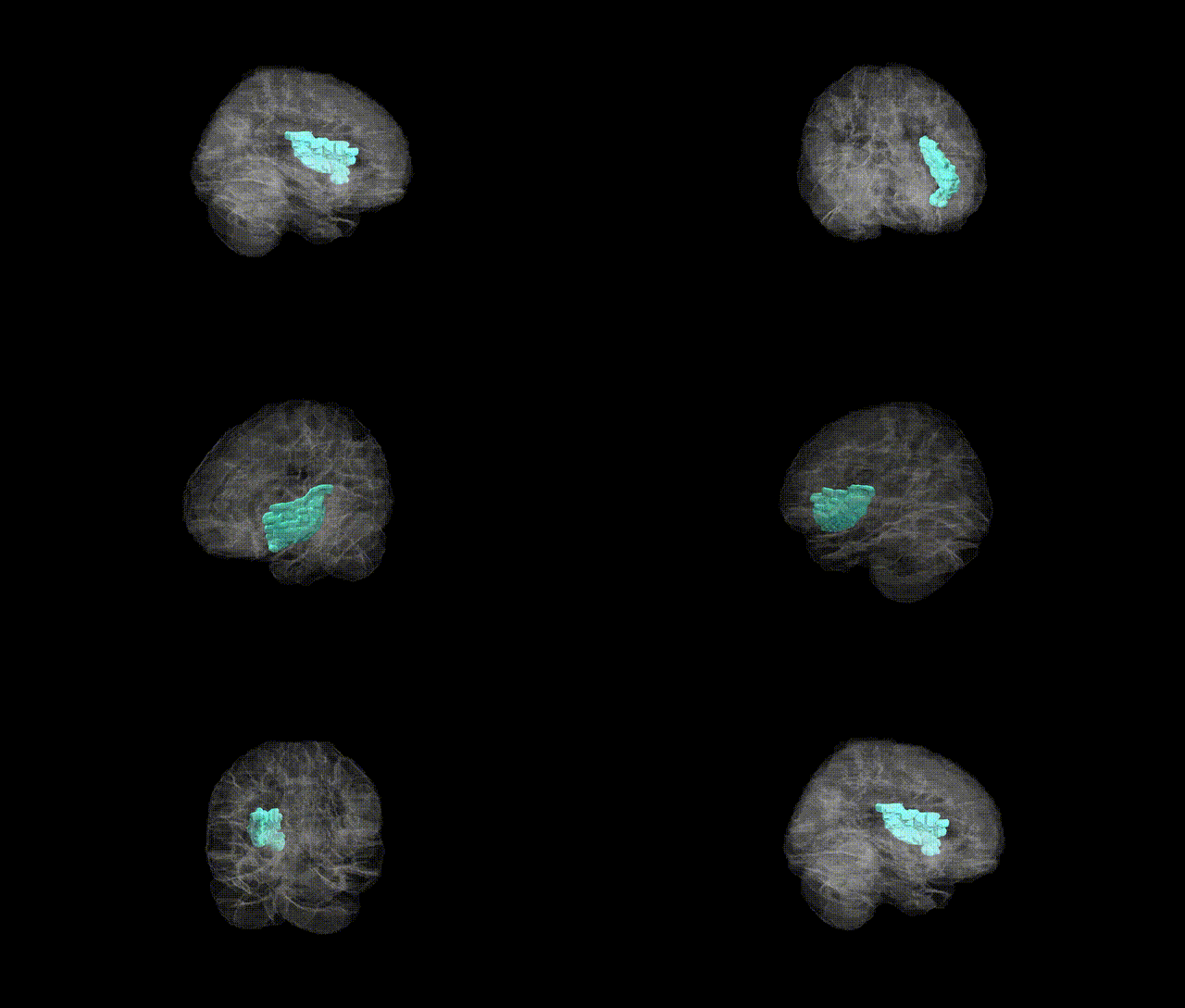
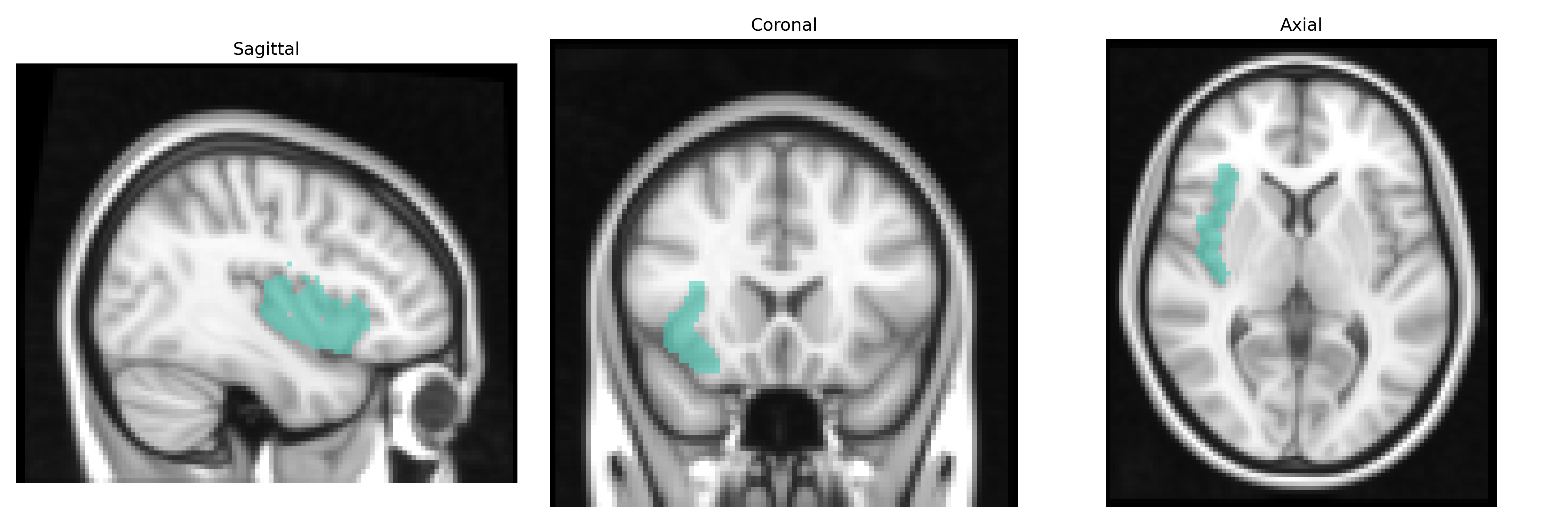
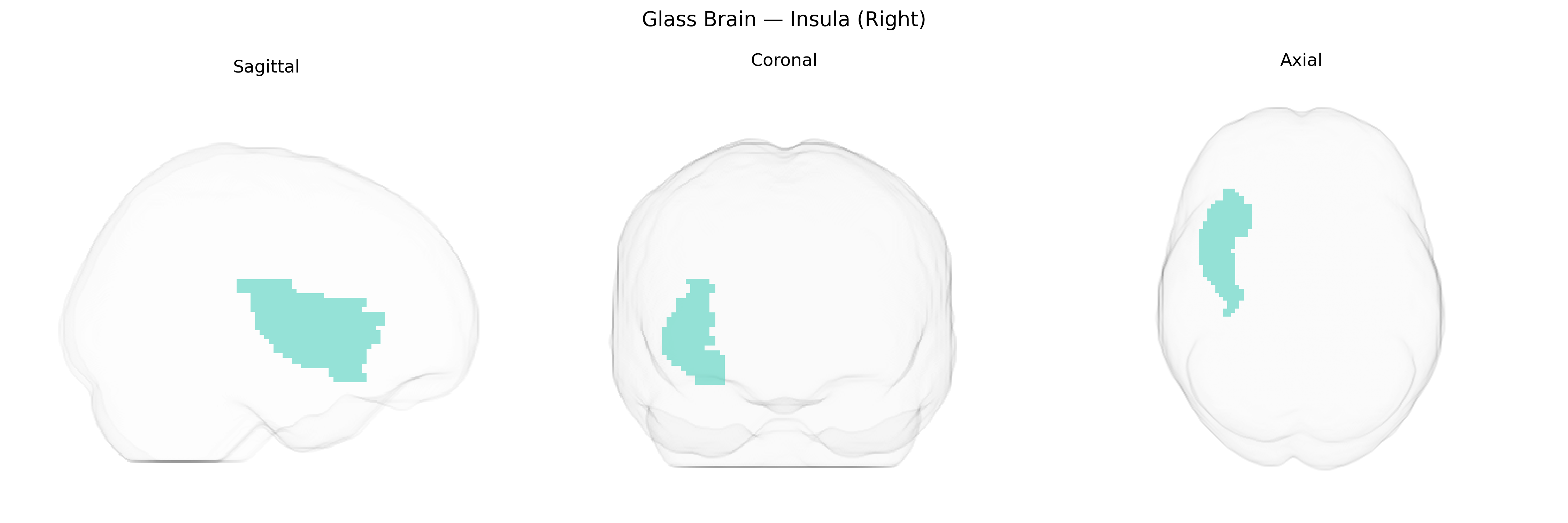
The right insula, as defined in the AAL2 atlas, is a cortical region buried within the lateral sulcus and covered by the opercula of the frontal, parietal, and temporal lobes. It is structurally divided into anterior and posterior portions, with the anterior insula associated with higher-order functions such as interoceptive awareness, emotion processing, salience detection, and integration of autonomic and visceral information, while the posterior insula is more involved in somatosensory and pain processing. The right insula plays a key role in the salience network, contributing to the switching between default mode and executive control networks, and is implicated in functions including gustation, visceral sensation, risk evaluation, and social-emotional processing. A closely related structure with extensive coverage is the Insular cortex.
Genetic associations involving the right insula (AAL2 “Insula_R”) largely emerge from imaging–genetics and brain-structure GWAS that treat insular cortical thickness, surface area, or volume as quantitative traits. Common variants in genes related to neurodevelopment and synaptic function—such as those within or near MIR137, GRIN2A, and genes in calcium and glutamatergic signaling pathways—have been associated with insular morphology in large consortia studies (e.g., ENIGMA, UK Biobank–based analyses), although effects are generally small and polygenic. Polygenic risk scores for schizophrenia, major depressive disorder, bipolar disorder, and autism spectrum disorder have been linked to altered right insular structure or connectivity, consistent with the region’s role in salience, interoception, and emotional processing, and rare variants or CNVs in neurodevelopmental genes sometimes show convergent effects on insular volume across disorders. GWAS of traits such as risk-taking, pain sensitivity, smoking, and anxiety-related phenotypes have reported associations with right insular activation or morphology as intermediate phenotypes, and some addiction- and pain-related loci (e.g., in OPRM1 and other nociceptive or reward-related genes) show downstream effects on right insula function. Overall, current evidence supports a highly polygenic, pleiotropic architecture in which many neurodevelopmental and neurotransmission-related genes jointly modulate right insular structure and function, contributing to vulnerability for psychiatric, pain, and addiction-related traits, rather than any single strong locus uniquely defining this region.
Overview generated by GPT-4o (2026).
Region ID: 3002
Hemisphere: right
Atlas: AAL2
Full Quality Version: Download MP4
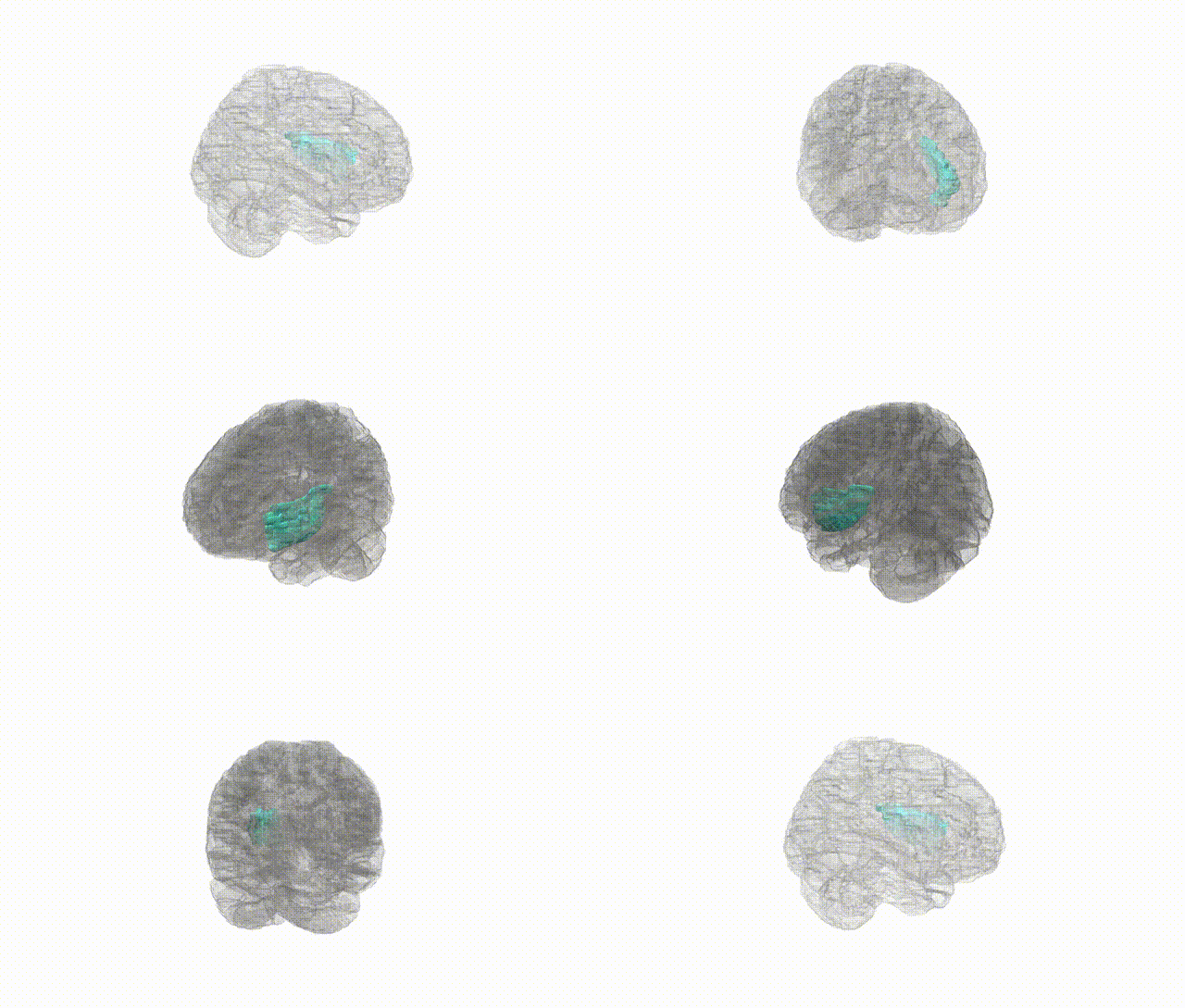
Full Quality Version: Download MP4
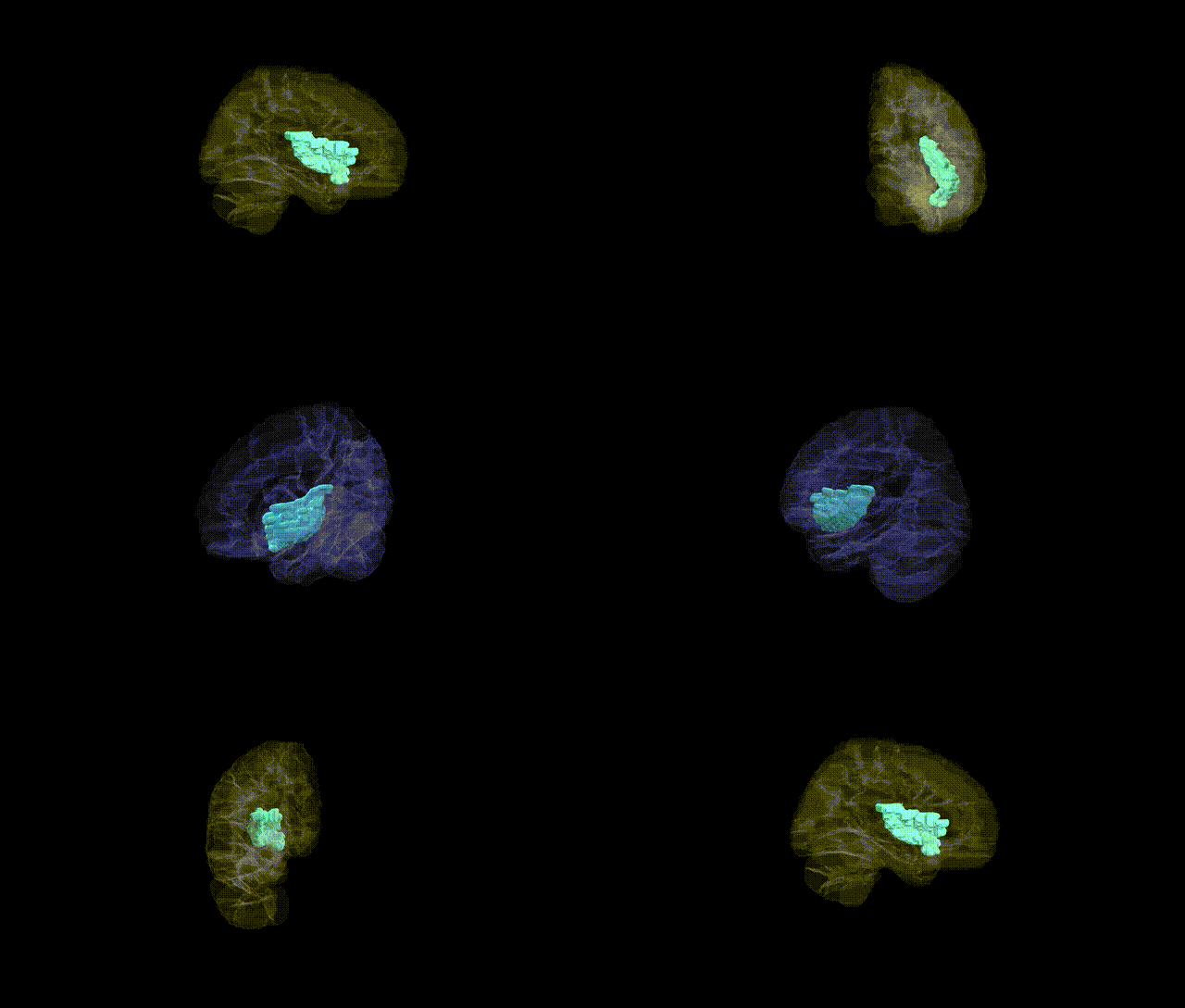
Full Quality Version: Download MP4
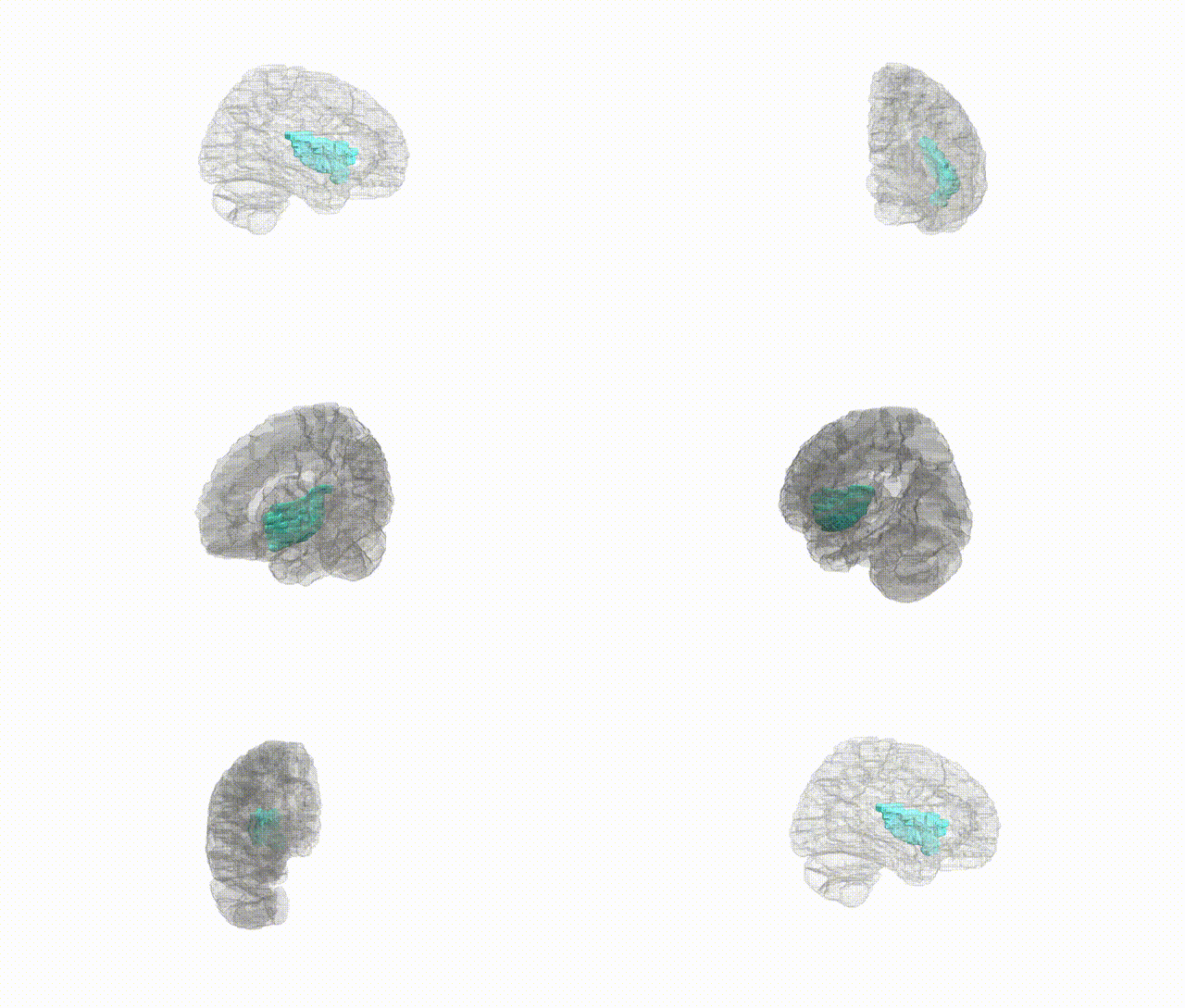
Full Quality Version: Download MP4
Wali Sidiqyar*, Gaurav Rudravaram*, Elyssa M. McMaster, Trent M. Schwartz, Adam M. Saunders, Kurt G. Schilling, Bennett A. Landman "Introducing SPINS: A Shared Public Visualization Library of Neuroanatomical Structures." Medical Imaging with Deep Learning- short paper
This resource is licensed under CC0 1.0 Universal (Public Domain).