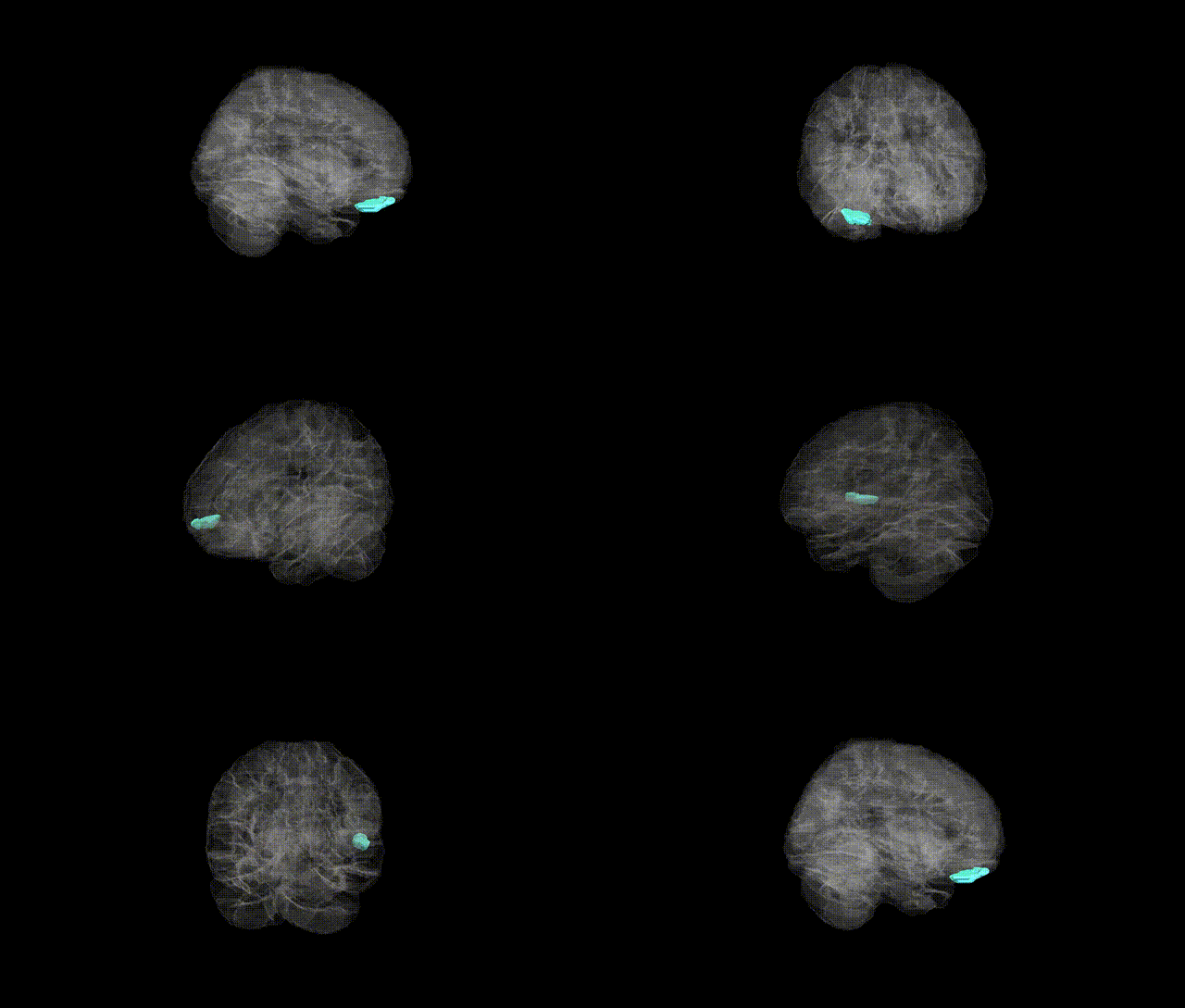
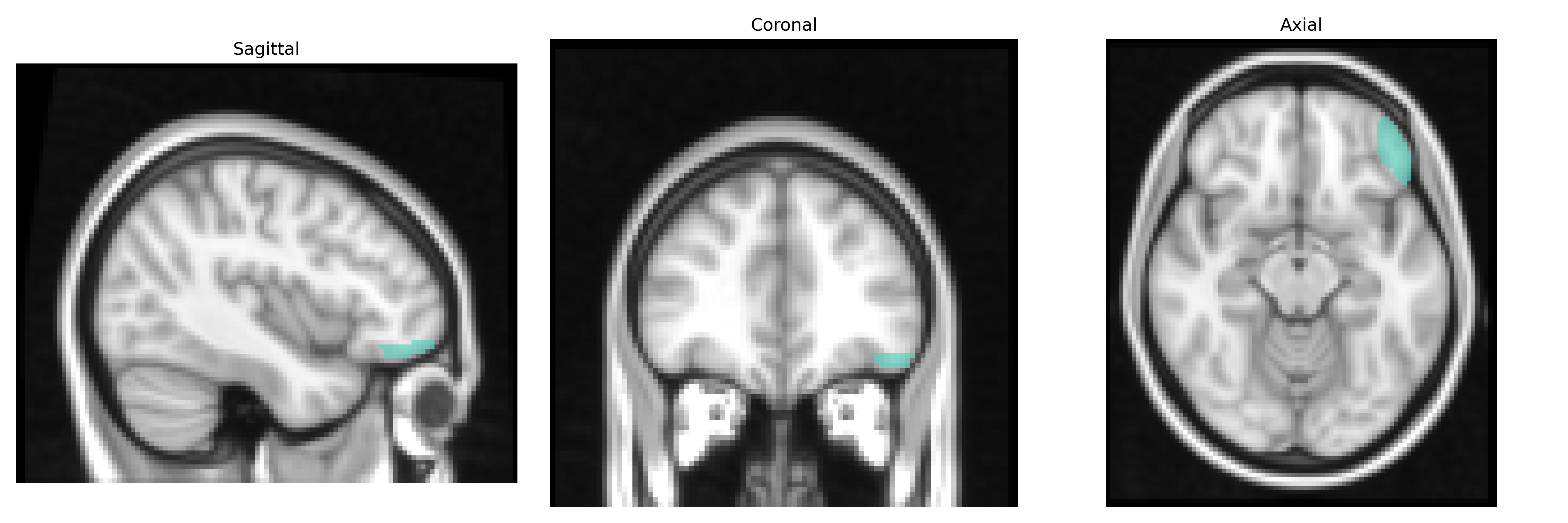
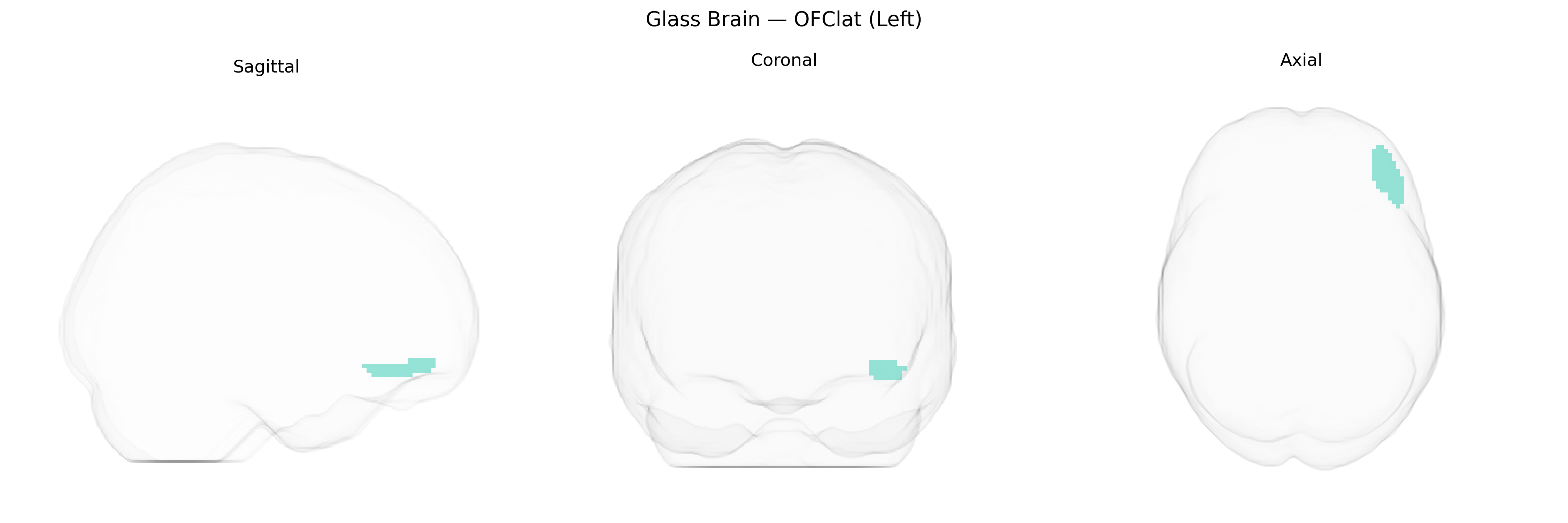
The left OFClat (Left orbital part of the inferior frontal gyrus, lateral) in the AAL2 atlas corresponds to the lateral portion of the orbitofrontal cortex within the frontal lobe, overlying the orbital surface of the frontal bone. This region is implicated in reward valuation, decision-making, emotional regulation, and the integration of sensory and affective information to guide adaptive behavior, particularly in evaluating the consequences of actions and updating choices based on changing reinforcement contingencies. It has dense connections with limbic structures (such as the amygdala and ventral striatum), other prefrontal areas, and sensory association cortices, supporting its role in assigning value to stimuli, modulating social behavior, and contributing to flexible, goal-directed actions. There is no direct Wikipedia article specifically for “left OFClat,” but it is part of the Orbitofrontal cortex.
The left lateral orbitofrontal cortex (OFC lat, Left) in the AAL2 atlas has been implicated in several genetic and genome-wide association studies (GWAS), largely through imaging–genetics work linking common variants to cortical thickness, surface area, and functional activation. Polygenic risk for major depressive disorder, bipolar disorder, and schizophrenia has been associated with structural and functional alterations in lateral OFC, with notable involvement of genes related to synaptic function and neurotransmission (e.g., CACNA1C, GRIN2A, and broader glutamatergic pathways), as well as serotonergic and dopaminergic signaling. GWAS of brain morphology (e.g., ENIGMA and UK Biobank cohorts) have identified variants near genes such as HMGA2 and IGF1 that influence global and frontal cortical measures, including orbitofrontal thickness and volume, while large-scale functional genomics work suggests enrichment of psychiatric risk variants in regulatory elements active in orbitofrontal regions. Lateral OFC genetic associations also extend to traits involving impulsivity, risk-taking, and reward learning, where polymorphisms in DRD2/ANKK1, COMT, and related dopaminergic genes modulate OFC activation during decision-making tasks, and to obsessive-compulsive and substance use–related phenotypes where orbitofrontal circuitry is a key intermediate phenotype. Overall, the left lateral OFC emerges as a convergence point where polygenic influences on affect regulation, reward processing, and cognitive control manifest as structural and functional variability tied to risk for mood, psychotic, and compulsive disorders.
Overview generated by GPT-4o (2026).
Region ID: 2831
Hemisphere: left
Atlas: AAL2
Full Quality Version: Download MP4
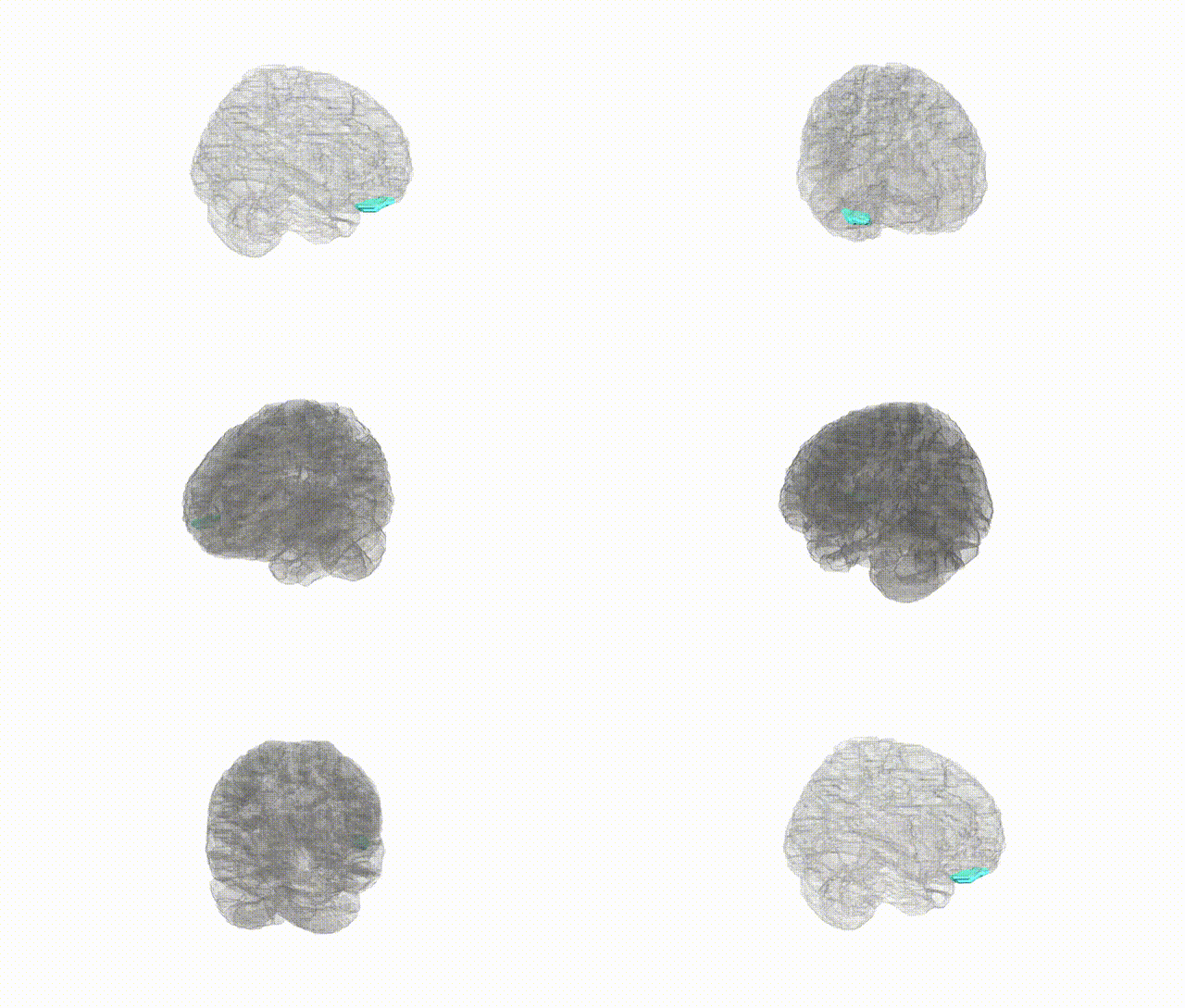
Full Quality Version: Download MP4
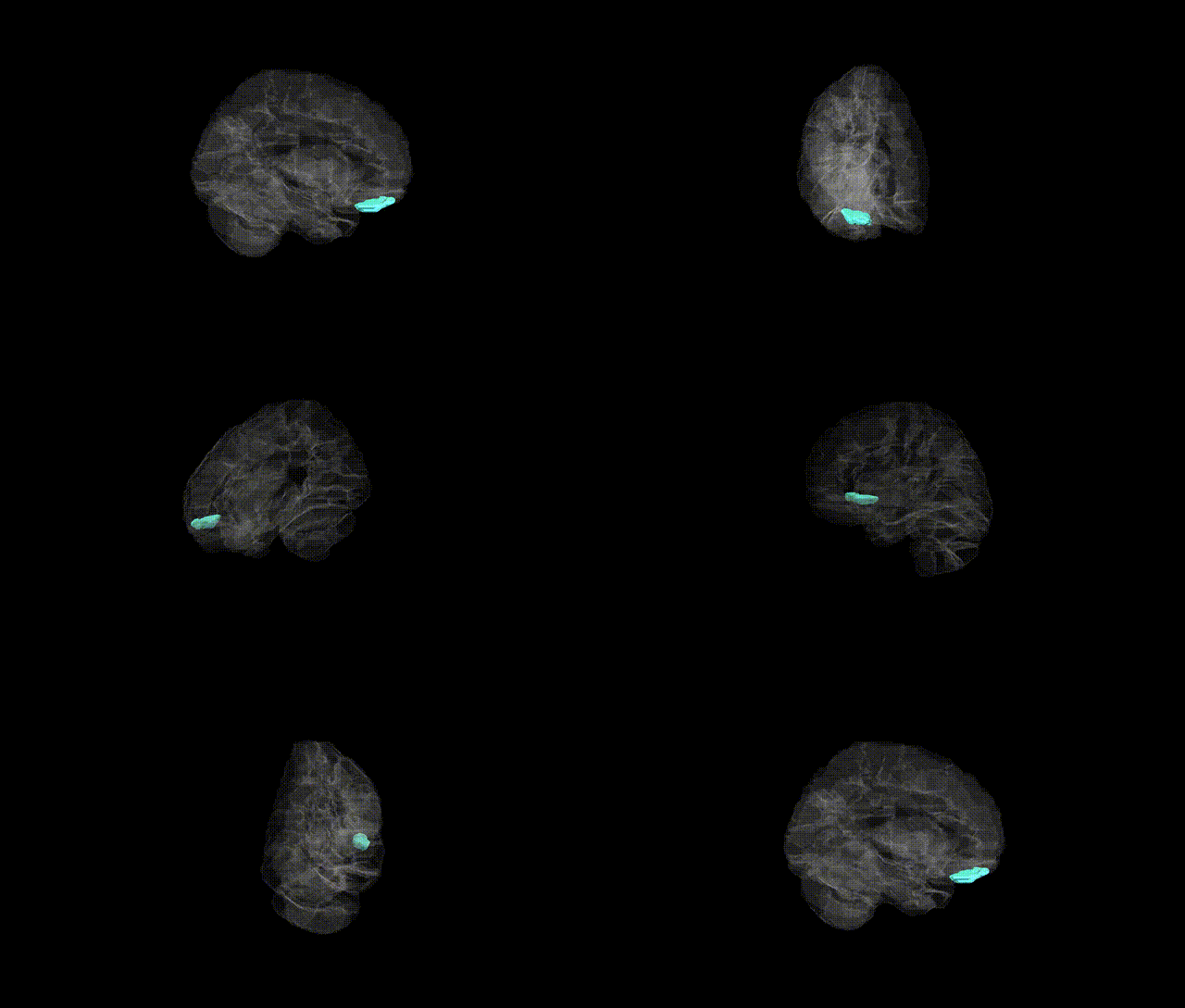
Full Quality Version: Download MP4
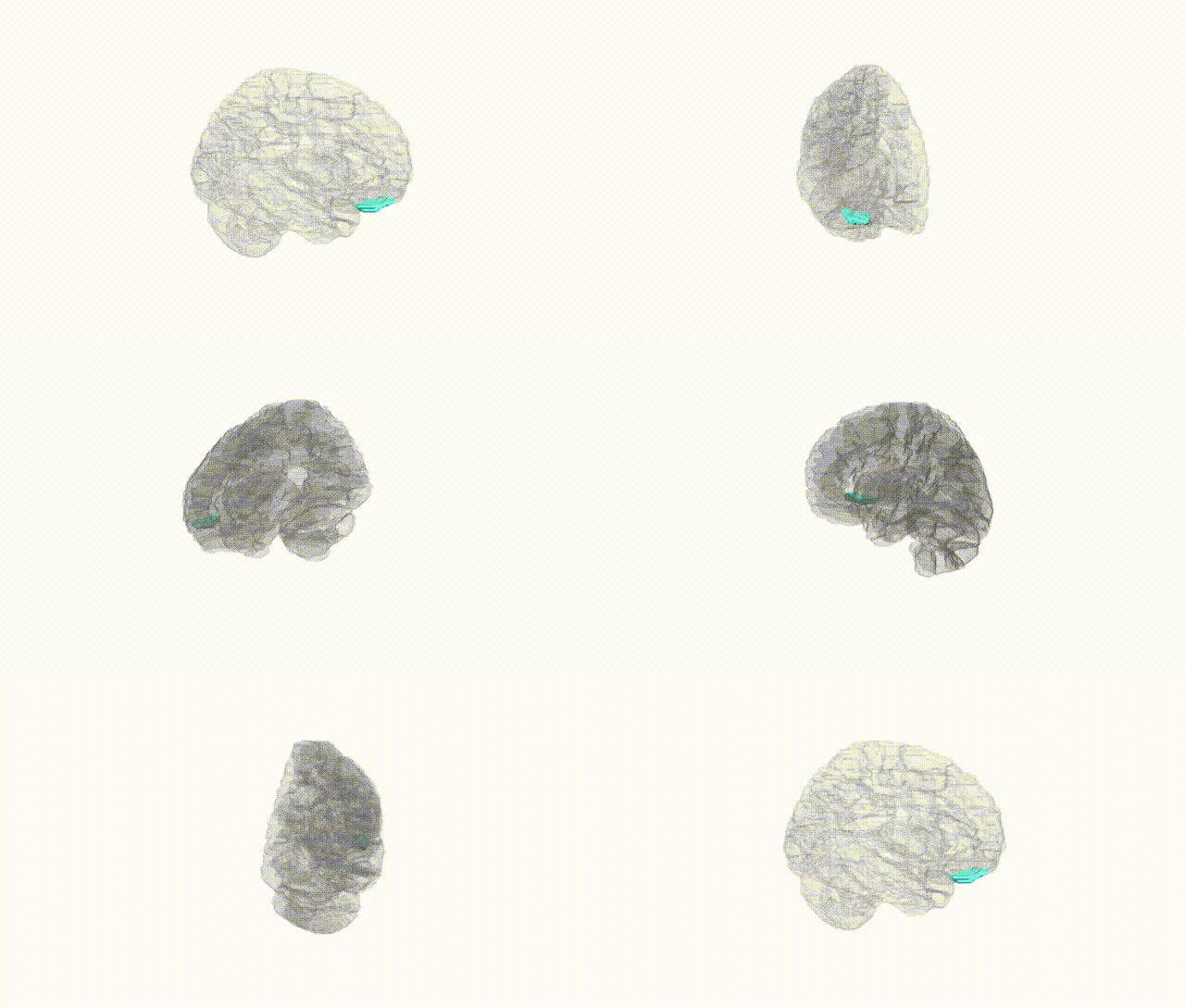
Full Quality Version: Download MP4
Wali Sidiqyar*, Gaurav Rudravaram*, Elyssa M. McMaster, Trent M. Schwartz, Adam M. Saunders, Kurt G. Schilling, Bennett A. Landman "Introducing SPINS: A Shared Public Visualization Library of Neuroanatomical Structures." Medical Imaging with Deep Learning- short paper
This resource is licensed under CC0 1.0 Universal (Public Domain).