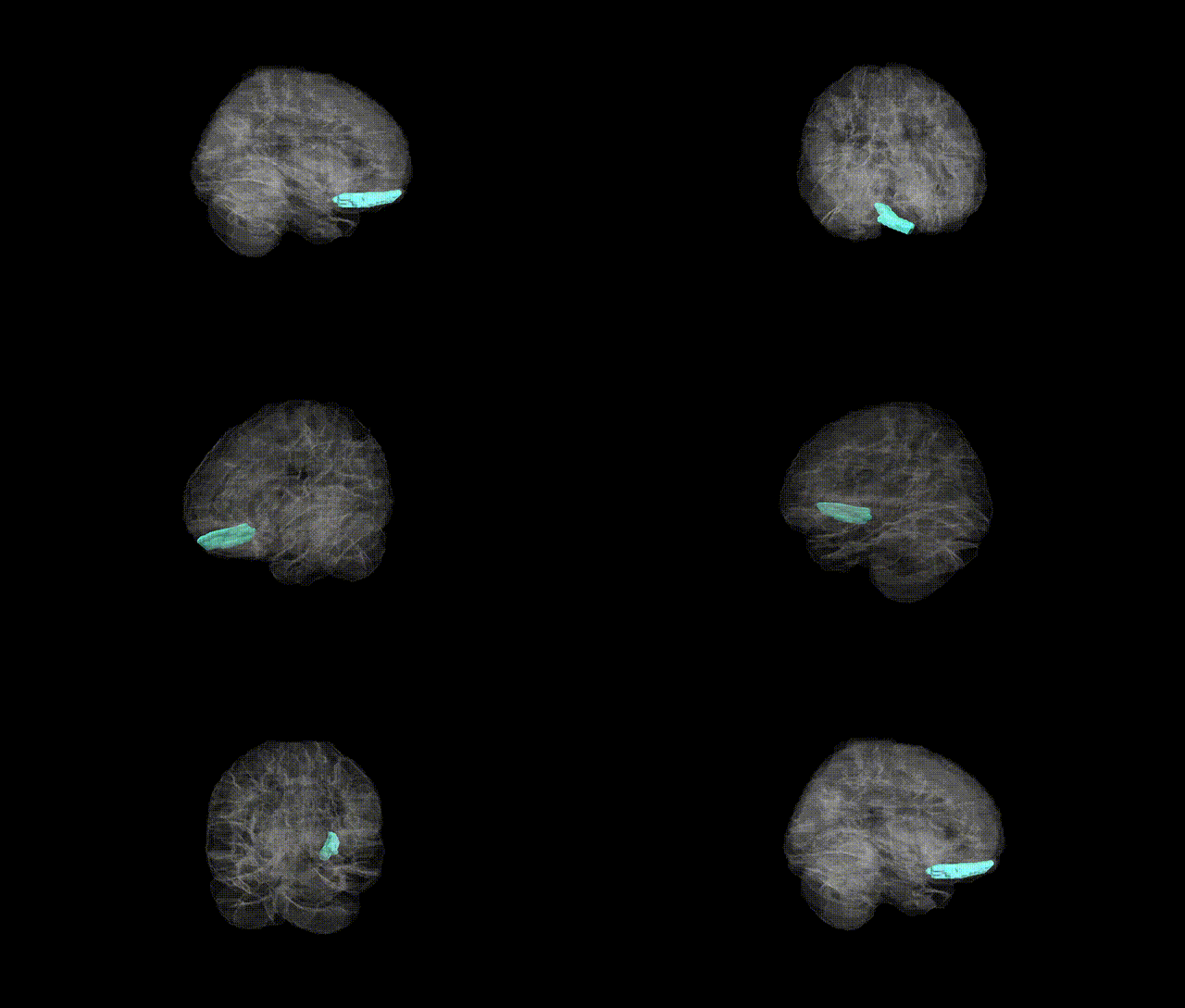
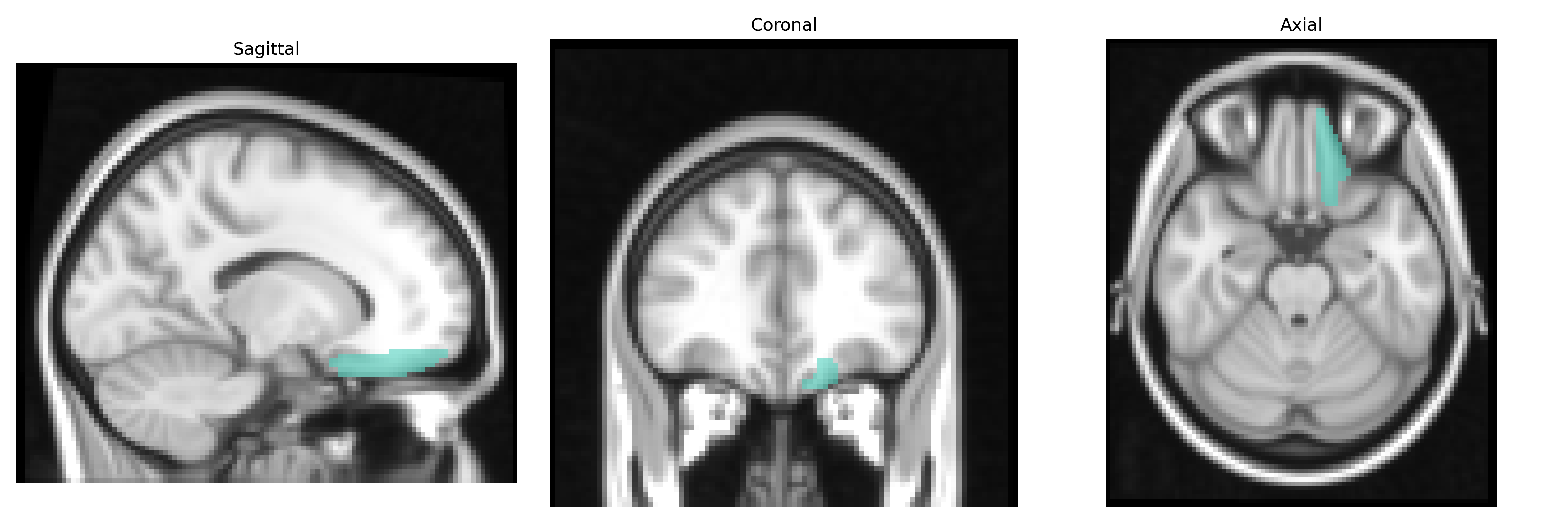
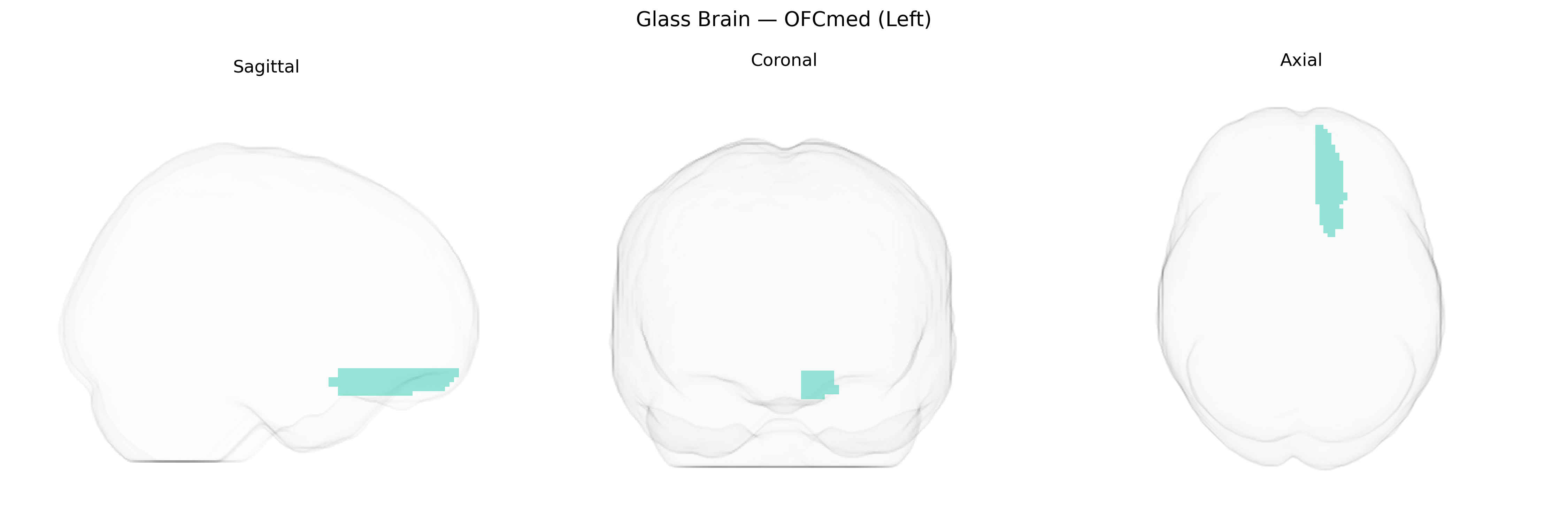
The left OFCmed (Left) region in the AAL2 atlas corresponds to the medial part of the left orbitofrontal cortex, a ventral prefrontal area located on the inferior surface of the frontal lobe above the orbits. This region is composed predominantly of granular and agranular cortex and is heavily interconnected with limbic structures such as the amygdala, hippocampal formation, and medial thalamus, as well as with other prefrontal and sensory association areas. Functionally, the medial orbitofrontal cortex is implicated in valuation and reward processing, outcome-based decision-making, evaluation of punishers and reinforcers, and modulation of affect and social behavior. It integrates multisensory and visceral signals to guide flexible, goal-directed behavior and is frequently implicated in neuropsychiatric conditions including depression, obsessive–compulsive disorder, and substance use disorders. Orbitofrontal cortex
The left medial orbitofrontal cortex (OFCmed, Left) as defined in the AAL2 atlas has been implicated in multiple genetic and genome‑wide association studies linking structural and functional variation in this region to diverse traits and disorders. Imaging‑genetics work shows that common variants in serotonin transporter (SLC6A4), catechol‑O‑methyltransferase (COMT), and dopaminergic genes modulate orbitofrontal volume, activation, and connectivity, particularly in tasks involving reward valuation, decision‑making, and emotion regulation. Large‑scale GWAS of cortical thickness and surface area have identified polygenic influences on orbitofrontal morphology, with genome‑wide significant loci in genes involved in neurodevelopment, synaptic function, and extracellular matrix organization; some of these loci overlap with those conferring risk for major depressive disorder, schizophrenia, bipolar disorder, and neuroticism. The left medial OFC specifically shows heritable variation and has been associated with depression severity, anxiety traits, impulsivity, and substance‑use tendencies in imaging‑genetics cohorts, while ADHD and obsessive‑compulsive–related traits have also been linked to genetic variants that affect orbitofrontal structure or function. Additionally, genetic risk scores for Alzheimer’s disease, autism spectrum disorder, and obesity have been associated with orbitofrontal alterations, suggesting that polygenic liability for these conditions may partly manifest through changes in left medial OFC anatomy and connectivity.
Overview generated by GPT-4o (2026).
Region ID: 2801
Hemisphere: left
Atlas: AAL2
Full Quality Version: Download MP4
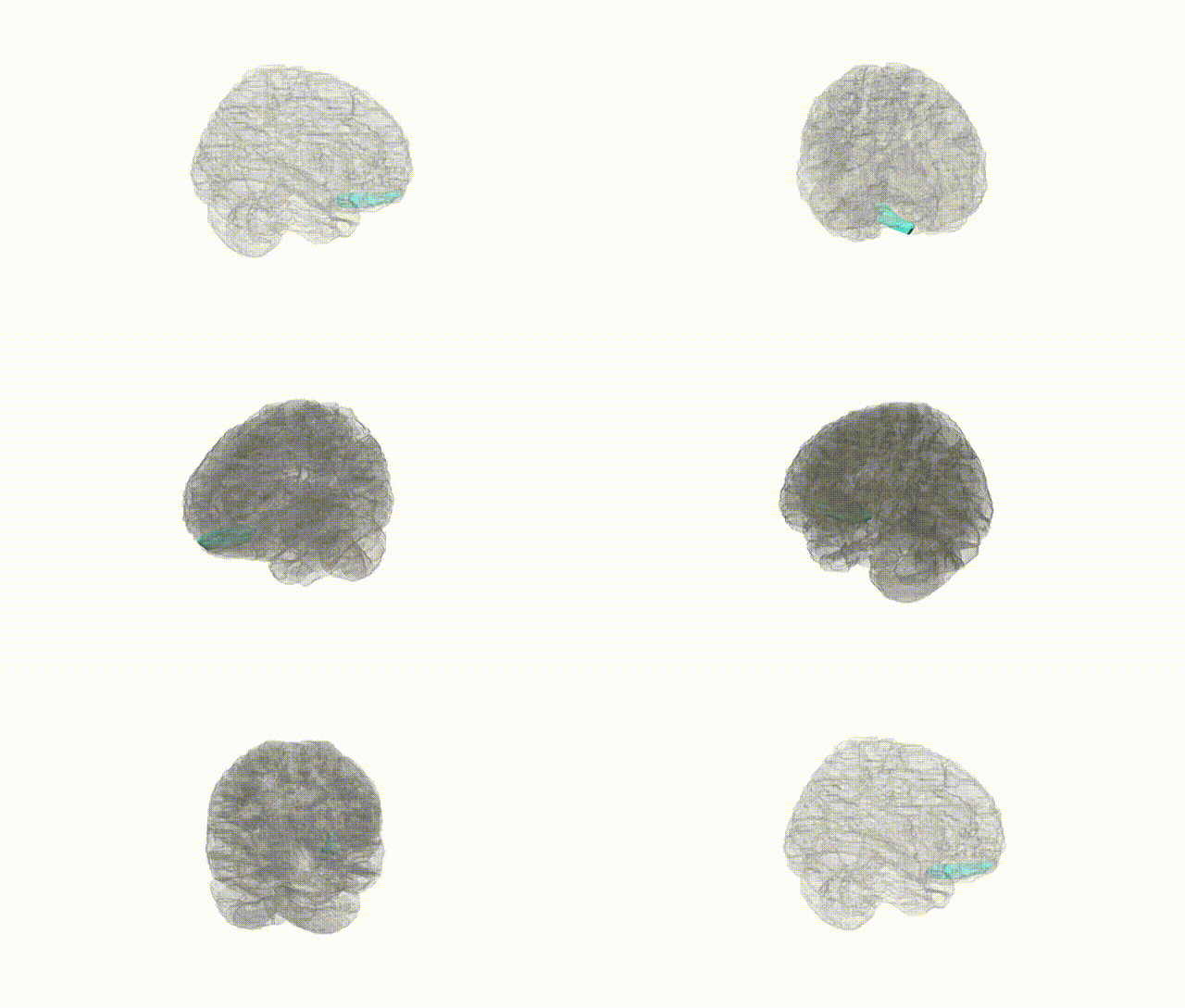
Full Quality Version: Download MP4
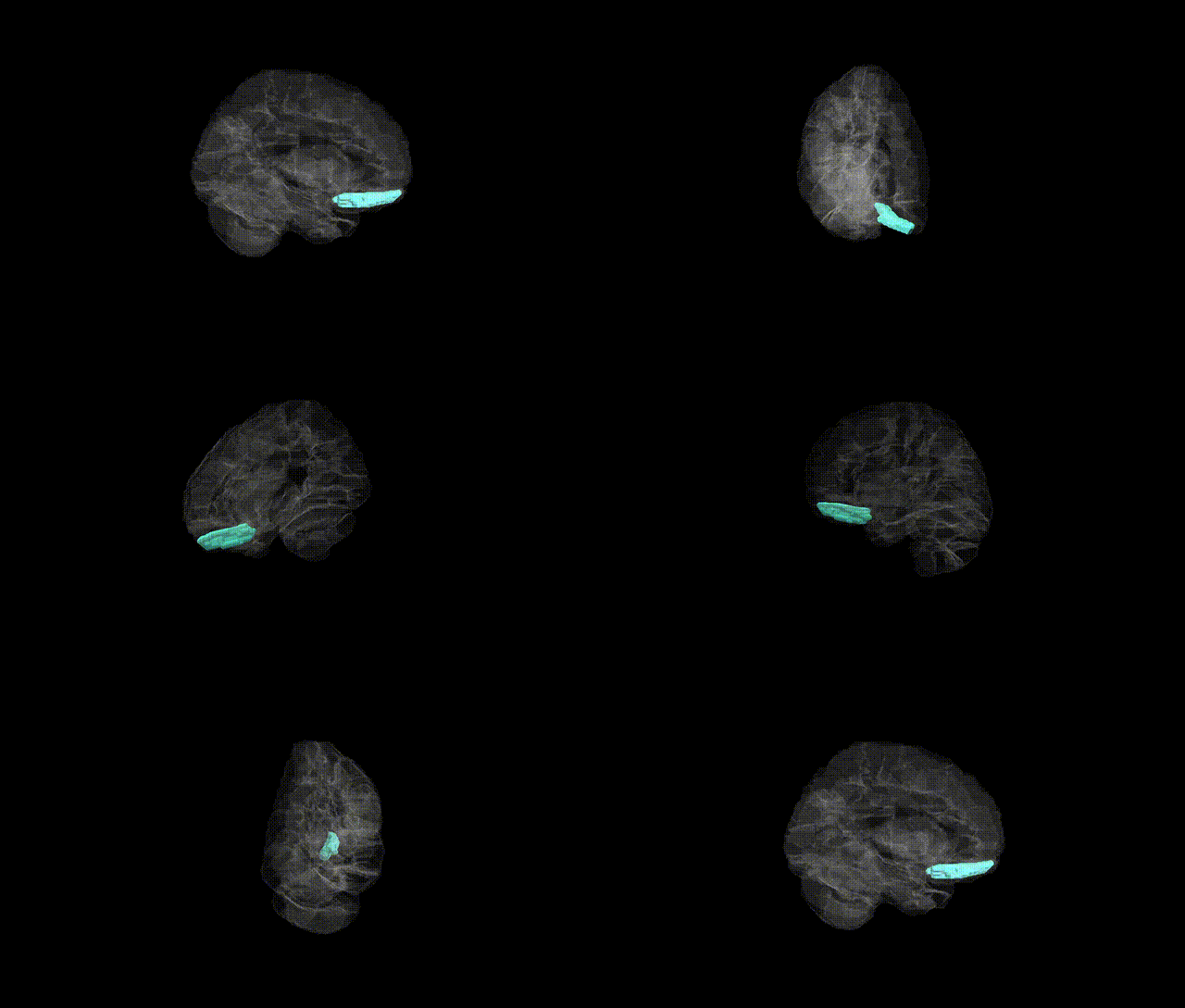
Full Quality Version: Download MP4
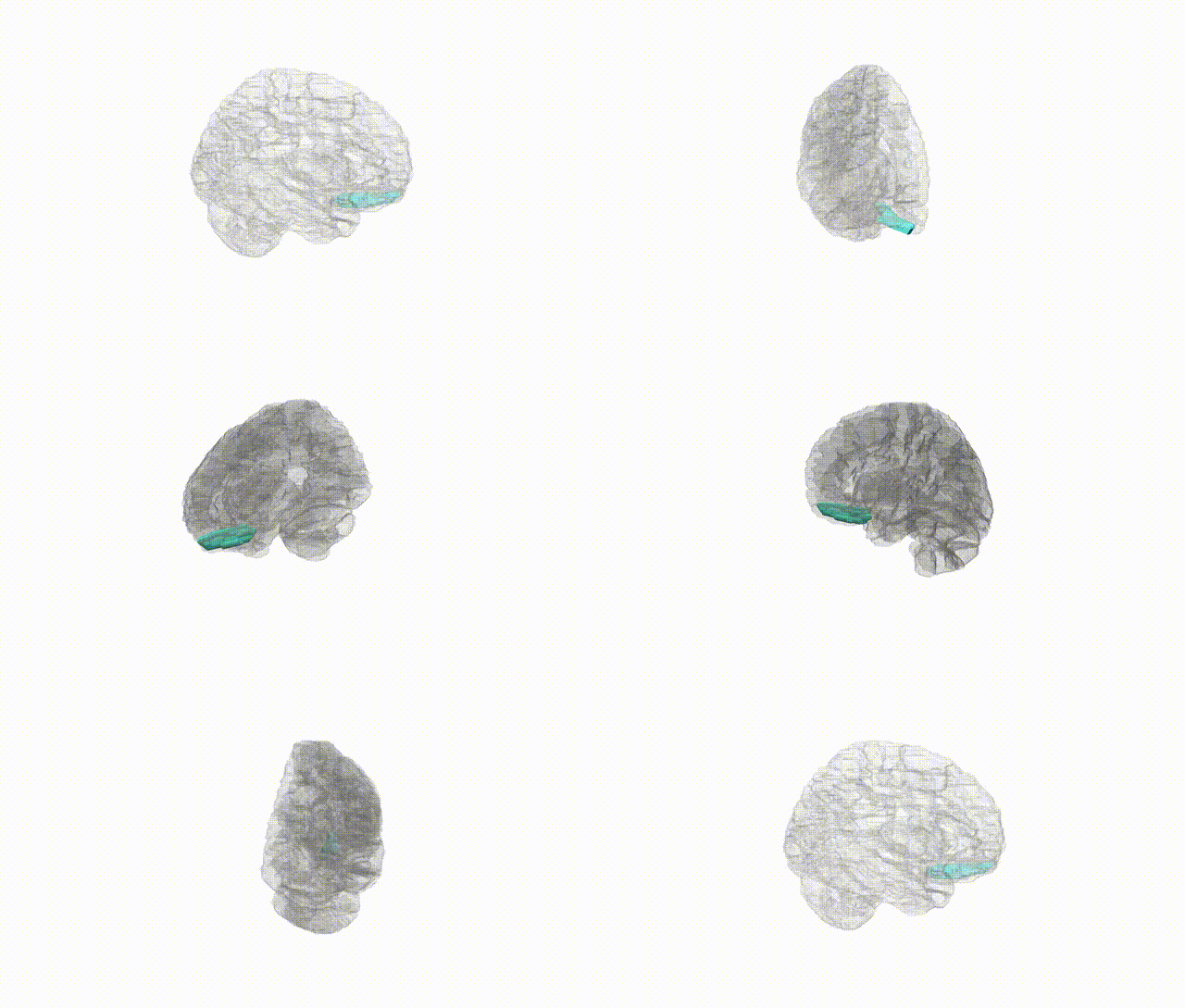
Full Quality Version: Download MP4
Wali Sidiqyar*, Gaurav Rudravaram*, Elyssa M. McMaster, Trent M. Schwartz, Adam M. Saunders, Kurt G. Schilling, Bennett A. Landman "Introducing SPINS: A Shared Public Visualization Library of Neuroanatomical Structures." Medical Imaging with Deep Learning- short paper
This resource is licensed under CC0 1.0 Universal (Public Domain).