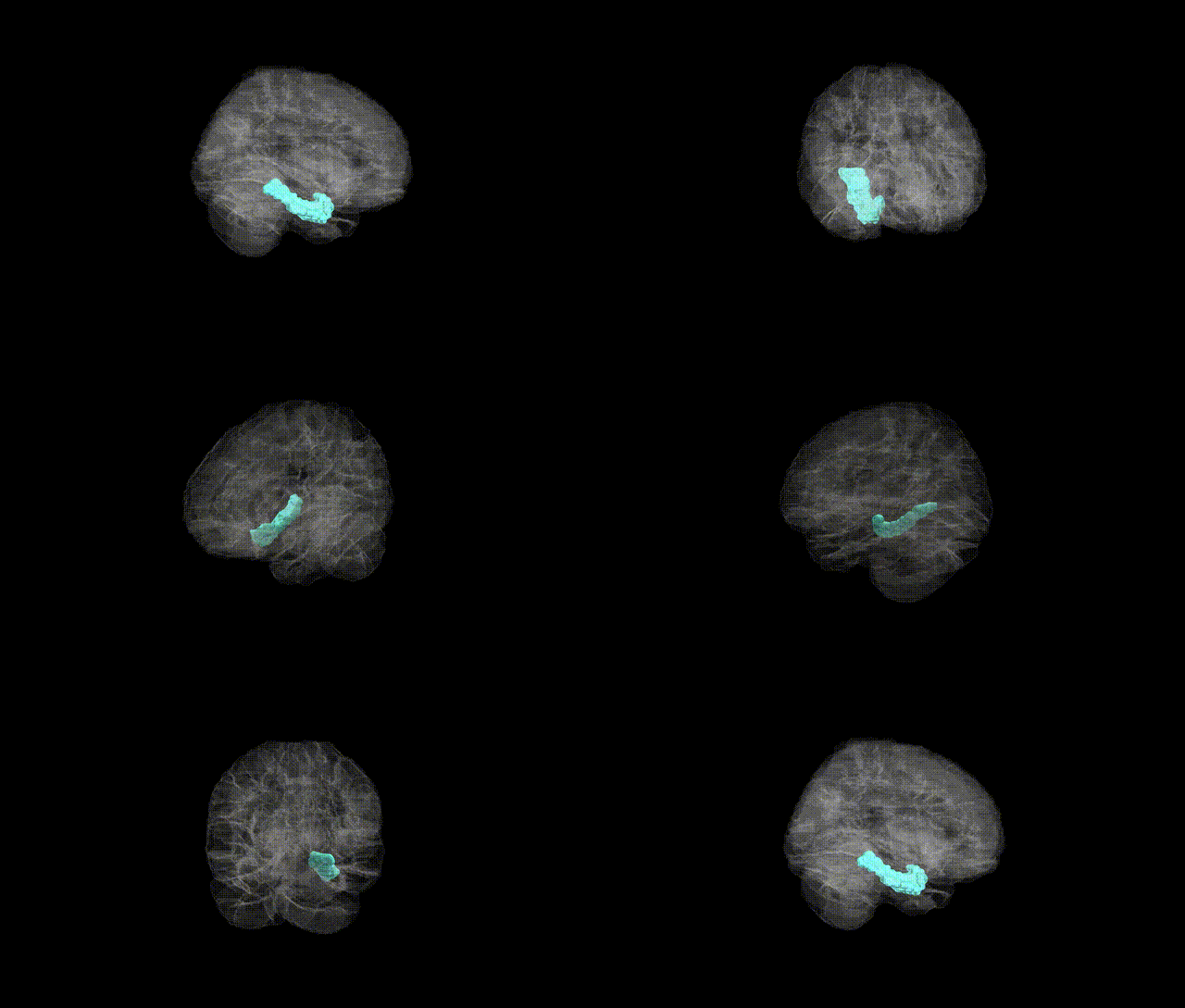
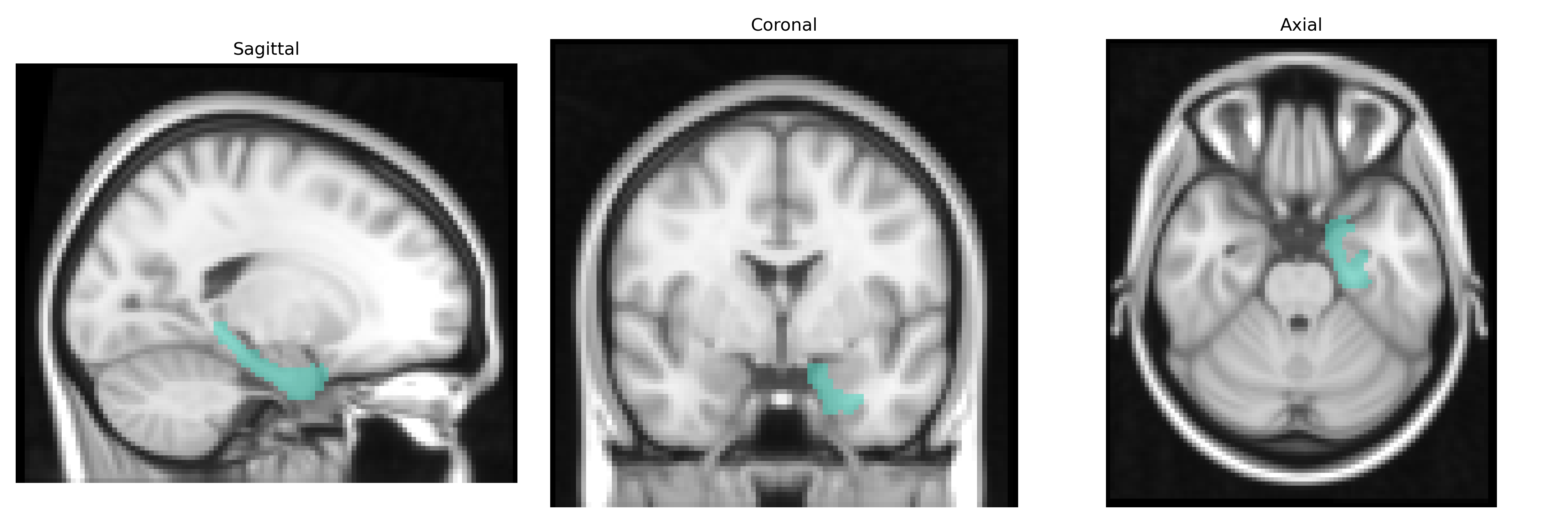
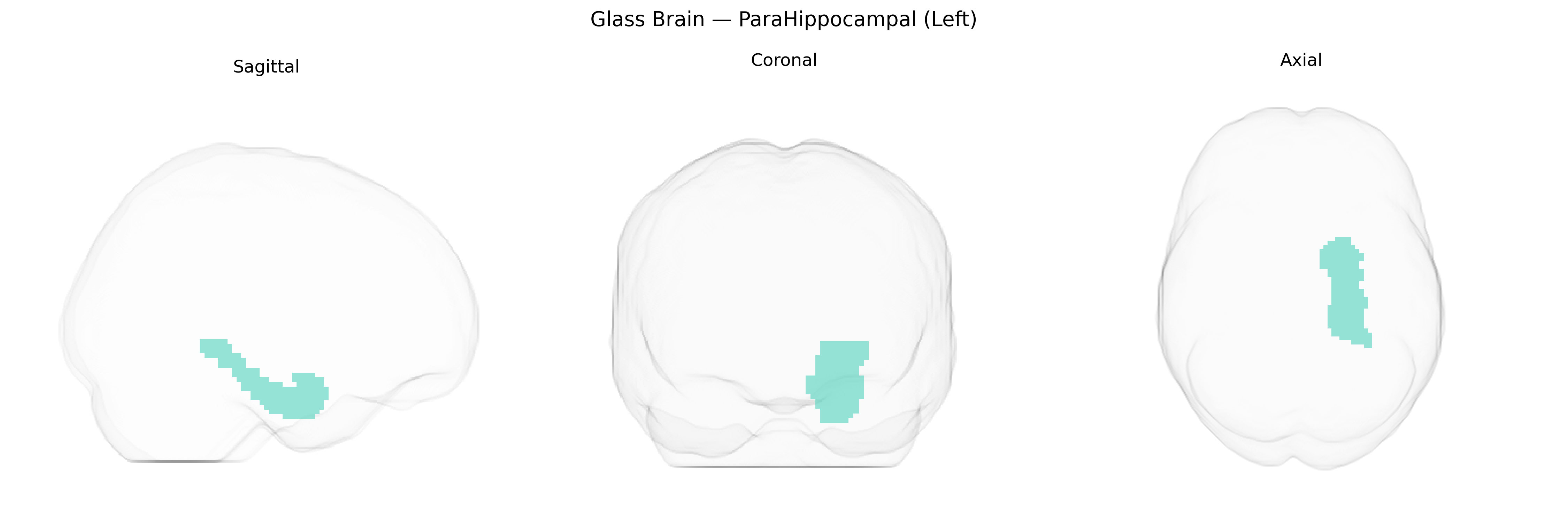
The left parahippocampal region in the AAL2 atlas corresponds primarily to the parahippocampal gyrus, a medial temporal lobe structure that forms part of the limbic system and surrounds the hippocampus. It is cytoarchitectonically heterogeneous, encompassing entorhinal, perirhinal, and parahippocampal cortices, and receives multimodal sensory input that it relays to hippocampal formations. Functionally, this region plays a key role in episodic memory encoding and retrieval, contextual and spatial processing (including scene recognition and navigation), and the integration of visuospatial information with mnemonic representations. It is heavily interconnected with the hippocampus, retrosplenial cortex, and prefrontal areas, and is implicated in neurodegenerative and psychiatric conditions affecting memory and spatial cognition, such as Alzheimer’s disease and temporal lobe epilepsy. Parahippocampal gyrus
Genetic associations involving the left parahippocampal region (AAL2 Left ParaHippocampal) emerge largely from imaging–genetics and GWAS studies of hippocampal and medial temporal lobe structure, memory, and neuropsychiatric disorders. Common variants in APOE (particularly ε4) and CLU have been linked to altered parahippocampal/medial temporal volume and activity, especially in the context of Alzheimer’s disease and age-related memory decline. Genome-wide studies of hippocampal and related medial temporal lobe volumes from large consortia (e.g., ENIGMA, UK Biobank) have repeatedly implicated loci in genes involved in neuronal development and synaptic function, including SORL1, MAPT, and genes near 12q24 and 2q24, with effects often observable in parahippocampal subregions. Polygenic risk scores for Alzheimer’s disease, schizophrenia, and major depression show associations with reduced medial temporal and parahippocampal thickness or volume, and imaging–genetics work links risk alleles in genes such as BDNF (e.g., Val66Met), DISC1, and NRG1 to altered parahippocampal activation during episodic memory and emotional processing tasks. Additionally, GWAS of traits like general cognitive ability, educational attainment, and neuroticism report enrichment of associated variants in gene sets highly expressed in hippocampal and parahippocampal cortices, suggesting that genetic architectures influencing cognition and affect often converge on this medial temporal region, though precise, left-lateralized parahippocampal–specific loci remain less well characterized than broader hippocampal or temporal lobe measures.
Overview generated by GPT-4o (2026).
Region ID: 4111
Hemisphere: left
Atlas: AAL2
Full Quality Version: Download MP4
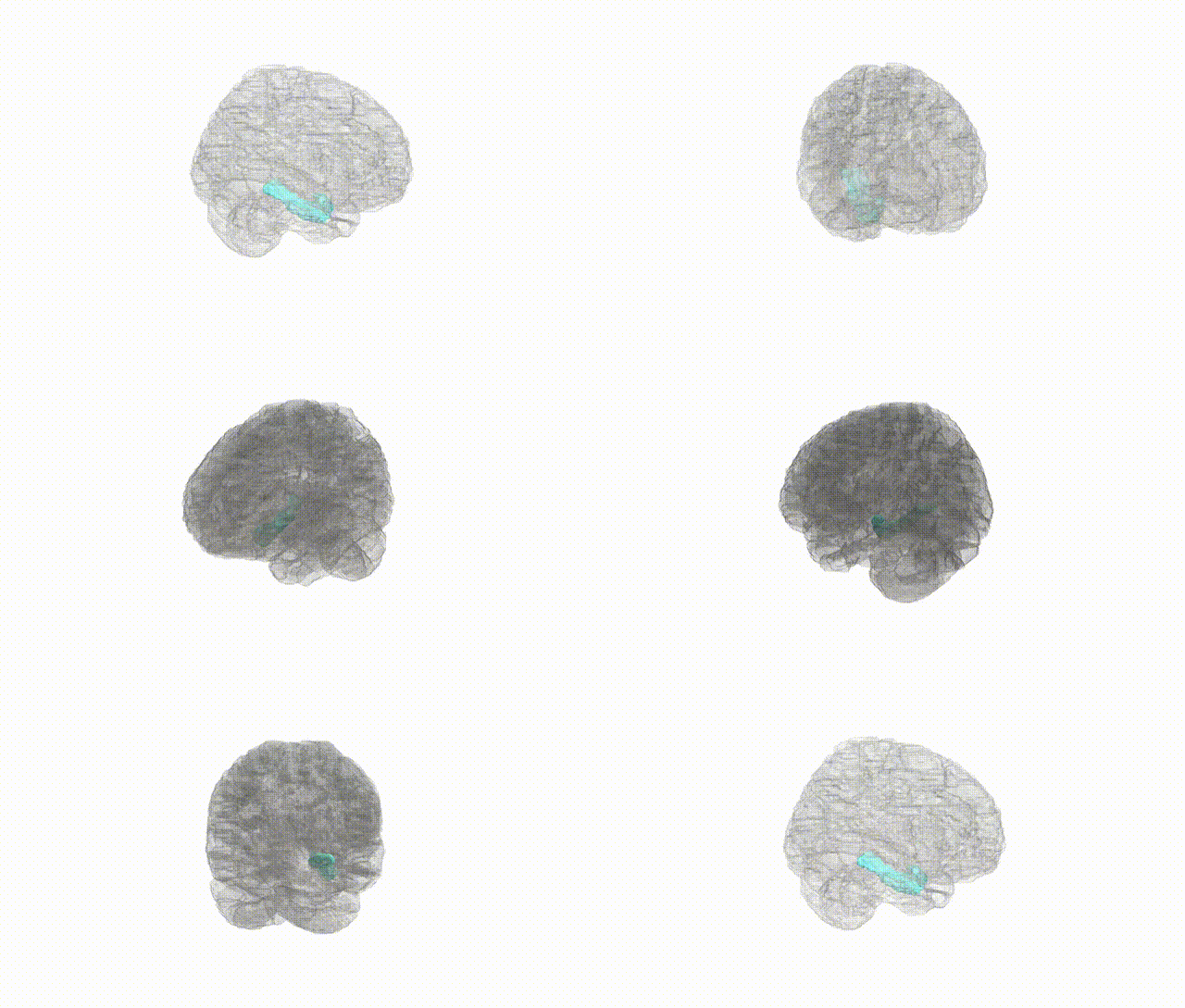
Full Quality Version: Download MP4
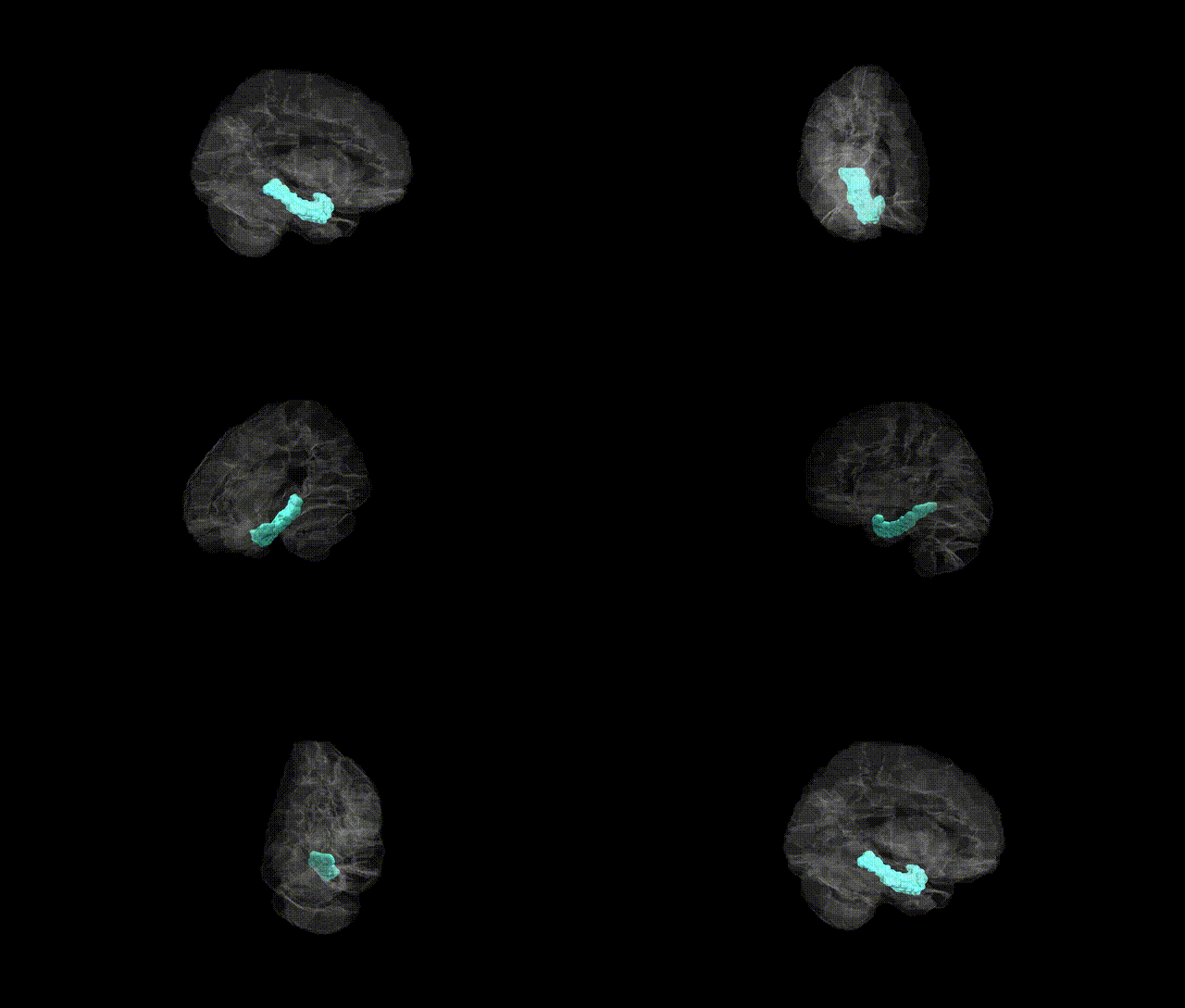
Full Quality Version: Download MP4
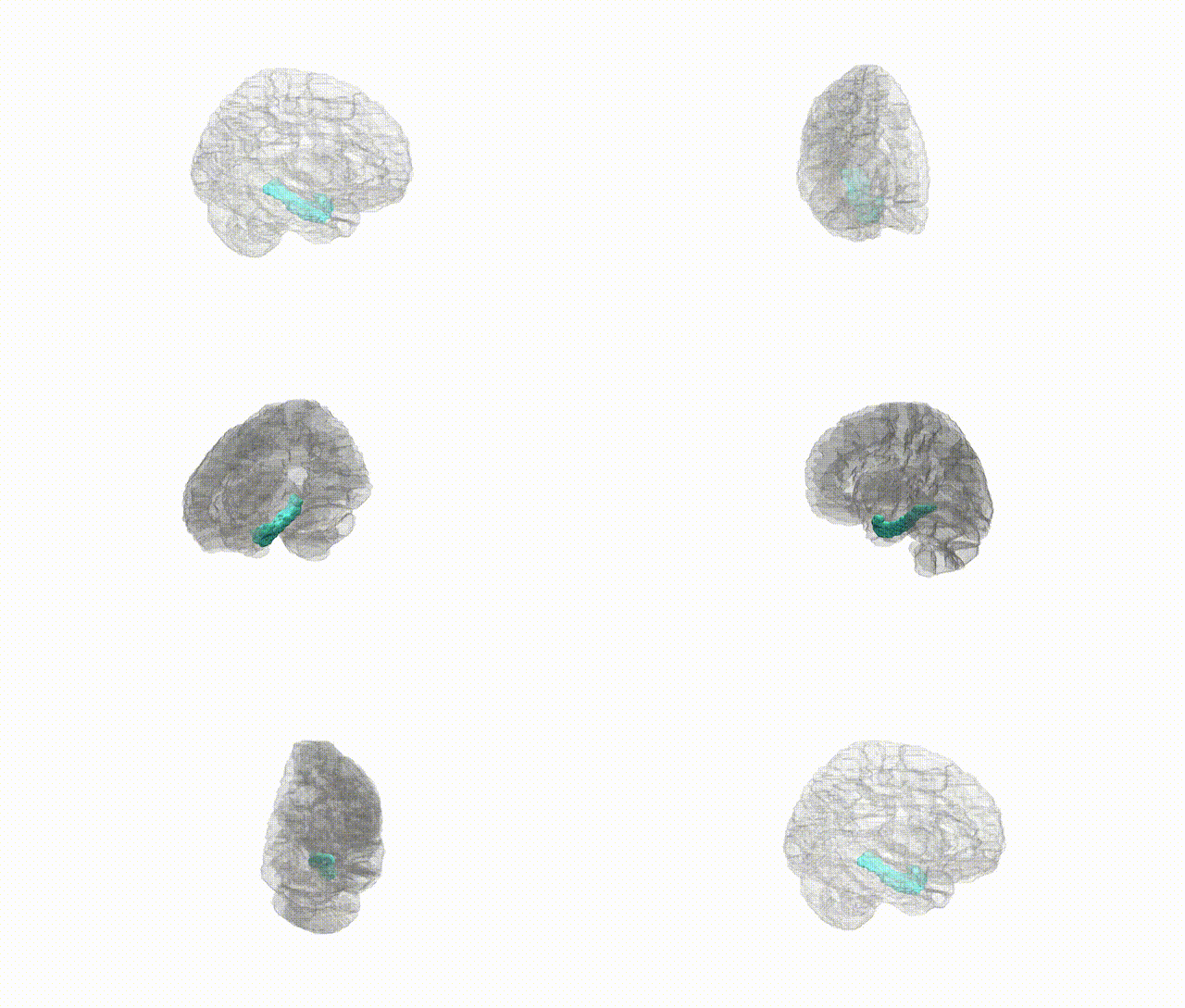
Full Quality Version: Download MP4
Wali Sidiqyar*, Gaurav Rudravaram*, Elyssa M. McMaster, Trent M. Schwartz, Adam M. Saunders, Kurt G. Schilling, Bennett A. Landman "Introducing SPINS: A Shared Public Visualization Library of Neuroanatomical Structures." Medical Imaging with Deep Learning- short paper
This resource is licensed under CC0 1.0 Universal (Public Domain).