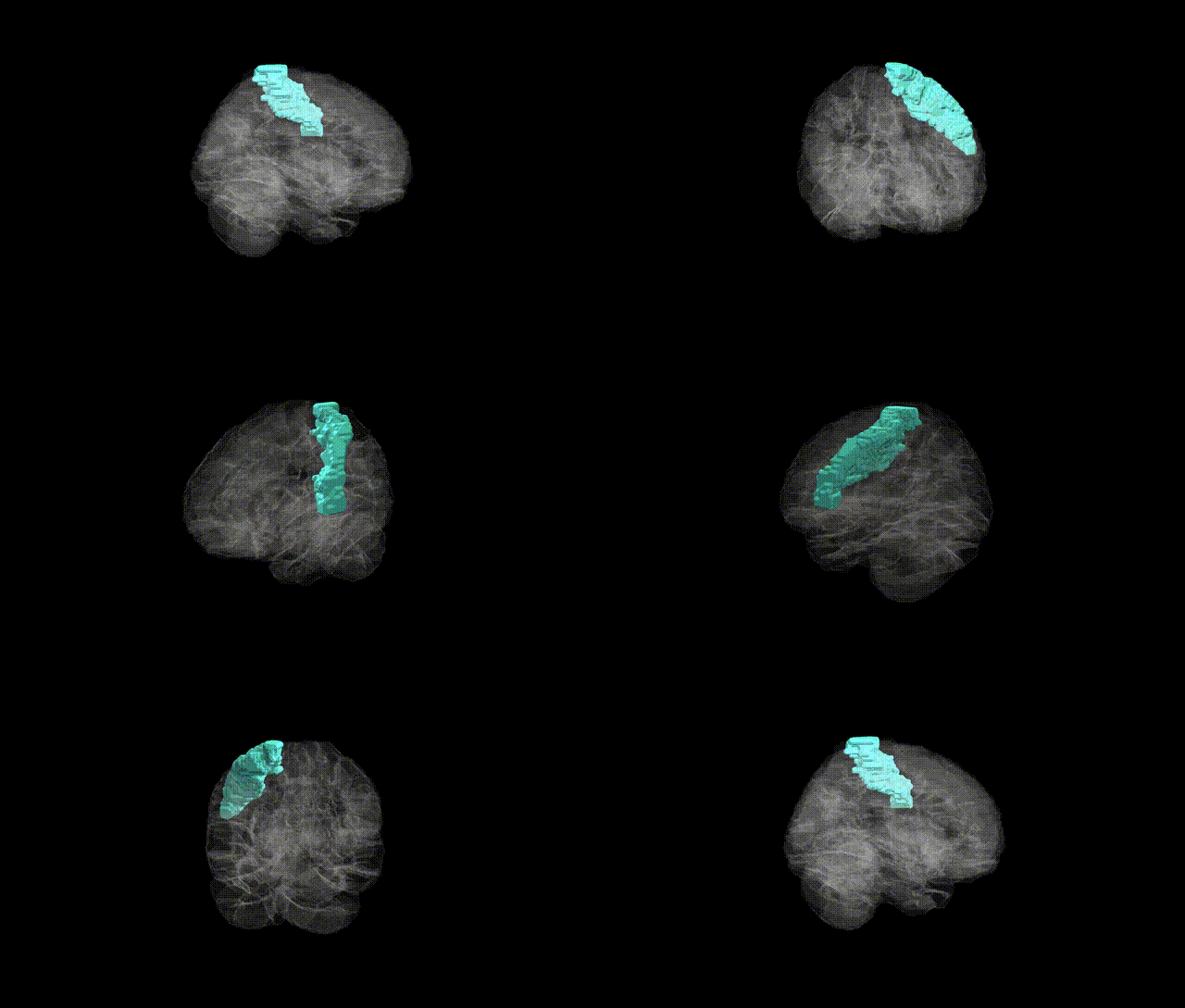
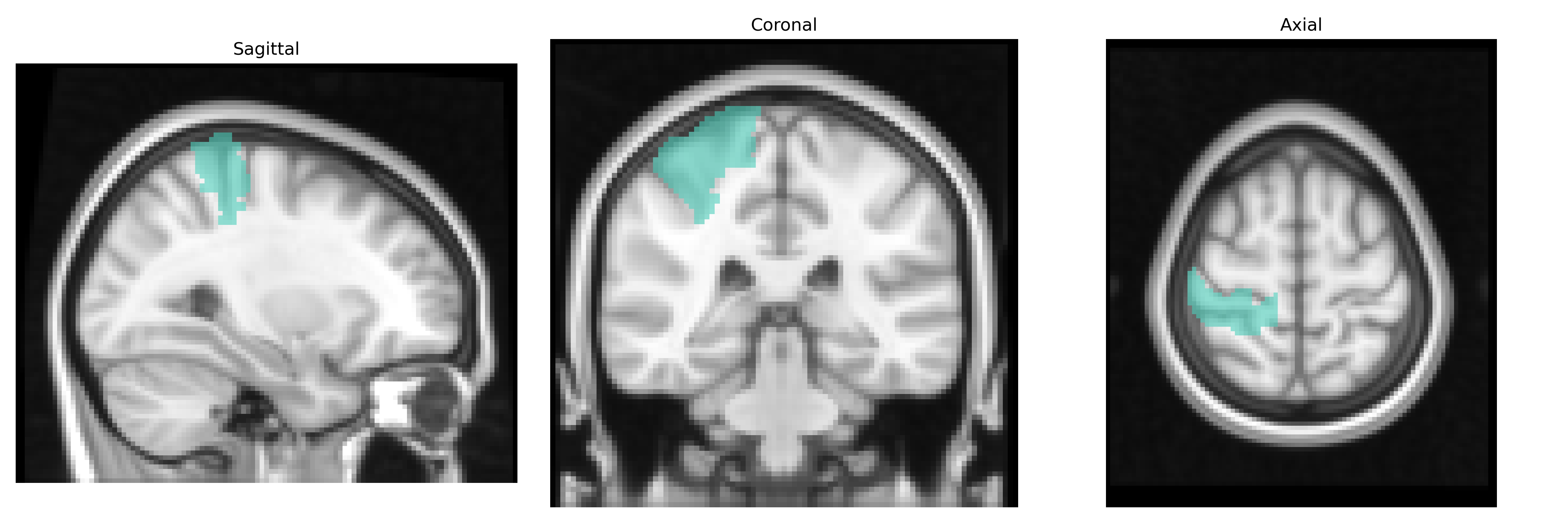
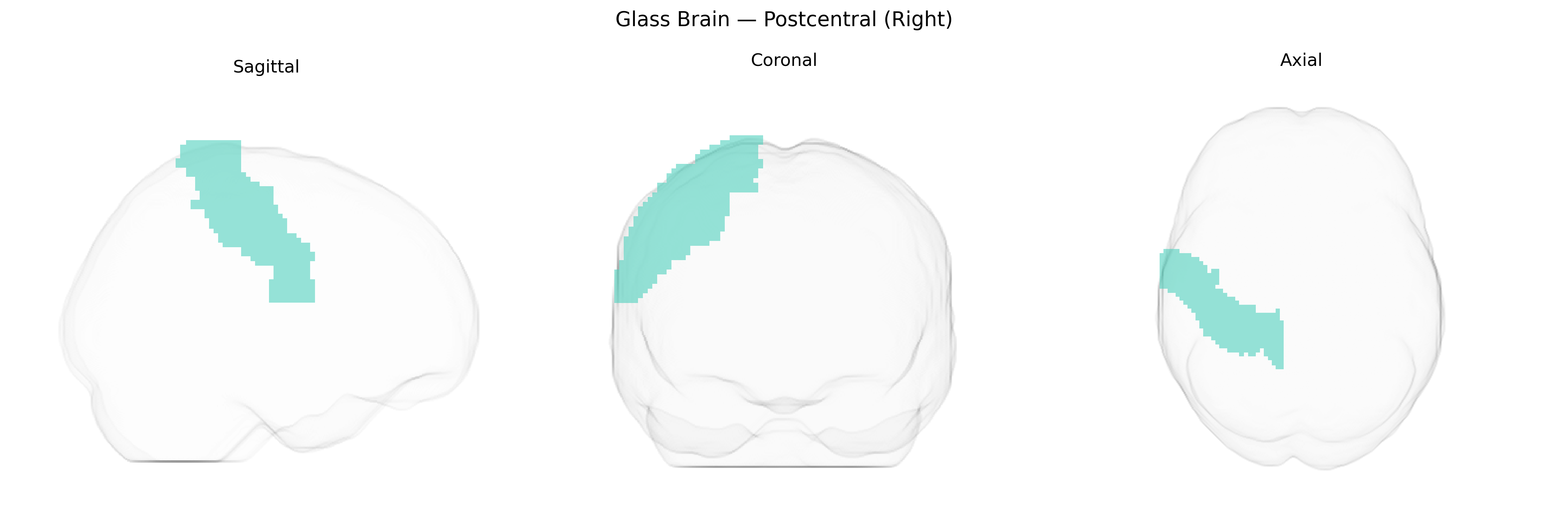
The right Postcentral gyrus (Postcentral_R in the AAL2 atlas) corresponds to the primary somatosensory cortex (Brodmann areas 3, 1, and 2) located in the parietal lobe, immediately posterior to the central sulcus and superior to the lateral sulcus. It is somatotopically organized, forming part of the sensory homunculus, and receives dense thalamocortical input from the ventral posterior nuclei of the thalamus, mediating conscious perception of tactile, proprioceptive, and nociceptive stimuli from the contralateral side of the body. Functionally, this region supports fine touch discrimination, vibration sense, joint position sense, and aspects of sensorimotor integration critical for stereognosis and coordinated movement; lesions typically result in contralateral sensory deficits, including astereognosis and impaired proprioception. Primary somatosensory cortex
The right postcentral gyrus, corresponding to primary somatosensory cortex in the AAL2 atlas, has been implicated in several genetic and GWAS-based associations involving sensory processing, pain perception, and neuropsychiatric traits. Imaging genetics studies have linked common variants in genes affecting synaptic plasticity and neurodevelopment—such as BDNF (e.g., Val66Met), NRG1, and COMT—to structural and functional differences in postcentral regions, including cortical thickness and activation during tactile or pain-related tasks. Large-scale ENIGMA and UK Biobank imaging GWAS have identified loci near genes involved in neuronal migration and cortical patterning (e.g., LAMC3, CENPQ/MAPT region, and others) that associate with somatosensory cortical surface area and thickness, though these findings are typically reported for combined bilateral or lobar measures rather than the right postcentral region in isolation. Somatosensory cortex, including right postcentral, shows altered structure and activation associated with genetic risk for migraine (e.g., variants in TRPM8 and other pain-related pathways), chronic pain conditions, and autism spectrum disorder, where risk genes involved in synapse formation (e.g., SHANK3, CNTNAP2) and excitation–inhibition balance have been linked to atypical sensory processing and corresponding cortical differences. In schizophrenia and bipolar disorder, polygenic risk scores and specific loci (such as those in calcium-channel genes like CACNA1C) have been related to widespread cortical changes that encompass postcentral regions, suggesting an indirect genetic influence on somatosensory networks. Overall, genetic associations involving the right postcentral gyrus are mostly inferred from broader somatosensory or whole-brain imaging GWAS rather than region-specific studies, but consistently point to genes regulating neurodevelopment, synaptic function, and sensory/pain processing as contributors to its structural and functional variability and to disease-related alterations.
Overview generated by GPT-4o (2026).
Region ID: 6002
Hemisphere: right
Atlas: AAL2
Full Quality Version: Download MP4
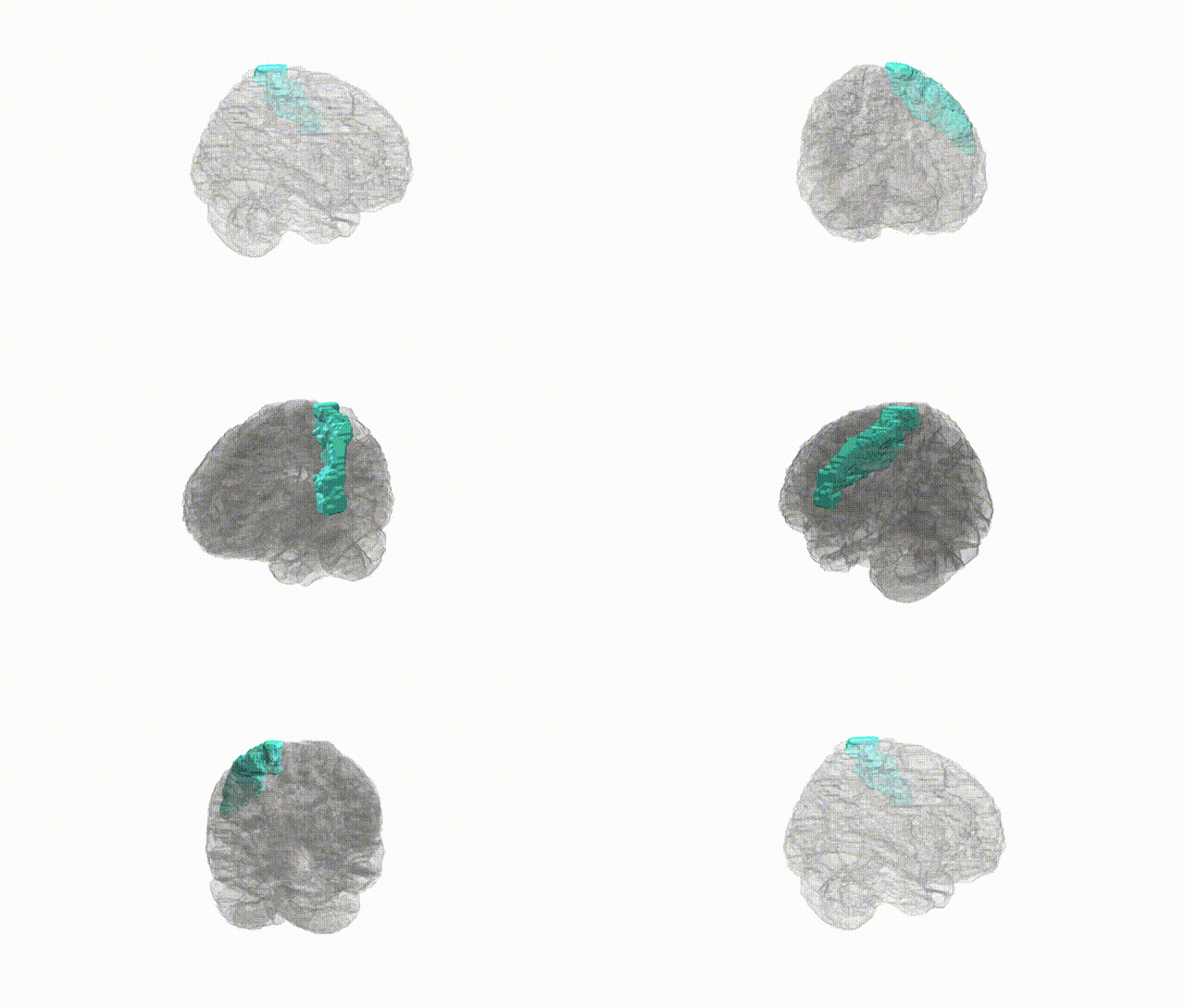
Full Quality Version: Download MP4
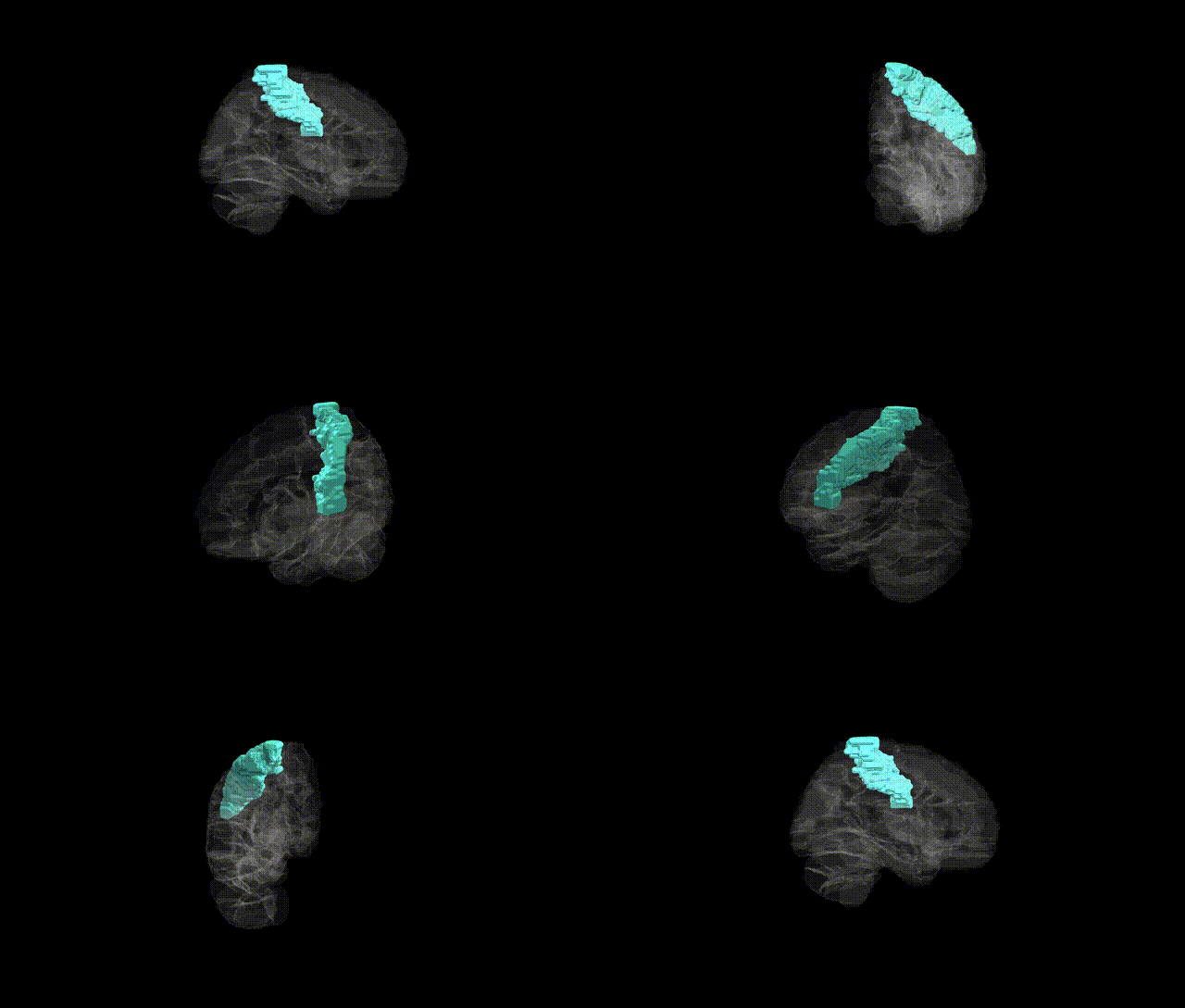
Full Quality Version: Download MP4
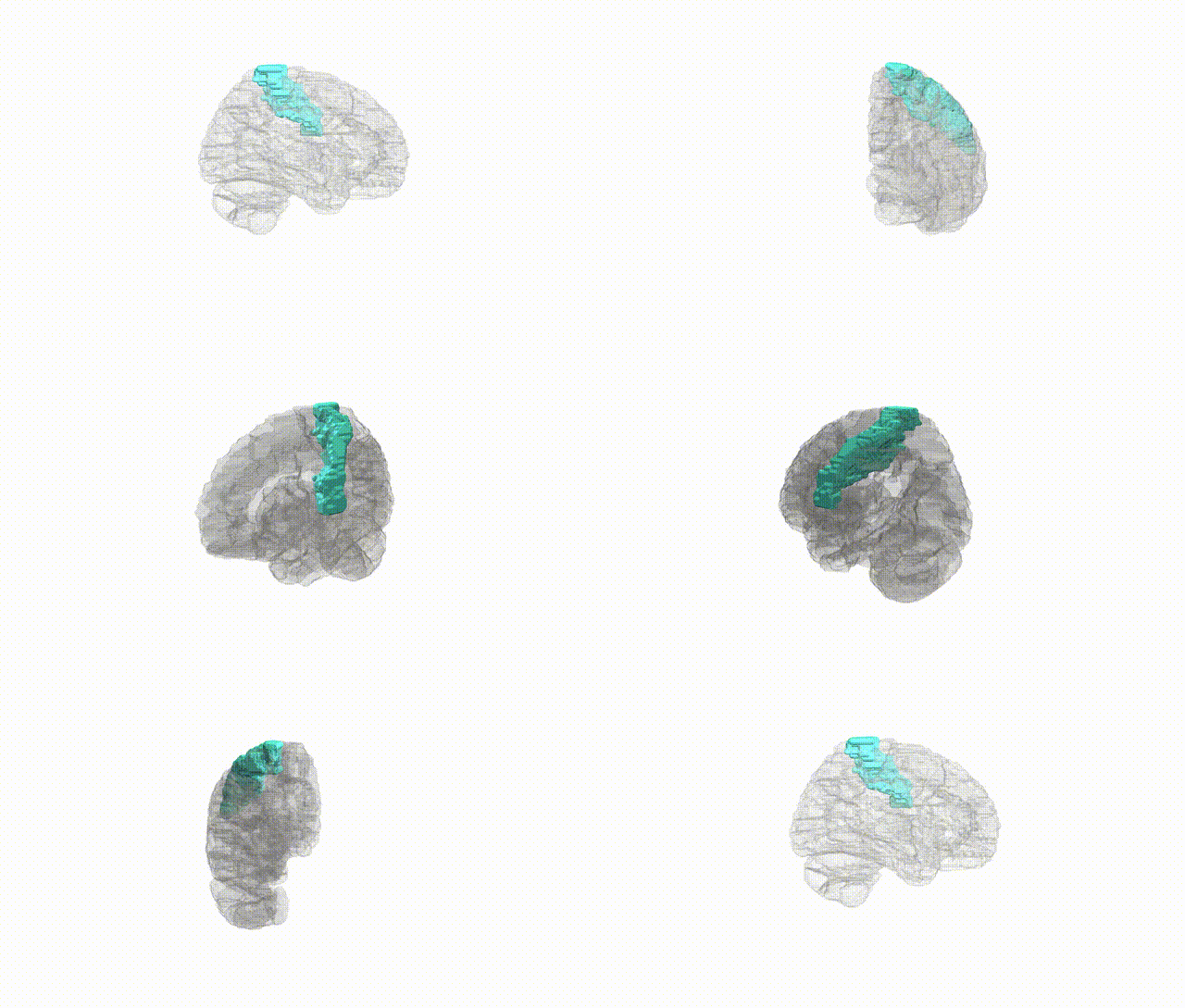
Full Quality Version: Download MP4
Wali Sidiqyar*, Gaurav Rudravaram*, Elyssa M. McMaster, Trent M. Schwartz, Adam M. Saunders, Kurt G. Schilling, Bennett A. Landman "Introducing SPINS: A Shared Public Visualization Library of Neuroanatomical Structures." Medical Imaging with Deep Learning- short paper
This resource is licensed under CC0 1.0 Universal (Public Domain).