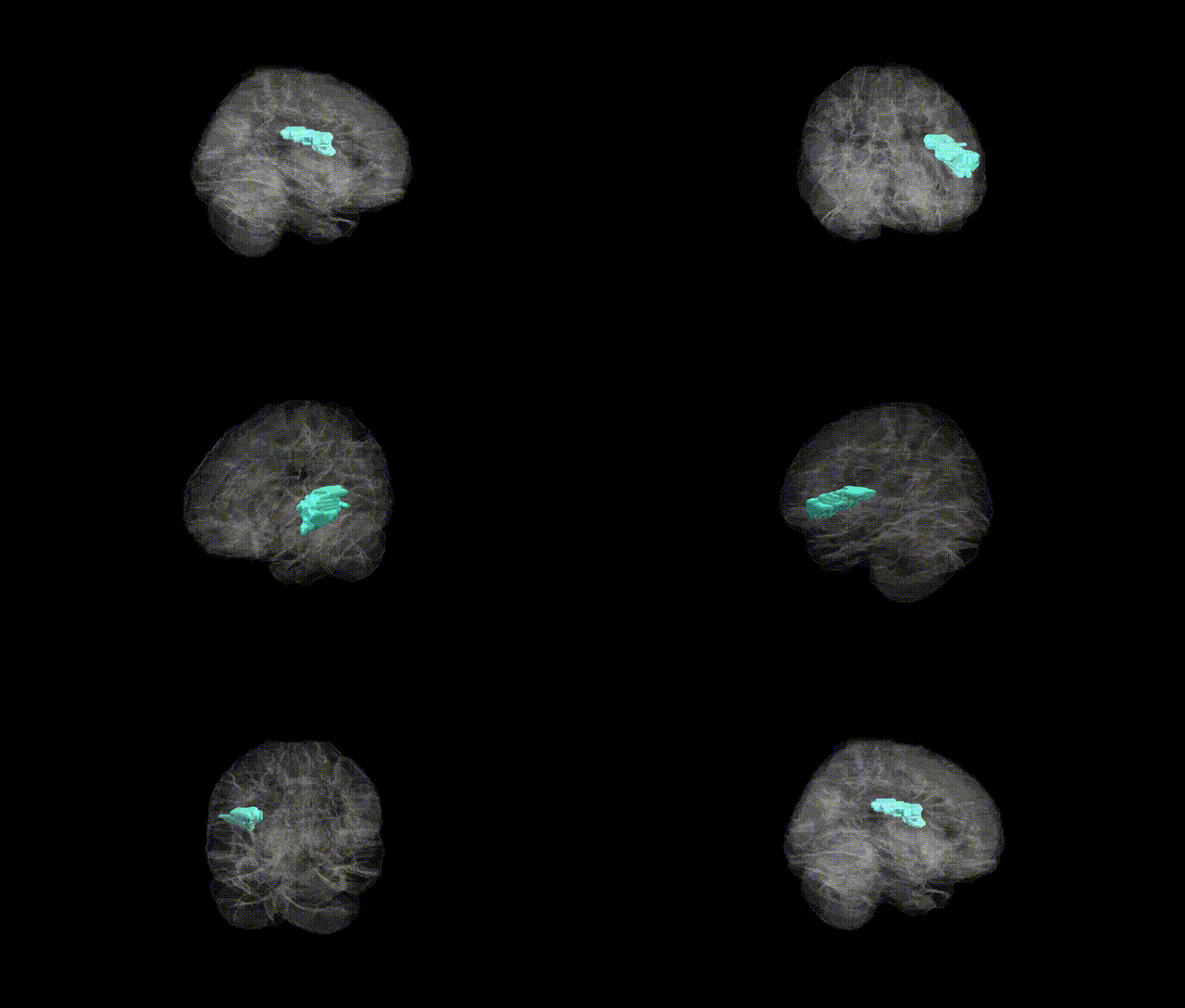
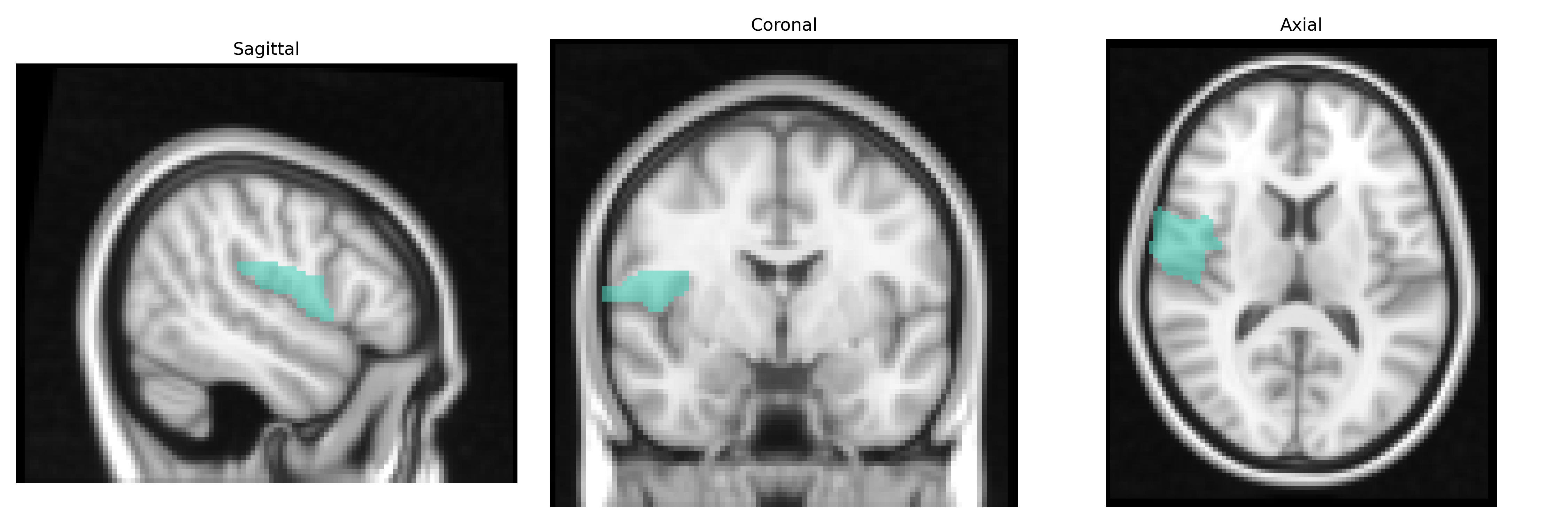
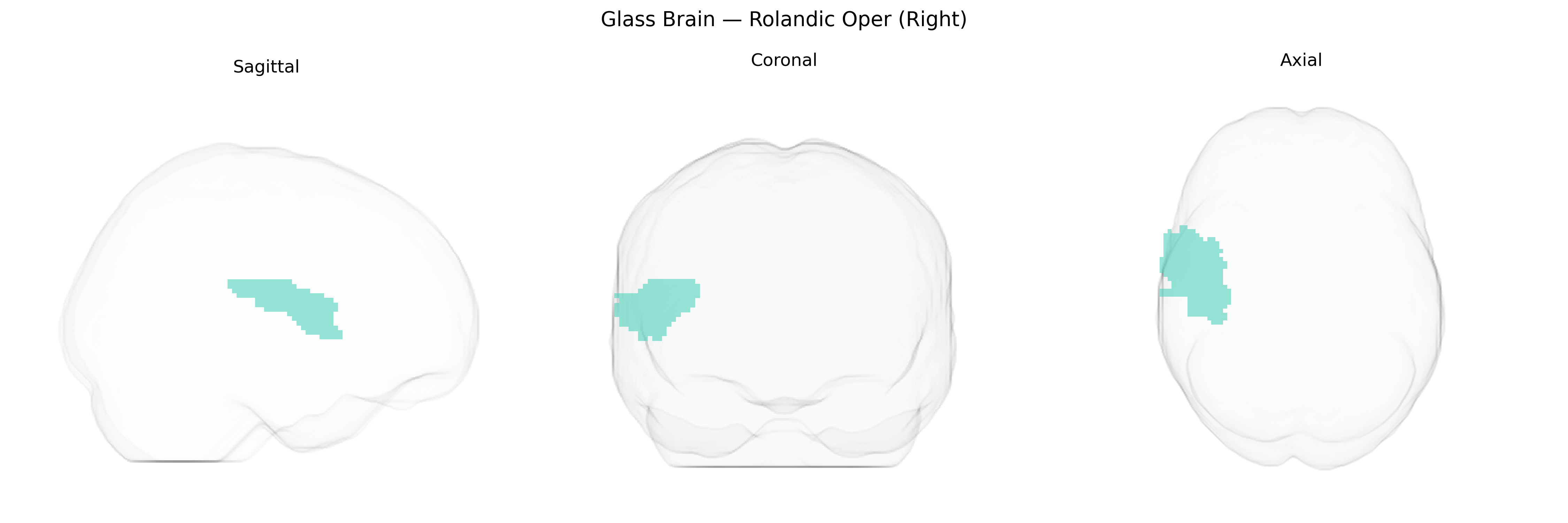
The Right Rolandic Operculum is a cortical region located in the right hemisphere along the lower part of the precentral and postcentral gyri, forming part of the opercular cortex that covers the insula within the lateral sulcus. In the AAL2 atlas, it is associated with sensorimotor integration and orofacial functions, including aspects of speech articulation, somatosensory processing of the mouth and face, and coordination of fine motor control in the perisylvian area. Cytoarchitectonically, this region overlaps with parts of the primary somatosensory and motor cortices and adjacent secondary somatosensory areas, and it is structurally connected with the insular cortex, inferior frontal gyrus, and superior temporal regions involved in language and auditory processing. There is no direct Wikipedia article for the “Rolandic Operculum,” but it is part of the broader Operculum (brain) and closely related to the Central sulcus region.
Genetic associations involving the right Rolandic Operculum (Right Rolandic Oper) as defined in the AAL2 atlas are still relatively sparse and often derive from broader opercular or perisylvian-region analyses, but several themes have emerged from imaging genetics and GWAS-related work. Variants in genes implicated in cortical development and synaptic function (such as FOXP2, CNTNAP2, and KIAA0319, frequently studied for language and reading) have been associated with morphometric or functional alterations in perisylvian opercular regions that include or overlap the Rolandic Operculum, particularly in relation to language, speech motor control, and reading-related traits. GWAS and candidate-gene imaging studies have further linked common polymorphisms in neurodevelopmental and psychiatric risk genes (including those associated with schizophrenia, autism spectrum disorder, and dyslexia) to altered gyrification, cortical thickness, or functional activation in the opercular/peri-Rolandic areas, suggesting a genetic contribution to sensorimotor–language integration. Additionally, variants influencing sensorimotor and somatosensory networks (for example, dopaminergic and glutamatergic pathway genes) have been indirectly related to the Rolandic region through associations with Rolandic epilepsy, motor control, and speech apraxia, though these often implicate a broader fronto-parietal sensorimotor network rather than the right Rolandic Operculum specifically. Overall, while direct GWAS hits explicitly labeled to the “Right Rolandic Operculum” in AAL2 remain rare, convergent genetic evidence from language, reading, epilepsy, and neuropsychiatric studies implicates this region as a genetically modulated hub at the interface of motor, somatosensory, and speech–language circuits.
Overview generated by GPT-4o (2026).
Region ID: 2332
Hemisphere: right
Atlas: AAL2
Full Quality Version: Download MP4
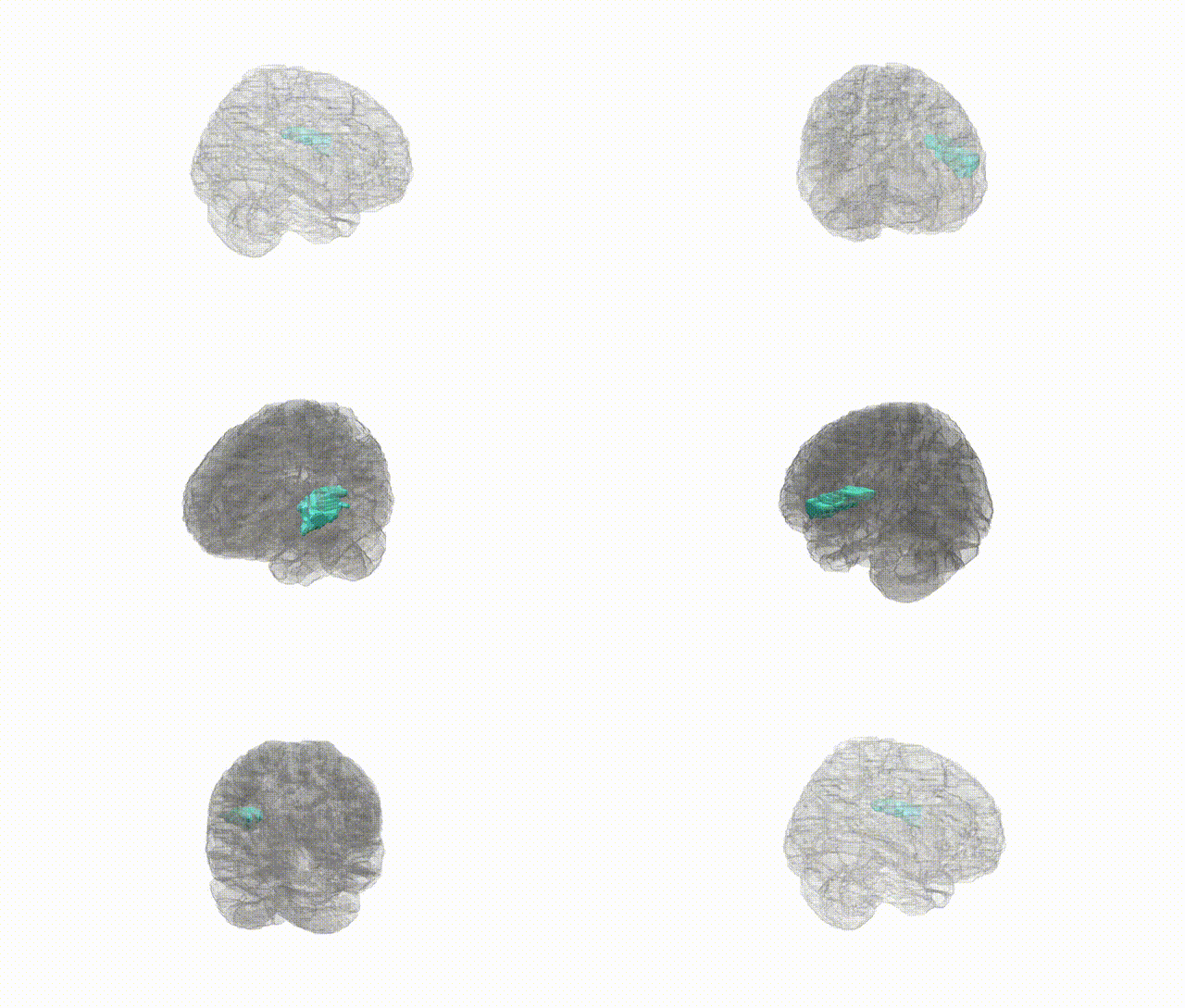
Full Quality Version: Download MP4
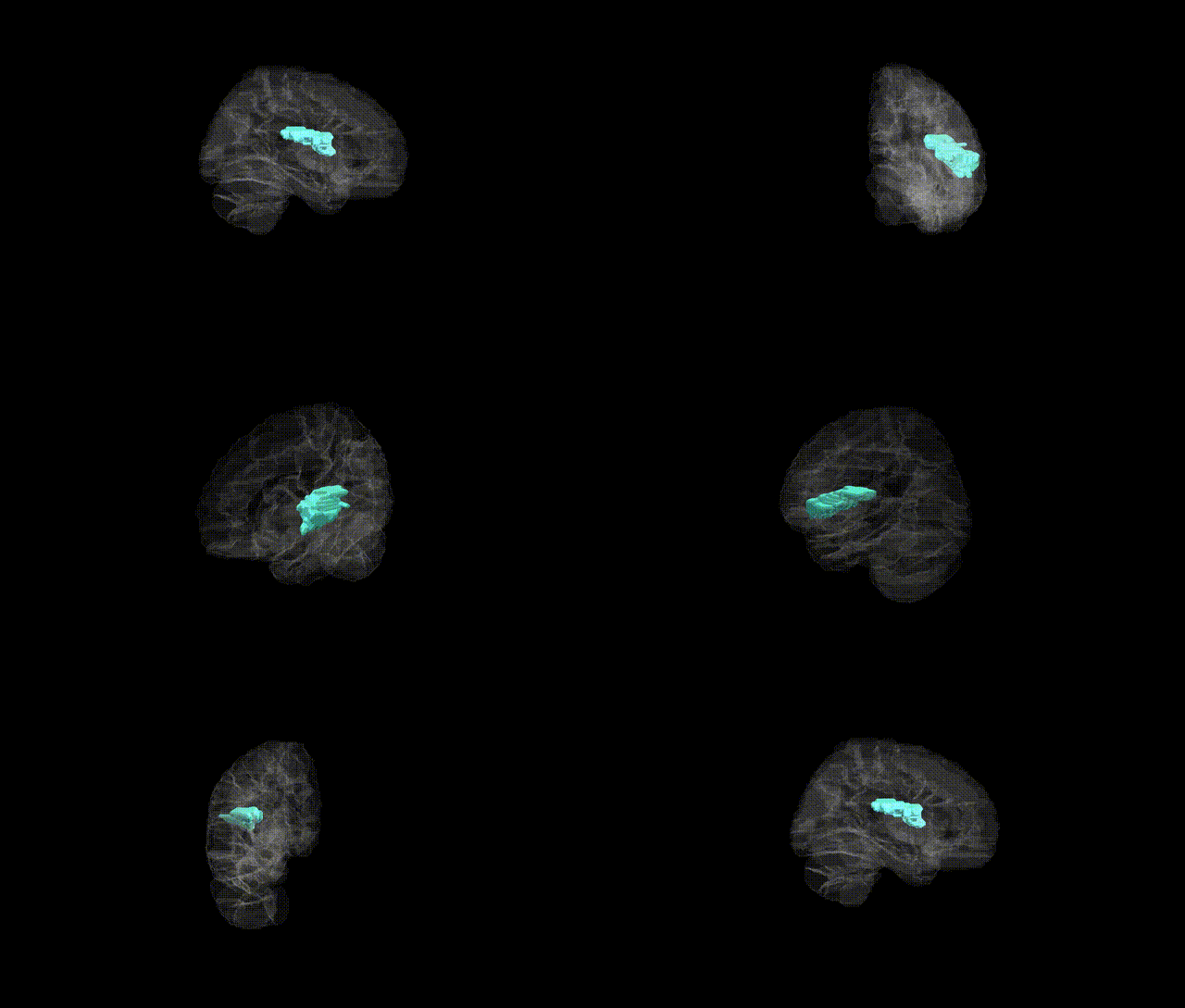
Full Quality Version: Download MP4
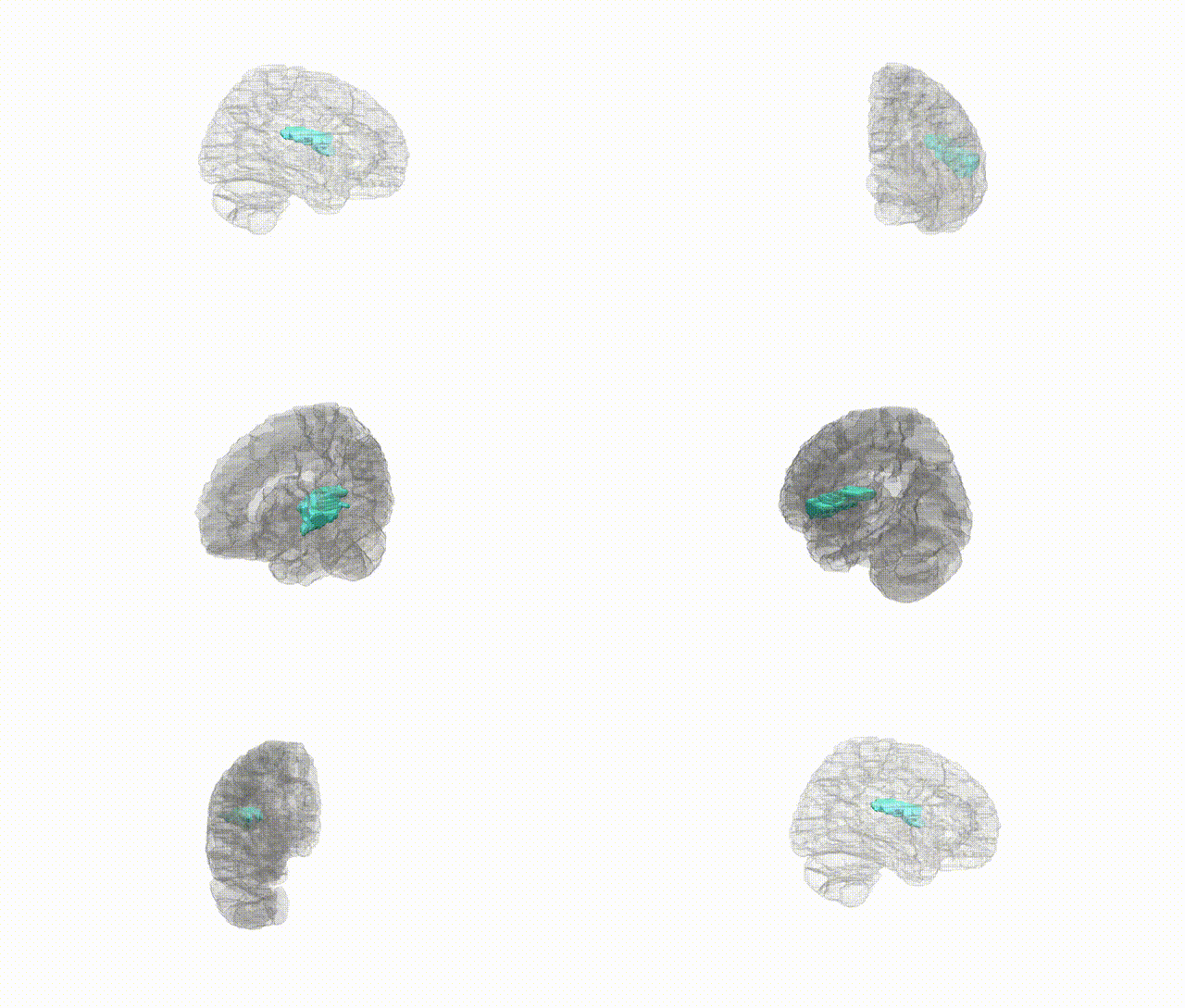
Full Quality Version: Download MP4
Wali Sidiqyar*, Gaurav Rudravaram*, Elyssa M. McMaster, Trent M. Schwartz, Adam M. Saunders, Kurt G. Schilling, Bennett A. Landman "Introducing SPINS: A Shared Public Visualization Library of Neuroanatomical Structures." Medical Imaging with Deep Learning- short paper
This resource is licensed under CC0 1.0 Universal (Public Domain).