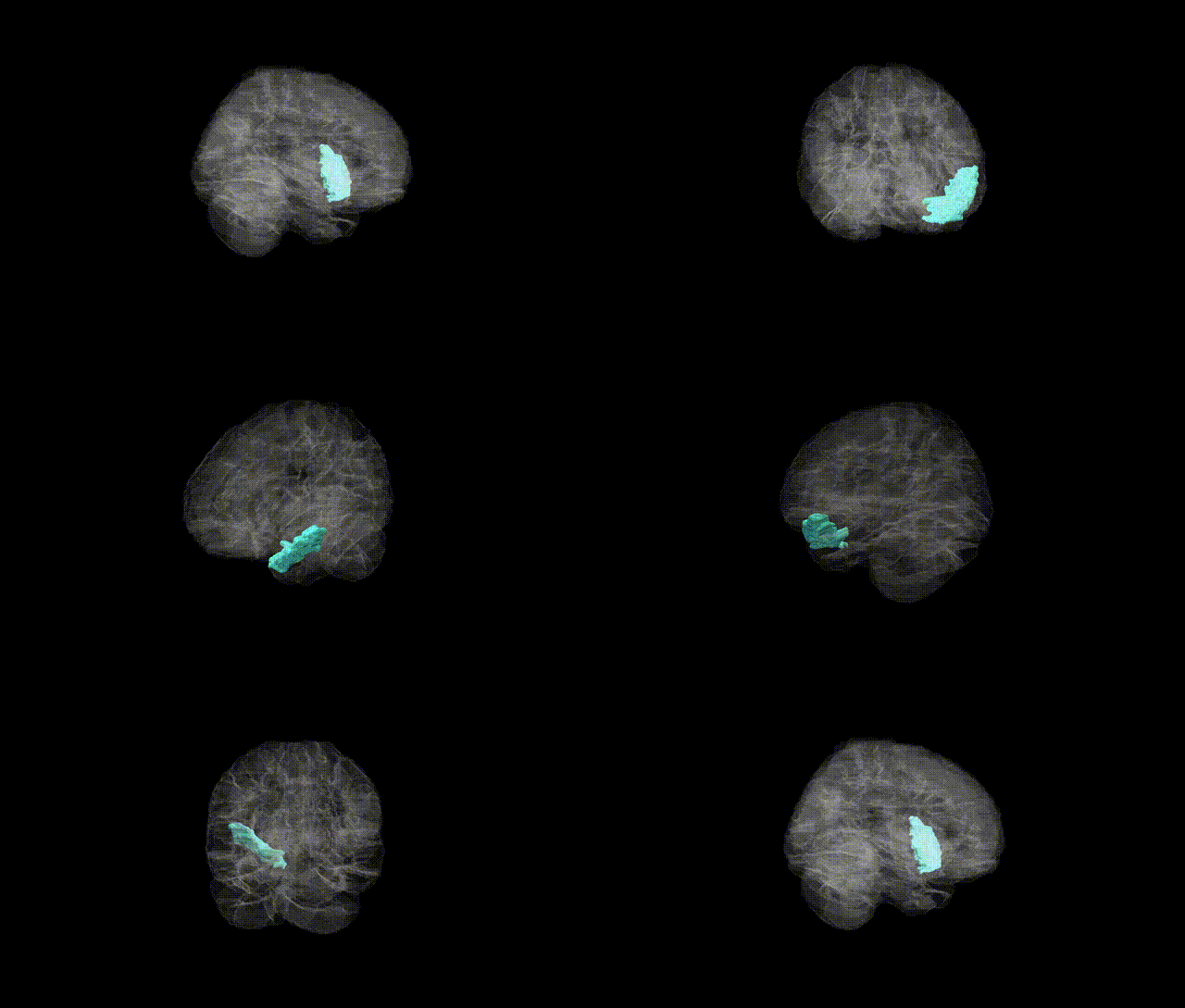
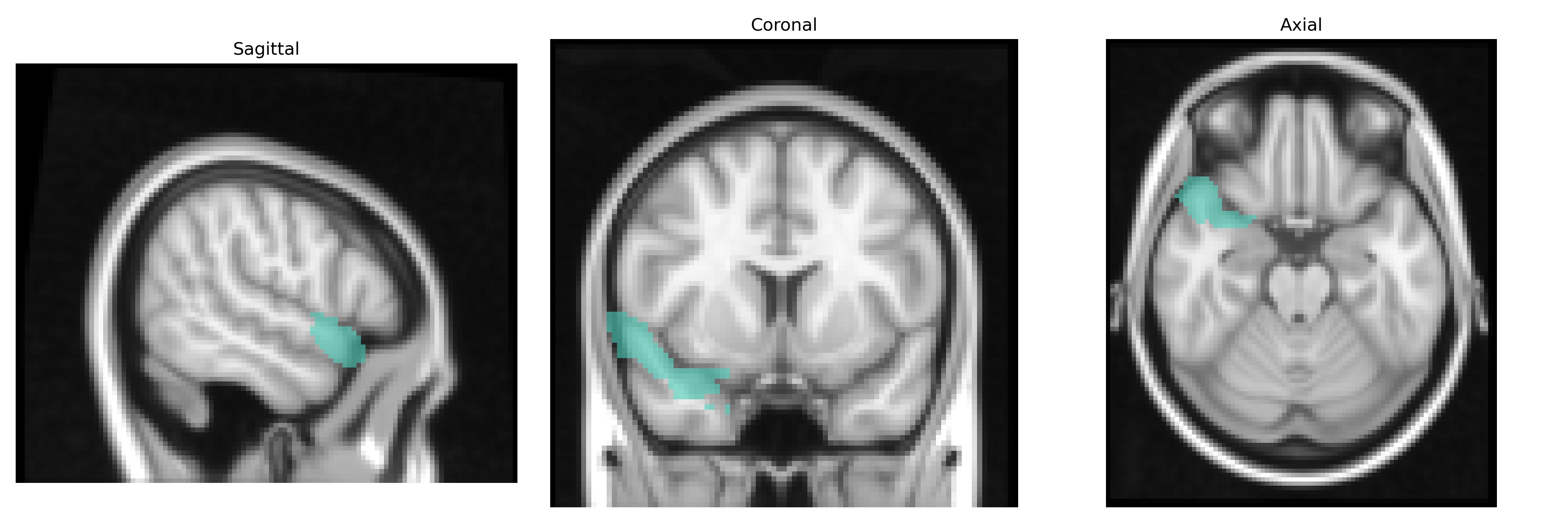
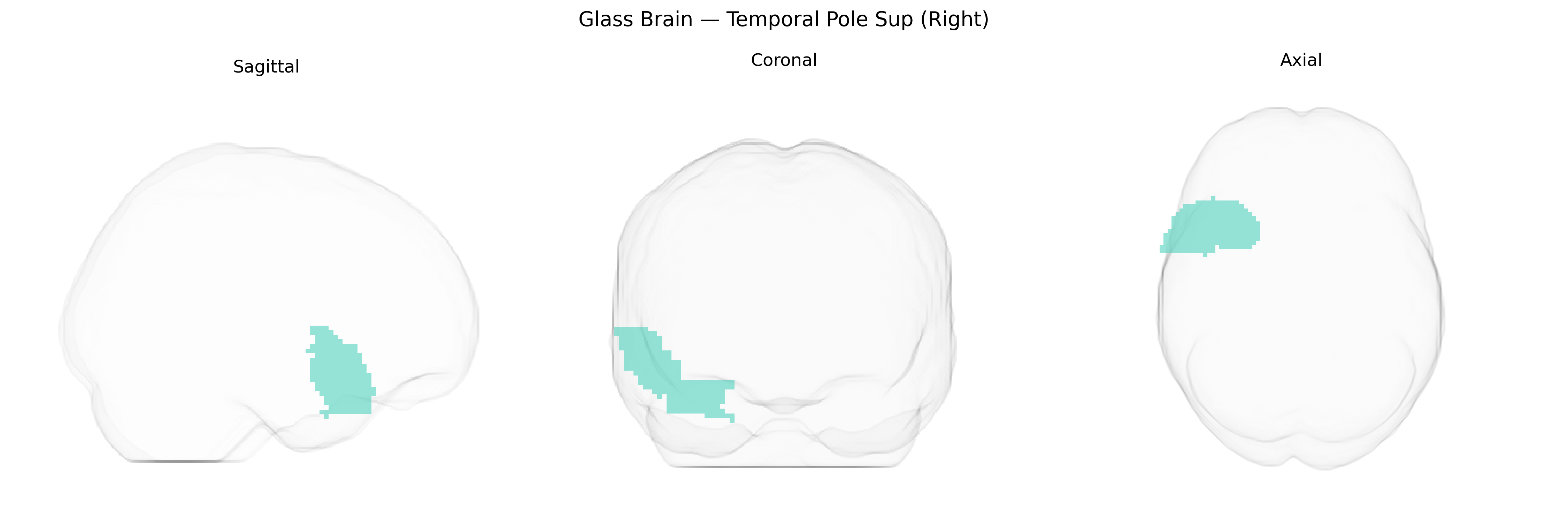
The right Temporal Pole Sup (Right) in the AAL2 atlas corresponds to the superior portion of the right temporal pole, a rostral segment of the temporal lobe situated anterior to the superior temporal gyrus and adjacent to the insula and orbitofrontal cortex. This region is composed primarily of association cortex and is implicated in higher-order social and emotional processing, semantic memory, and multimodal integration of auditory, visual, and limbic inputs. It maintains extensive reciprocal connections with the amygdala, hippocampus, orbitofrontal cortex, and other temporal association areas, supporting roles in processing social and emotional meaning, integrating contextual information, and contributing to aspects of language comprehension and autobiographical memory. There is no direct link for this specific AAL2 parcel; a related anatomical structure is the Temporal pole.
The right temporal pole (superior) in the AAL2 atlas corresponds to anterior temporal cortex implicated in social cognition, semantic memory, and emotional processing, and its structure and function have been linked to several genetic associations, although typically under broader labels such as “temporal pole” or “anterior temporal lobe” rather than that specific AAL2 parcel. Twin and family studies indicate moderate heritability of temporal pole cortical thickness and surface area, and large GWAS of brain MRI (e.g., ENIGMA and UK Biobank) have identified common variants in loci including 15q14 (near C15orf54), 14q23 (near KIAA0586/PCNX), and 10q24 (near PITX2) associated with temporal cortical morphology, sometimes encompassing the temporal pole, while polygenic scores for educational attainment, general cognitive ability, and schizophrenia risk show correlations with temporal pole volume or thickness. Genetic studies in semantic dementia and frontotemporal lobar degeneration, where the right temporal pole is frequently atrophic, highlight mutations in MAPT, GRN, and C9orf72 as key contributors, while autism spectrum disorder and social-emotional traits (e.g., empathy, social behavior) have been linked through imaging-genetics work to variation in temporal pole activation and structure mediated by polygenic risk for neurodevelopmental conditions. In major psychiatric GWAS, risk loci for schizophrenia and bipolar disorder show imaging-genetic correlations with anterior temporal regions including the temporal pole, with genes involved in synaptic function and glutamatergic signaling (such as CACNA1C and GRIN2A) often implicated, and some studies report that Alzheimer’s disease risk variants (e.g., APOE ε4) modulate atrophy and connectivity patterns involving the temporal pole during preclinical stages. Overall, genetic influences on the right temporal pole Sup are supported primarily by large-scale imaging-genetics consortia that treat the anterior temporal cortex as a heritable, polygenically influenced hub whose morphology and connectivity are altered across neurodegenerative, neurodevelopmental, and psychiatric disorders, though fine-grained, parcel-specific GWAS for the exact AAL2-defined right temporal pole Sup region remain limited.
Overview generated by GPT-4o (2026).
Region ID: 8122
Hemisphere: right
Atlas: AAL2
Full Quality Version: Download MP4
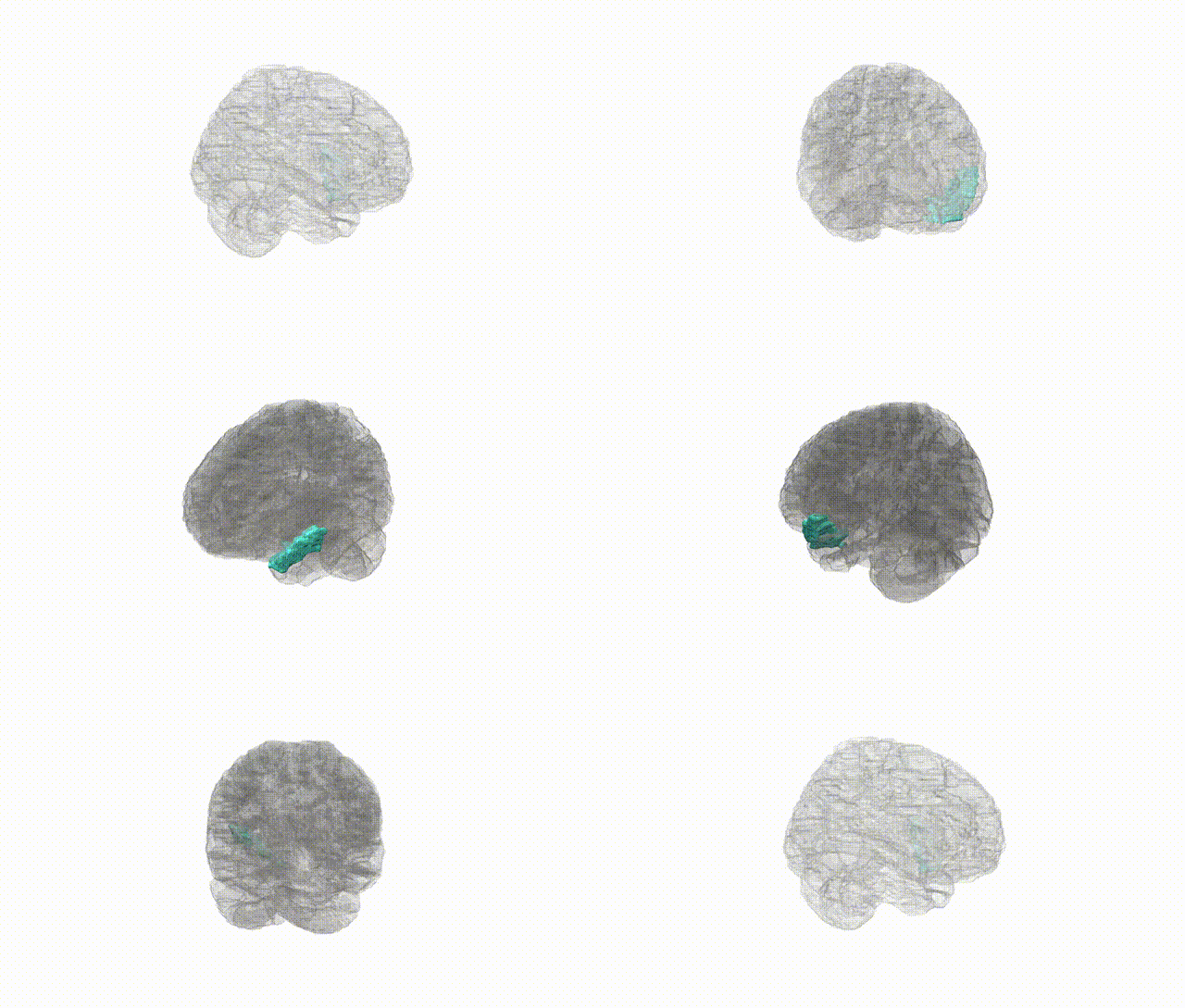
Full Quality Version: Download MP4
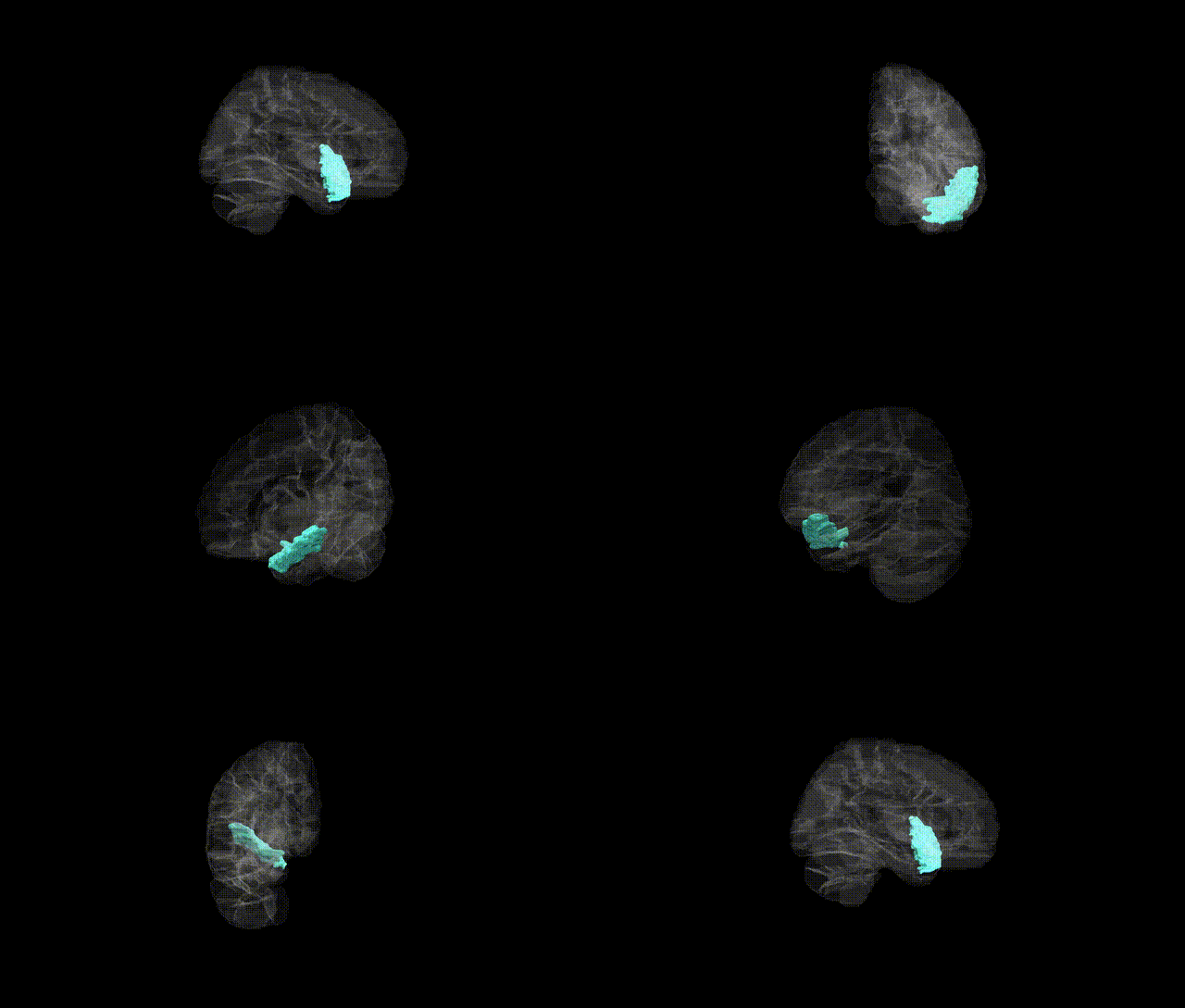
Full Quality Version: Download MP4
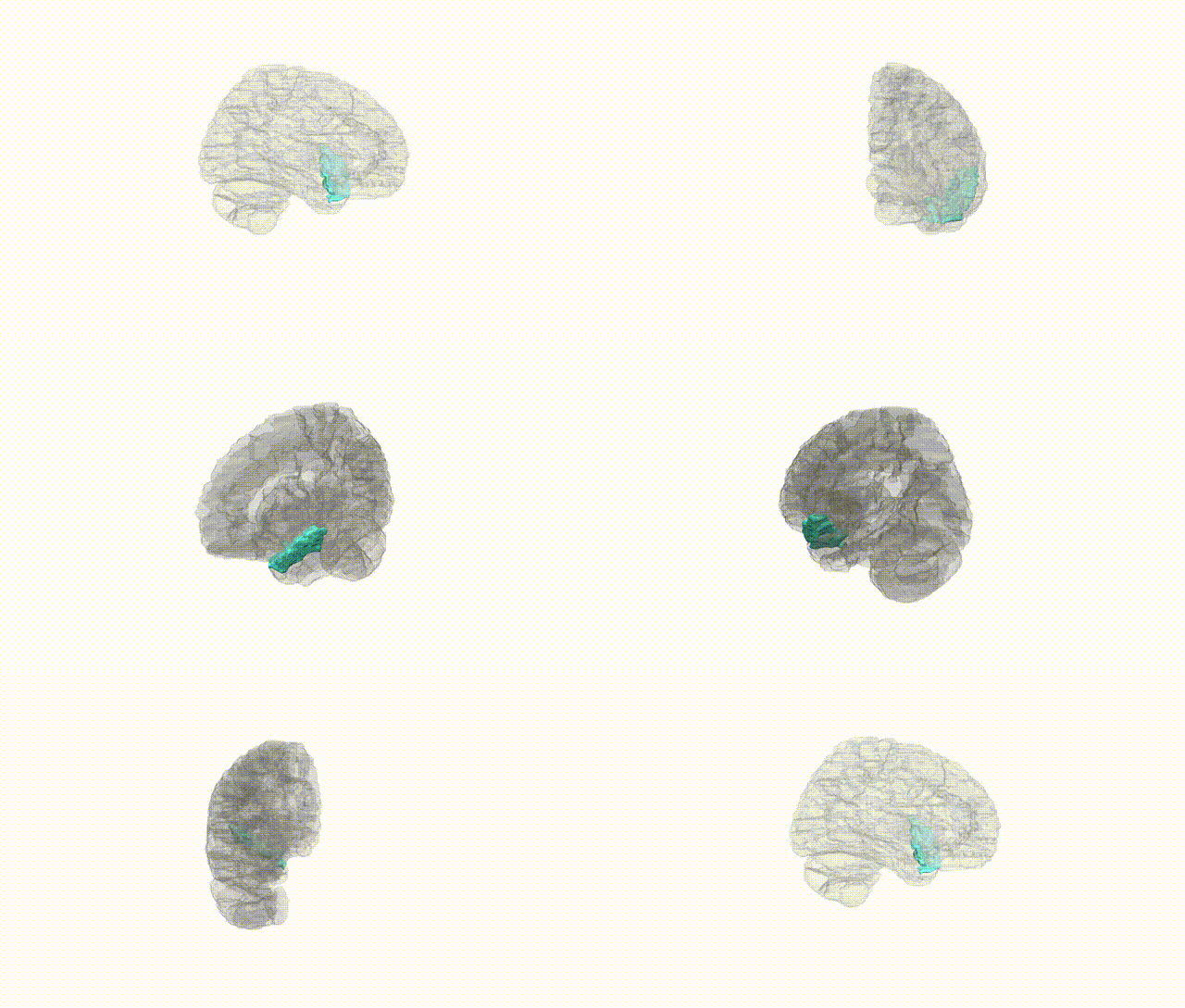
Full Quality Version: Download MP4
Wali Sidiqyar*, Gaurav Rudravaram*, Elyssa M. McMaster, Trent M. Schwartz, Adam M. Saunders, Kurt G. Schilling, Bennett A. Landman "Introducing SPINS: A Shared Public Visualization Library of Neuroanatomical Structures." Medical Imaging with Deep Learning- short paper
This resource is licensed under CC0 1.0 Universal (Public Domain).