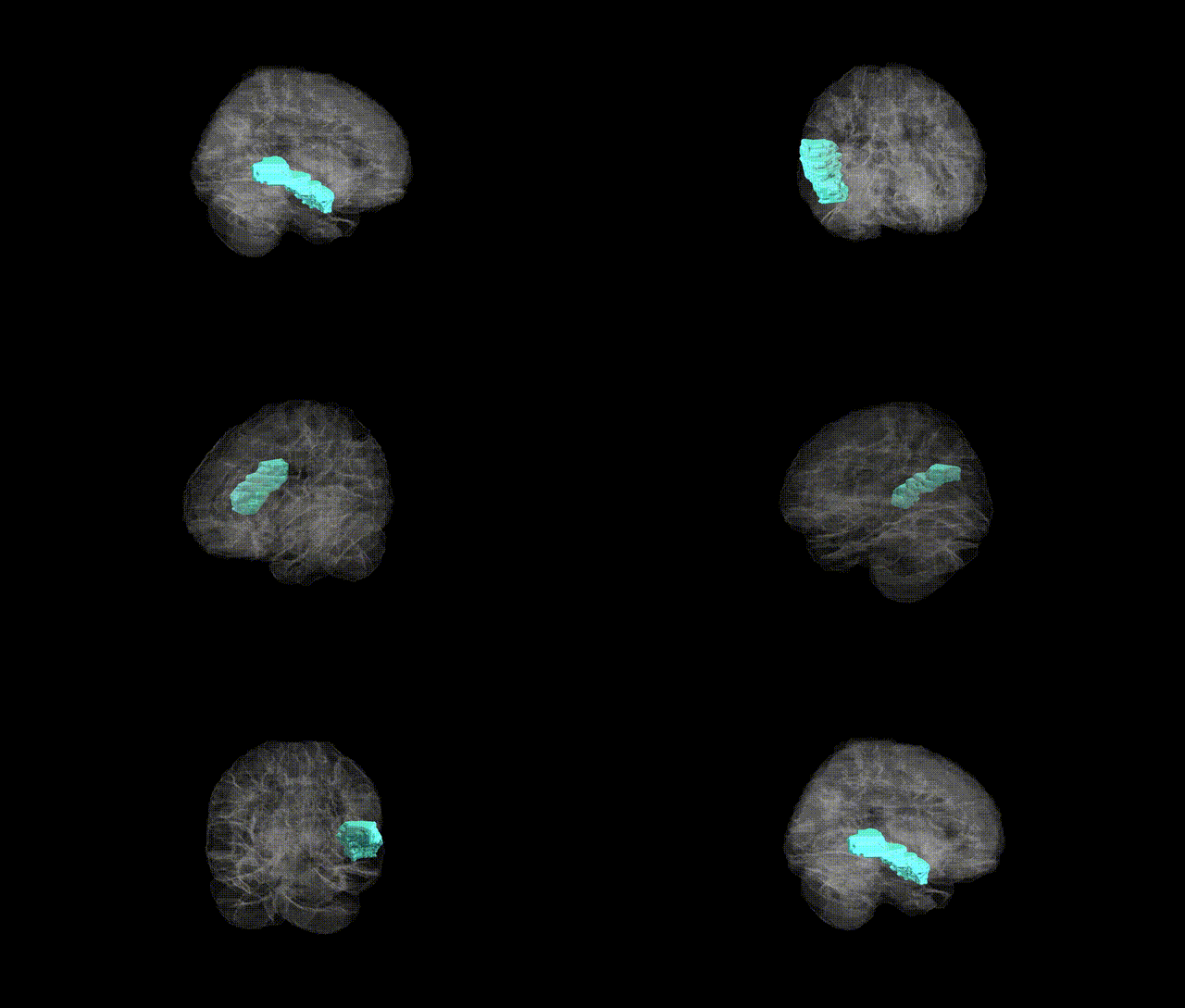
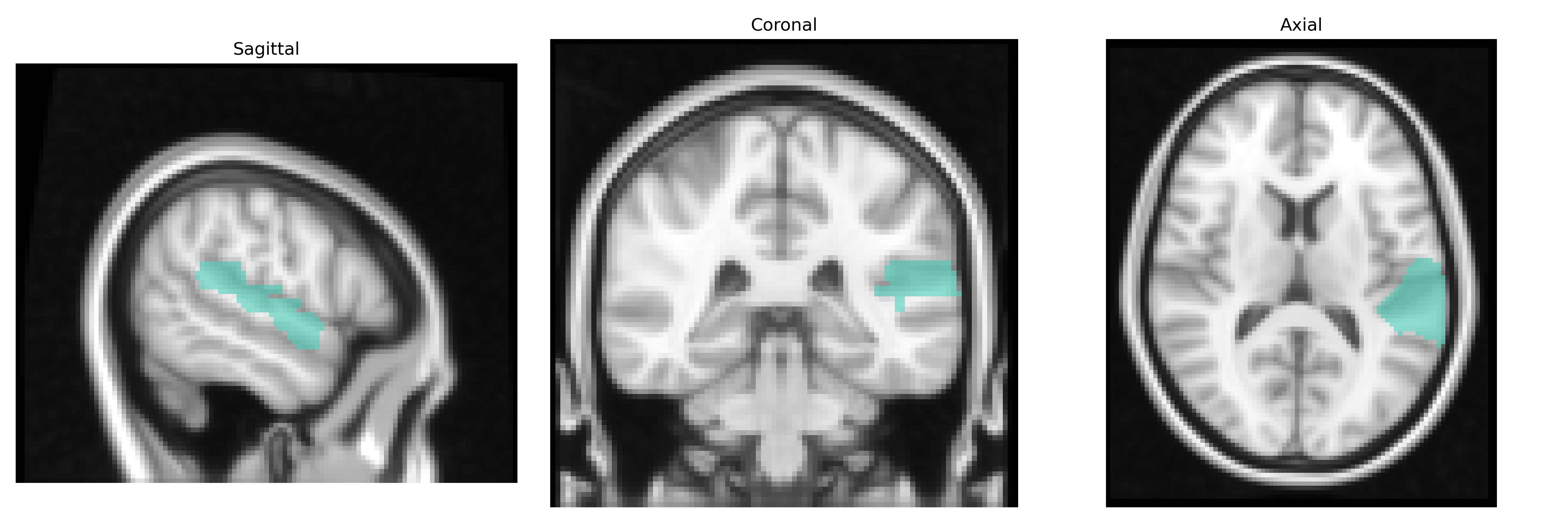
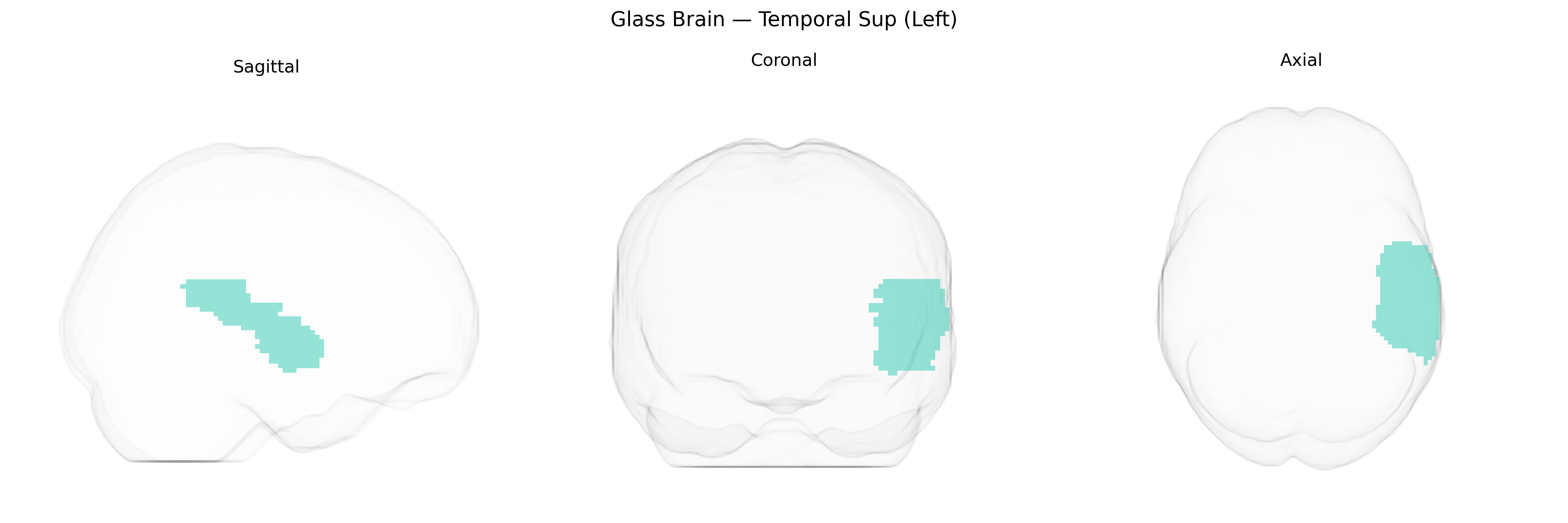
The left Temporal Sup (Left), corresponding to the left superior temporal gyrus in the AAL2 atlas, is a cortical region of the temporal lobe extending along the superior temporal surface, adjacent to the lateral sulcus. It encompasses primary and secondary auditory cortices (including Heschl’s gyrus and surrounding areas) and plays key roles in early auditory processing, phonological analysis, and aspects of speech perception and language comprehension, particularly in the dominant (usually left) hemisphere. This region also contributes to the integration of auditory information with multisensory and higher-order linguistic processes via extensive connections to frontal and parietal areas, including classic perisylvian language networks. Superior temporal gyrus
The left superior temporal gyrus (left Temporal Sup in the AAL2 atlas), encompassing primary auditory and language-related cortex, has been repeatedly implicated in genetic studies of cortical structure, language, and psychiatric risk. Large-scale GWAS of cortical thickness and surface area (e.g., ENIGMA and UK Biobank–based analyses) have identified common variants in genes involved in neurodevelopment (such as KIAA0586, WNT signaling–related genes, and several loci near MAPT and microtubule-associated pathways) associated with structural variability in the superior temporal regions, including the left side. Candidate-gene and imaging-genetics work has linked FOXP2, CNTNAP2, DCDC2, KIAA0319, and other language- and reading-related genes to functional activation and gray-matter variation in left superior temporal cortex, particularly in the context of specific language impairment and developmental dyslexia. Schizophrenia and autism spectrum disorder GWAS and polygenic risk studies show that higher polygenic burden for these conditions is associated with reduced left superior temporal gray matter and altered connectivity, aligning with this region’s role in auditory hallucinations, social communication, and language processing. Additional associations have been reported for major depression, bipolar disorder, and Alzheimer’s disease, where risk loci and polygenic scores correlate with atrophy or altered function in left superior temporal regions, though these effects are typically modest and distributed across broader temporal and frontotemporal networks.
Overview generated by GPT-4o (2026).
Region ID: 8111
Hemisphere: left
Atlas: AAL2
Full Quality Version: Download MP4
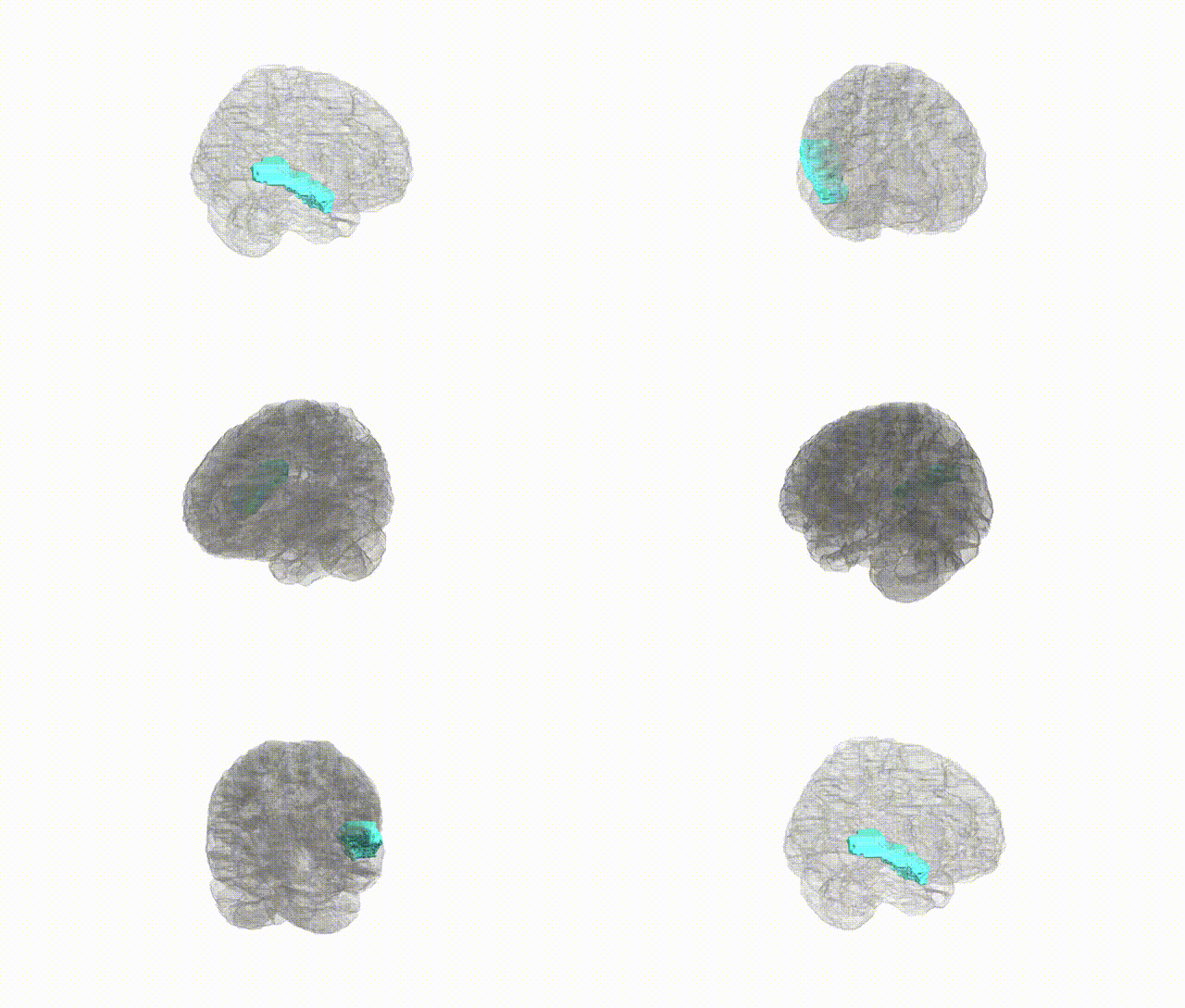
Full Quality Version: Download MP4
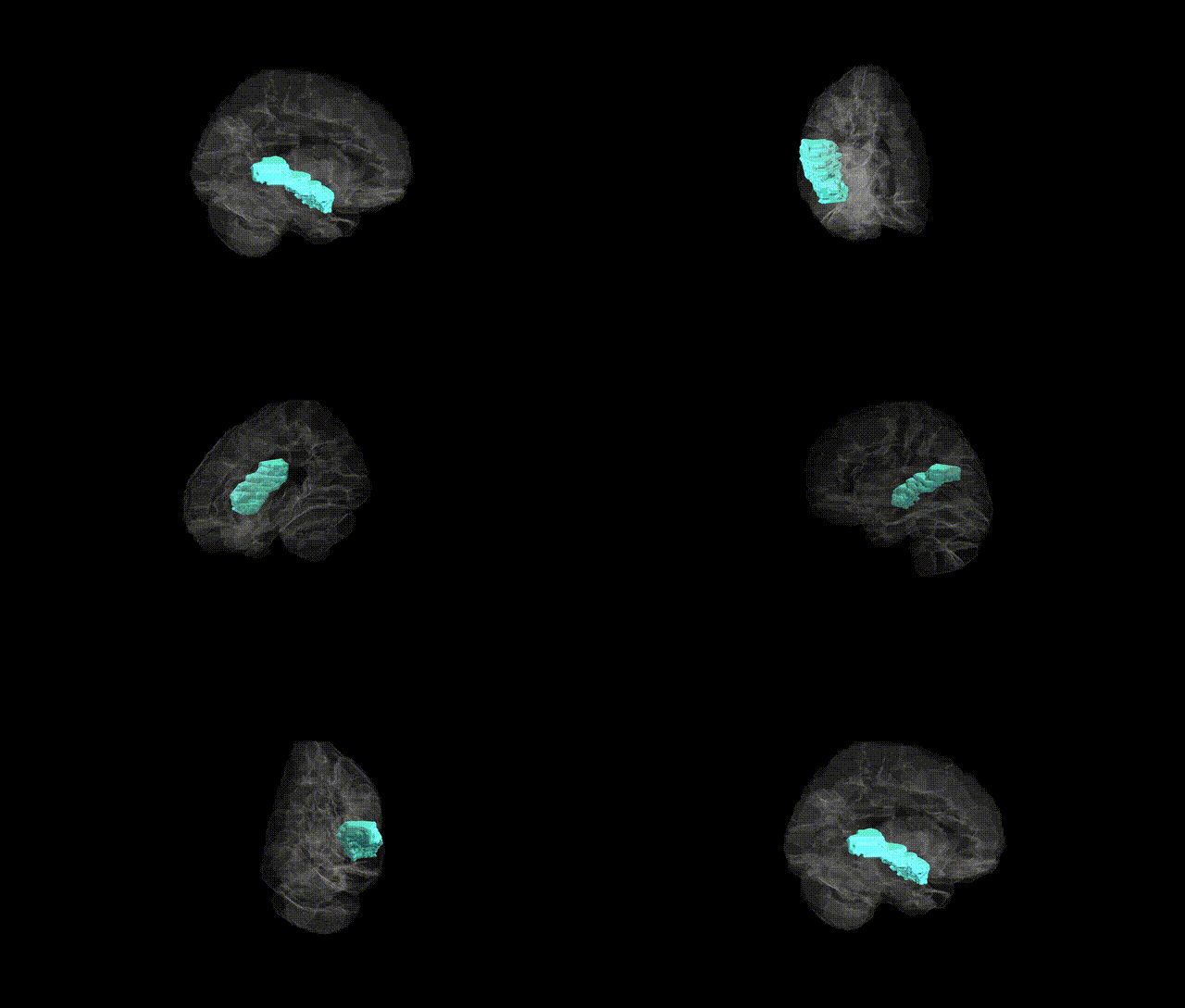
Full Quality Version: Download MP4
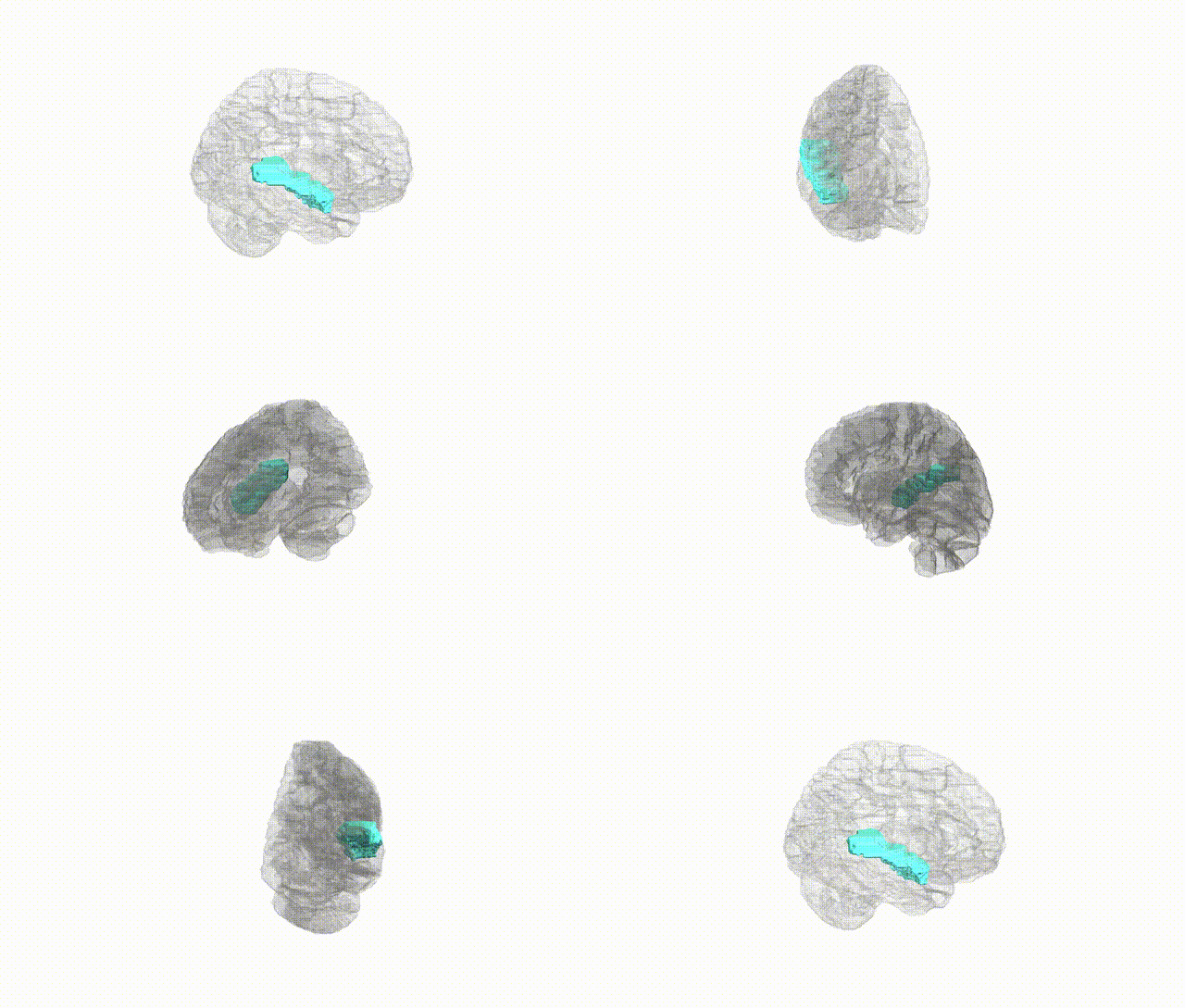
Full Quality Version: Download MP4
Wali Sidiqyar*, Gaurav Rudravaram*, Elyssa M. McMaster, Trent M. Schwartz, Adam M. Saunders, Kurt G. Schilling, Bennett A. Landman "Introducing SPINS: A Shared Public Visualization Library of Neuroanatomical Structures." Medical Imaging with Deep Learning- short paper
This resource is licensed under CC0 1.0 Universal (Public Domain).