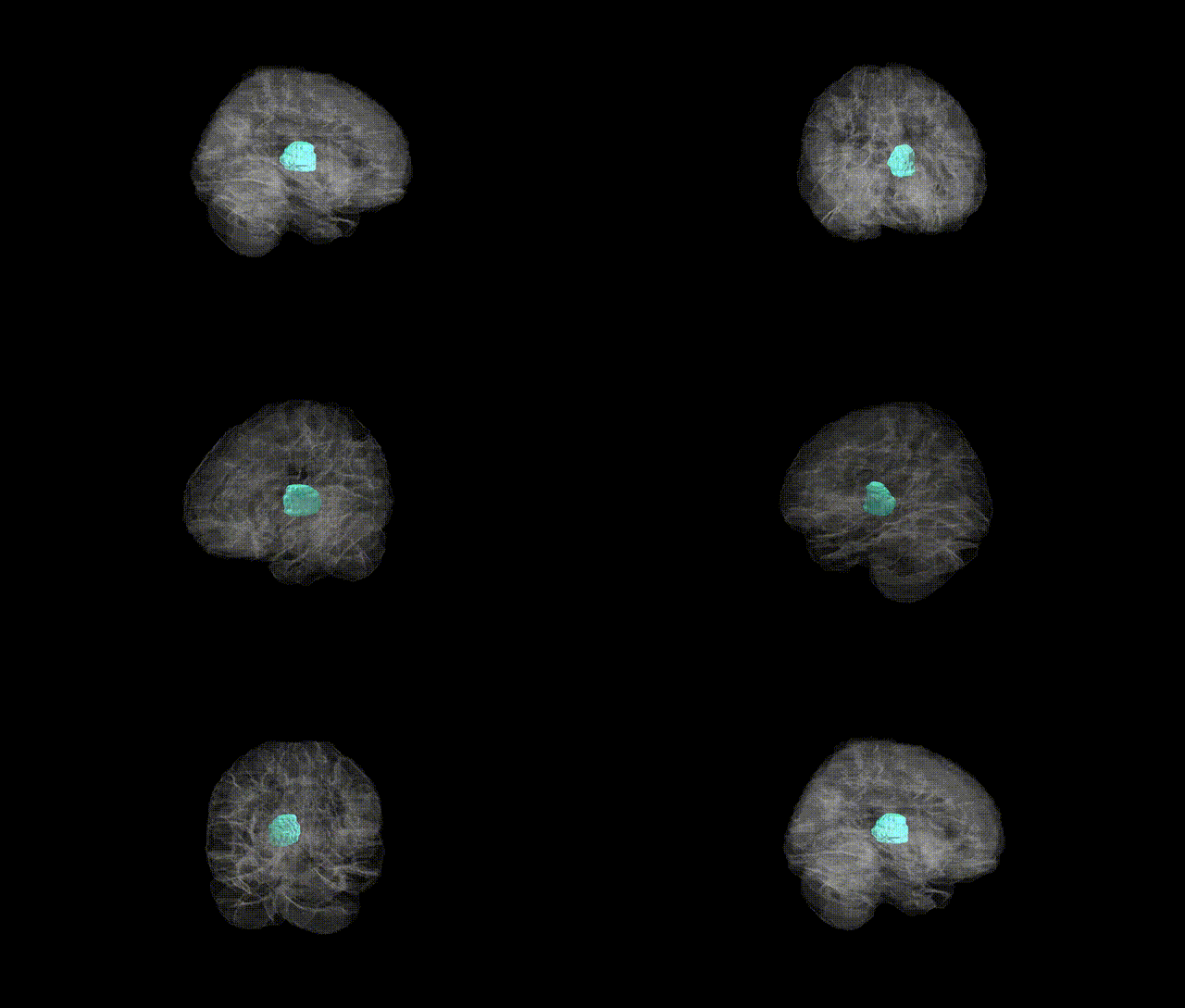
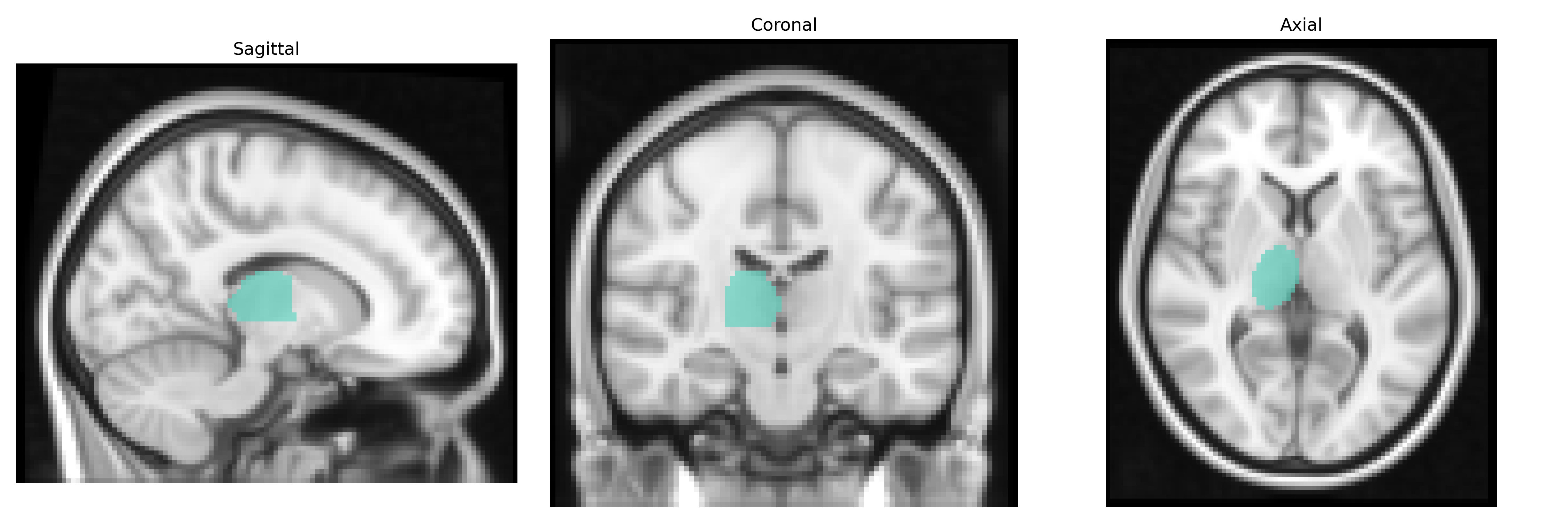
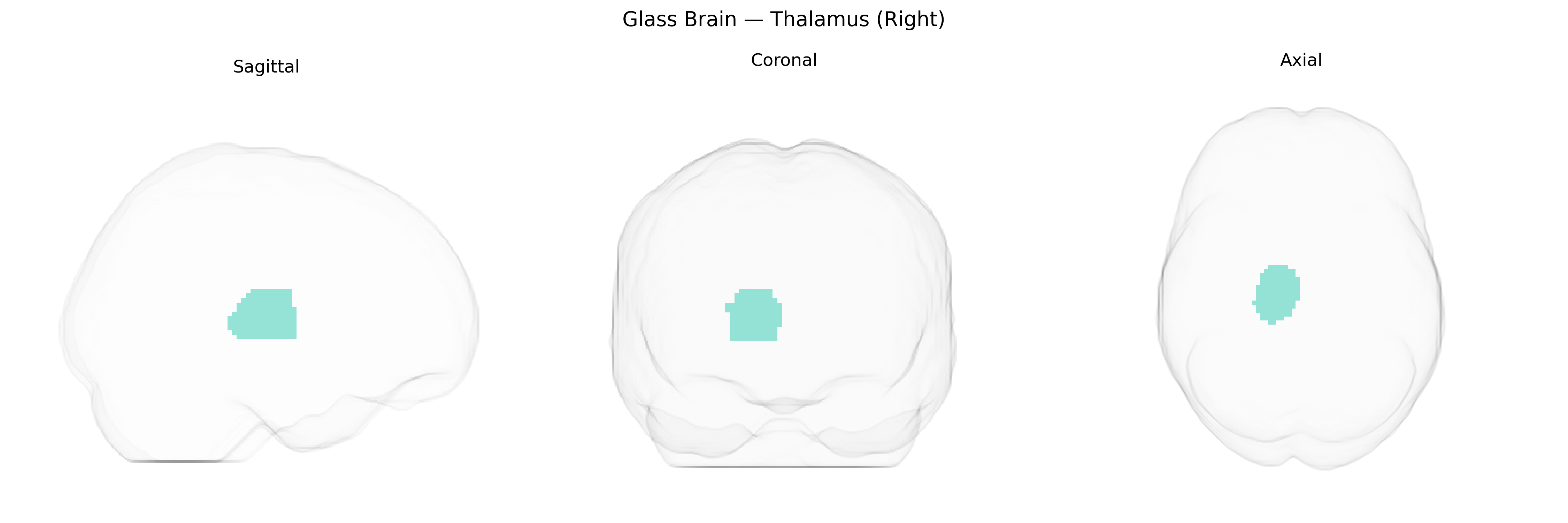
The right thalamus is a paired diencephalic structure composed of multiple nuclei that serve as a major relay and integration center for sensory, motor, and associative information projecting to the ipsilateral cerebral cortex. It receives inputs from systems including the somatosensory, visual, auditory, cerebellar, and basal ganglia pathways, and modulates cortical activity involved in perception, motor planning and execution, attention, arousal, and aspects of cognition and emotion. Thalamic nuclei are topographically organized, with specific thalamocortical projections linking distinct cortical regions, and are supplied primarily by branches of the posterior cerebral and posterior communicating arteries. In the AAL2 atlas, the “Thalamus (Right)” label corresponds to the right thalamic complex excluding adjacent structures such as the hypothalamus and epithalamus. There is no direct link for “Right Thalamus” specifically; a related article is Thalamus.
The right thalamus, as defined in the AAL2 atlas, has been implicated in multiple genetic association studies, particularly through large-scale GWAS of subcortical brain volumes that reveal robust heritability and numerous common variant influences on thalamic size and microstructure. Variants in and near genes involved in neurodevelopment, synaptic function, and axonal guidance—such as those in the MAPT region, neuroinflammatory and immune-related loci (e.g., major histocompatibility complex), and broad polygenic architectures—have shown associations with thalamic volume or diffusion metrics, often bilaterally but including right-sided effects. Thalamic structure has been repeatedly linked to psychiatric and neurological disorders, with GWAS and imaging-genetics studies showing that genetic risk for schizophrenia, bipolar disorder, major depression, ADHD, autism spectrum disorder, and Alzheimer’s disease partially converges on thalamic morphology and connectivity, including asymmetry patterns that can involve the right thalamus. Polygenic risk scores for these conditions have been associated with alterations in thalamic volume and thalamo-cortical networks, and specific loci (for example in genes such as GRM3, CACNA1C, and others related to glutamatergic and calcium signaling) have been connected to thalamic function and structure in case-control imaging-genetics studies. Beyond clinical disorders, GWAS of cognitive traits, intelligence, and sleep-related phenotypes indicate that genetic variants influencing these traits also affect thalamic anatomy and activity, supporting a role for the genetically shaped right thalamus in attention, sensory integration, and higher-order cognition.
Overview generated by GPT-4o (2026).
Region ID: 7102
Hemisphere: right
Atlas: AAL2
Full Quality Version: Download MP4
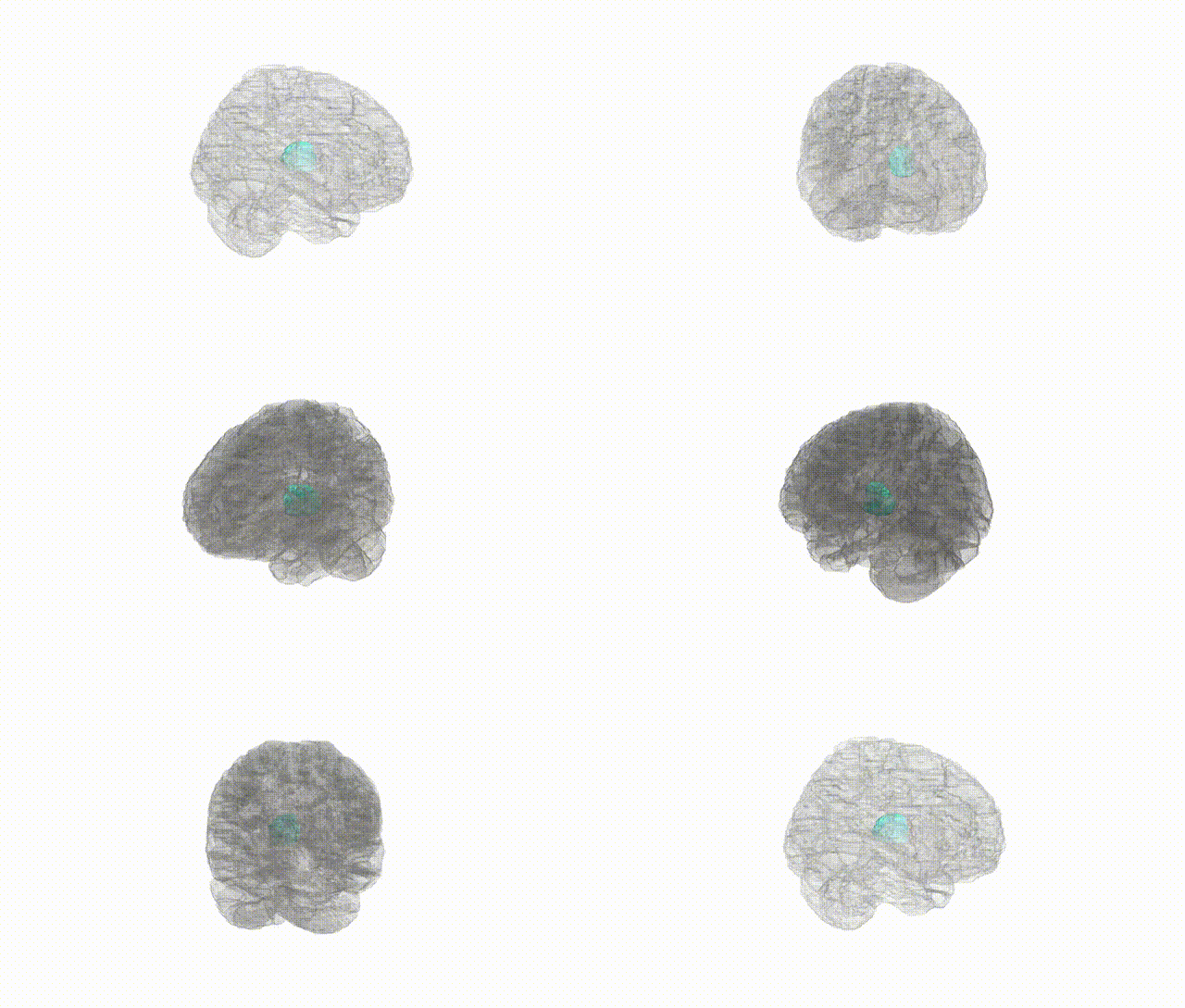
Full Quality Version: Download MP4
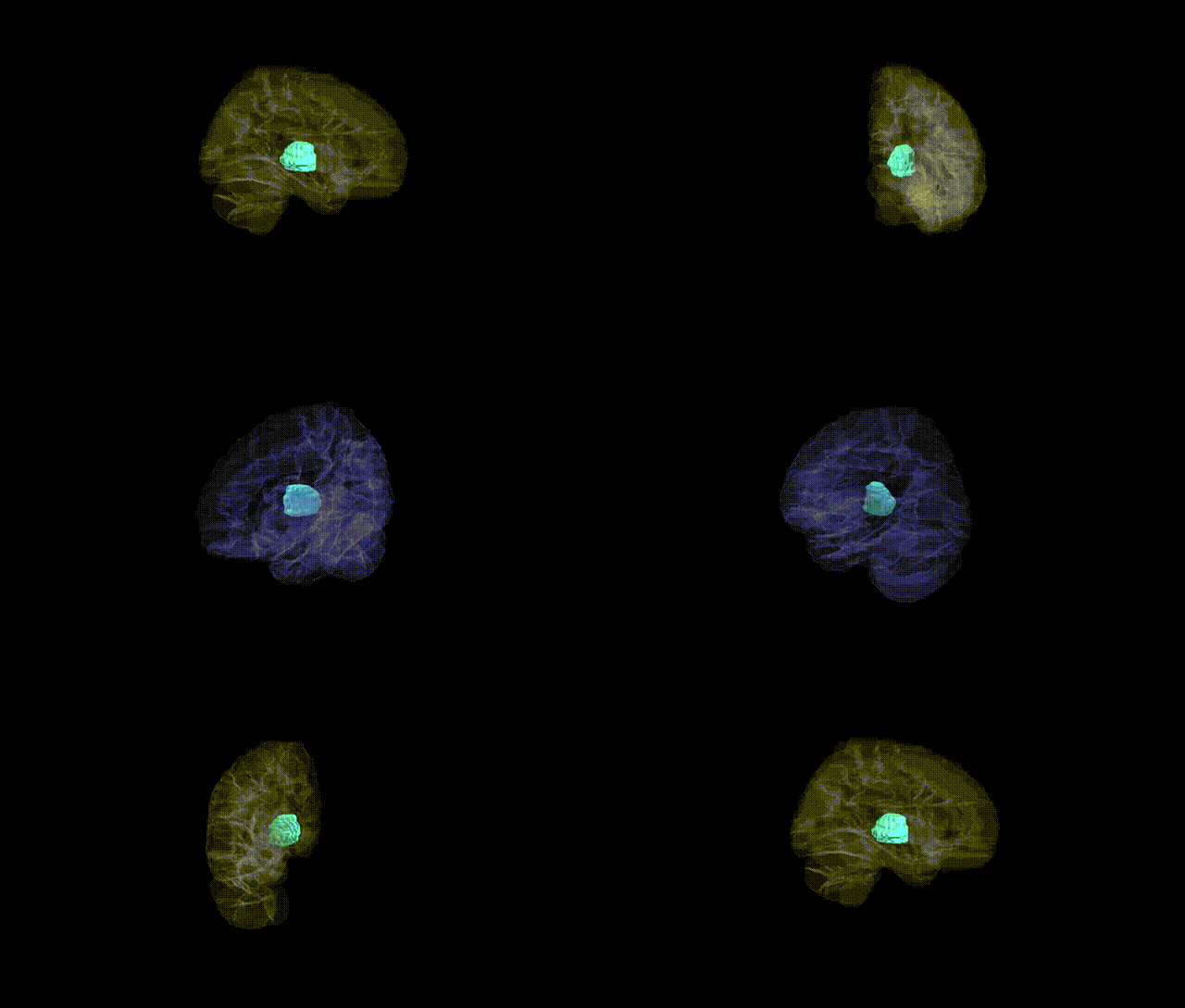
Full Quality Version: Download MP4
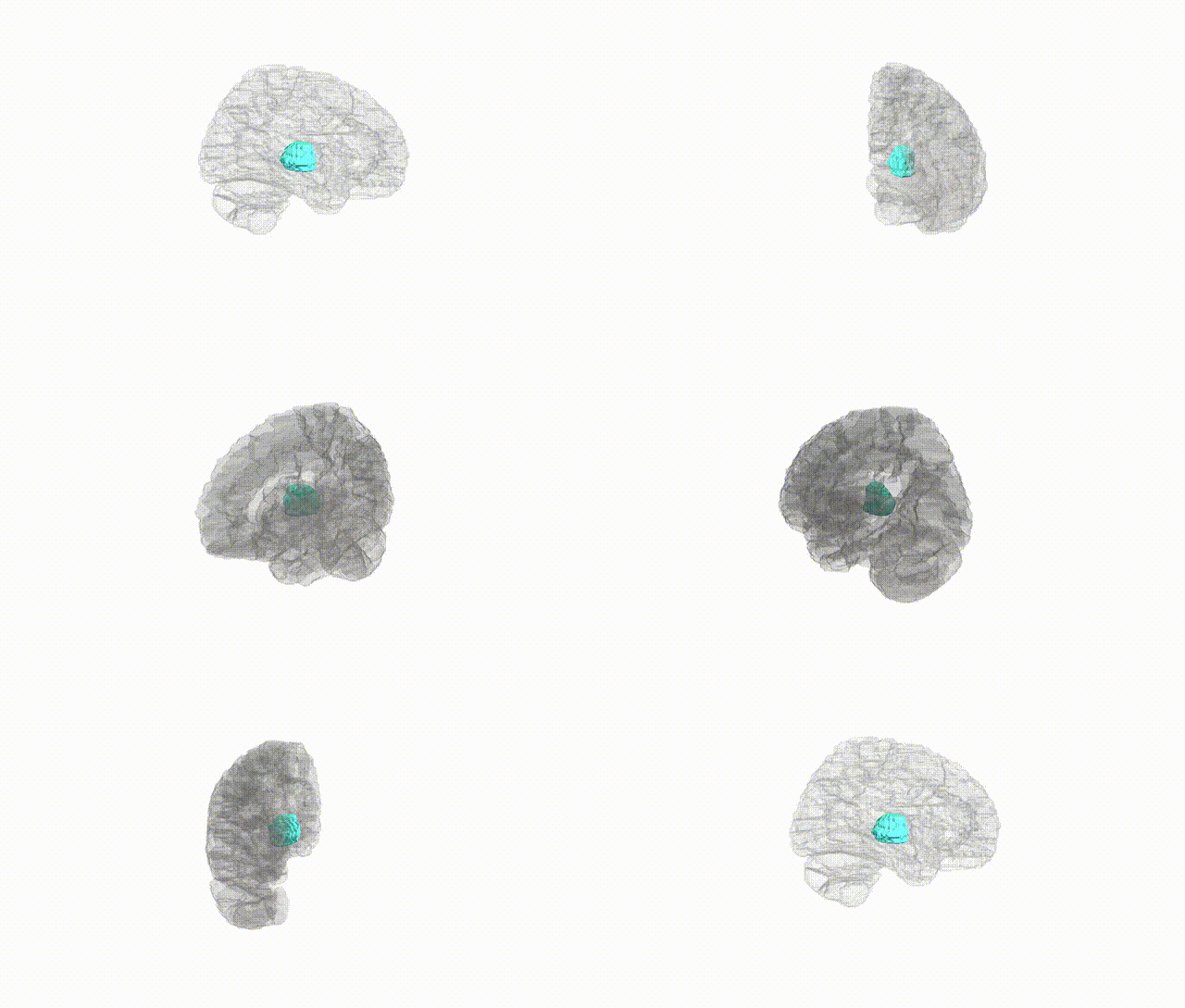
Full Quality Version: Download MP4
Wali Sidiqyar*, Gaurav Rudravaram*, Elyssa M. McMaster, Trent M. Schwartz, Adam M. Saunders, Kurt G. Schilling, Bennett A. Landman "Introducing SPINS: A Shared Public Visualization Library of Neuroanatomical Structures." Medical Imaging with Deep Learning- short paper
This resource is licensed under CC0 1.0 Universal (Public Domain).