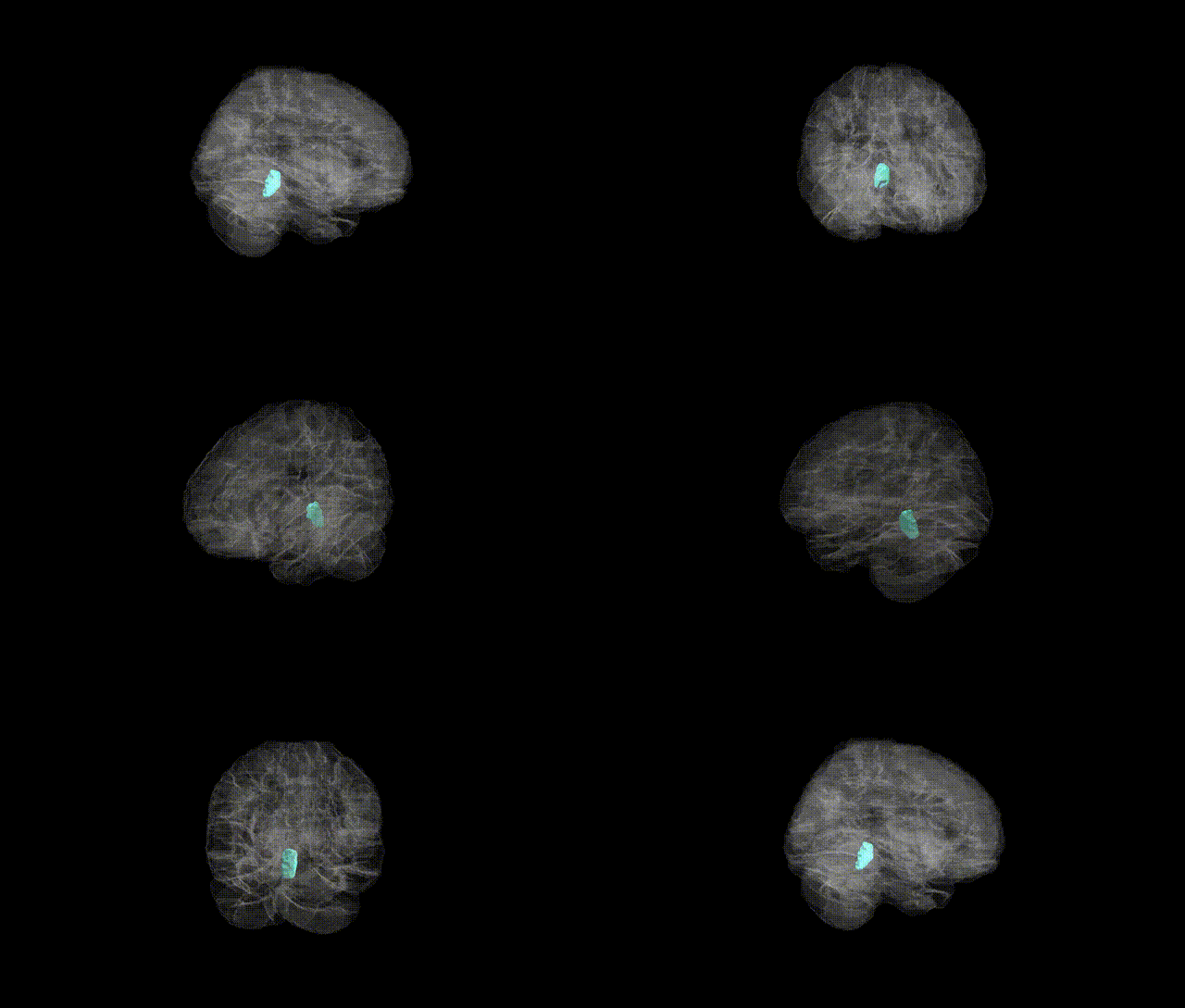
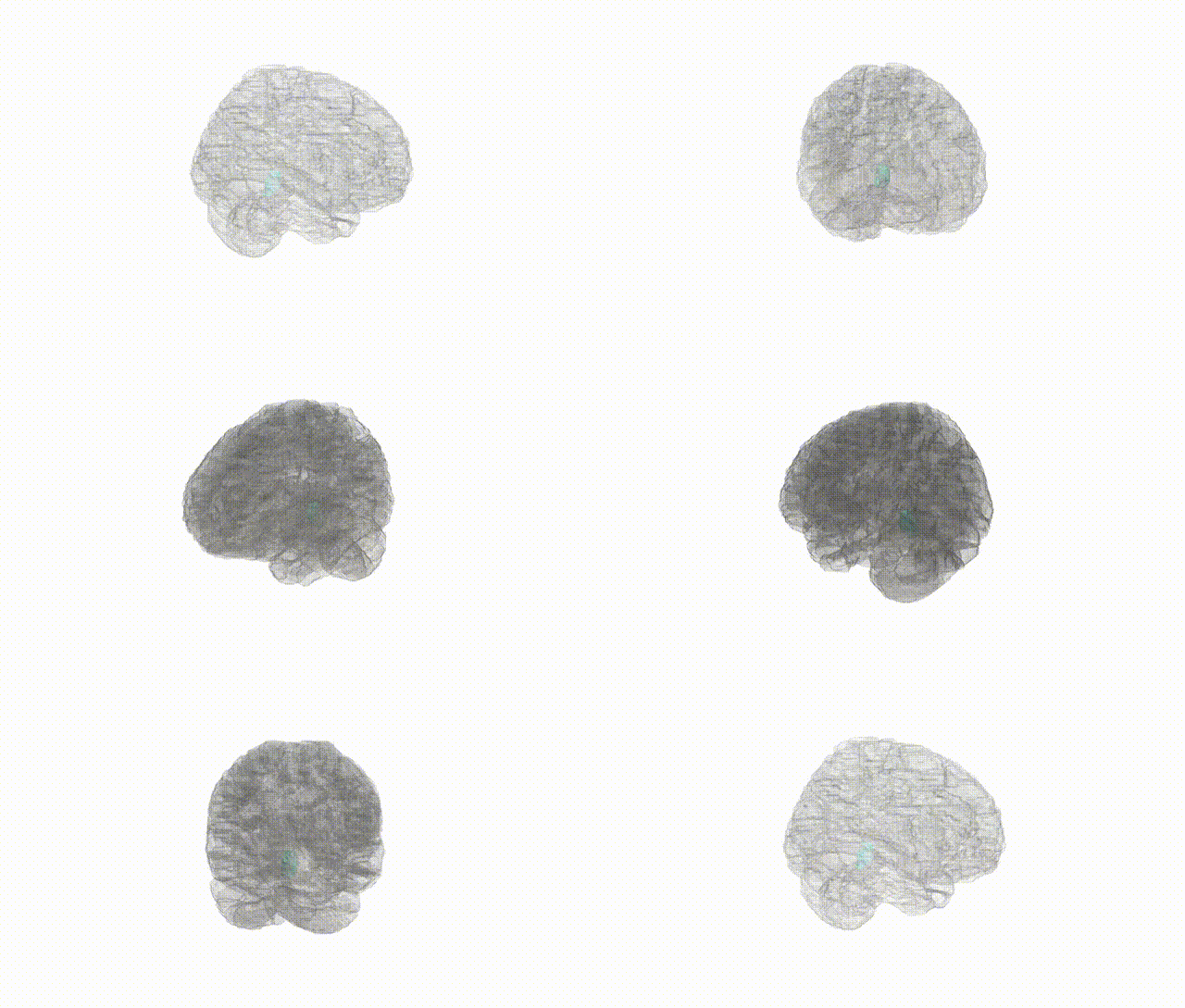
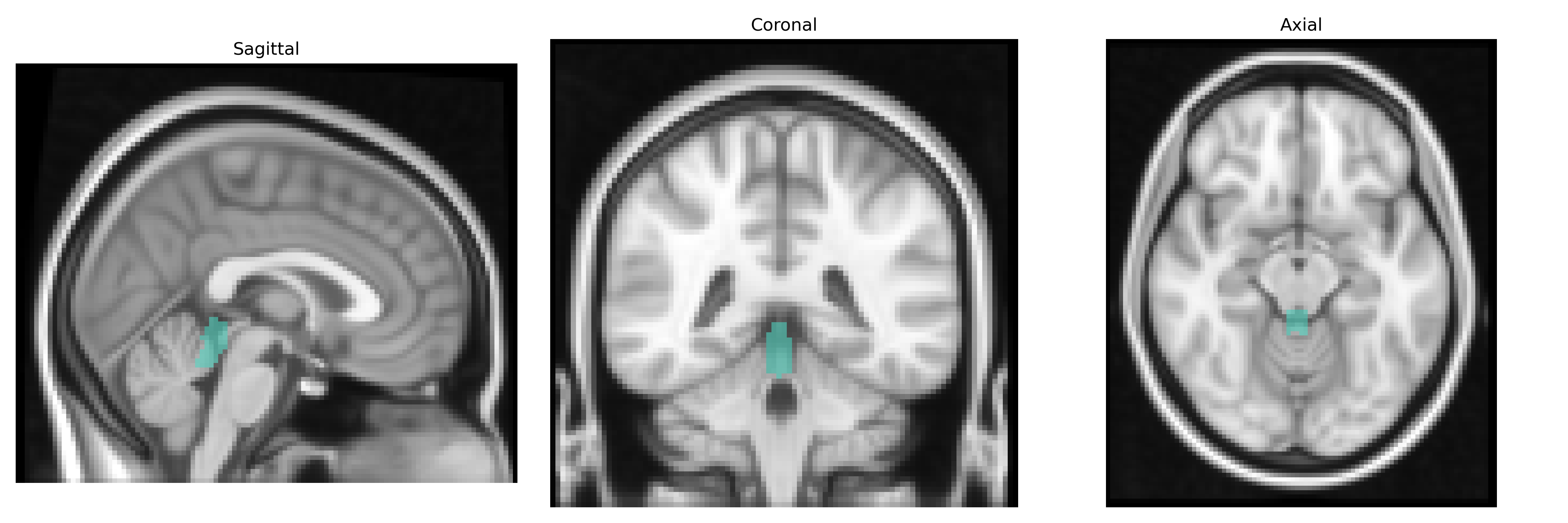
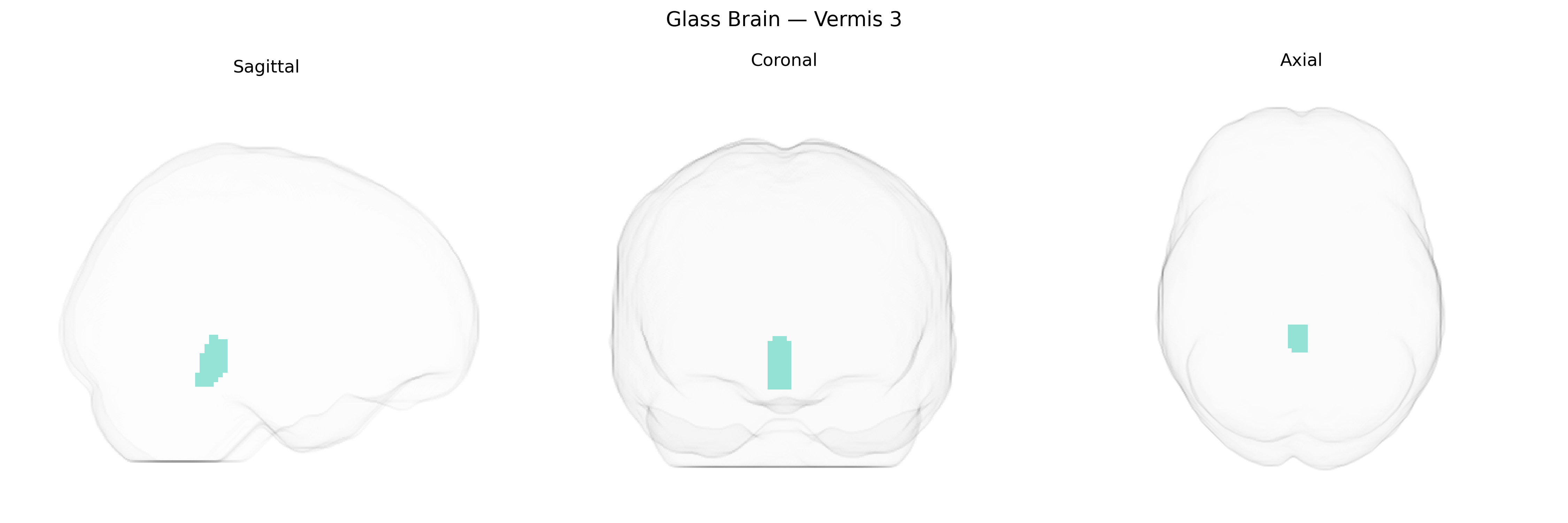
The bilateral Vermis 3 region in the AAL2 atlas corresponds to the midline portion of the anterior superior cerebellar vermis, typically encompassing parts of lobules IV–V. This region forms part of the spinocerebellum, receiving dense proprioceptive and somatosensory input from the body and contributing critically to posture, muscle tone, and the coordination and timing of ongoing limb and trunk movements. Functionally, Vermis 3 participates in on-line error correction during movement and in the integration of sensory feedback with motor commands, thereby supporting smooth, adaptive motor behavior. Lesions involving this vermal area are associated with gait ataxia, truncal instability, and dysmetria. There is no direct link for “Vermis 3”; a related structure is the Cerebellar vermis.
Genetic associations specifically targeting bilateral Vermis 3 in the AAL2 atlas are limited, as most imaging genetics and GWAS literature treats the cerebellar vermis in broader lobular or global cerebellar terms rather than isolating Vermis 3. However, cerebellar vermis volume and function have shown heritability and have been implicated in polygenic architectures involving neurodevelopmental and psychiatric disorders, including autism spectrum disorder, schizophrenia, bipolar disorder, and major depressive disorder, with several large-scale GWAS (e.g., ENIGMA and UK Biobank–based imaging genetics studies) identifying genome-wide significant loci influencing cerebellar and vermis morphology, often in genes related to synaptic development, neurogenesis, and axon guidance (such as variants near MAPT, KIAA0319, and other neurodevelopmental genes). Cerebellar vermis abnormalities, including regions overlapping Vermis 3, have been reported in ADHD and autism through structural MRI, and polygenic risk scores for these conditions correlate with cerebellar morphology, suggesting indirect genetic links. Moreover, GWAS of brain-wide structural endophenotypes show that vermis and adjacent midline cerebellar structures share genetic influences with cognitive traits (general intelligence, processing speed) and affective traits (neuroticism, anxiety), although findings rarely specify Vermis 3 by name. Overall, the genetic signal related to Vermis 3 appears to be embedded within broader cerebellar and vermal genetic architectures associated with neurodevelopmental, psychiatric, and cognitive phenotypes, rather than being isolated to this single subregion.
Overview generated by GPT-4o (2026).
Region ID: 9110
Hemisphere: bilateral
Atlas: AAL2
Full Quality Version: Download MP4
Full Quality Version: Download MP4
Wali Sidiqyar*, Gaurav Rudravaram*, Elyssa M. McMaster, Trent M. Schwartz, Adam M. Saunders, Kurt G. Schilling, Bennett A. Landman "Introducing SPINS: A Shared Public Visualization Library of Neuroanatomical Structures." Medical Imaging with Deep Learning- short paper
This resource is licensed under CC0 1.0 Universal (Public Domain).