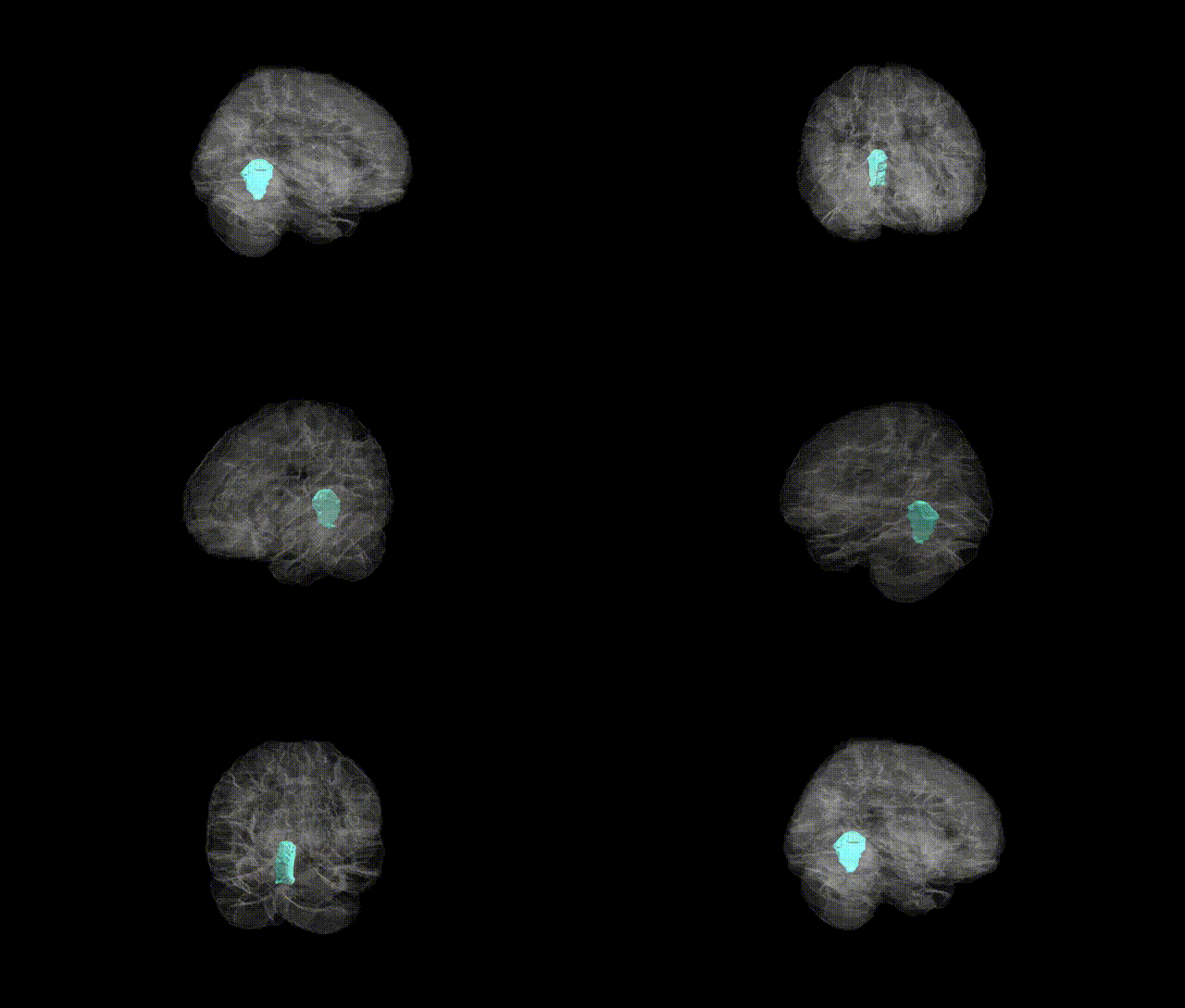
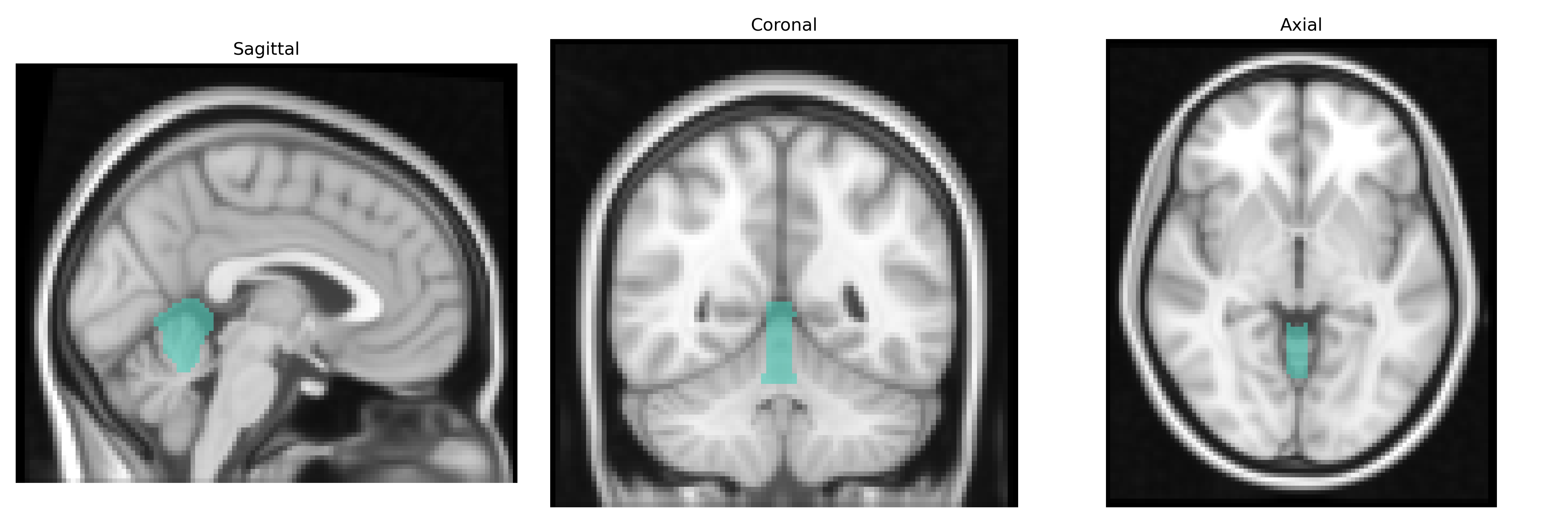
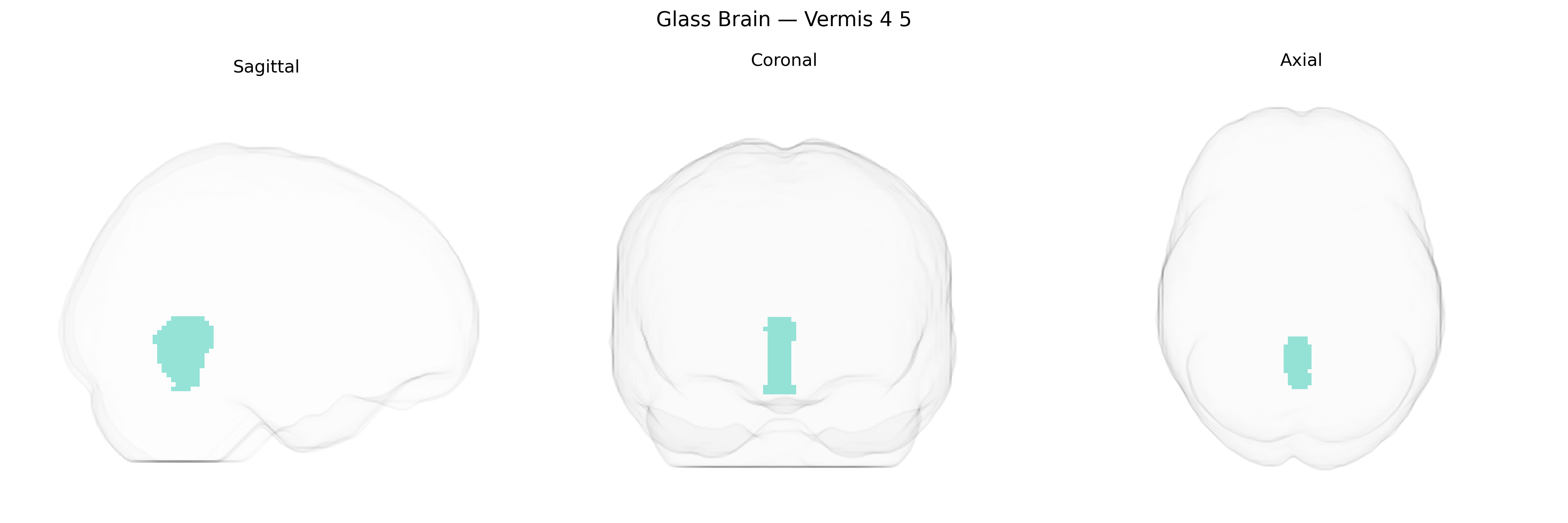
Vermis 4–5, as defined in the AAL2 atlas, refers to the bilateral midline segments of the anterior cerebellar vermis encompassing lobules IV and V. These lobules are part of the spinocerebellum, receiving dense somatosensory input from the spinal cord and contributing critically to the regulation of muscle tone, posture, and fine-tuning of ongoing limb and trunk movements. Functionally, Vermis 4–5 is involved in motor coordination and error correction during movement execution, integrating proprioceptive feedback to maintain balance and stable stance. There is no direct Wikipedia article for Vermis 4–5; a closely related and encompassing structure is the cerebellar vermis: Cerebellar vermis.
Current genetic association data specific to the bilateral Vermis 4–5 region in the AAL2 atlas is limited, as most GWAS and imaging genetics studies analyze broader cerebellar or total brain volumes rather than fine-grained subregions. Nonetheless, cerebellar vermis structure and function—overlapping with Vermis 4–5—has been implicated via genetic and imaging-genetic evidence in several neuropsychiatric and neurodevelopmental conditions, including autism spectrum disorder (ASD), schizophrenia, bipolar disorder, and attention-deficit/hyperactivity disorder, often through genes affecting synaptic plasticity, neurodevelopment, and neurotransmission (e.g., variants in genes related to glutamatergic signaling and synaptic scaffolding). Large-scale GWAS of brain morphology from consortia such as ENIGMA and UK Biobank have identified multiple loci (including variants near genes such as KIAA0586, PAPPA, and others involved in neurodevelopment and growth) associated with cerebellar and vermis volume, though these findings are typically reported at the level of total cerebellar or midline vermis measures rather than Vermis 4–5 specifically. The cerebellar vermis has also been linked to mood and anxiety traits, cognitive control, and emotional regulation, with some polygenic risk scores for psychiatric disorders showing associations with vermis and broader cerebellar morphology, again without fine-grained resolution to Vermis 4–5. Overall, genetic studies support a role for cerebellar vermis structure—including the territory encompassing Vermis 4–5—in the heritable architecture of psychiatric and cognitive phenotypes, but no robust, region-specific GWAS findings currently isolate Vermis 4–5 as uniquely associated with particular variants or disorders beyond its contribution to general cerebellar and vermis-related genetic effects.
Overview generated by GPT-4o (2026).
Region ID: 9120
Hemisphere: bilateral
Atlas: AAL2
Full Quality Version: Download MP4
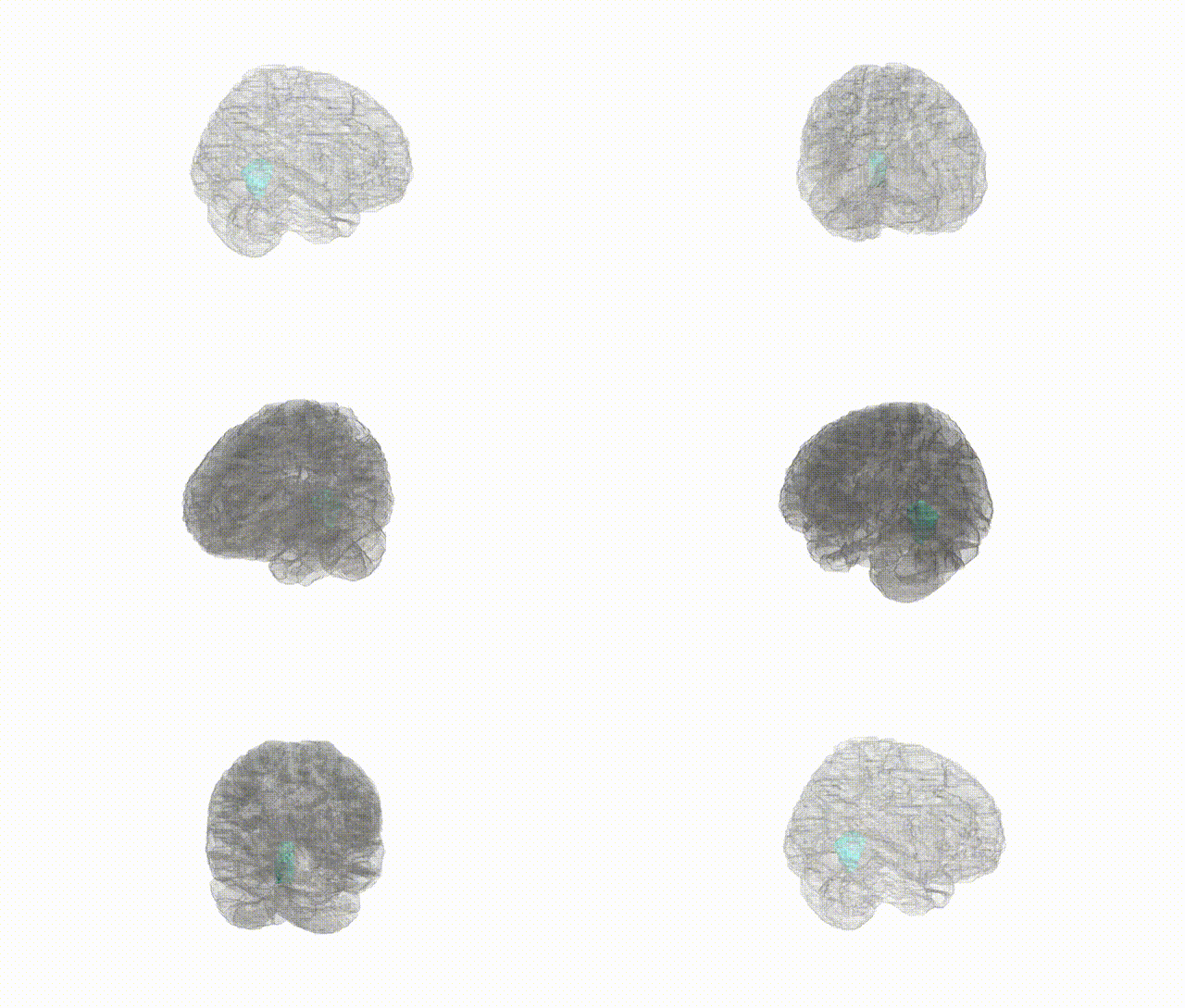
Full Quality Version: Download MP4
Wali Sidiqyar*, Gaurav Rudravaram*, Elyssa M. McMaster, Trent M. Schwartz, Adam M. Saunders, Kurt G. Schilling, Bennett A. Landman "Introducing SPINS: A Shared Public Visualization Library of Neuroanatomical Structures." Medical Imaging with Deep Learning- short paper
This resource is licensed under CC0 1.0 Universal (Public Domain).