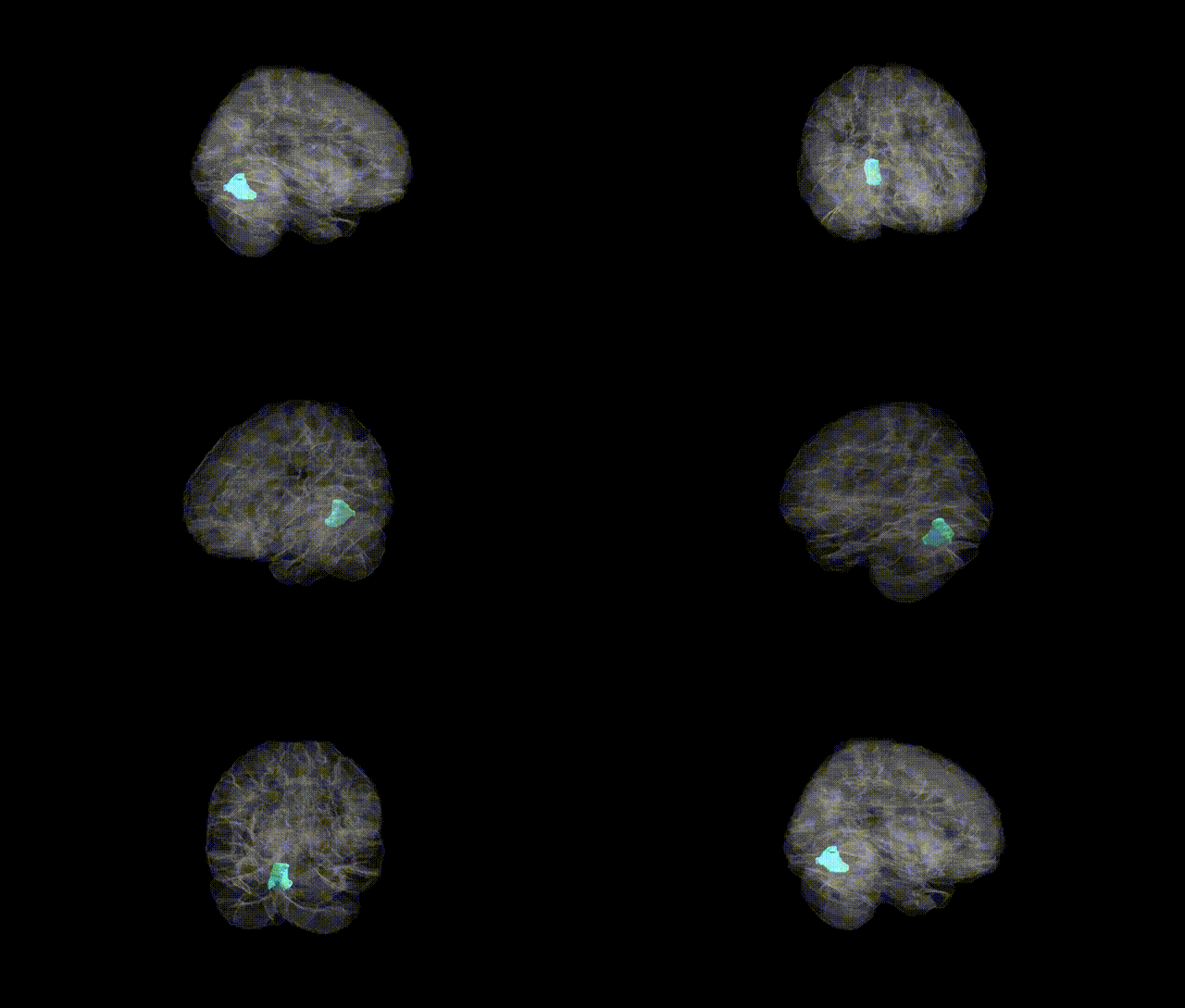
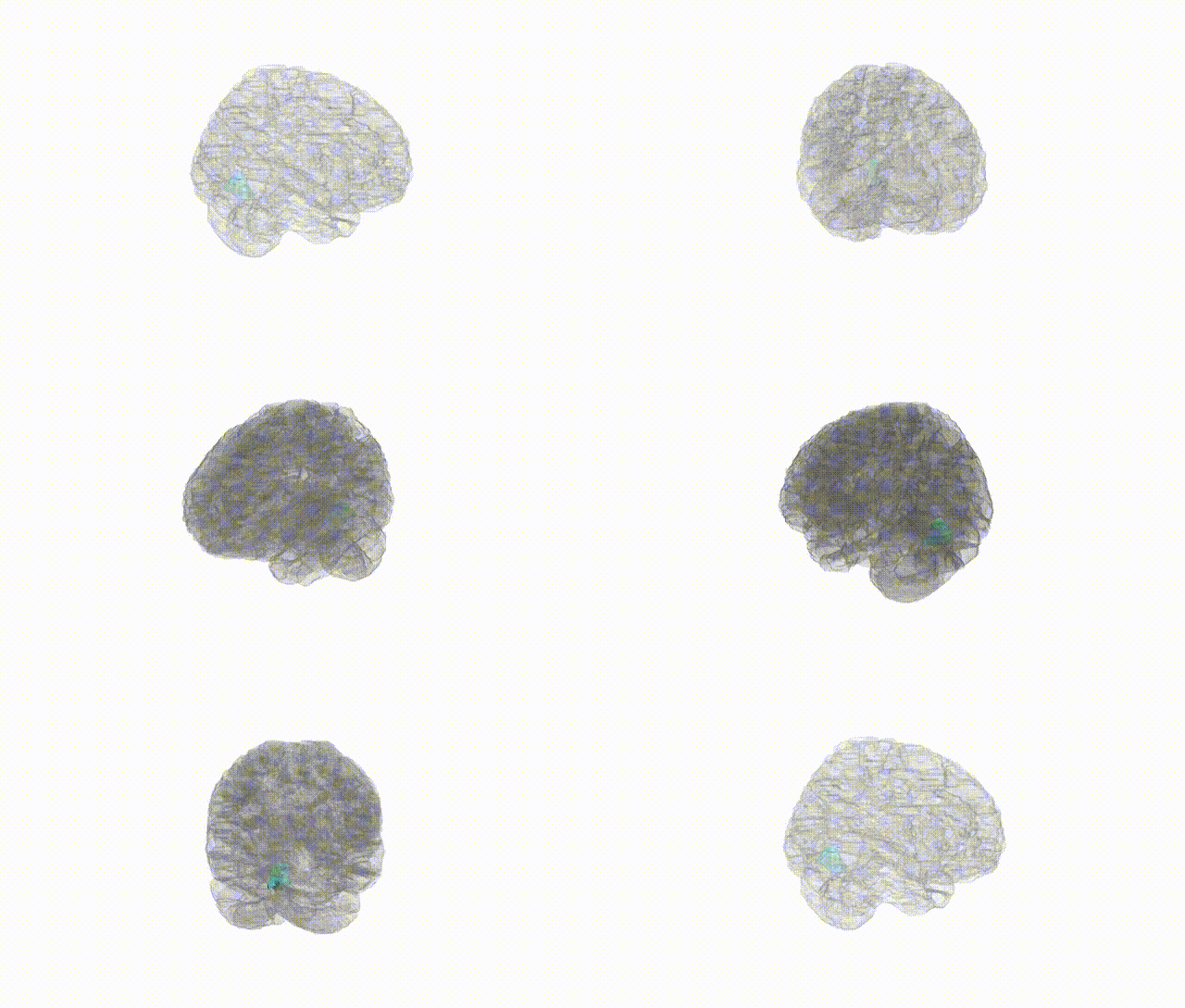
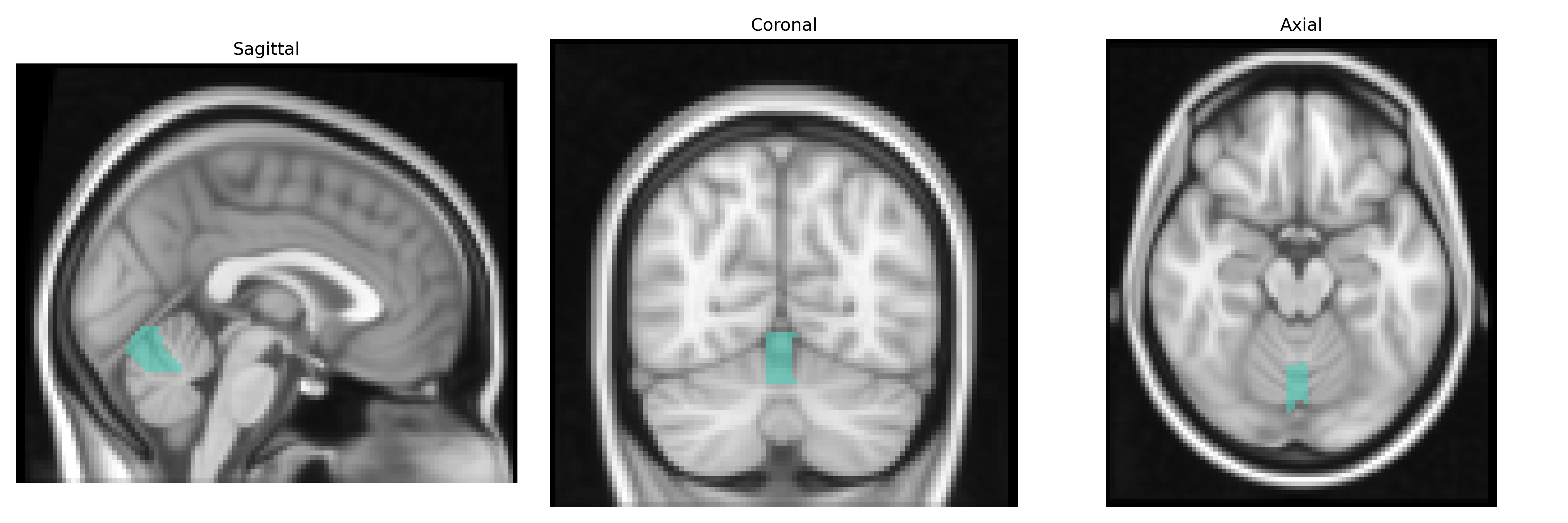
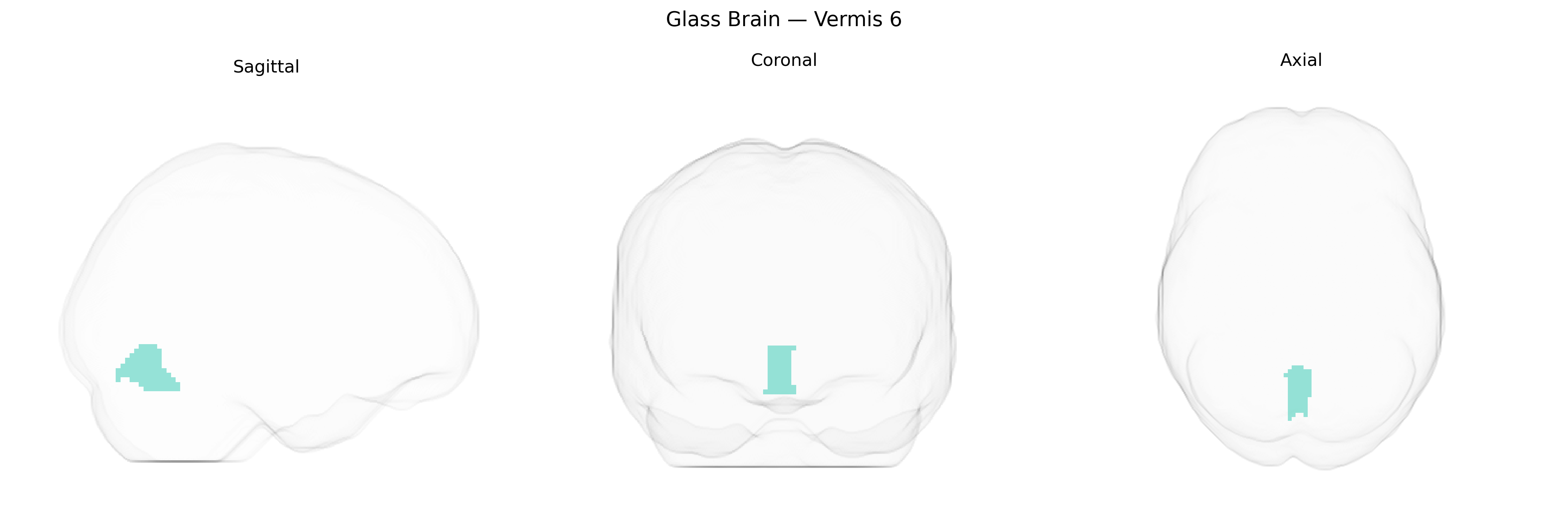
The bilateral Vermis 6 region, as defined in the AAL2 atlas, is a midline cerebellar structure corresponding to part of the posterior cerebellar vermis, typically spanning lobules VI and adjacent portions involved in sensorimotor integration and higher-order cognitive and affective processing. Anatomically, Vermis 6 lies between the cerebellar hemispheres and is supplied by branches of the superior and posterior inferior cerebellar arteries, with dense reciprocal connections to brainstem nuclei, thalamus, and cortical association areas via the deep cerebellar nuclei. Functionally, this vermal segment contributes to postural control, fine-tuning of voluntary movements, and modulation of emotional and cognitive states, and has been implicated in neuropsychiatric and developmental disorders when structurally or functionally altered. There is no direct Wikipedia article for “Vermis 6”; a related structure is the Cerebellar vermis.
The bilateral Vermis 6 region in the AAL2 atlas, part of the midline cerebellar vermis, has been implicated in several genetic and neuropsychiatric frameworks, though direct, region-specific GWAS hits remain limited and typically arise from imaging–genetics or imaging–GWAS analyses of cerebellar volume and functional connectivity rather than Vermis 6 alone. Large-scale neuroimaging consortia (such as ENIGMA and UK Biobank–based studies) have identified polygenic influences on cerebellar structure in vermal territories, with common variants in genes related to neurodevelopment, synaptic plasticity, and axonal guidance (including loci near or within genes such as KTN1, MAPT-region markers, and multiple cell-adhesion and cytoskeletal genes) contributing to inter-individual variance in cerebellar volume and morphology that encompass the vermis. Vermis 6 has been functionally linked to affective and cognitive control networks, and genetic associations with disorders involving cerebellar–limbic circuitry—including autism spectrum disorder, schizophrenia, bipolar disorder, and major depressive disorder—often show downstream effects on vermal structure or activation, although these findings usually report broader cerebellar or vermis involvement rather than Vermis 6 specifically. Moreover, monogenic and copy-number variants affecting cerebellar development (e.g., in genes implicated in midline cerebellar malformations, such as FOXC1 and various Joubert or Dandy–Walker–related genes) can alter vermis anatomy and thus indirectly implicate Vermis 6, while polygenic risk scores for neurodevelopmental and psychiatric conditions have been associated with altered cerebellar–vermal volumes in imaging–genetics studies. Overall, current genetic evidence ties Vermis 6 into polygenic architectures of brain structure and psychiatric risk via broader cerebellar and vermal phenotypes, rather than through Vermis 6–specific genome-wide significant loci.
Overview generated by GPT-4o (2026).
Region ID: 9130
Hemisphere: bilateral
Atlas: AAL2
Full Quality Version: Download MP4
Full Quality Version: Download MP4
Wali Sidiqyar*, Gaurav Rudravaram*, Elyssa M. McMaster, Trent M. Schwartz, Adam M. Saunders, Kurt G. Schilling, Bennett A. Landman "Introducing SPINS: A Shared Public Visualization Library of Neuroanatomical Structures." Medical Imaging with Deep Learning- short paper
This resource is licensed under CC0 1.0 Universal (Public Domain).