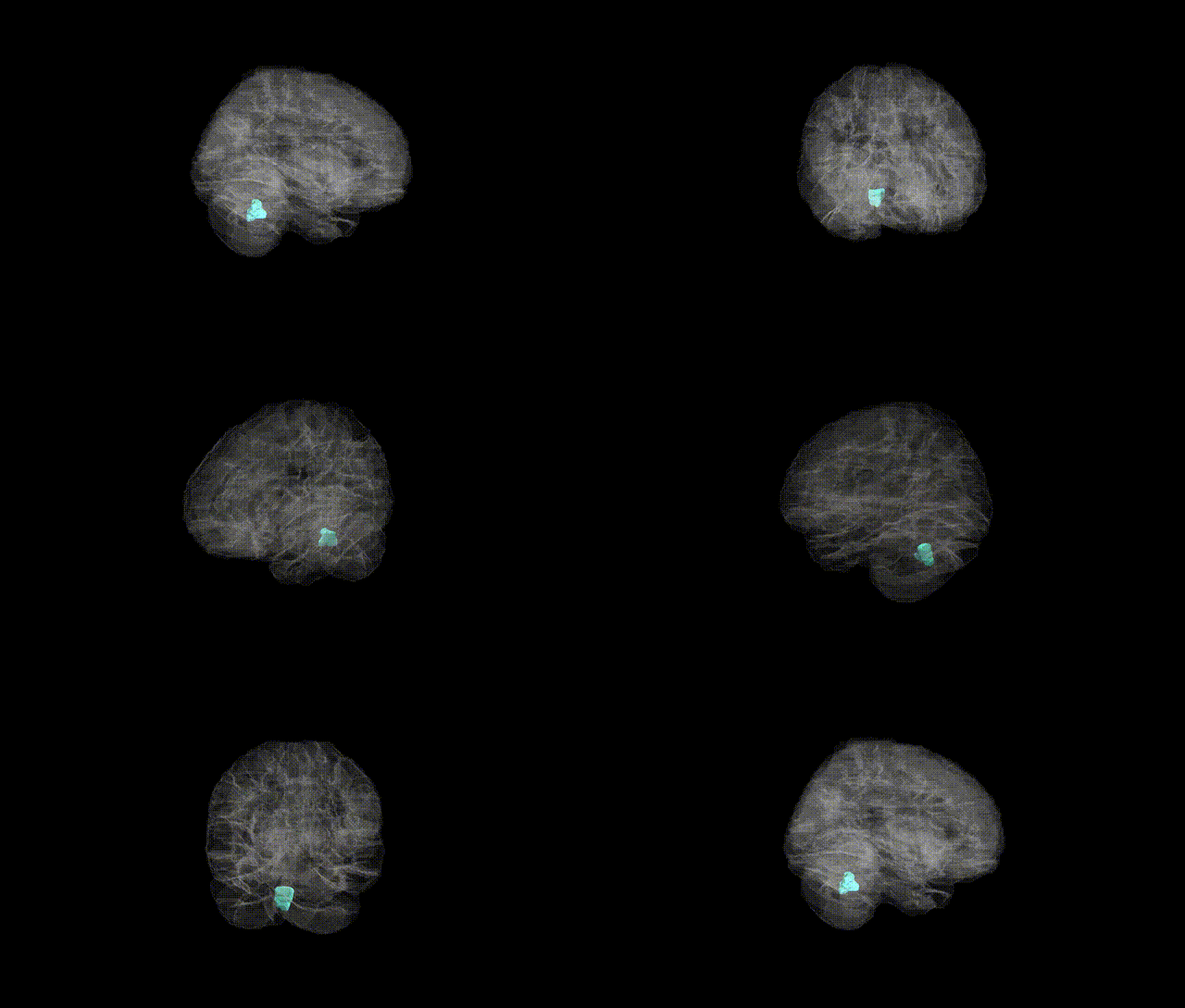
Vermis 9, in the AAL2 atlas, refers to the bilateral portion of lobule IX of the cerebellar vermis, a midline structure situated between the cerebellar hemispheres and extending into the posterior lobe. This region is primarily associated with vestibulocerebellar and oculomotor functions, including the integration of vestibular input, regulation of balance and posture, and coordination of eye movements, as well as contributions to autonomic control. Vermis 9 is composed of cerebellar cortex with Purkinje cells projecting to deep cerebellar nuclei, and is interconnected with brainstem vestibular nuclei and other cerebellar lobules, forming part of the network that fine-tunes motor control and spatial orientation. There is no direct Wikipedia article for Vermis 9; a closely related structure is the cerebellar vermis: Cerebellar vermis.
Genetic associations specifically implicating the bilateral Vermis 9 region of the cerebellar vermis (as defined in the AAL2 Atlas) remain sparse, but several lines of evidence link genes and variants to this territory via broader cerebellar or vermal phenotypes. Large-scale imaging–genetics and GWAS consortia (e.g., ENIGMA and UK Biobank–based studies) have identified common variants in neurodevelopmental and synaptic genes (such as those involved in axon guidance, neuronal migration, and synaptic plasticity) that correlate with total cerebellar volume and with regional volume differences encompassing posterior vermis lobules, including lobules VIII–X that spatially overlap Vermis 9. These genetic influences are enriched for pathways implicated in neurodevelopmental disorders (autism spectrum disorder, ADHD) and major psychiatric conditions (schizophrenia, bipolar disorder, major depression), which are themselves associated in structural MRI studies with altered vermis volume or shape, particularly in posterior lobules. Additional candidate-gene and rare-variant studies in disorders such as cerebellar ataxias, Joubert syndrome, and other midline malformations implicate genes critical for cerebellar patterning (e.g., those affecting Purkinje cell development, primary cilia, and midline fusion) that can produce dysplasia or hypoplasia of the posterior vermis, potentially including Vermis 9. However, no GWAS to date has isolated Vermis 9–specific loci, and current genetic findings are best interpreted as influencing a broader posterior vermis/cerebellar network rather than this single AAL2-defined region in isolation.
Overview generated by GPT-4o (2026).
Region ID: 9160
Hemisphere: bilateral
Atlas: AAL2
Full Quality Version: Download MP4
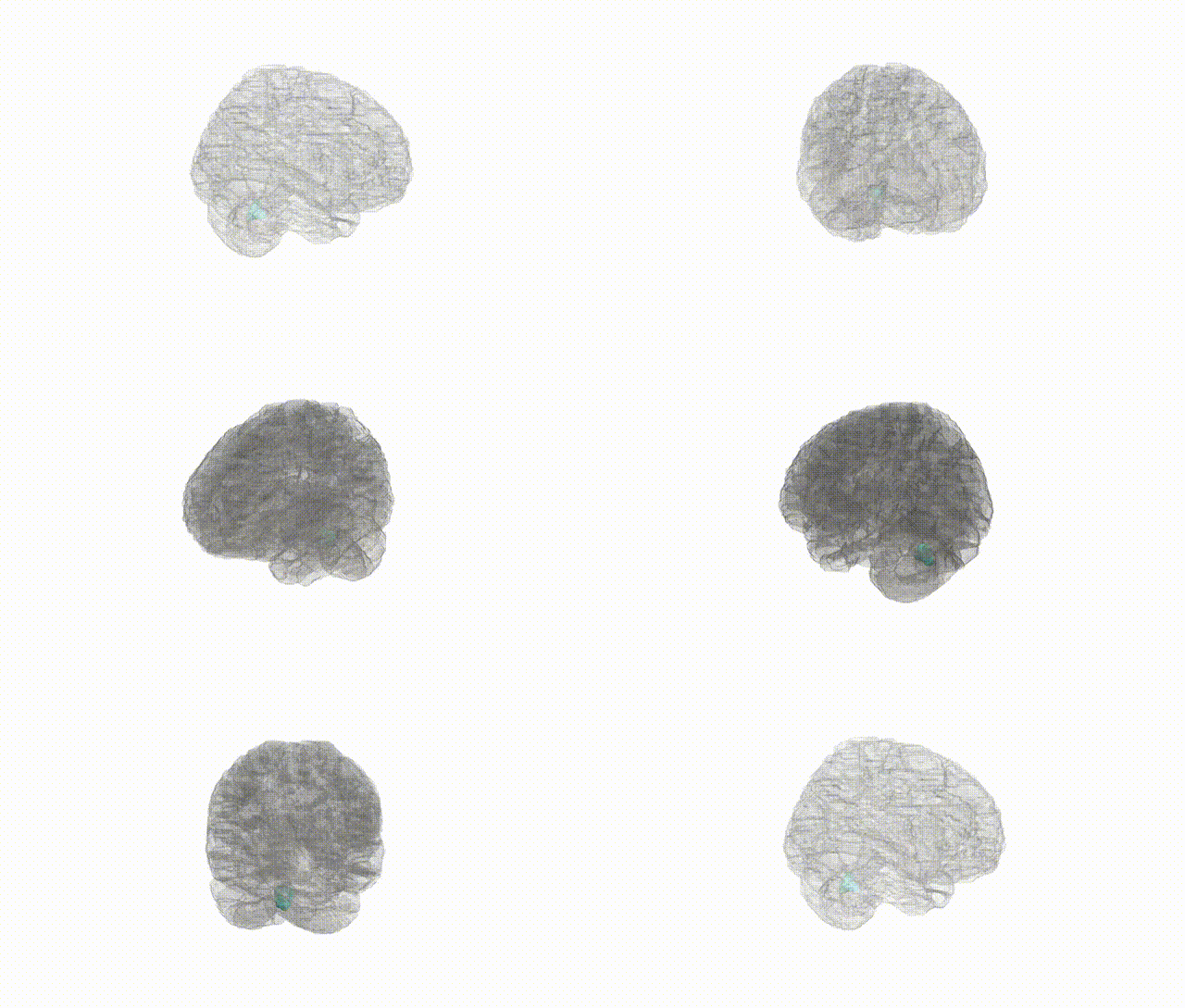
Full Quality Version: Download MP4
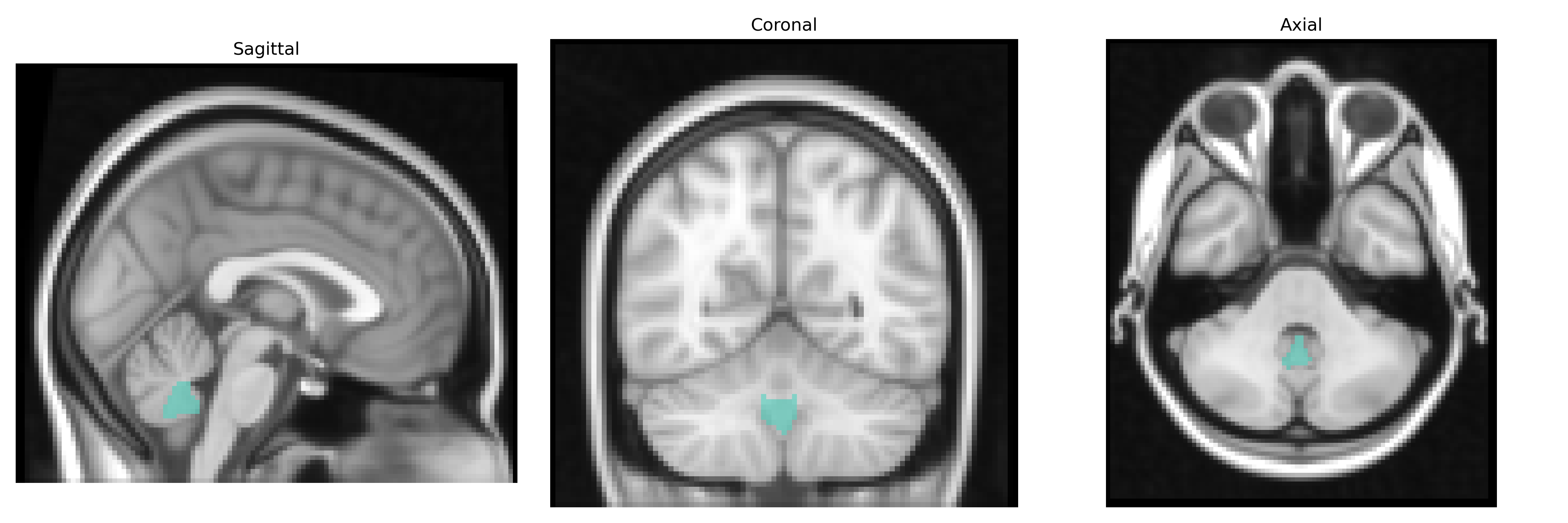
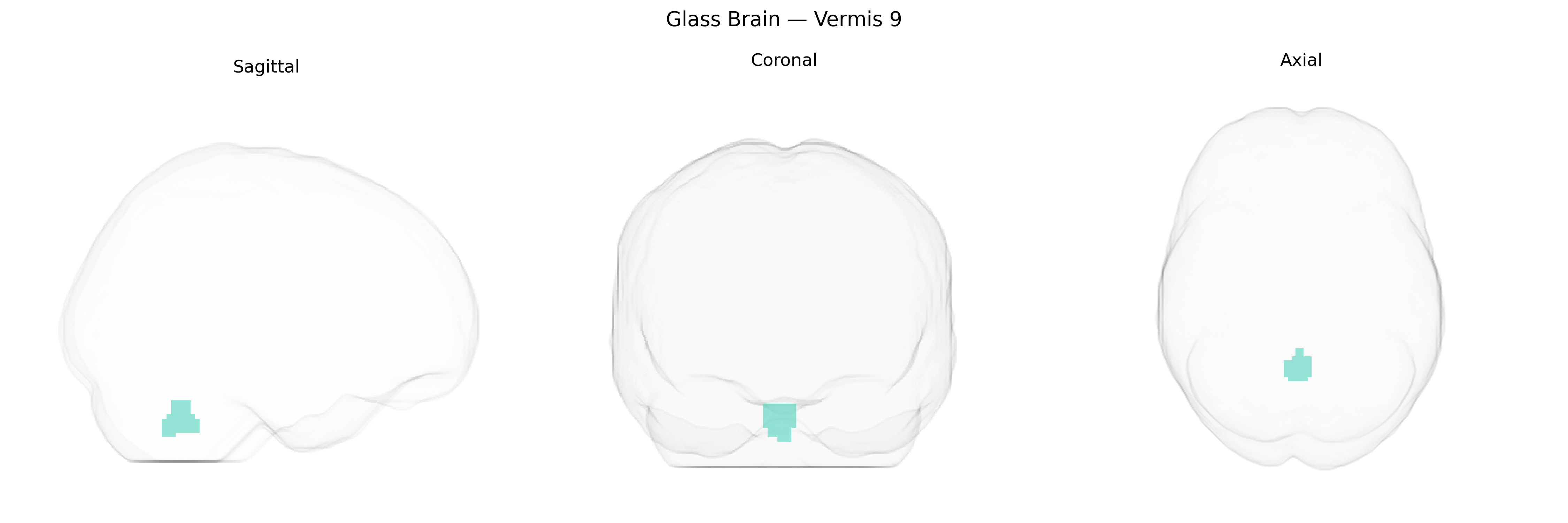
Wali Sidiqyar*, Gaurav Rudravaram*, Elyssa M. McMaster, Trent M. Schwartz, Adam M. Saunders, Kurt G. Schilling, Bennett A. Landman "Introducing SPINS: A Shared Public Visualization Library of Neuroanatomical Structures." Medical Imaging with Deep Learning- short paper
This resource is licensed under CC0 1.0 Universal (Public Domain).