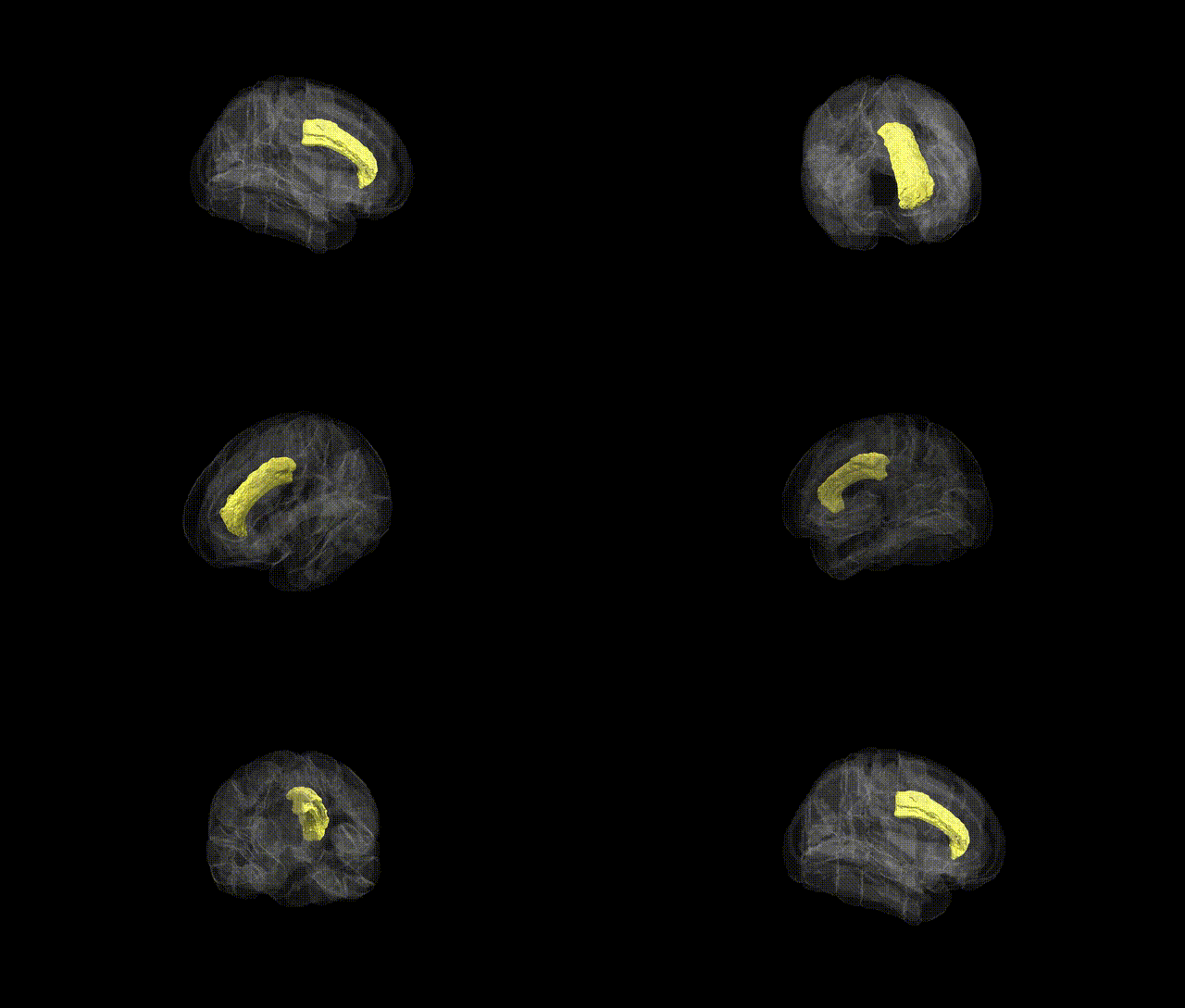
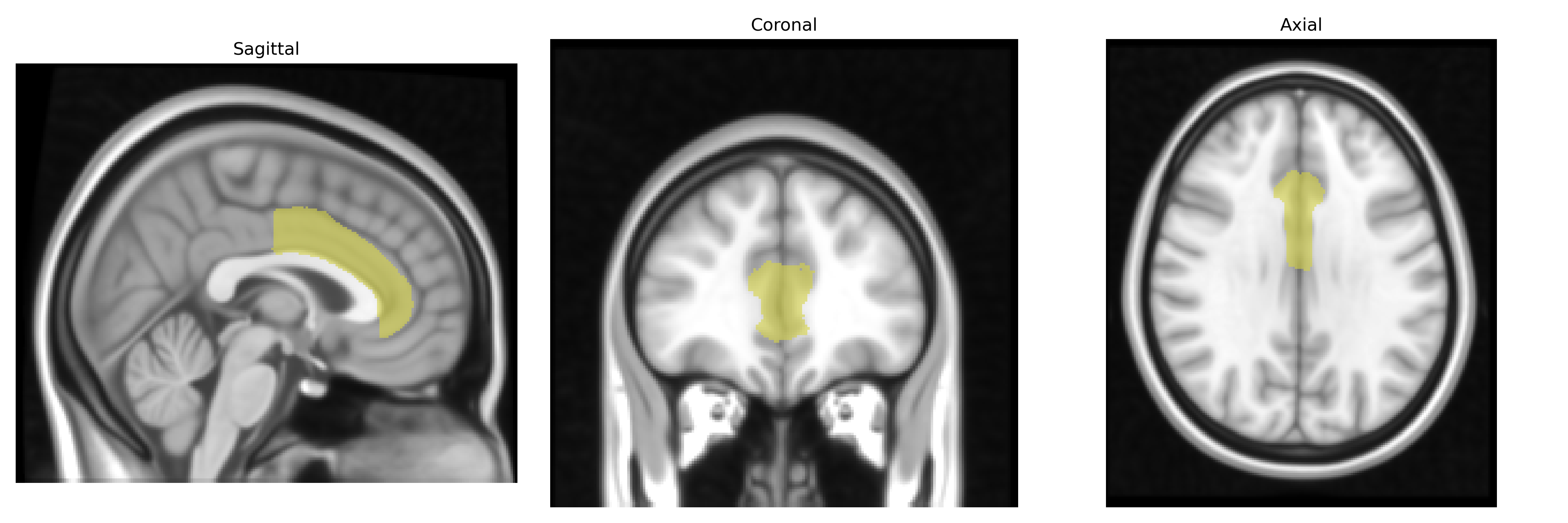
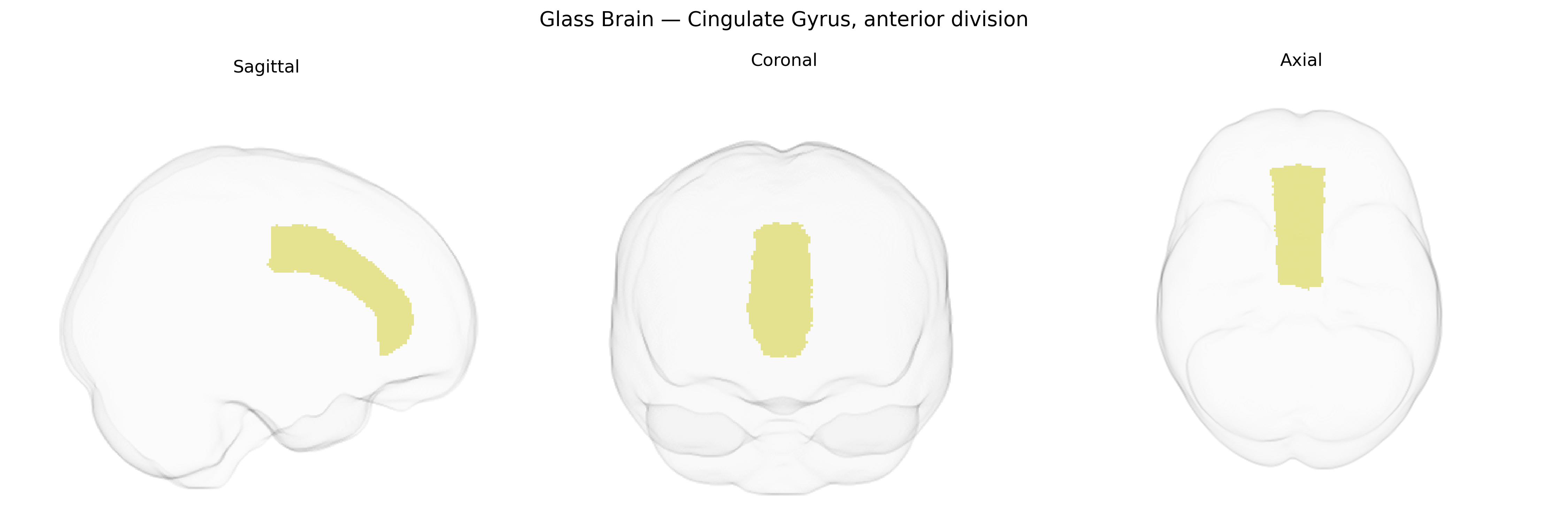
The bilateral cingulate gyrus, anterior division, as defined in the Harvard-Oxford Cortical Maxprob Thr25 1mm Atlas, encompasses the rostral segment of the cingulate cortex situated on the medial surface of the frontal lobe, arching above the corpus callosum and extending into prefrontal territories. This region is cytoarchitectonically and functionally associated with the anterior cingulate cortex (ACC), a key hub in networks mediating affective processing, conflict monitoring, error detection, autonomic regulation, and aspects of motivated behavior and decision-making. It receives convergent inputs from limbic structures (including the amygdala and hippocampus), prefrontal association areas, and thalamic nuclei, and projects to both cortical and subcortical targets, thereby integrating emotional, cognitive, and visceral information to guide adaptive responses. A closely related structure is the Anterior cingulate cortex.
The bilateral anterior cingulate gyrus, as defined in the Harvard–Oxford cortical atlas, has been repeatedly implicated in genetic studies of psychiatric and cognitive traits, with GWAS and imaging‑genetics work pointing to polygenic influences from common variants associated with major depressive disorder, schizophrenia, bipolar disorder, anxiety, and ADHD that partly act through altered anterior cingulate structure and function. Large consortia such as ENIGMA and UK Biobank have identified SNPs in loci including CACNA1C, DRD2, GRM3, and genes in glutamatergic, dopaminergic, and calcium‑channel pathways whose allelic variation correlates with anterior cingulate cortical thickness, volume, or activation patterns during tasks involving conflict monitoring, error processing, and emotion regulation. Risk alleles for depression (e.g., in SLC6A4 and genes influencing HPA‑axis signaling), schizophrenia (e.g., complement pathway gene C4 and synaptic genes), and anxiety/PTSD have been linked to altered anterior cingulate activation or connectivity, often mediating symptom dimensions such as negative affect, rumination, or fear extinction. In addition, polygenic scores for educational attainment and general cognitive ability show associations with anterior cingulate morphology and functional connectivity in fronto‑parietal networks, while variants influencing neuroticism and pain sensitivity (including opioid and inflammatory pathway genes) have been related to anterior cingulate responses to aversive stimuli. Overall, genetic effects on this region appear highly polygenic and pleiotropic, with numerous small‑effect variants converging on synaptic plasticity, neuromodulation, and stress‑response pathways that shape anterior cingulate structure and its role in emotion, cognition, and vulnerability to mental disorders.
Overview generated by GPT-4o (2026).
Region ID: 29
Hemisphere: bilateral
Atlas: HarvardOxford cort maxprob thr25 1mm
Full Quality Version: Download MP4
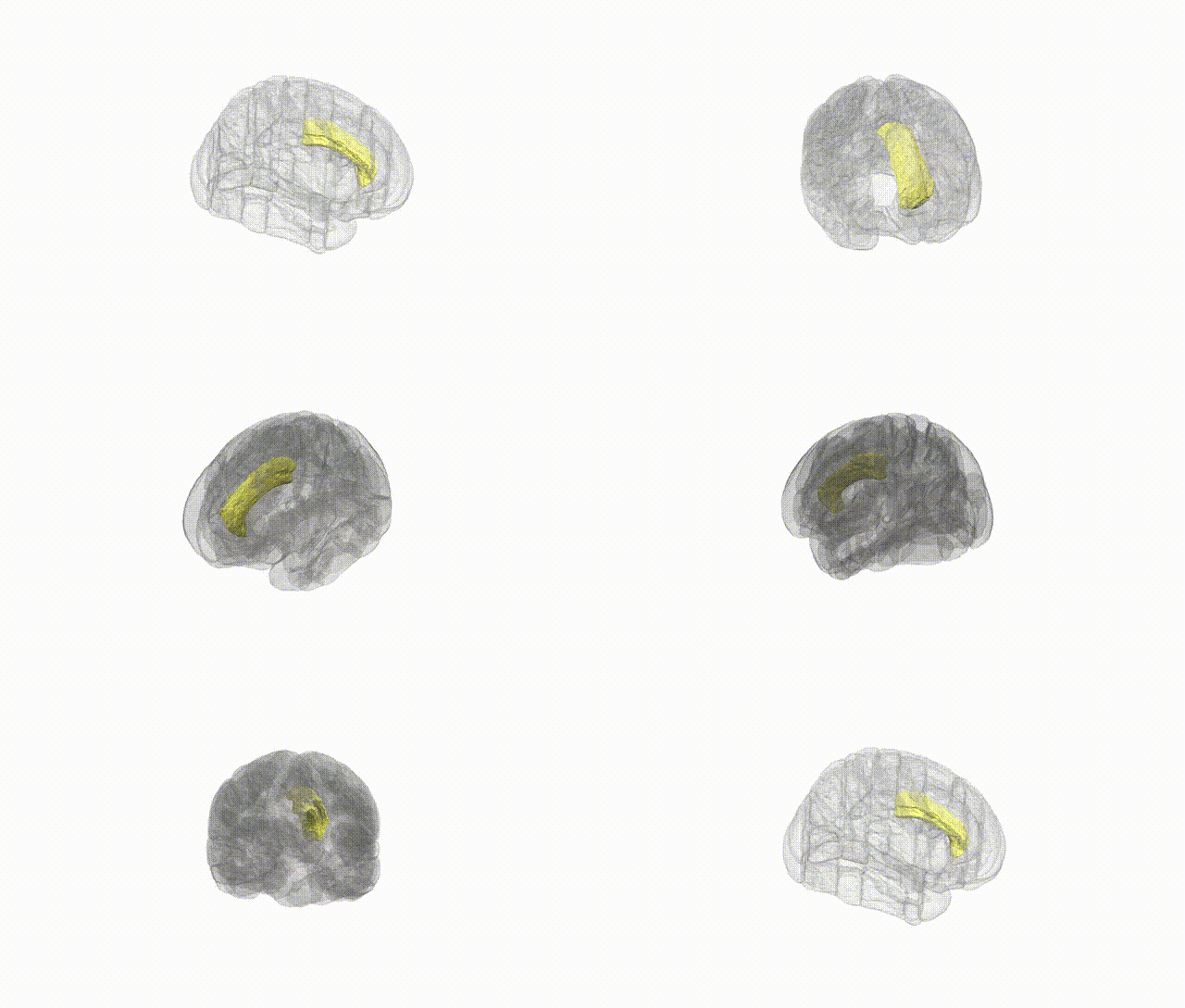
Full Quality Version: Download MP4
Wali Sidiqyar*, Gaurav Rudravaram*, Elyssa M. McMaster, Trent M. Schwartz, Adam M. Saunders, Kurt G. Schilling, Bennett A. Landman "Introducing SPINS: A Shared Public Visualization Library of Neuroanatomical Structures." Medical Imaging with Deep Learning- short paper
This resource is licensed under CC0 1.0 Universal (Public Domain).