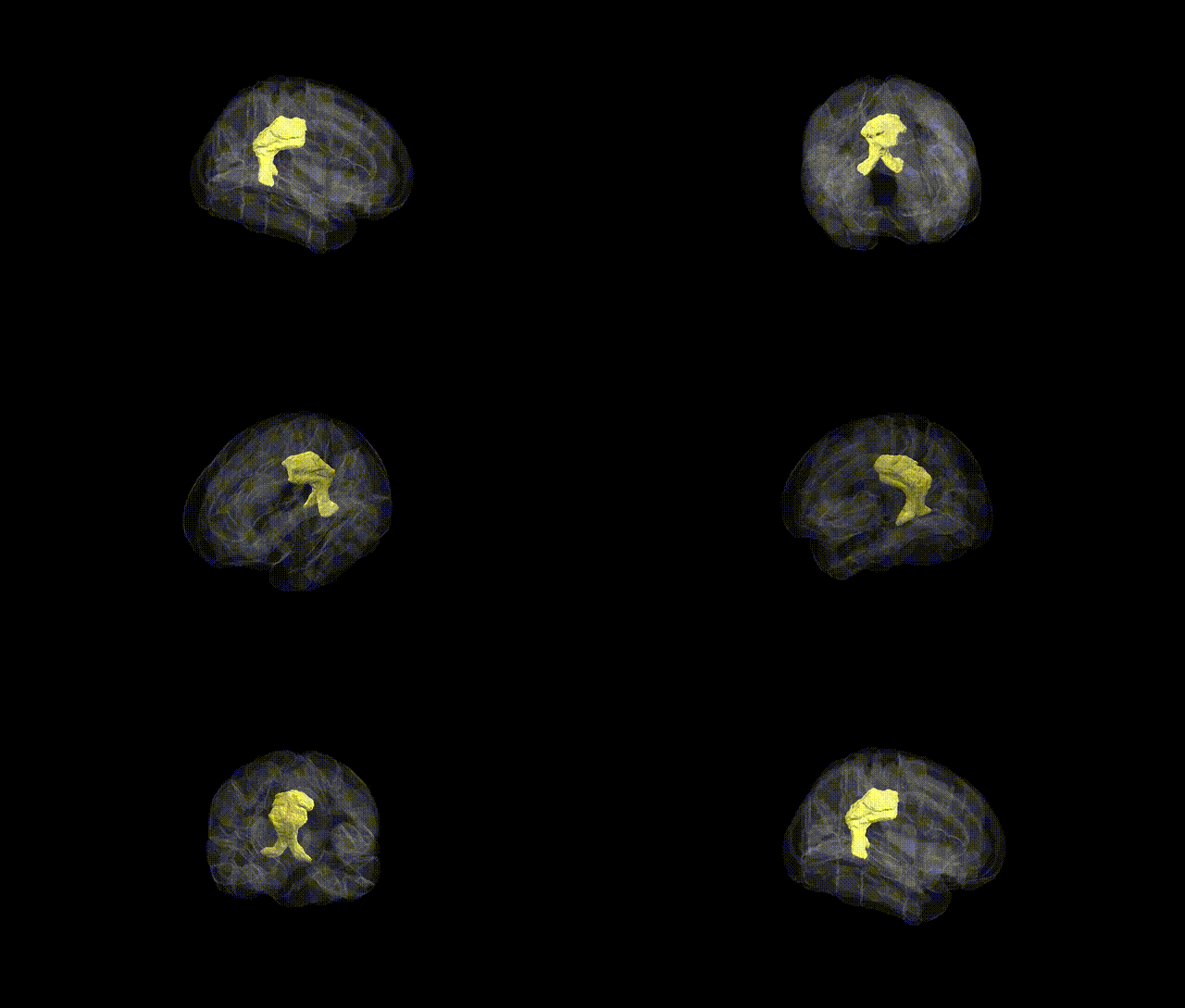
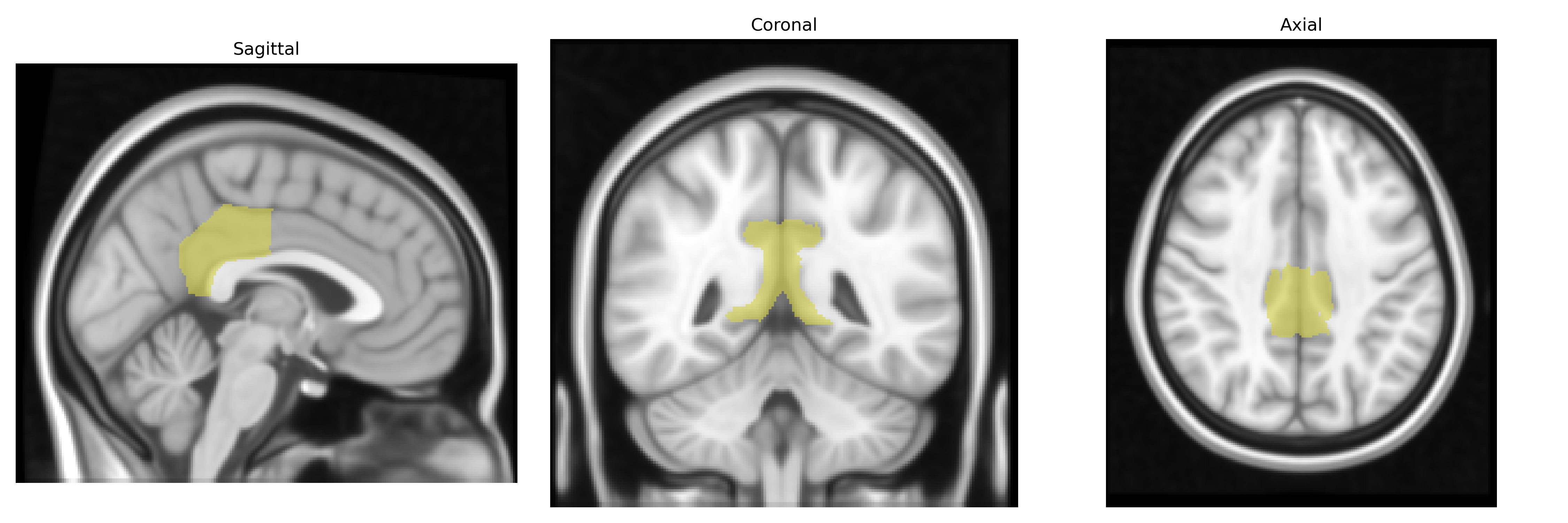
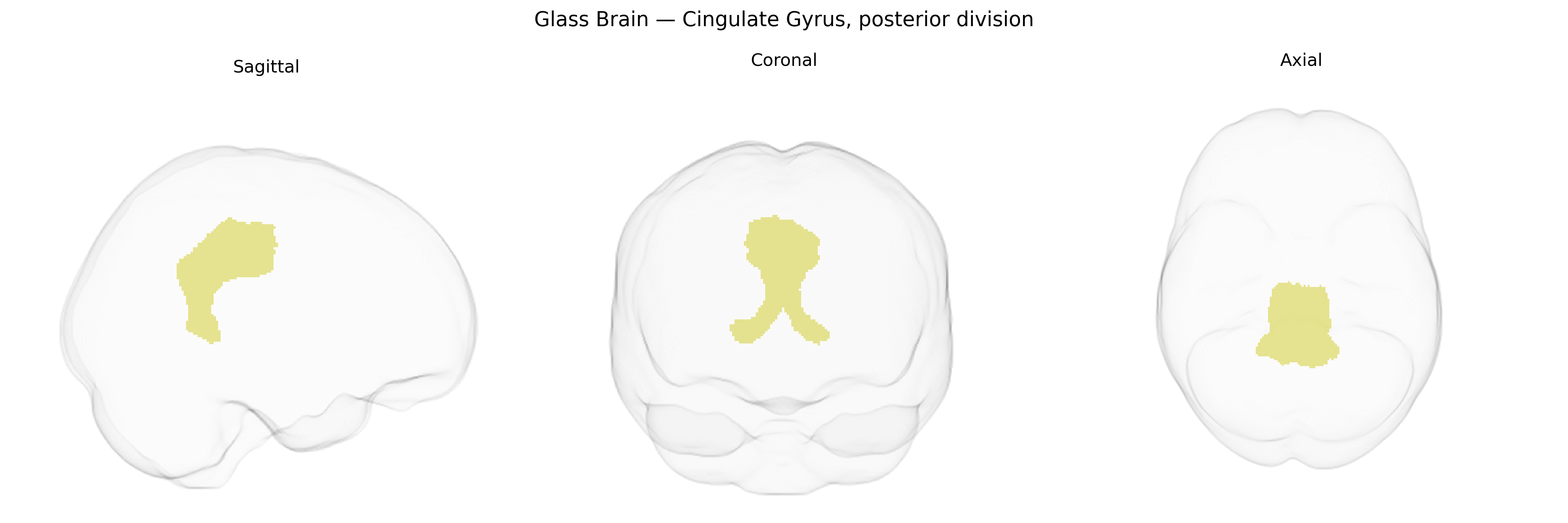
The bilateral cingulate gyrus, posterior division, as defined in the Harvard–Oxford cortical atlas, corresponds largely to the posterior cingulate cortex (PCC), a midline structure situated on the medial surface of the cerebral hemispheres within the limbic lobe, dorsal to the corpus callosum and extending into the precuneus region. This area is heavily interconnected with medial prefrontal cortex, retrosplenial cortex, hippocampal formation, and parietal association cortices, forming a core hub of the default mode network. Functionally, the posterior cingulate region is implicated in internally directed cognition, autobiographical and episodic memory retrieval, spatial orientation, and the integration of emotional and cognitive information, as well as modulation of arousal and awareness states. It shows prominent resting-state metabolic activity and is frequently involved in neurodegenerative processes, notably in Alzheimer’s disease, where hypometabolism and atrophy in this region are characteristic.
The posterior cingulate gyrus (bilateral), as defined in the Harvard–Oxford cortical atlas, has been implicated in numerous imaging genetics and GWAS studies that link variation in this region’s structure and function to neuropsychiatric and cognitive traits. Common variants in genes related to synaptic function and neuronal development—such as APOE (particularly ε4), CLU, PICALM, and BIN1—have been associated with posterior cingulate volume, connectivity, and metabolic activity, especially in the context of Alzheimer’s disease risk and progression. Large-scale GWAS of brain MRI measures (e.g., ENIGMA and UK Biobank) have identified polygenic influences on cortical thickness and surface area in medial parietal and posterior cingulate territories, overlapping loci involved in neurodevelopment, immune signaling, and lipid metabolism. Functionally, genetic risk scores for Alzheimer’s disease, schizophrenia, and major depressive disorder have been linked to altered default mode network connectivity, in which the posterior cingulate is a central hub, while variants affecting attentional and memory-related traits (including those near COMT and BDNF) have shown associations with task-related activation in posterior cingulate and adjacent precuneus. Additionally, GWAS of traits such as mind-wandering, rumination, and general cognitive ability report downstream effects on default-mode and posterior cingulate engagement, suggesting that this region’s genetic architecture is highly polygenic and shared across dementia, psychiatric vulnerability, and higher-order cognitive phenotypes.
Overview generated by GPT-4o (2026).
Region ID: 30
Hemisphere: bilateral
Atlas: HarvardOxford cort maxprob thr25 1mm
Full Quality Version: Download MP4
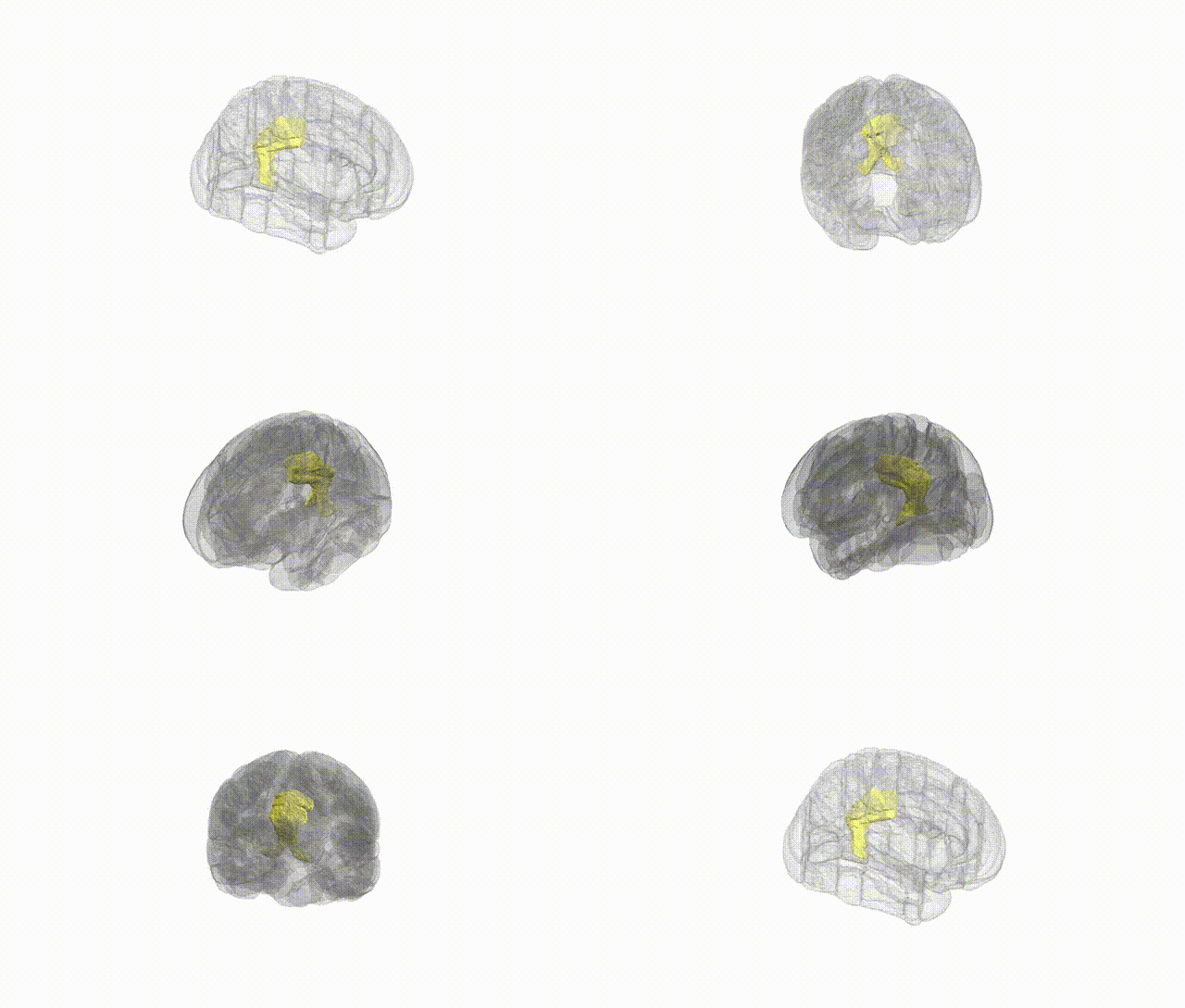
Full Quality Version: Download MP4
Wali Sidiqyar*, Gaurav Rudravaram*, Elyssa M. McMaster, Trent M. Schwartz, Adam M. Saunders, Kurt G. Schilling, Bennett A. Landman "Introducing SPINS: A Shared Public Visualization Library of Neuroanatomical Structures." Medical Imaging with Deep Learning- short paper
This resource is licensed under CC0 1.0 Universal (Public Domain).