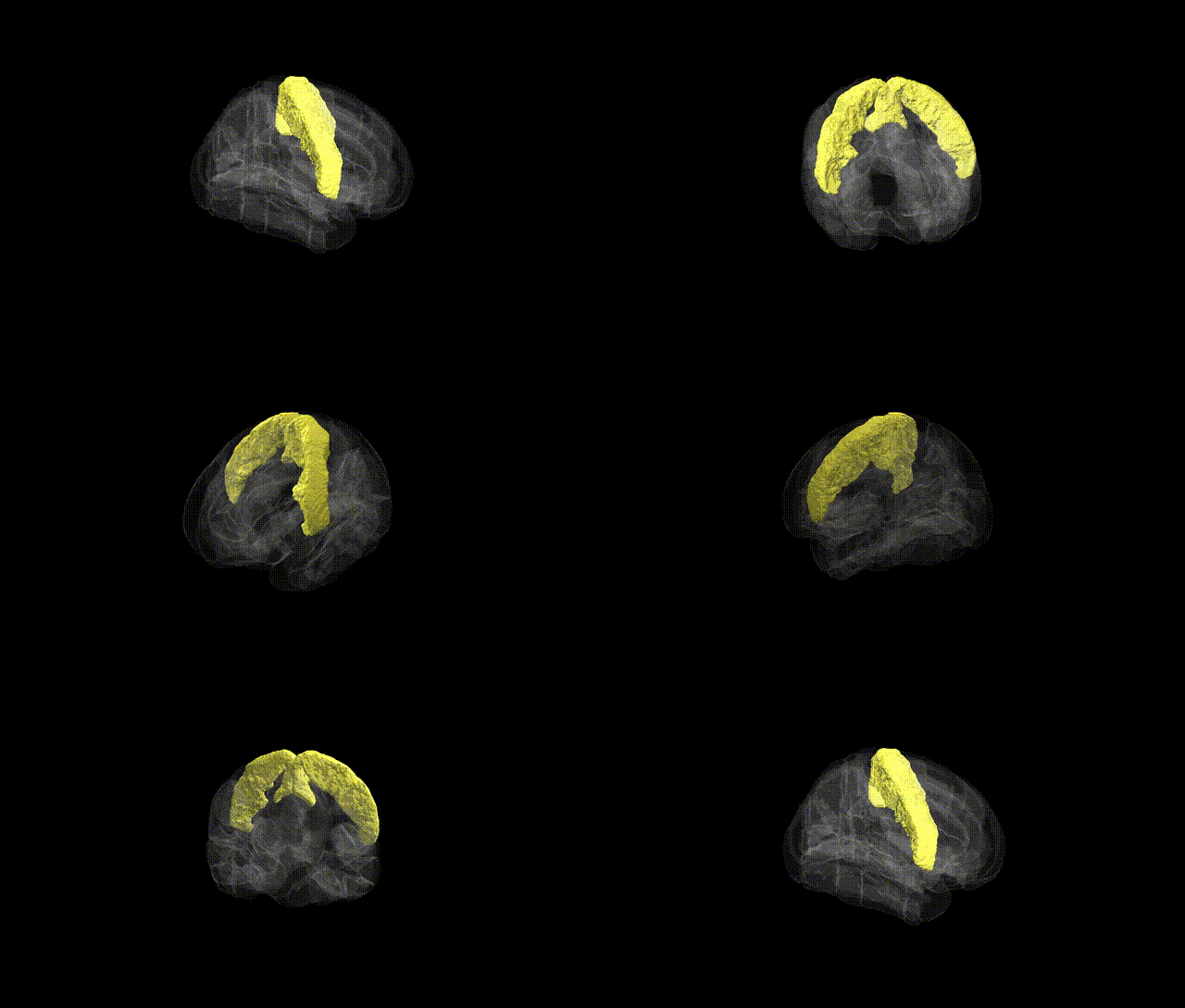
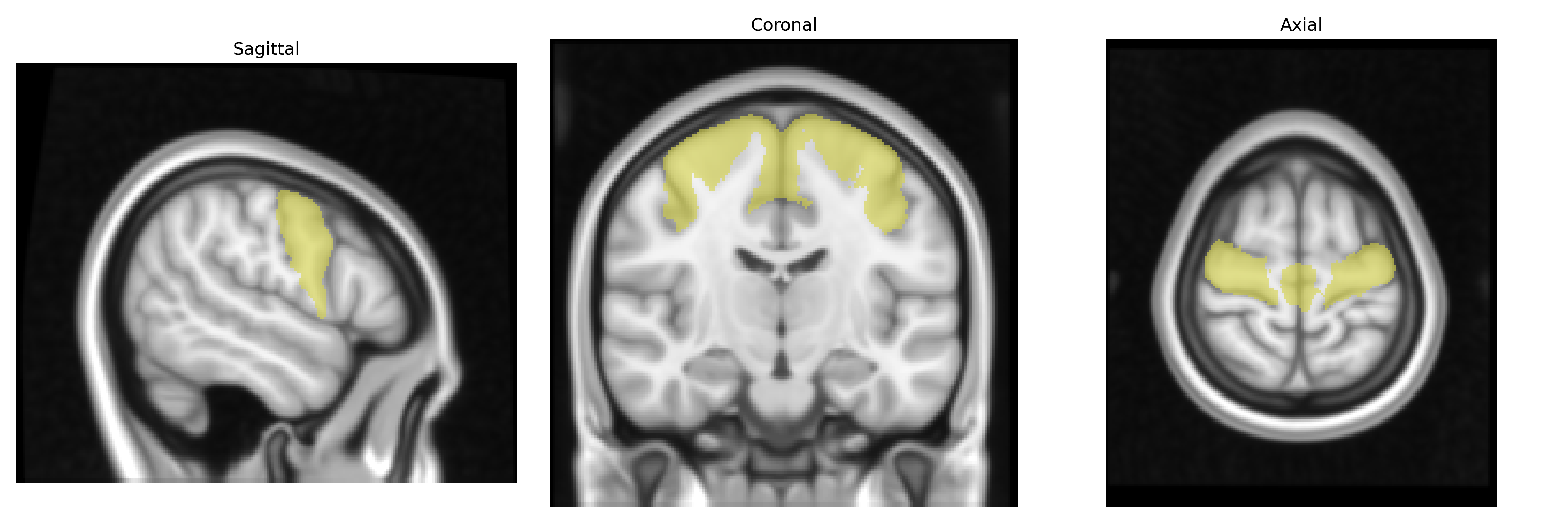
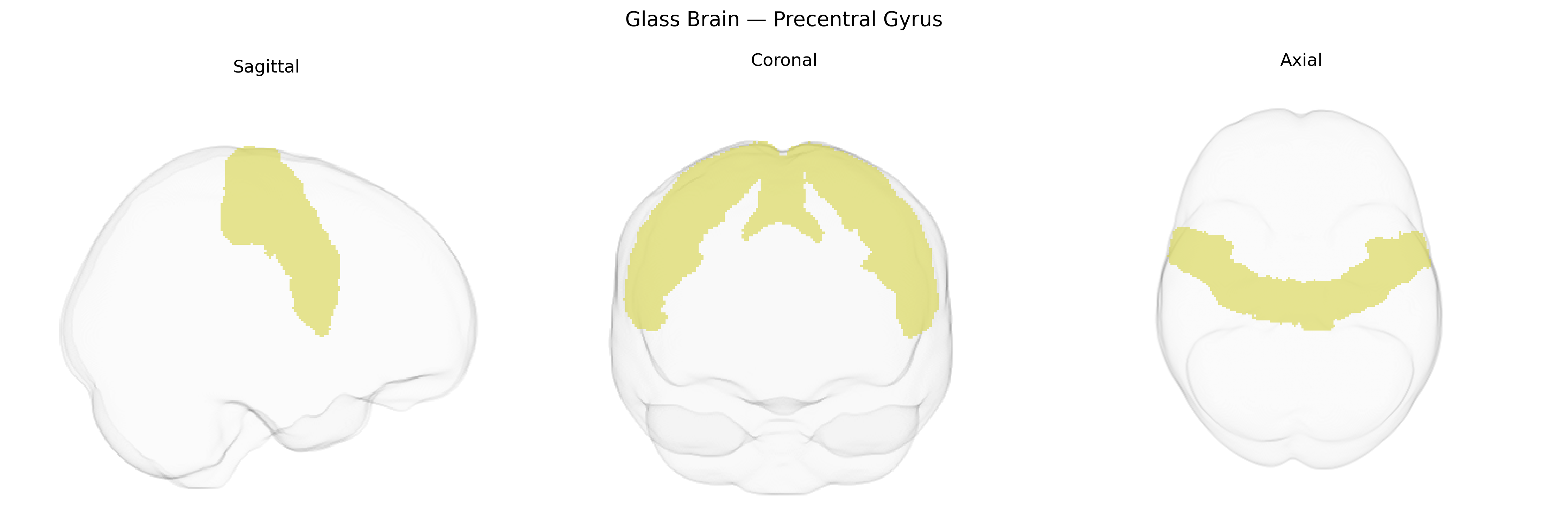
The bilateral Precentral Gyrus corresponds to the primary motor cortex (M1), located in the frontal lobe immediately anterior to the central sulcus and extending along the dorsal-ventral axis on both hemispheres. This region contains somatotopically organized neurons forming the motor homunculus, with different sectors controlling voluntary movements of specific body parts via corticospinal and corticobulbar projections. Its pyramidal neurons, especially Betz cells in layer V, provide the principal output from the cortex to spinal motor circuits, integrating inputs from premotor, supplementary motor, and somatosensory areas to plan and execute precise, goal-directed movements. Lesions in the precentral gyrus produce contralateral motor deficits, including weakness or paralysis and impaired fine motor control, reflecting its essential role in voluntary motor function. Primary motor cortex
The bilateral precentral gyrus, corresponding primarily to primary motor cortex in the HarvardOxford Cortical Atlas, has been implicated in multiple genetic and GWAS findings that connect motor, neurodevelopmental, and neuropsychiatric traits to variation in its structure and function. Large neuroimaging GWAS (e.g., ENIGMA, UK Biobank) have identified common variants associated with cortical thickness and surface area of precentral regions, including loci near genes such as HMGA2, IGF1, CENPW, and others involved in neurodevelopment and brain growth. Motor cortex morphology and activation patterns in the precentral gyrus show heritability and genetic correlations with general cognitive ability, educational attainment, and fine motor skills. Genetic studies of neurodevelopmental and movement disorders—particularly amyotrophic lateral sclerosis, Parkinson’s disease, focal dystonia, and cerebral palsy—often highlight functional or structural involvement of the precentral gyrus, with disease-risk loci in genes like C9orf72, SOD1, LRRK2, and other synaptic and axonal genes converging on motor system degeneration or dysfunction that prominently affects this region. GWAS of psychiatric conditions such as schizophrenia, ADHD, and autism spectrum disorder have identified risk variants with downstream effects on cortico-striatal and motor networks, with imaging-genetic work showing associated alterations in precentral cortical thickness, connectivity, or activation during motor tasks. Additionally, polygenic scores for traits such as handedness, physical activity, and reaction time have been linked to variation in precentral gyrus structure and activity, underscoring this region as a genetically influenced hub for voluntary motor control and its integration with broader cognitive and behavioral phenotypes.
Overview generated by GPT-4o (2026).
Region ID: 7
Hemisphere: bilateral
Atlas: HarvardOxford cort maxprob thr25 1mm
Full Quality Version: Download MP4
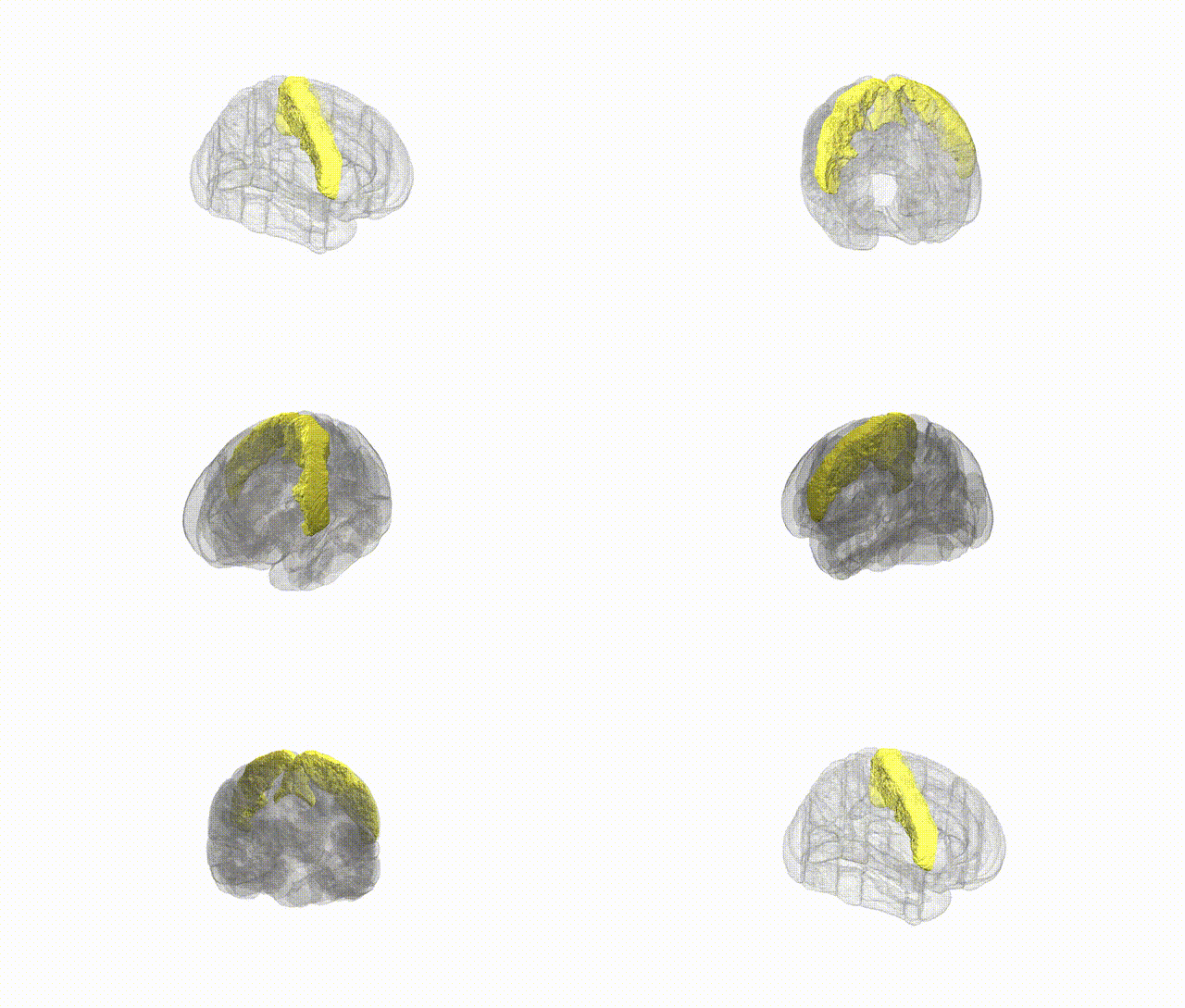
Full Quality Version: Download MP4
Wali Sidiqyar*, Gaurav Rudravaram*, Elyssa M. McMaster, Trent M. Schwartz, Adam M. Saunders, Kurt G. Schilling, Bennett A. Landman "Introducing SPINS: A Shared Public Visualization Library of Neuroanatomical Structures." Medical Imaging with Deep Learning- short paper
This resource is licensed under CC0 1.0 Universal (Public Domain).