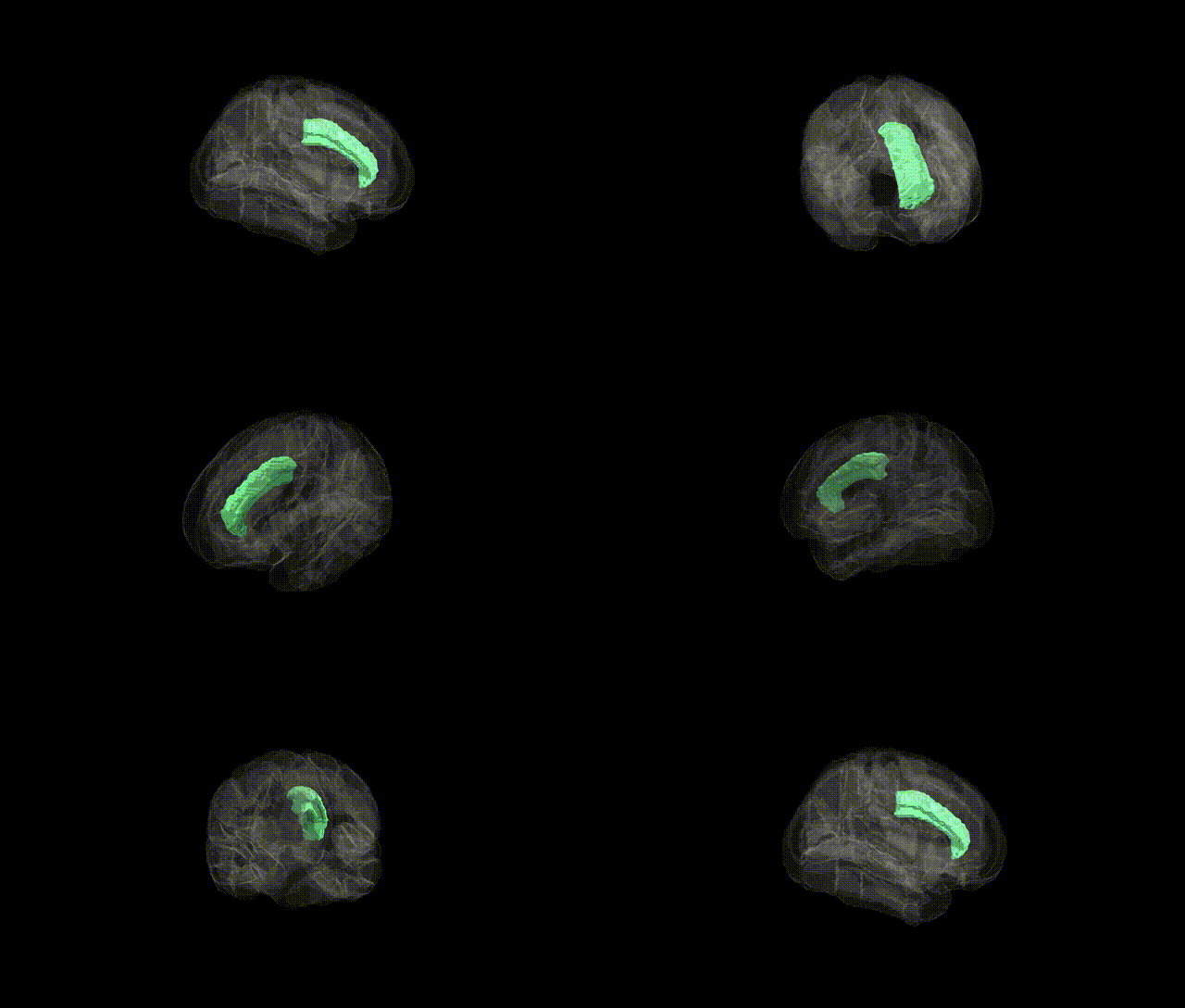
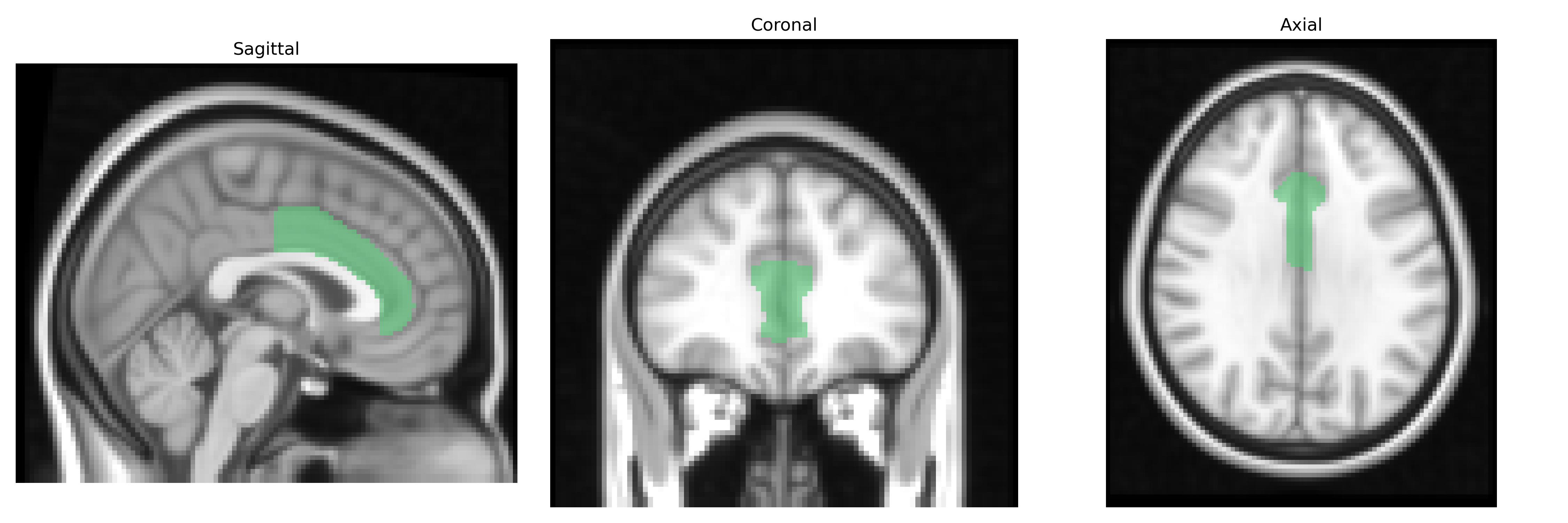
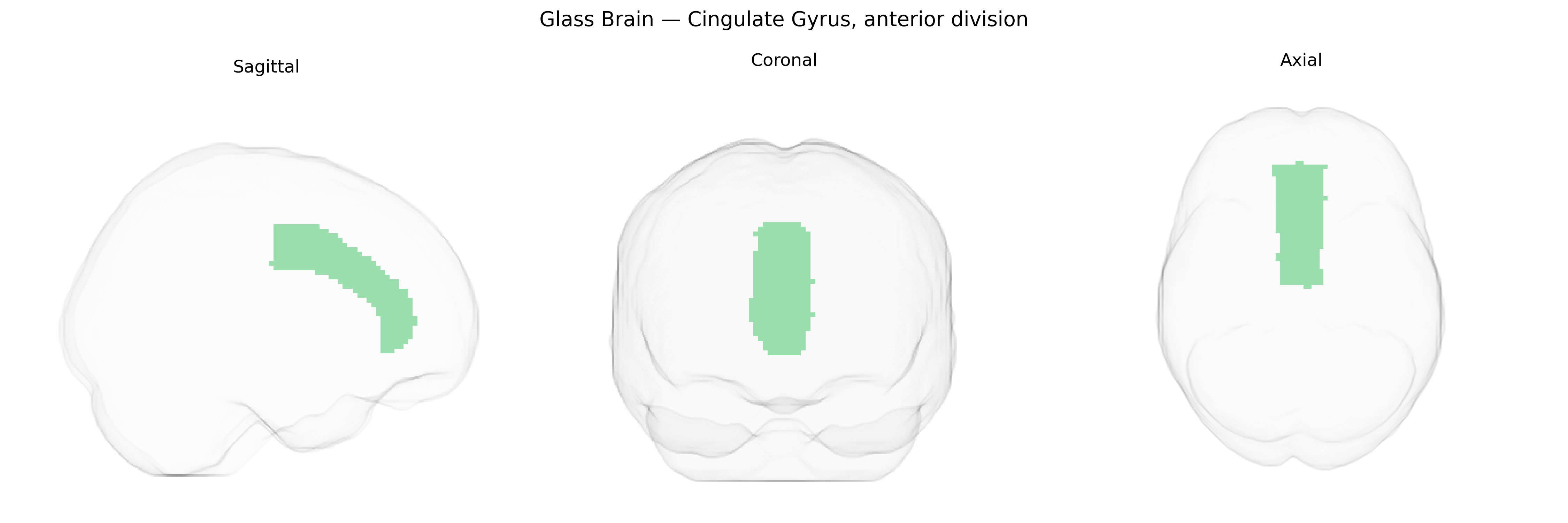
The bilateral Cingulate Gyrus, anterior division, as defined in the Harvard–Oxford cortical atlas, encompasses the rostral portion of the cingulate gyrus situated on the medial surface of the cerebral hemispheres, extending around the genu of the corpus callosum and bordering the medial frontal cortex. This region is a key node in the limbic system and fronto–cingulate networks, integrating emotional, cognitive, and autonomic processes, and is commonly associated with functions such as conflict monitoring, decision-making, error detection, motivation, and regulation of affect and pain perception. It receives and integrates input from prefrontal, limbic, and thalamic structures and projects widely to cortical and subcortical targets, supporting adaptive behavioral responses and internal state monitoring. There is no direct Wikipedia article for this precise atlas-defined subdivision; a closely related structure is the Anterior cingulate cortex.
The bilateral anterior cingulate gyrus (Harvard-Oxford cortical atlas, maxprob thr25 2mm) has been repeatedly implicated in genetic studies of psychiatric, cognitive, and affective traits, although most GWAS map associations to functional networks rather than atlas-defined parcels. Polygenic risk for major depressive disorder, schizophrenia, bipolar disorder, and anxiety consistently correlates with structural and functional variation in anterior cingulate cortex (ACC), including cortical thickness, surface area, and resting-state activity in this region. Common variants in genes related to glutamatergic signaling (e.g., GRM3, GRIN2A), synaptic plasticity (e.g., BDNF), and monoaminergic function (e.g., SLC6A4, DRD2) have been associated with ACC volume or activation differences, often mediating risk for depression, PTSD, and obsessive-compulsive disorder. Large imaging genetics consortia (e.g., ENIGMA) have identified heritable components of ACC morphology, with genome-wide significant loci influencing anterior cingulate thickness and volume, which in turn show genetic correlations with neuroticism, cognitive performance, pain sensitivity, and emotion regulation. Additionally, ACC function and connectivity—particularly within the salience and cognitive control networks—have been linked via GWAS and polygenic scoring to traits such as impulsivity, attention-deficit/hyperactivity disorder, and substance use disorders, highlighting this region as a key genetically modulated hub in the neurobiology of self-regulation and affective processing.
Overview generated by GPT-4o (2026).
Region ID: 29
Hemisphere: bilateral
Atlas: HarvardOxford cort maxprob thr25 2mm
Full Quality Version: Download MP4
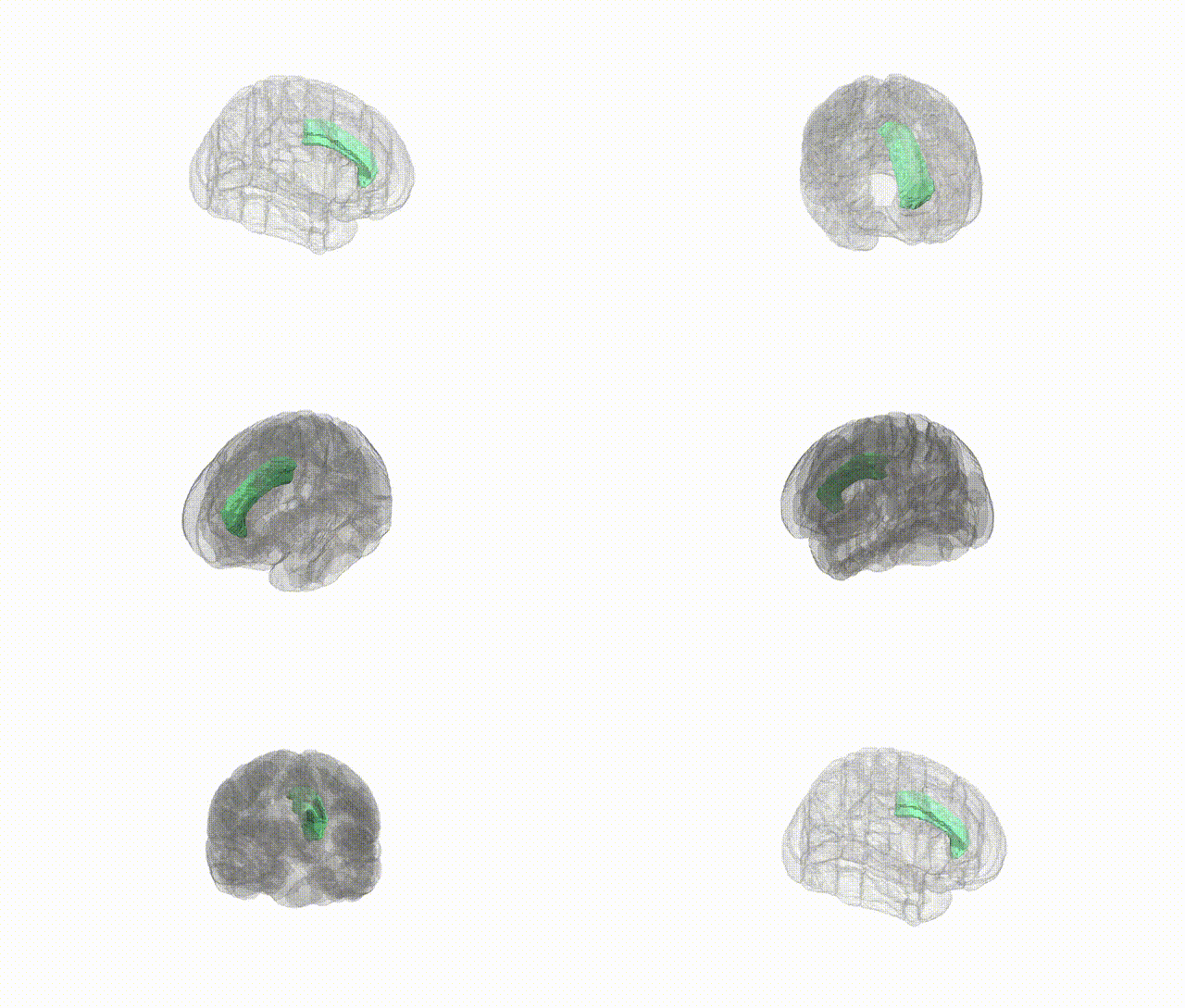
Full Quality Version: Download MP4
Wali Sidiqyar*, Gaurav Rudravaram*, Elyssa M. McMaster, Trent M. Schwartz, Adam M. Saunders, Kurt G. Schilling, Bennett A. Landman "Introducing SPINS: A Shared Public Visualization Library of Neuroanatomical Structures." Medical Imaging with Deep Learning- short paper
This resource is licensed under CC0 1.0 Universal (Public Domain).