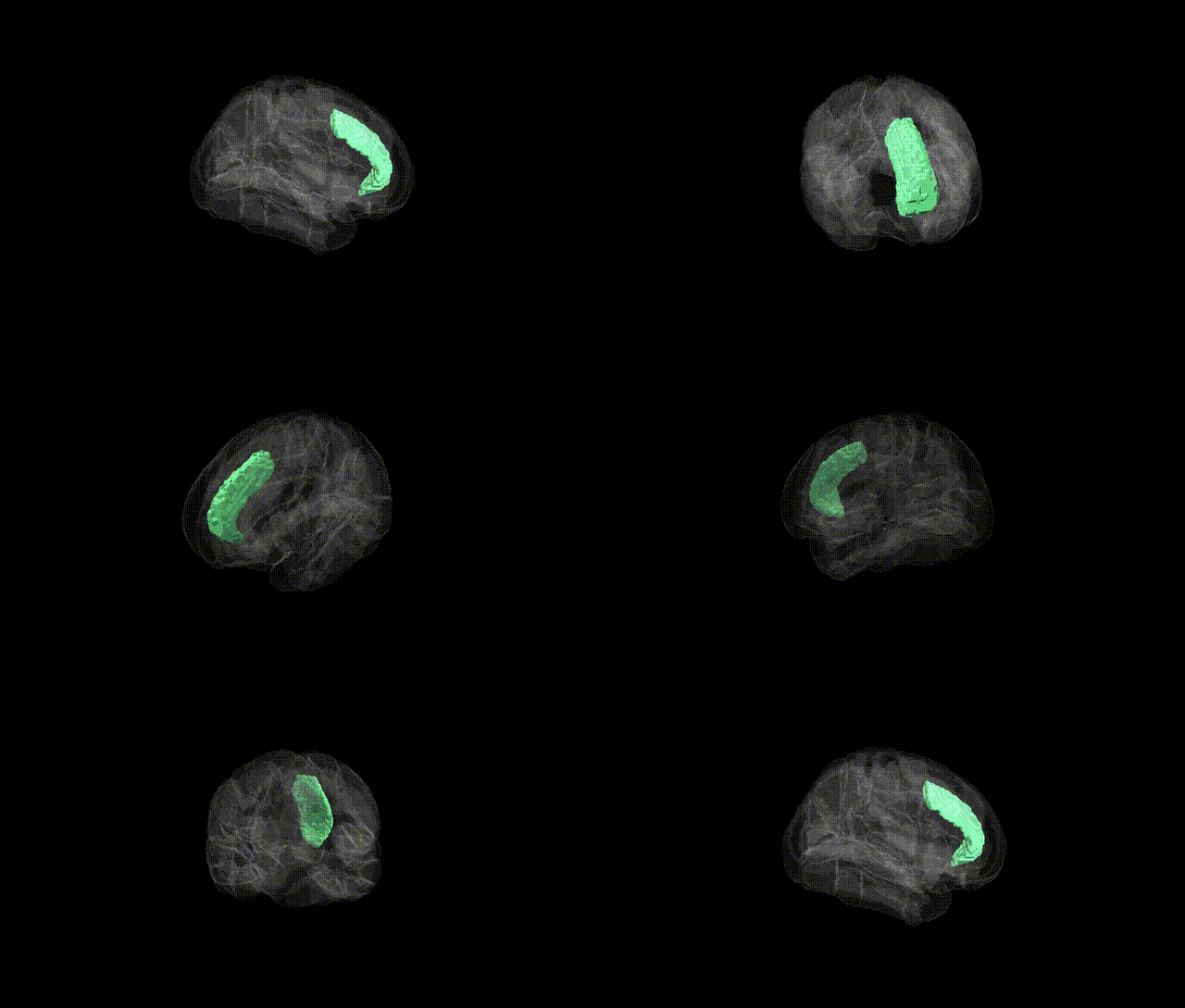
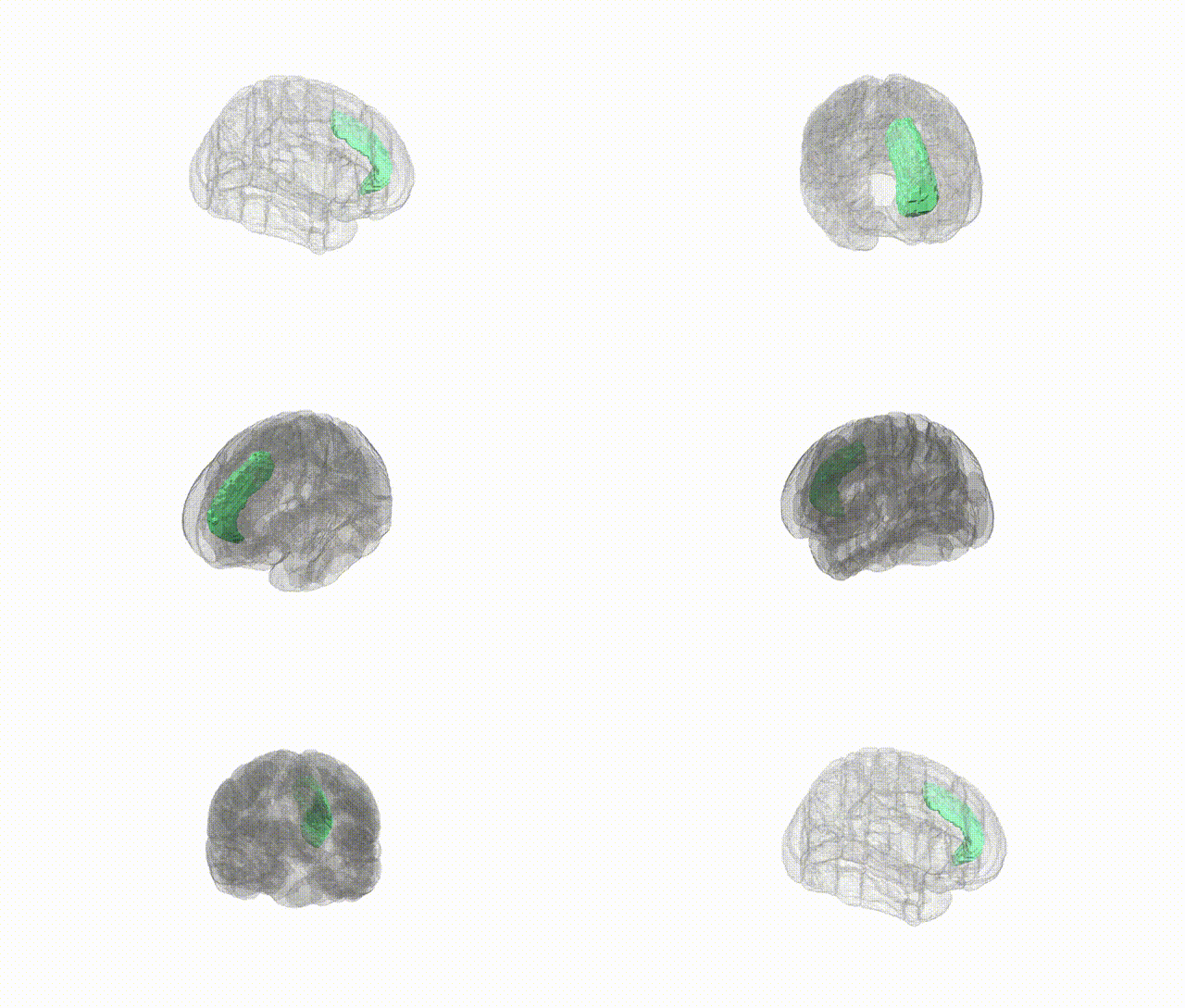
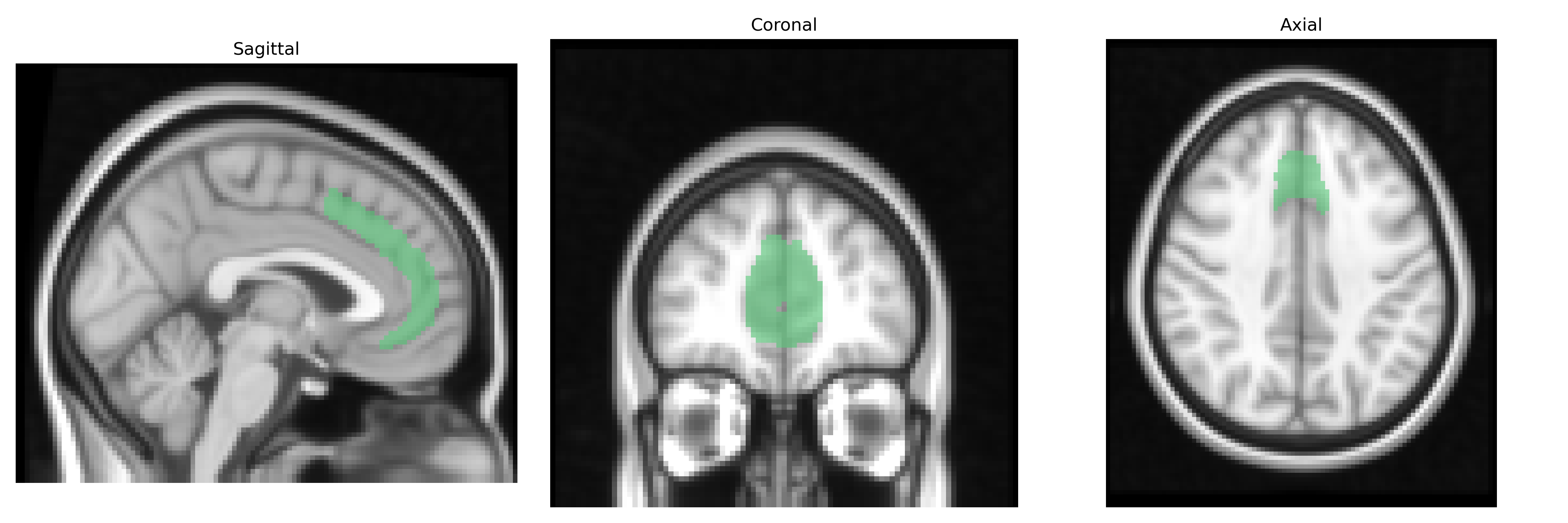
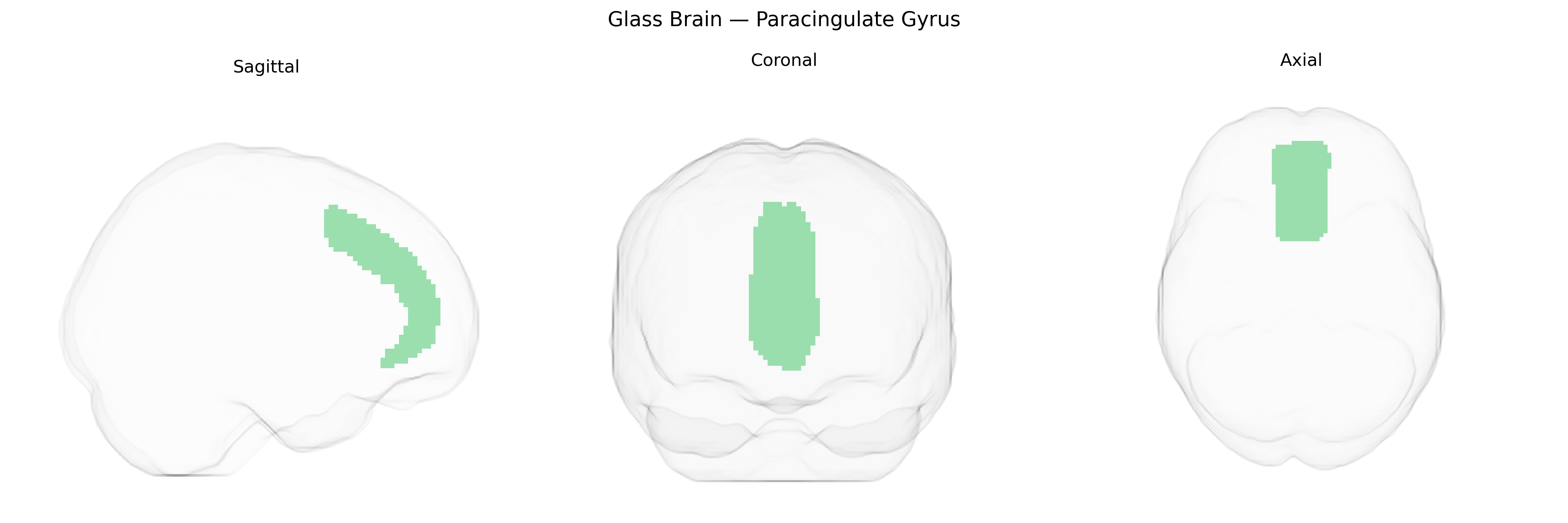
The bilateral paracingulate gyrus is a medial frontal cortical region adjacent and dorsal to the cingulate gyrus, typically situated along the dorsal bank of the cingulate sulcus and variably present across individuals. In the Harvard–Oxford Cortical Structural Atlas (maxprob, thr25, 2 mm), it corresponds to part of the medial prefrontal cortex implicated in higher-order cognitive control, performance monitoring, decision-making, social cognition, and aspects of self-referential processing. Functionally, the paracingulate gyrus is closely associated with the dorsal anterior cingulate and neighboring medial frontal areas, forming part of networks subserving conflict detection, error processing, and the regulation of behavior based on internal goals. There is no direct Wikipedia article for the paracingulate gyrus; a closely related and overlapping region is the Anterior cingulate cortex.
The bilateral paracingulate gyrus, a medial frontal region implicated in cognitive control, error monitoring, and self-related processing, has been linked in genetic and imaging–genetics studies to several neuropsychiatric and cognitive traits, although findings are often indirect and regionally coarse (typically labeled within medial prefrontal/anterior cingulate or superior frontal areas in the Harvard–Oxford atlas). Polygenic risk scores for schizophrenia, major depressive disorder, bipolar disorder, and autism spectrum disorder have been associated with altered cortical thickness, surface area, or activation of medial prefrontal/paracingulate regions in large neuroimaging consortia (e.g., ENIGMA, UK Biobank), and specific risk loci in genes affecting synaptic and neurodevelopmental pathways (such as CACNA1C, ZNF804A, DISC1, and MIR137-regulated networks) have been related to functional activation differences or structural variation within nearby medial frontal/cingulate zones. GWAS of cognitive performance, educational attainment, and general intelligence have also identified polygenic influences on medial prefrontal morphology and connectivity, including paracingulate-adjacent parcels, while headache/migraine, pain sensitivity, and internalizing traits show associations with medial cingulate/prefrontal structure and function in large-scale imaging genetics. Overall, current genetic associations with the paracingulate gyrus are best characterized at the level of polygenic and network-wide effects on medial prefrontal–cingulate systems rather than single-region, single-gene effects, and most evidence comes from broader medial frontal/anterior cingulate labels that overlap substantially with the paracingulate region in the Harvard–Oxford atlas rather than from paracingulate-specific GWAS.
Overview generated by GPT-4o (2026).
Region ID: 28
Hemisphere: bilateral
Atlas: HarvardOxford cort maxprob thr25 2mm
Full Quality Version: Download MP4
Full Quality Version: Download MP4
Wali Sidiqyar*, Gaurav Rudravaram*, Elyssa M. McMaster, Trent M. Schwartz, Adam M. Saunders, Kurt G. Schilling, Bennett A. Landman "Introducing SPINS: A Shared Public Visualization Library of Neuroanatomical Structures." Medical Imaging with Deep Learning- short paper
This resource is licensed under CC0 1.0 Universal (Public Domain).