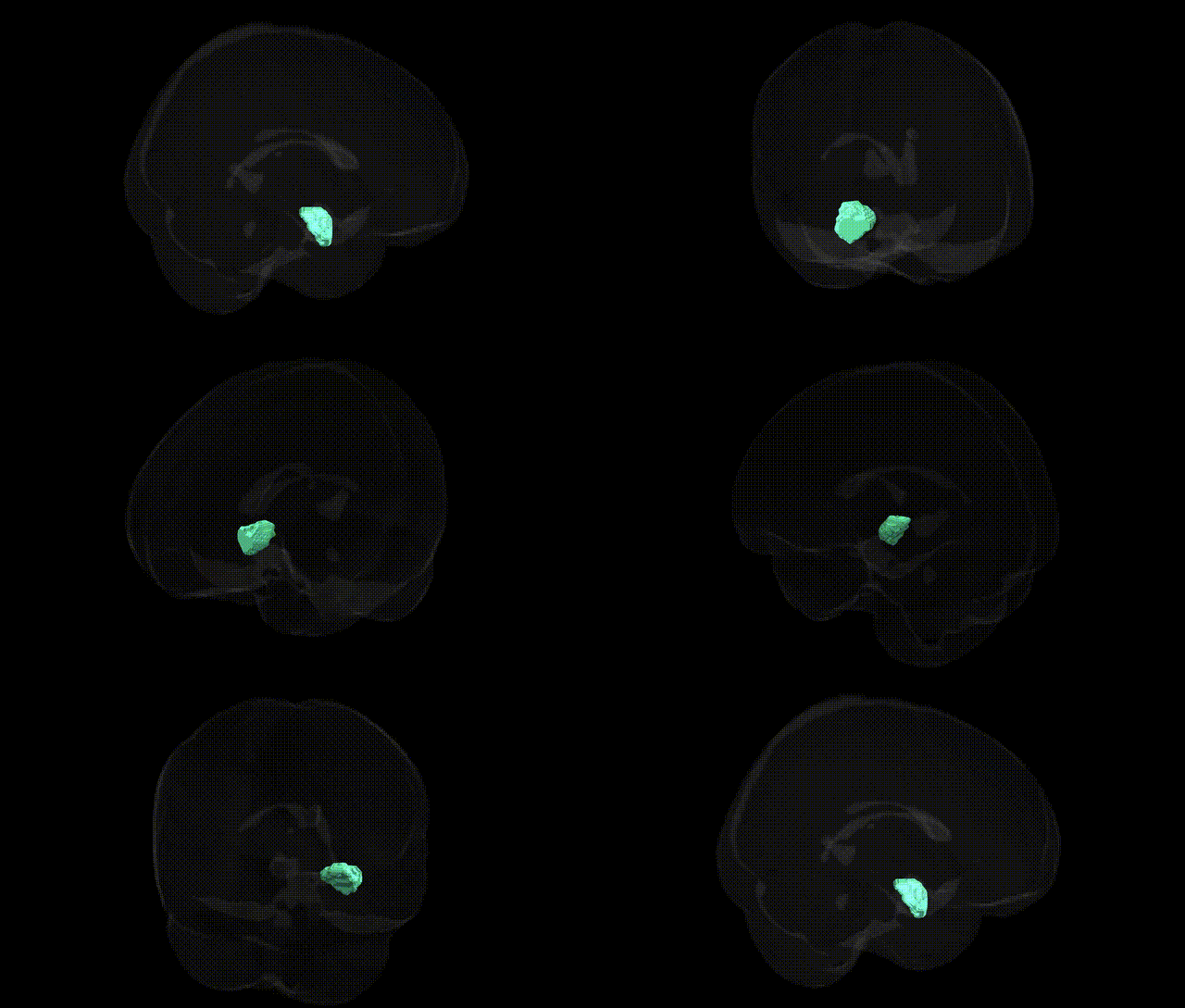
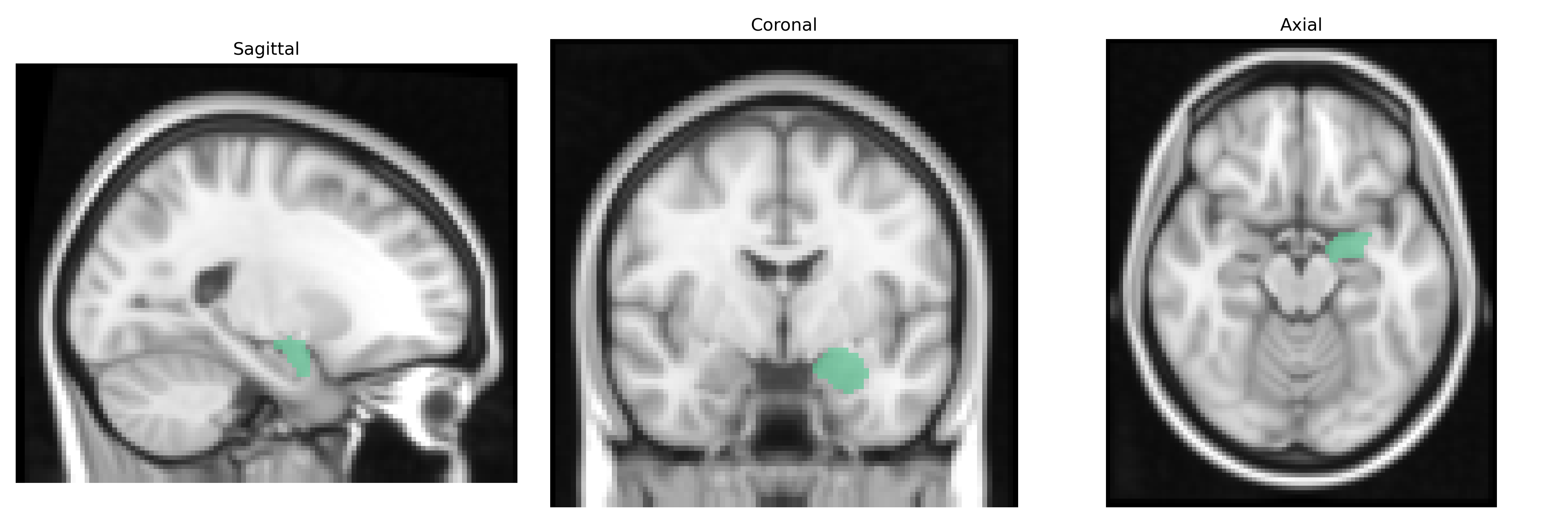
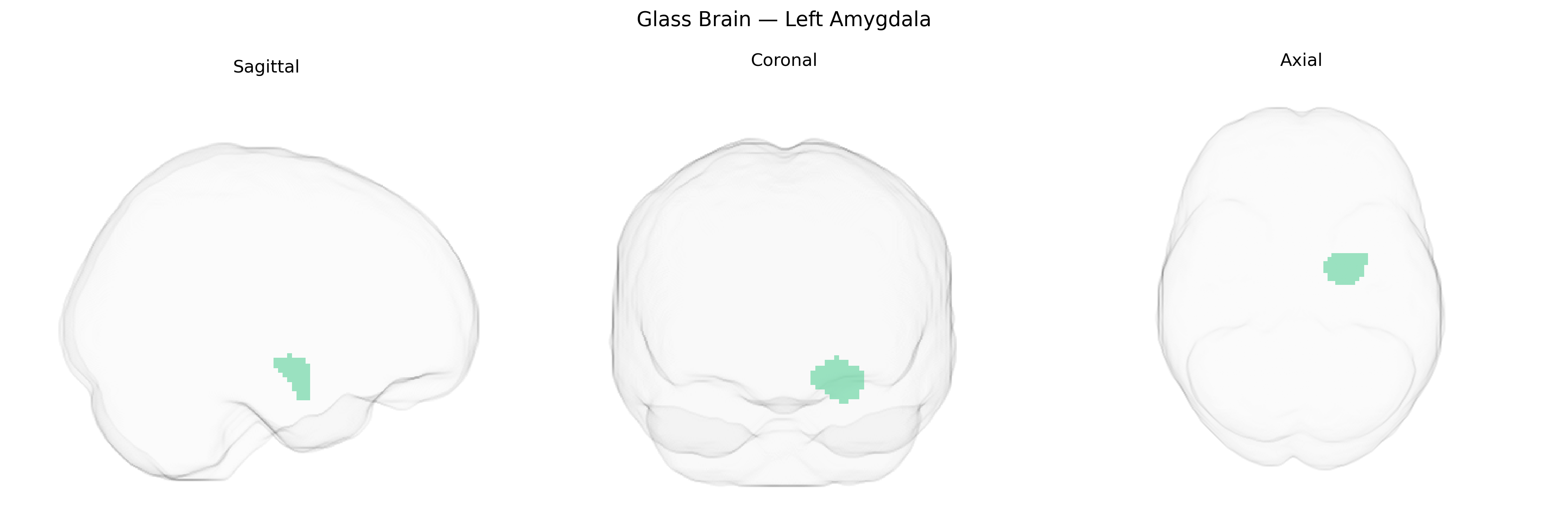
The bilateral Left Amygdala, as defined in the Harvard-Oxford Subcortical Atlas (maxprob thr25, 2 mm), is a paired, almond-shaped structure located in the medial temporal lobe, forming a key component of the limbic system. It comprises multiple nuclei (including basolateral, centromedial, and cortical groups) that receive highly processed sensory input from cortical association areas and subcortical pathways and project to hypothalamic, brainstem, and prefrontal targets. Functionally, the amygdala is crucial for emotional processing, particularly fear and threat detection, as well as for associative learning, modulation of memory consolidation via interactions with the hippocampus, and regulation of autonomic and endocrine responses to emotionally salient stimuli. The Left Amygdala, while part of a bilateral network, has been implicated in lateralized functions such as language-related emotional processing and more detail-oriented evaluation of affective cues, in contrast to the Right Amygdala’s often more global, rapid threat detection.
Amygdala
The bilateral left amygdala, as defined in the Harvard-Oxford subcortical atlas, has been repeatedly implicated in genetic studies of neuropsychiatric and behavioral traits, with GWAS and imaging-genetics work linking common variants to its volume, reactivity, and connectivity. Large-scale GWAS of subcortical brain volumes (e.g., ENIGMA and UK Biobank cohorts) have identified loci near genes such as SLC39A8, APOE, MEF2C, and DRD2 that influence amygdala structure, some of which also associate with schizophrenia, major depressive disorder, Alzheimer’s disease, and cognitive performance. Candidate gene and polygenic risk score studies show that variants in serotonin-related (e.g., SLC6A4), glutamatergic (e.g., GRM3), and stress-response pathways (e.g., FKBP5, CRHR1) modulate amygdala activation to emotional stimuli and fear conditioning, linking this region to anxiety disorders, post-traumatic stress disorder, and mood disorders. Additionally, autism spectrum disorder and bipolar disorder risk loci have been associated with altered amygdala volume and functional connectivity, and several GWAS of traits such as neuroticism, aggression, and social behavior report overlapping genetic architecture with amygdala phenotypes, underscoring this region’s role as a convergent neural substrate for diverse genetically influenced emotional and cognitive traits.
Overview generated by GPT-4o (2026).
Region ID: 10
Hemisphere: bilateral
Atlas: HarvardOxford sub maxprob thr25 2mm
Full Quality Version: Download MP4
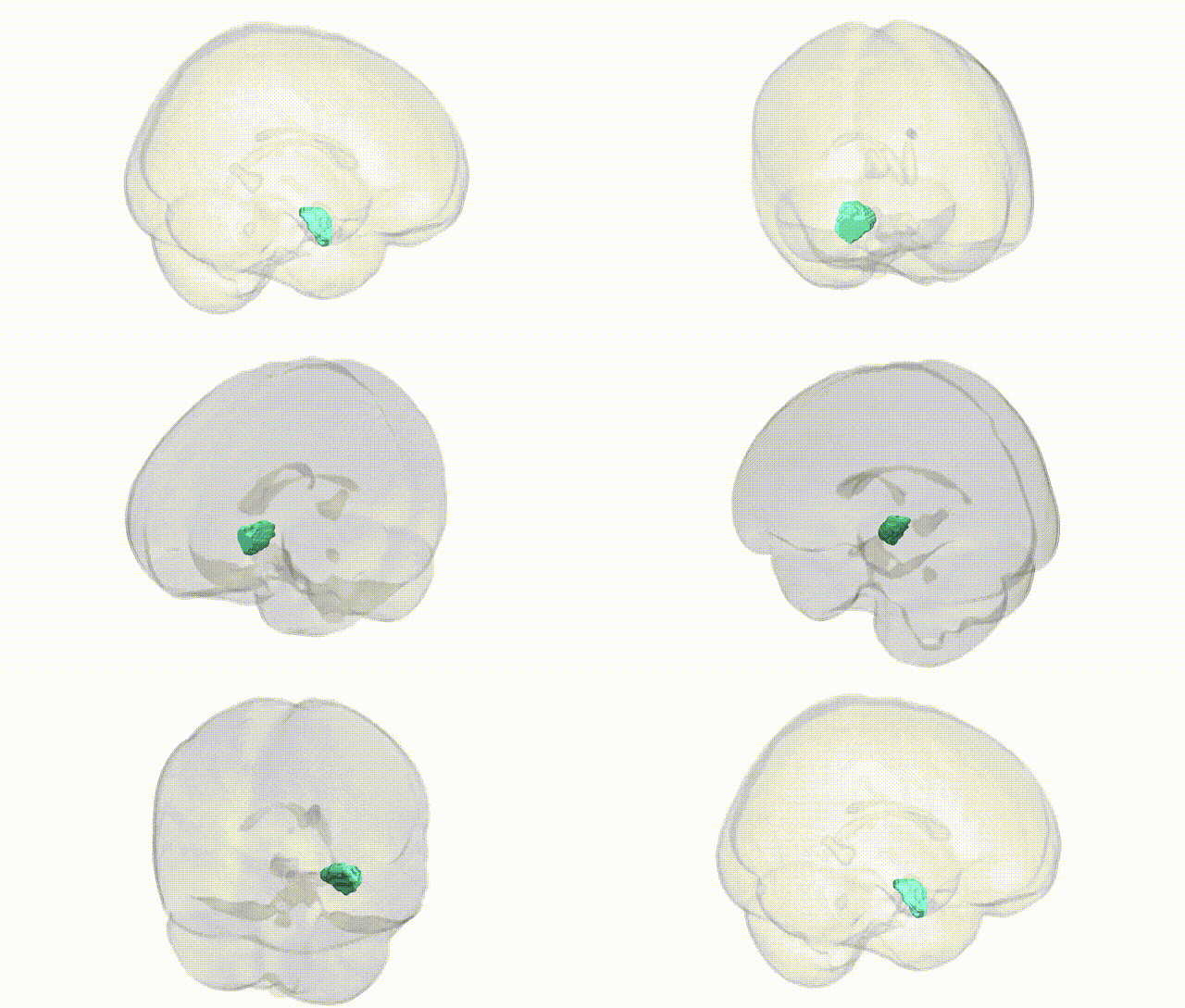
Full Quality Version: Download MP4
Wali Sidiqyar*, Gaurav Rudravaram*, Elyssa M. McMaster, Trent M. Schwartz, Adam M. Saunders, Kurt G. Schilling, Bennett A. Landman "Introducing SPINS: A Shared Public Visualization Library of Neuroanatomical Structures." Medical Imaging with Deep Learning- short paper
This resource is licensed under CC0 1.0 Universal (Public Domain).