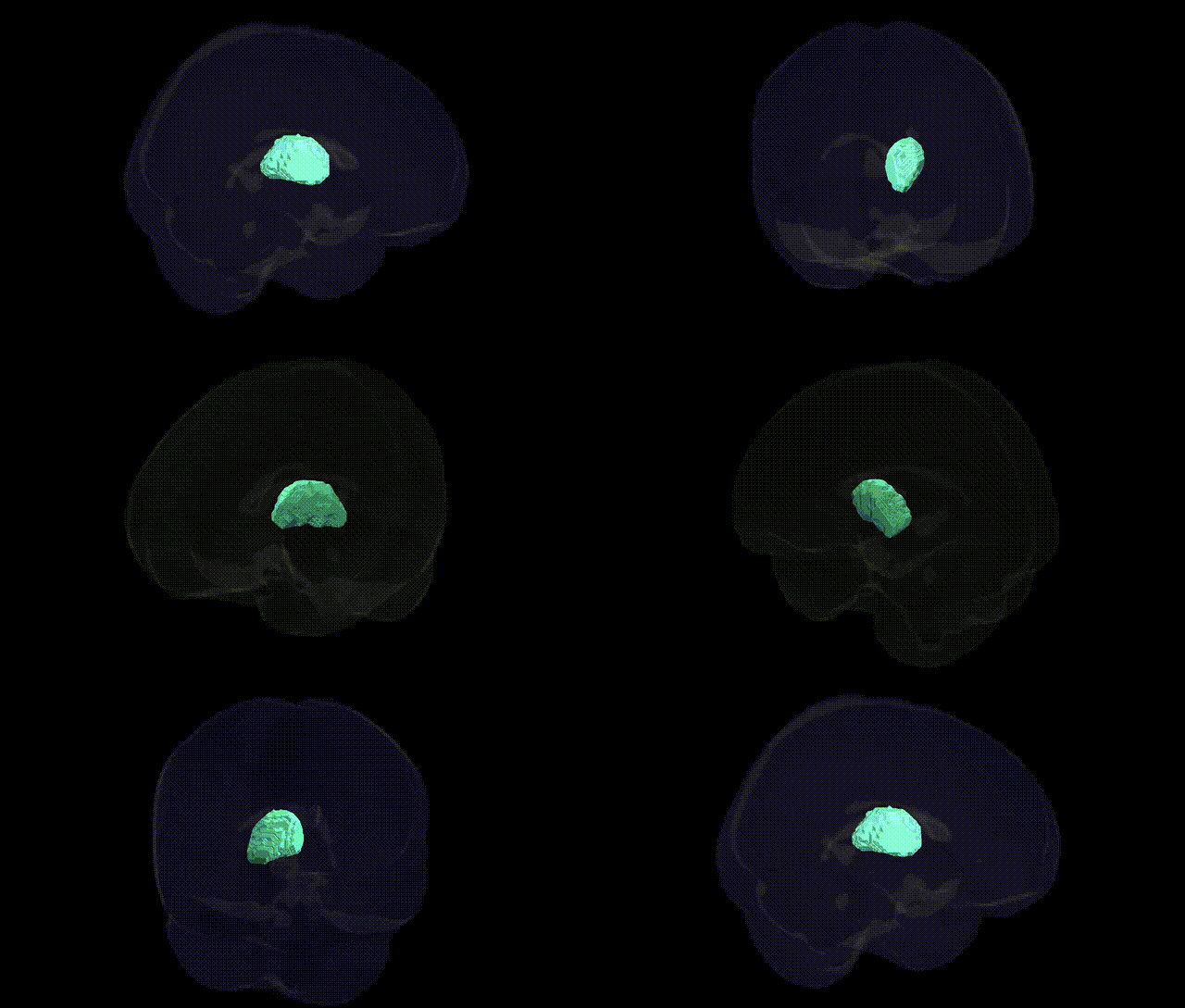
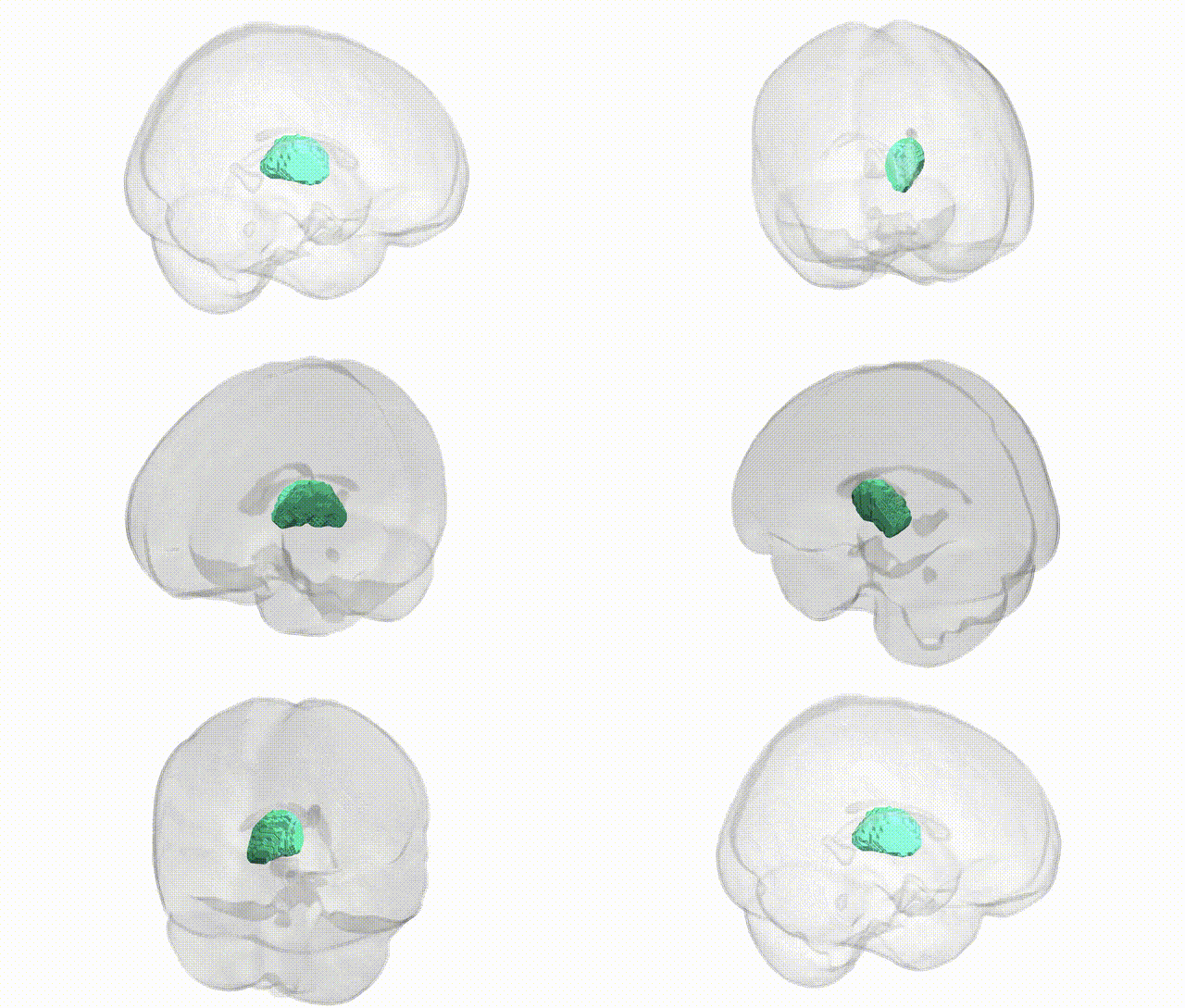
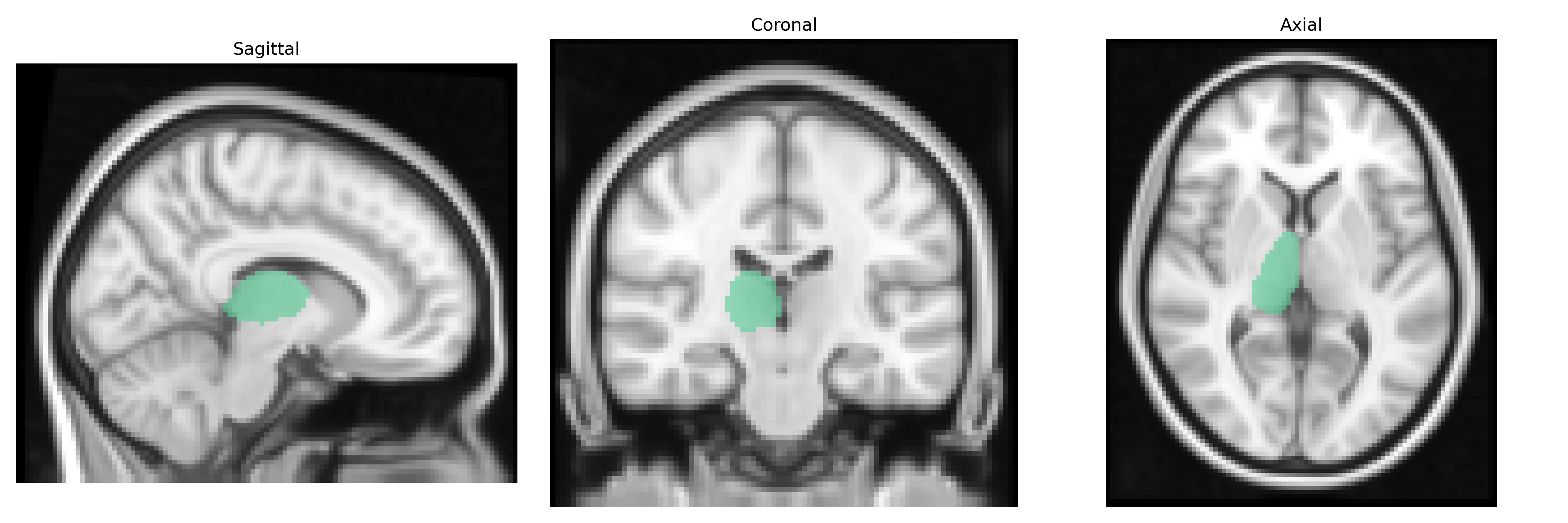
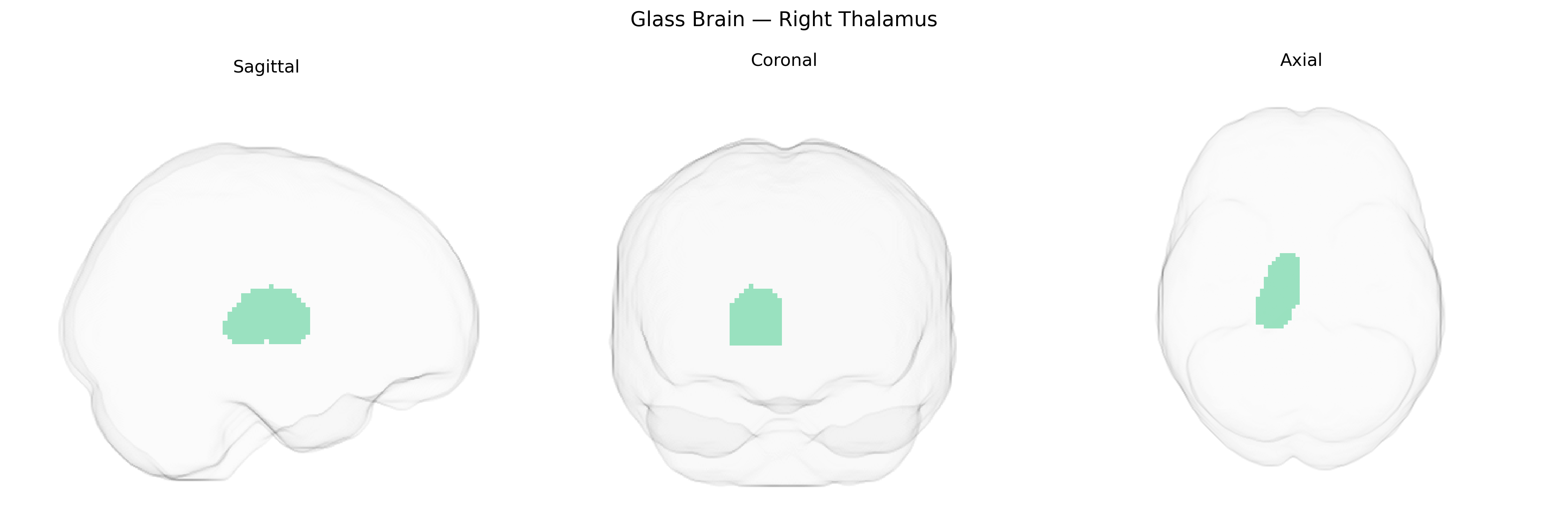
The bilateral Right Thalamus, as defined in the Harvard-Oxford subcortical atlas (maxprob thr25, 2 mm), is a paired deep gray matter structure located centrally within the diencephalon, forming part of the major relay hub between subcortical regions and the cerebral cortex. Composed of multiple nuclei, the thalamus participates in the processing and transmission of sensory information (excluding olfaction), modulation of motor signals via connections with the basal ganglia and cerebellum, and regulation of arousal, attention, and aspects of cognition through extensive reciprocal corticothalamic loops. Functionally, this region contributes to somatosensory integration, visual and auditory pathways, and higher-order association processes, with the right-sided thalamus often implicated in spatial, attentional, and integrative functions in concert with right hemispheric cortical networks.
Thalamus
Genetic associations involving the bilateral right thalamus, as defined in the Harvard-Oxford subcortical atlas, largely reflect its role in cortico-subcortical circuitry implicated in neuropsychiatric and cognitive traits rather than gene effects restricted to that specific nucleus. Large-scale brain MRI GWAS (e.g., ENIGMA, UK Biobank) have identified multiple loci influencing thalamic volume and microstructure, including variants near genes such as MAPT, APOE, GMNC, DRAM1, and others involved in neurodevelopment, synaptic function, and neurodegeneration. Thalamic volume and connectivity show genetic correlations with schizophrenia, bipolar disorder, major depressive disorder, ADHD, and autism spectrum disorder, consistent with case–control imaging studies reporting thalamic abnormalities in these conditions. Polygenic risk scores for schizophrenia and depression have been linked to altered thalamic structure and thalamo-cortical connectivity, and risk loci for Alzheimer’s disease and other neurodegenerative disorders correlate with thalamic atrophy patterns. In addition, GWAS of cognitive performance, general intelligence, and educational attainment implicate genetic variants that influence thalamic morphology and functional coupling with frontoparietal networks, while studies of sleep, pain sensitivity, and sensorimotor traits also point to shared genetic architecture affecting thalamic circuits. Although findings typically treat the thalamus as a whole or focus on bilateral measures, they collectively support a heritable contribution to right thalamic structure and function that is intertwined with the genetic bases of multiple psychiatric, cognitive, and neurological phenotypes.
Overview generated by GPT-4o (2026).
Region ID: 15
Hemisphere: bilateral
Atlas: HarvardOxford sub maxprob thr25 2mm
Full Quality Version: Download MP4
Full Quality Version: Download MP4
Wali Sidiqyar*, Gaurav Rudravaram*, Elyssa M. McMaster, Trent M. Schwartz, Adam M. Saunders, Kurt G. Schilling, Bennett A. Landman "Introducing SPINS: A Shared Public Visualization Library of Neuroanatomical Structures." Medical Imaging with Deep Learning- short paper
This resource is licensed under CC0 1.0 Universal (Public Domain).