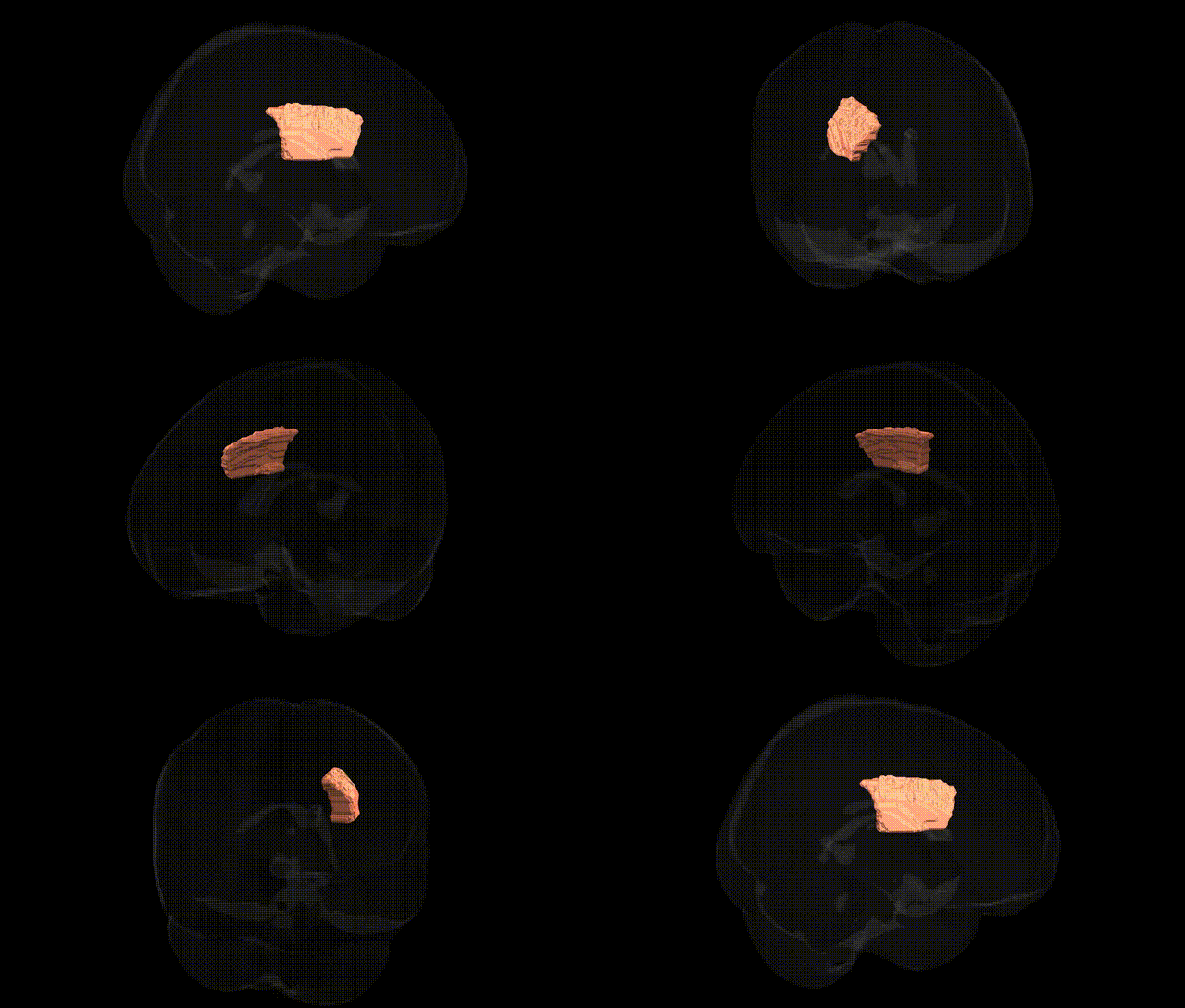
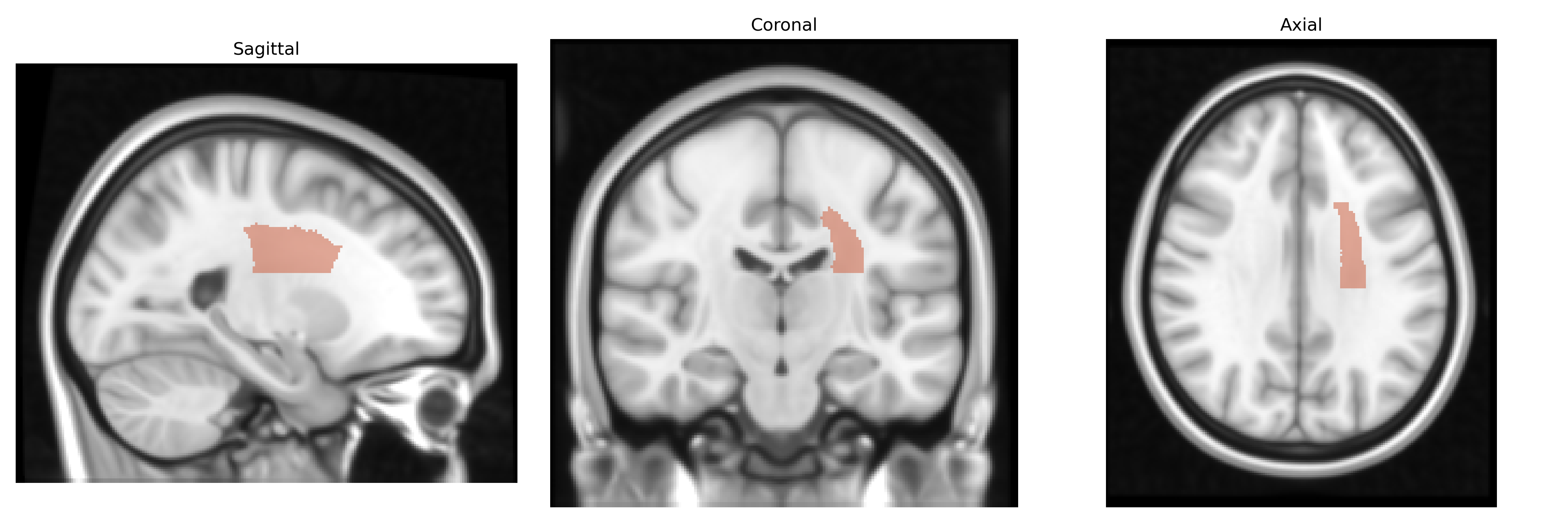
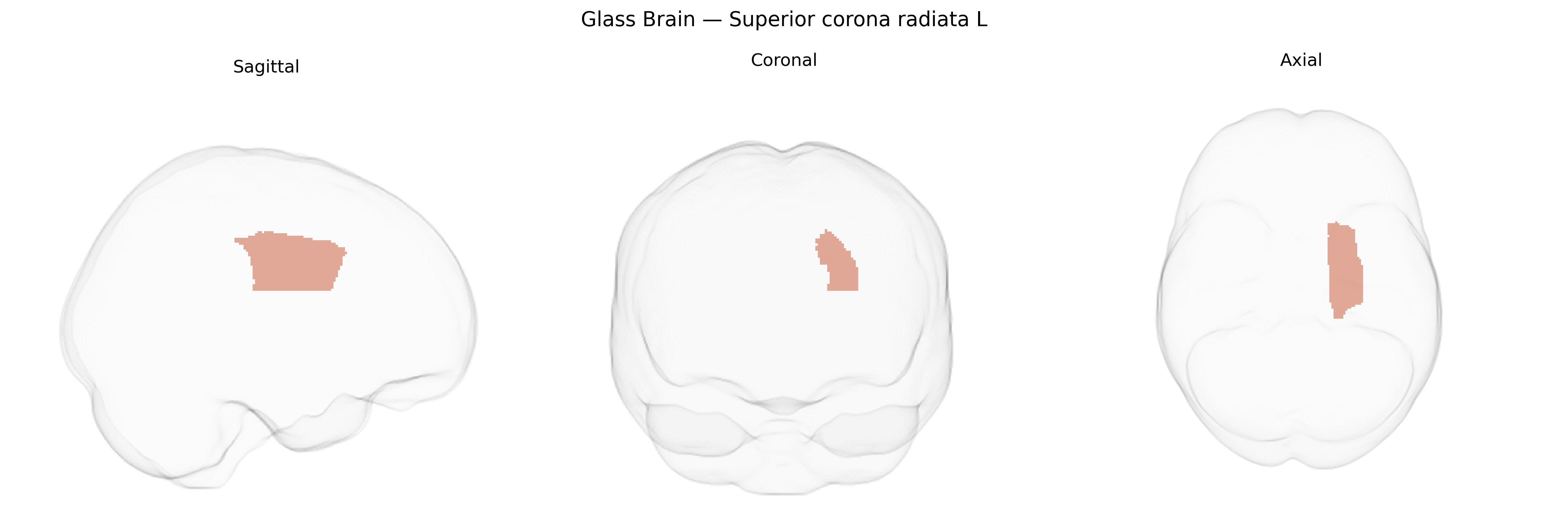
The bilateral superior corona radiata (L) is a major white matter tract composed of vertically oriented projection fibers that radiate between the cerebral cortex and deeper brain structures, including the internal capsule and subcortical nuclei. It carries ascending sensory and descending motor information, forming part of the corticospinal, corticobulbar, and thalamocortical pathways, and plays an essential role in motor control, sensory integration, and higher cognitive processing by linking frontal and parietal cortical regions with the thalamus and brainstem. In the JHU ICBM 1 mm atlas, this region is defined probabilistically based on diffusion-weighted imaging and tractography, providing a standardized reference for structural and connectivity analyses in neuroimaging studies. There is no direct Wikipedia article for the superior corona radiata; see the related structure Corona radiata (white matter).
The bilateral superior corona radiata, as defined in the JHU ICBM 1 mm atlas, has been implicated in multiple genome-wide association studies through imaging genetics of white matter microstructure, where variants in genes involved in axon guidance, myelination, and neuronal development (such as NTRK1/2, CNTNAP2, MAG, and several oligodendrocyte-related loci) show associations with fractional anisotropy and other diffusion MRI measures in this tract, often as part of broader “global” or “deep/superior white matter” factors. Polygenic risk for schizophrenia, bipolar disorder, and major depression has been linked to altered integrity of the superior corona radiata, and specific loci implicated in psychiatric GWAS (including CACNA1C, ZNF804A, and others in synaptic and calcium signaling pathways) have been associated with microstructural variation in this region in candidate and follow-up imaging-genetic studies. In neurodevelopmental conditions such as autism spectrum disorder and ADHD, common variants contributing to cortical-subcortical connectivity and white matter maturation have been related to superior corona radiata diffusion properties, although findings are often part of multitract patterns rather than region-specific signals. Neurological traits such as stroke susceptibility, leukoaraiosis, and age-related white matter hyperintensities, which frequently involve the superior corona radiata, have been associated with loci in genes related to vascular integrity and blood–brain barrier function (for example, variants near COL4A1/2 and other small-vessel disease loci), and large GWAS of white matter hyperintensities and brain aging indicate that many of the same polygenic architectures influencing global white matter health also affect the superior corona radiata. Overall, evidence supports a highly polygenic basis for interindividual variability in this region’s structure, with overlapping genetic architectures for psychiatric risk, neurodevelopmental traits, and cerebrovascular white matter disease, but relatively few loci uniquely or exclusively assigned to the superior corona radiata in current GWAS catalogs.
Overview generated by GPT-4o (2026).
Region ID: 26
Hemisphere: bilateral
Atlas: JHU ICBM labels 1mm
Full Quality Version: Download MP4
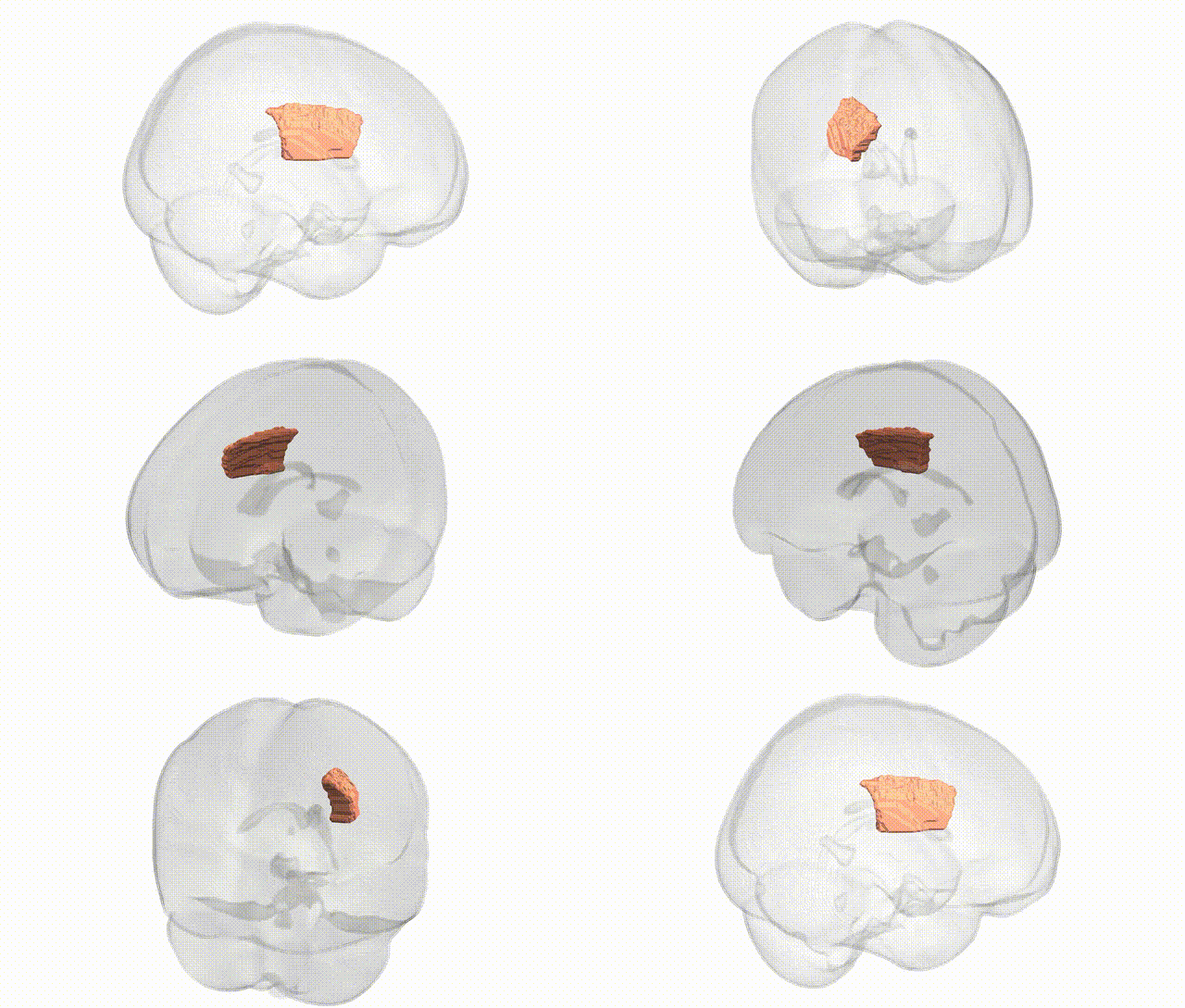
Full Quality Version: Download MP4
Wali Sidiqyar*, Gaurav Rudravaram*, Elyssa M. McMaster, Trent M. Schwartz, Adam M. Saunders, Kurt G. Schilling, Bennett A. Landman "Introducing SPINS: A Shared Public Visualization Library of Neuroanatomical Structures." Medical Imaging with Deep Learning- short paper
This resource is licensed under CC0 1.0 Universal (Public Domain).