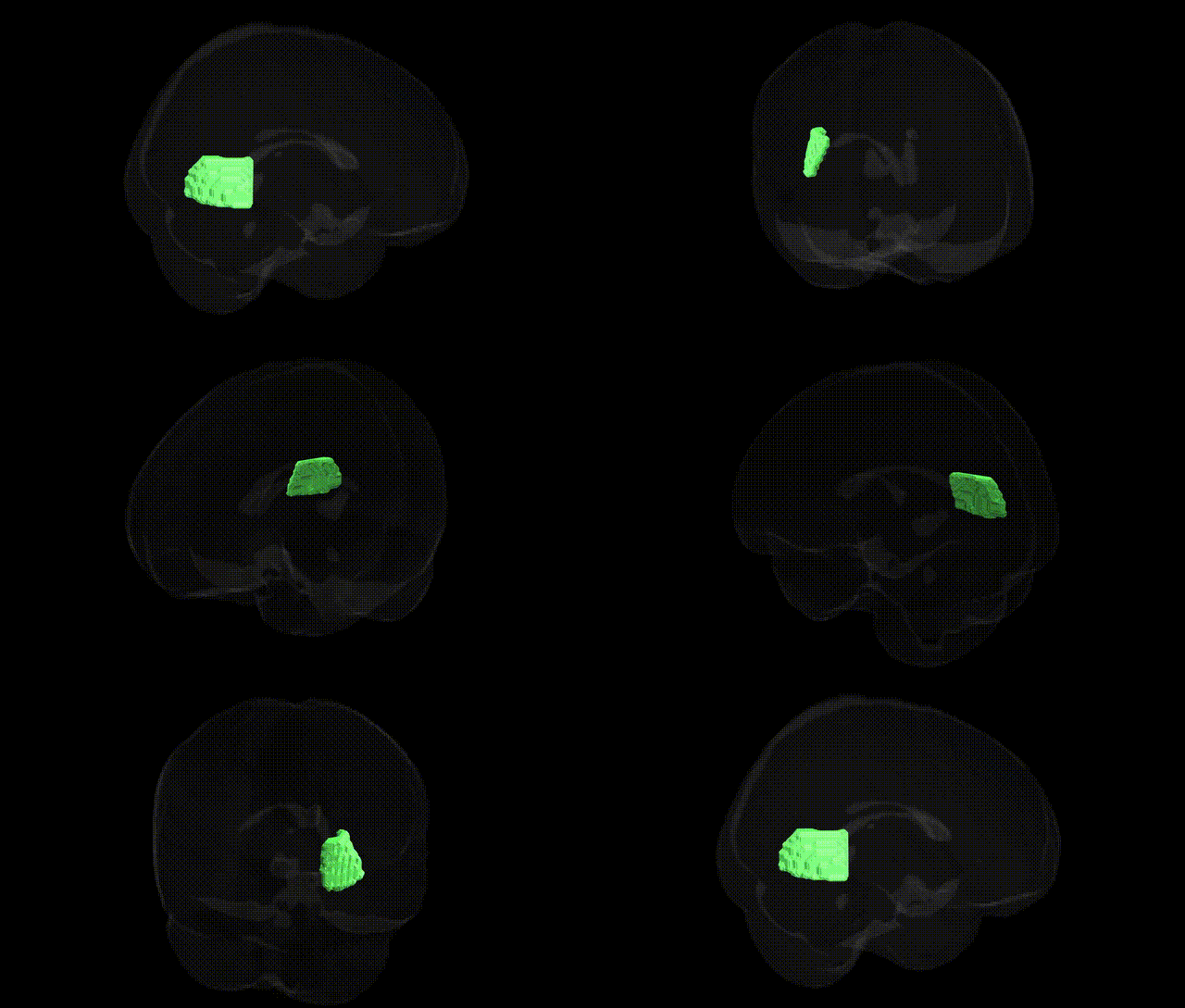
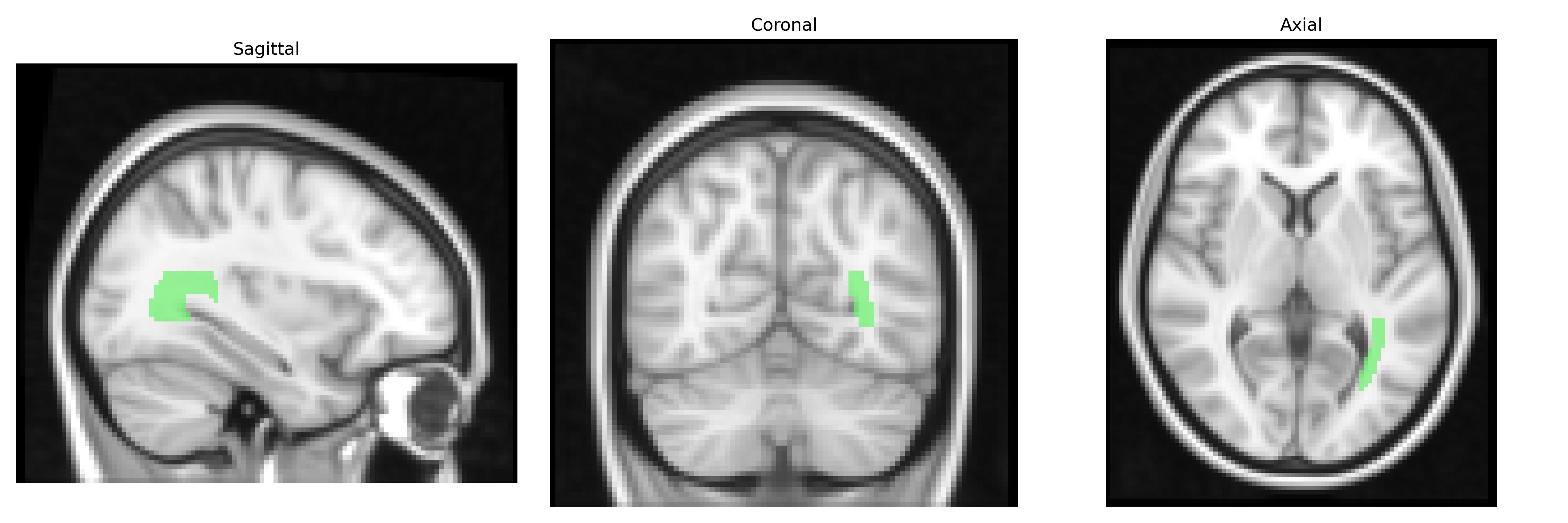
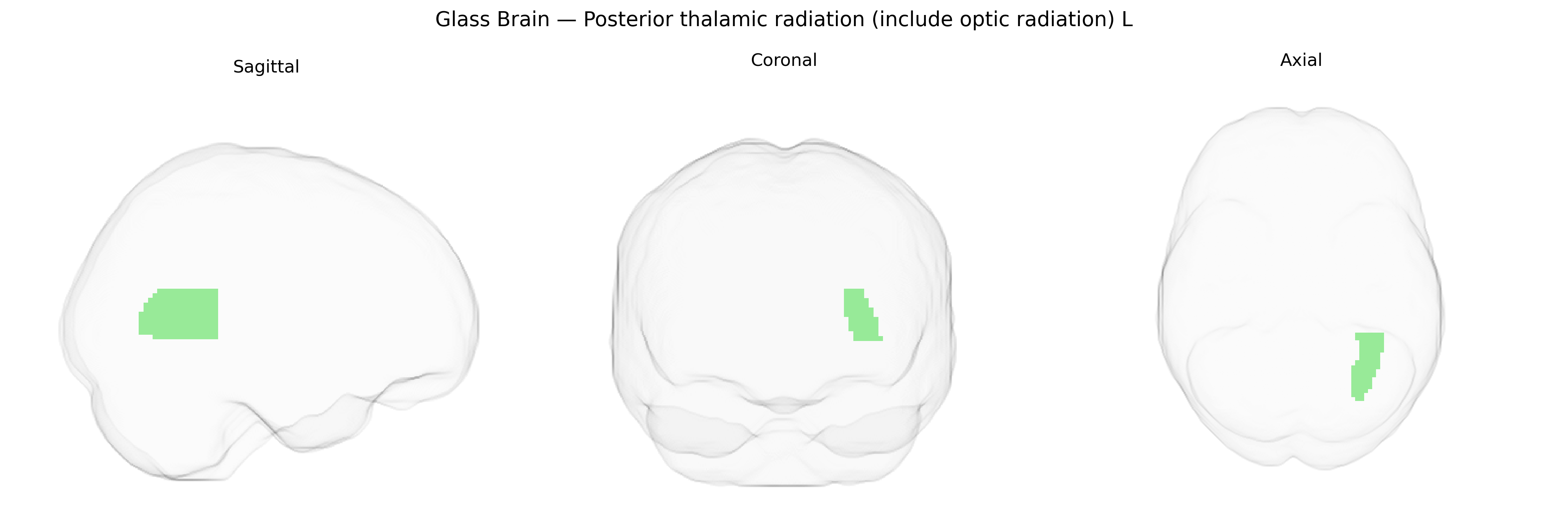
The bilateral Posterior thalamic radiation (including optic radiation), left side, as defined in the JHU ICBM 2mm Atlas, comprises a major bundle of thalamocortical projection fibers that connect the posterior thalamic nuclei—most prominently the lateral geniculate nucleus—with occipital and posterior parietal cortices. Functionally, this pathway is crucial for visual processing, as the optic radiation carries retinotopically organized visual information from the lateral geniculate nucleus to the primary visual cortex (V1) and surrounding visual association areas, supporting fundamental aspects of visual perception such as form, color, and motion. The posterior thalamic radiation also includes non-visual fibers that contribute to multimodal sensory integration and higher-order visuospatial functions by linking thalamic relay and association nuclei with cortical regions involved in attention and visuomotor coordination. There is no direct Wikipedia article specifically for the “Posterior thalamic radiation”; a closely related structure is the optic radiation: Optic radiation.
The bilateral posterior thalamic radiation (including the optic radiation) as defined in the JHU ICBM 2 mm atlas has been implicated in multiple genetic and genome-wide association studies through its roles in visual, thalamocortical, and white-matter connectivity. Diffusion MRI and imaging–genetics work from ENIGMA and UK Biobank have shown that microstructural variation in this tract (e.g., fractional anisotropy and mean diffusivity) is heritable and associated with common variants in genes involved in axon guidance, myelination, and oligodendrocyte function, including loci near MAG, NRG1/NRG3, CNTN4, and other cell-adhesion and myelin-related genes, although specific signals often vary between cohorts and do not always reach genome-wide significance when restricted to this tract alone. GWAS of white-matter integrity and visual pathway traits have identified associations between posterior thalamic/optic radiation measures and polygenic risk for schizophrenia, bipolar disorder, and major depressive disorder, consistent with repeated case–control findings of reduced integrity in these disorders. Additional genetic links involve neurodevelopmental conditions (autism spectrum disorder, ADHD), where polygenic risk scores correlate with altered diffusion metrics in posterior thalamic radiations, and neurodegenerative or demyelinating diseases such as multiple sclerosis and Alzheimer’s disease, in which risk variants in HLA, immune-regulatory genes, and APOE have been associated with more pronounced damage in posterior thalamic/optic radiations on imaging. Visual and cognitive traits, including visual acuity, processing speed, and general cognitive performance, also show genetic correlations with this tract’s integrity, reinforcing the posterior thalamic radiation as a genetically influenced hub connecting thalamic nuclei to occipital and parietal cortices.
Overview generated by GPT-4o (2026).
Region ID: 30
Hemisphere: bilateral
Atlas: JHU ICBM labels 2mm
Full Quality Version: Download MP4
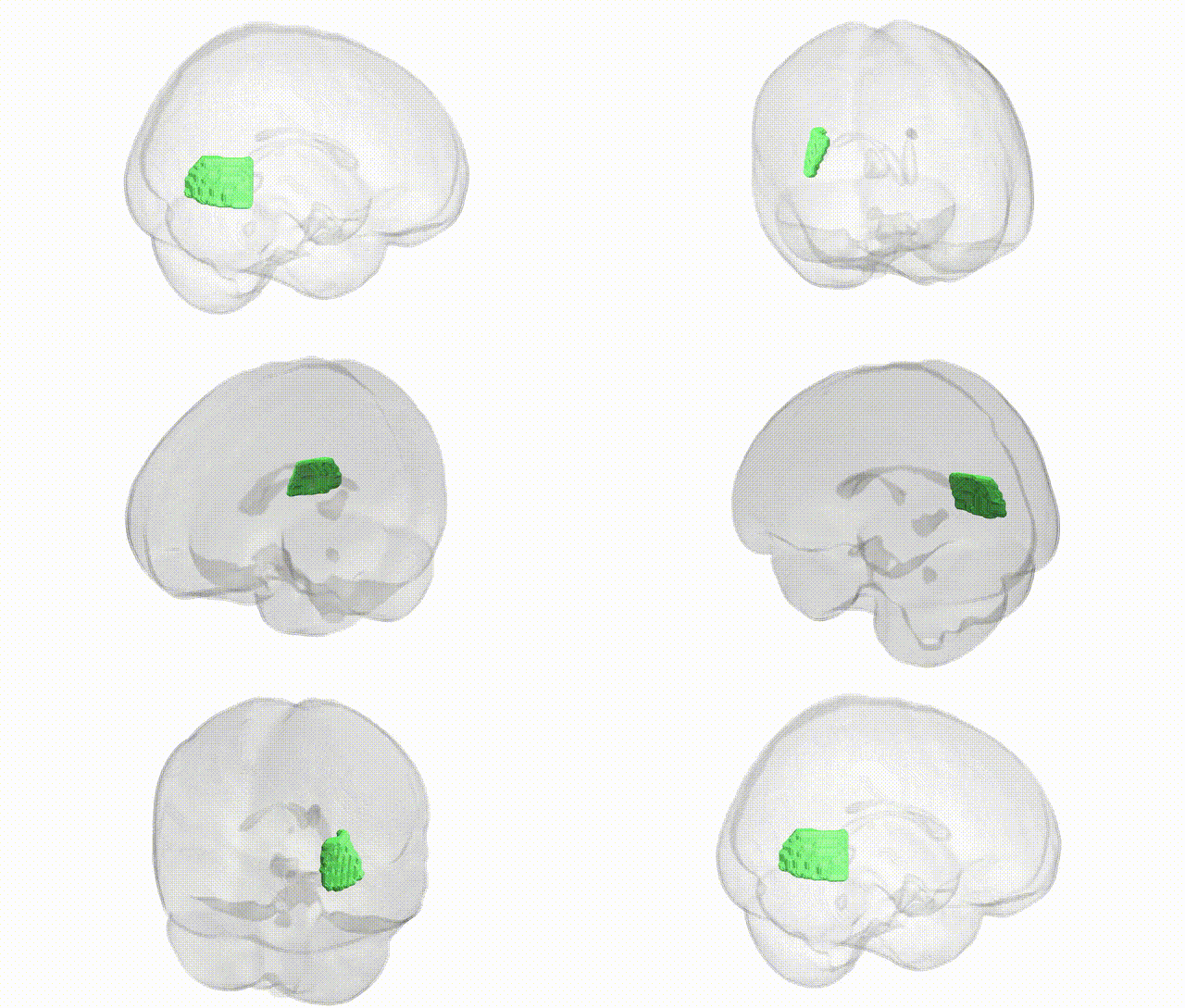
Full Quality Version: Download MP4
Wali Sidiqyar*, Gaurav Rudravaram*, Elyssa M. McMaster, Trent M. Schwartz, Adam M. Saunders, Kurt G. Schilling, Bennett A. Landman "Introducing SPINS: A Shared Public Visualization Library of Neuroanatomical Structures." Medical Imaging with Deep Learning- short paper
This resource is licensed under CC0 1.0 Universal (Public Domain).