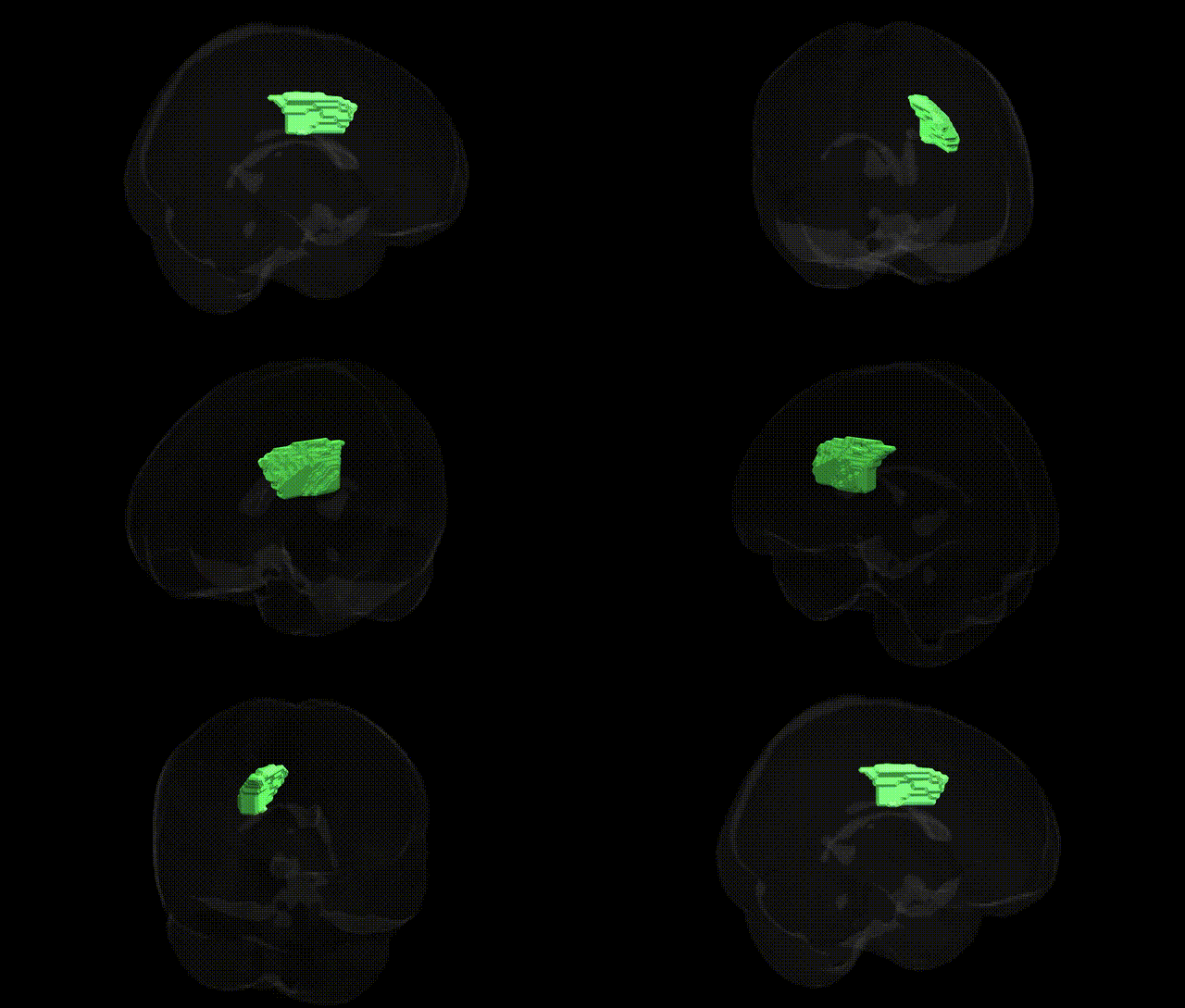
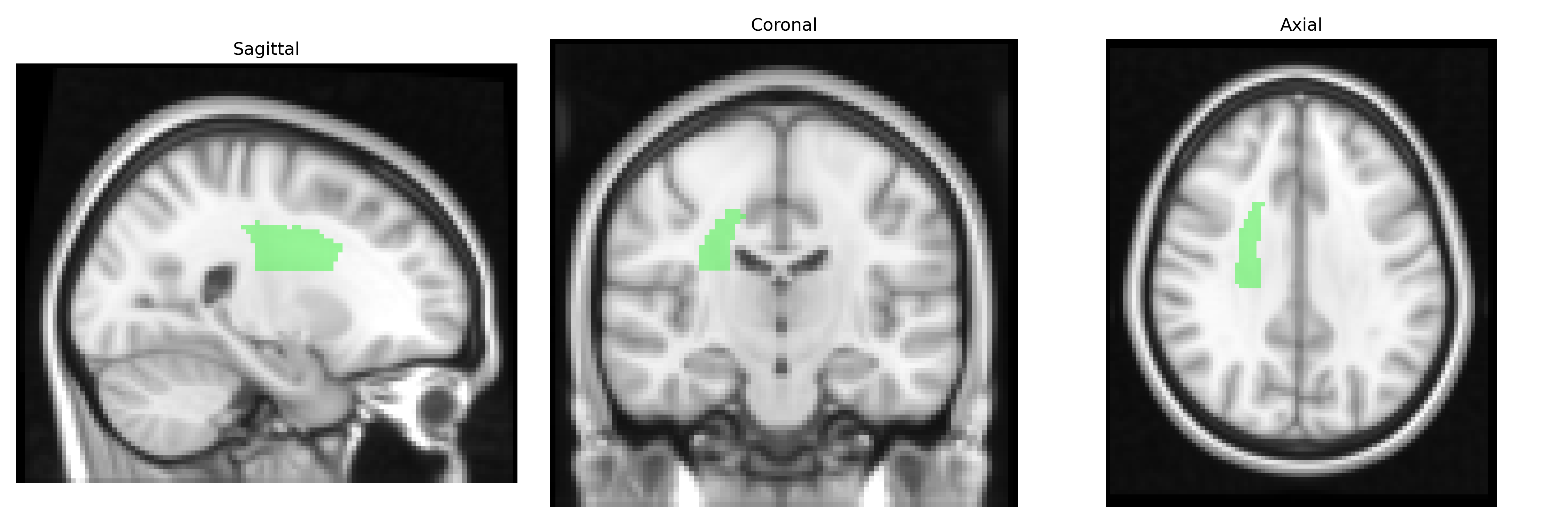
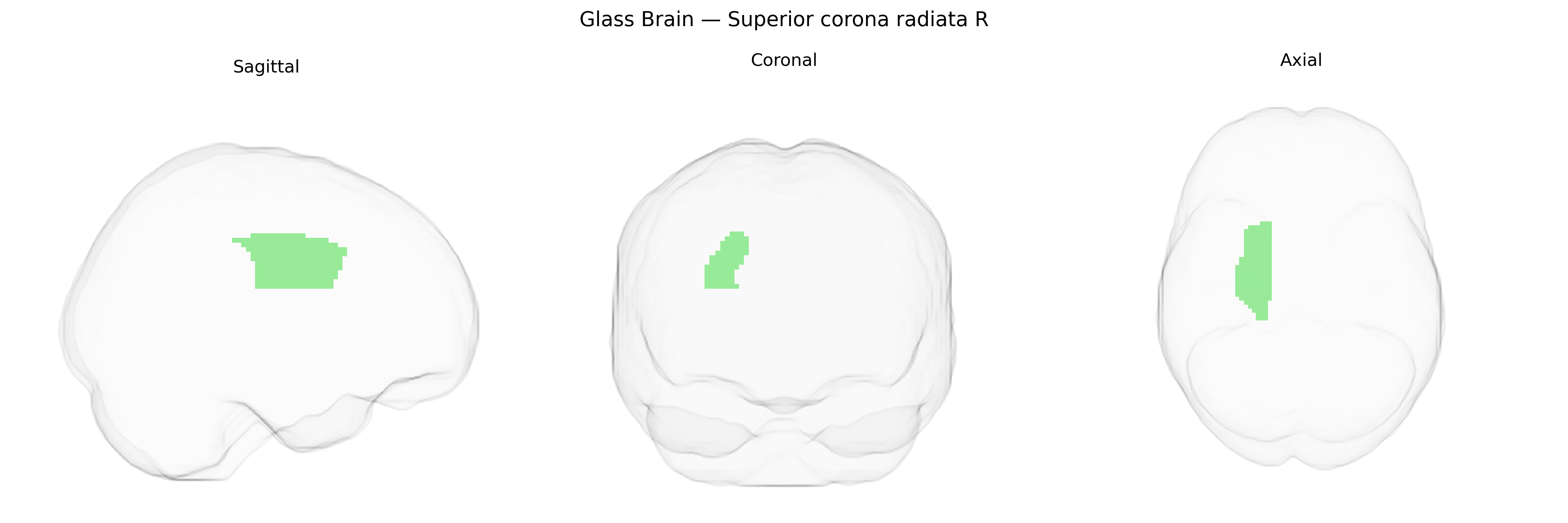
The bilateral Superior corona radiata is a major white matter tract system within the cerebral hemispheres, consisting primarily of ascending and descending projection fibers that extend between the cerebral cortex and deeper subcortical structures, including the internal capsule and thalamus. Anatomically, the superior portion lies above the internal capsule, fanning out toward the cortical mantle, and is composed largely of corticospinal, corticobulbar, and thalamocortical fibers that support sensorimotor integration, motor control, and higher-order cognitive processes by relaying information between cortical and subcortical regions. As part of the broader corona radiata, it plays a crucial role in the structural connectivity of the brain and is commonly analyzed in diffusion MRI studies of white matter integrity, especially in clinical contexts involving stroke, traumatic brain injury, or demyelinating disease. There is no direct Wikipedia article for the “Superior corona radiata,” but it is part of the larger Corona radiata white matter structure.
The bilateral superior corona radiata, as defined in the JHU ICBM labels 2mm atlas, is a major supratentorial white matter tract whose microstructural variation (typically assessed by diffusion MRI metrics such as fractional anisotropy and mean diffusivity) has been repeatedly linked to genetic factors in large neuroimaging GWAS. Twin and family studies indicate substantial heritability of corona radiata integrity, and SNP-based studies from consortia such as ENIGMA have identified associations between variants in genes involved in axon guidance, myelination, and neurodevelopment (e.g., NTRK1/3, CNTN4, MAG, and other oligodendrocyte-related loci) and white matter measures that include the superior corona radiata. Polygenic scores for schizophrenia, bipolar disorder, major depressive disorder, and attention-deficit/hyperactivity disorder have been associated with altered microstructure in this region, suggesting that common psychiatric risk alleles partly exert their effects through white matter pathways connecting frontal and parietal cortices. Additionally, GWAS of cognitive traits (general intelligence, processing speed, educational attainment) and motor function have reported correlations between their polygenic burden and integrity of frontoparietal and corticospinal fibers within the superior corona radiata, implicating this tract as a structural mediator of genetic influences on higher-order cognition and movement. Studies of neurodevelopmental and neurodegenerative disorders (including autism spectrum disorder, multiple sclerosis, and Alzheimer’s disease) also show that genetic risk variants for these conditions often coincide with patterns of vulnerability in the corona radiata, consistent with its sensitivity to genes governing white matter maintenance, neuroinflammation, and synaptic plasticity, although specific locus-level associations unique to the bilateral superior corona radiata remain less precisely resolved than those for broader white matter or global diffusion measures.
Overview generated by GPT-4o (2026).
Region ID: 25
Hemisphere: bilateral
Atlas: JHU ICBM labels 2mm
Full Quality Version: Download MP4
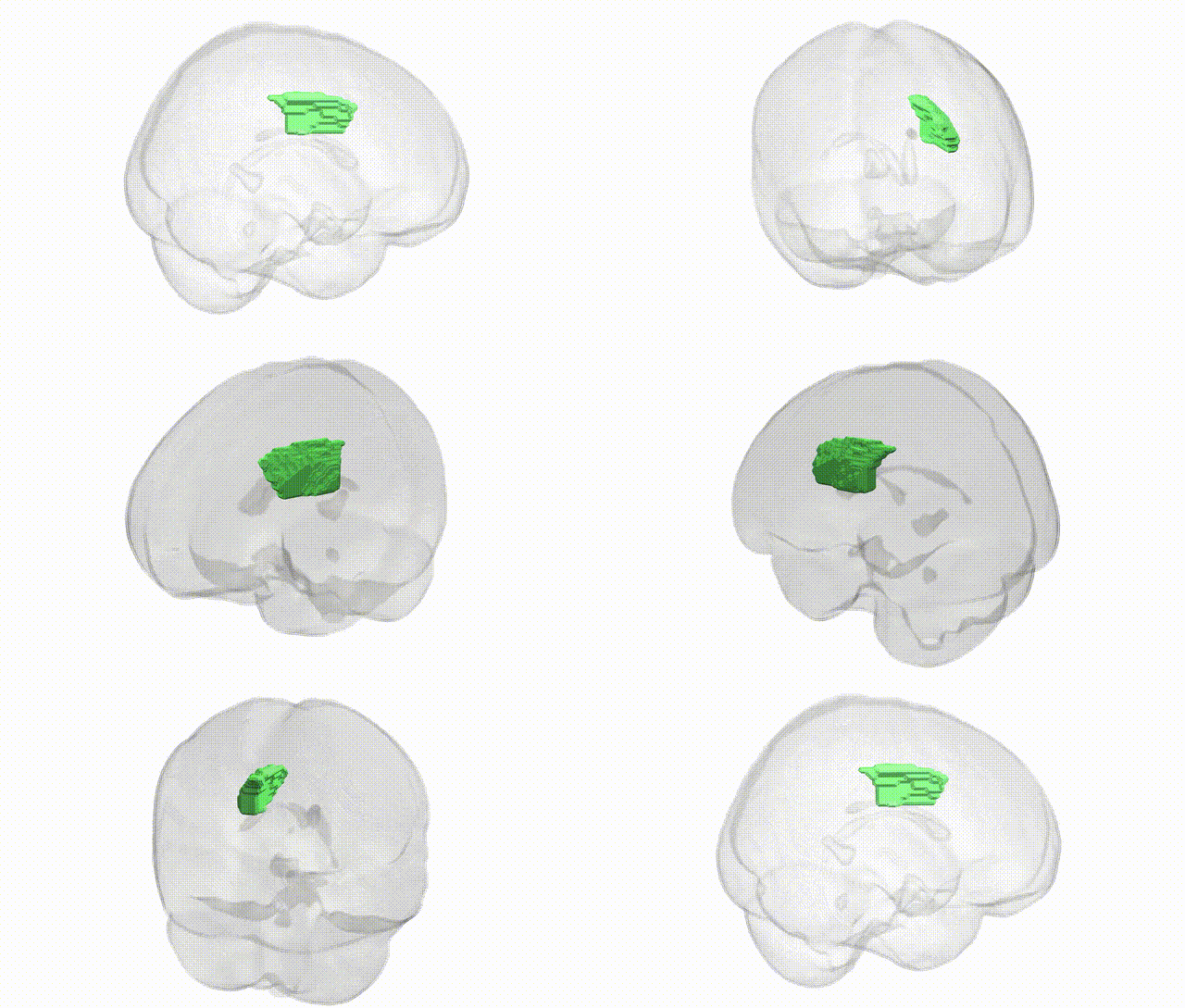
Full Quality Version: Download MP4
Wali Sidiqyar*, Gaurav Rudravaram*, Elyssa M. McMaster, Trent M. Schwartz, Adam M. Saunders, Kurt G. Schilling, Bennett A. Landman "Introducing SPINS: A Shared Public Visualization Library of Neuroanatomical Structures." Medical Imaging with Deep Learning- short paper
This resource is licensed under CC0 1.0 Universal (Public Domain).