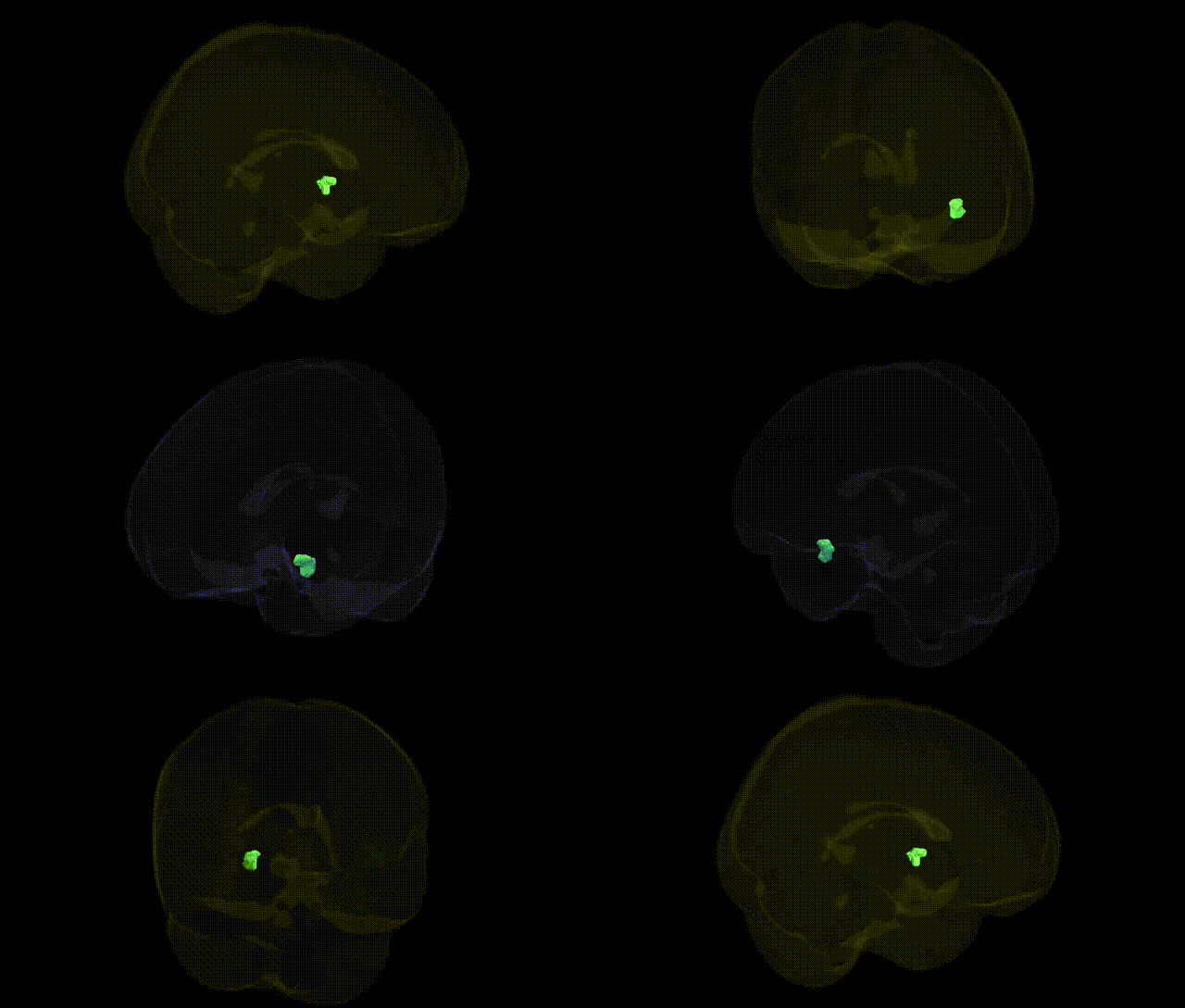
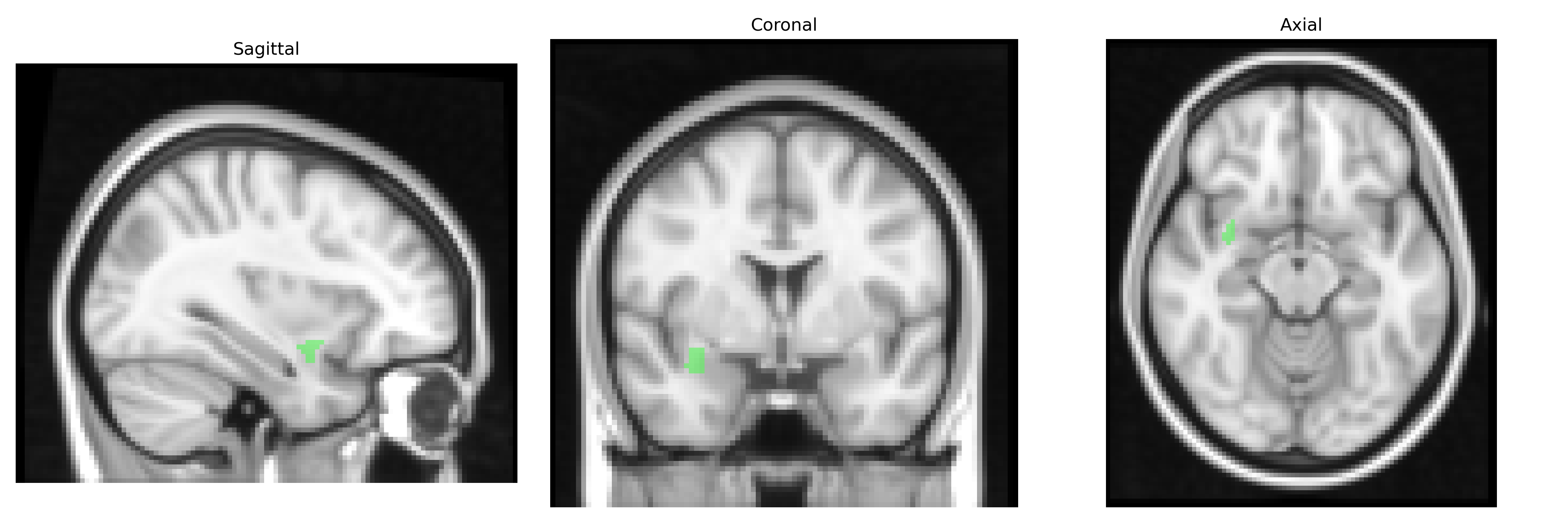
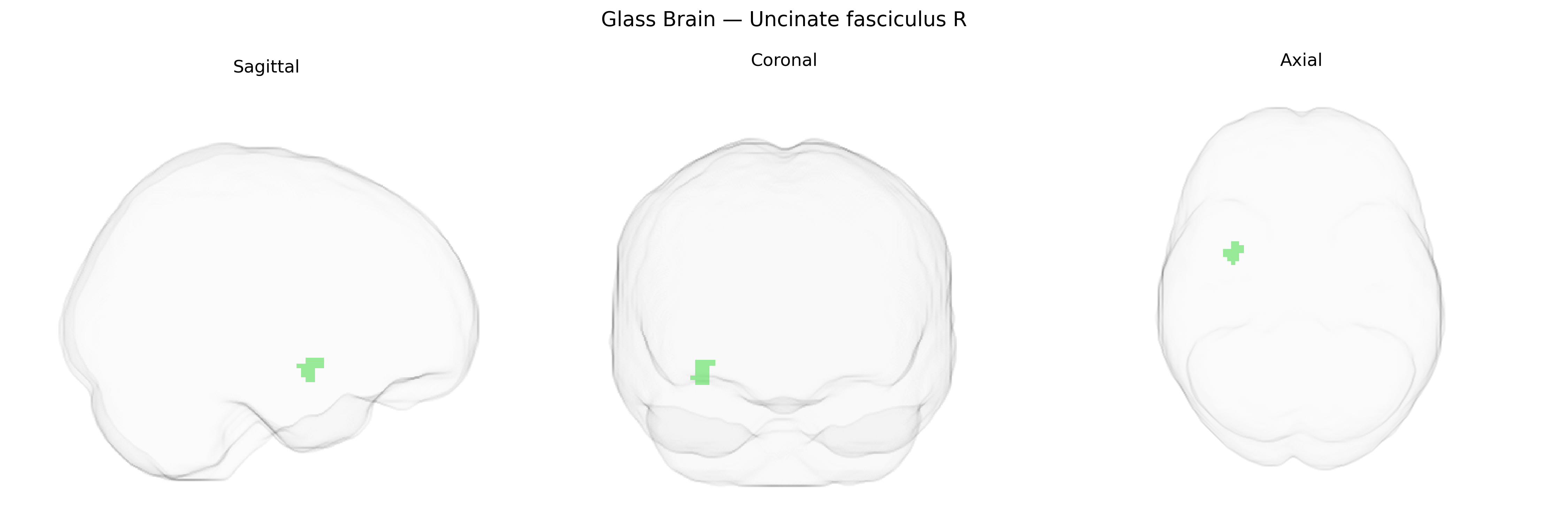
The bilateral Uncinate fasciculus is a hook-shaped white matter association tract that connects anterior temporal lobe structures, including parts of the amygdala and temporal pole, with the orbitofrontal and ventromedial prefrontal cortex, running anteriorly and medially along the temporal stem and beneath the insula. It plays a key role in integrating emotional, mnemonic, and semantic information, supporting processes such as emotional regulation, social cognition, and aspects of episodic and autobiographical memory. The tract is lateralized but present in both hemispheres, and has been implicated in neuropsychiatric and neurodegenerative conditions, including mood disorders, anxiety, and frontotemporal dementia, as well as in variability in personality and decision-making. Uncinate fasciculus
The bilateral uncinate fasciculus, as labeled in the JHU ICBM 2 mm atlas, is a frontotemporal white matter tract implicated in multiple genetic and neuropsychiatric associations, though GWAS often analyze tract integrity (e.g., fractional anisotropy) rather than atlas-defined regions per se. Imaging-genetics studies using diffusion MRI have linked variation in uncinate fasciculus microstructure to common polymorphisms in genes related to neural plasticity and synaptic function, including BDNF (e.g., Val66Met), NTRK3, and COMT, as well as to risk variants in genes associated with neurodevelopmental and psychiatric conditions. GWAS of white matter integrity have identified loci that influence frontotemporal tracts encompassing the uncinate fasciculus, pointing to genes involved in axon guidance, myelination, and oligodendrocyte biology. Altered uncinate fasciculus structure has been repeatedly associated with genetic risk and polygenic liability for disorders such as schizophrenia, bipolar disorder, major depressive disorder, anxiety, and autism spectrum disorder, and with traits including impulsivity, emotional regulation, and callous–unemotional characteristics, suggesting that genetic influences on this tract contribute to vulnerability for mood, psychotic, and personality-related phenotypes.
Overview generated by GPT-4o (2026).
Region ID: 45
Hemisphere: bilateral
Atlas: JHU ICBM labels 2mm
Full Quality Version: Download MP4
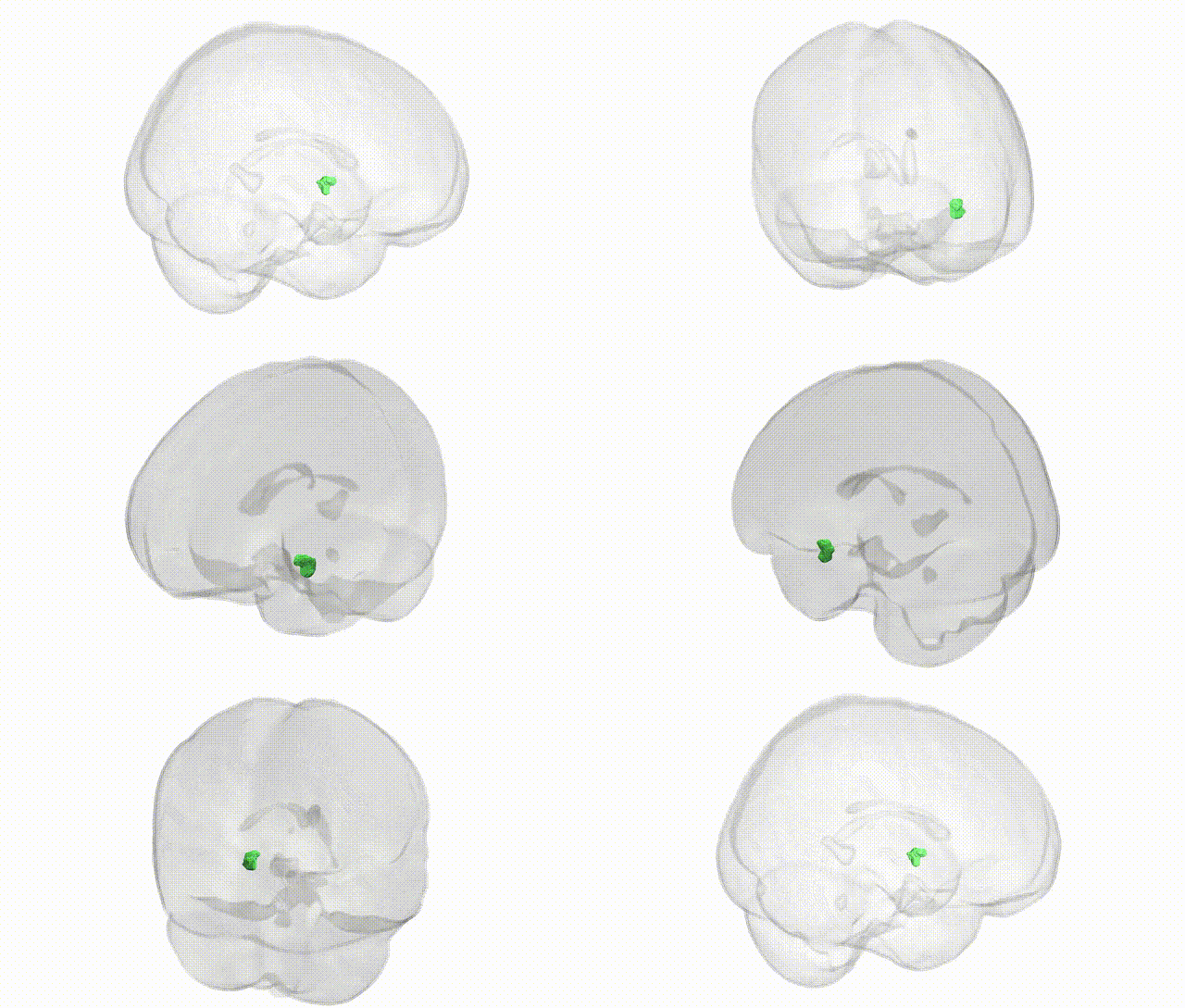
Full Quality Version: Download MP4
Wali Sidiqyar*, Gaurav Rudravaram*, Elyssa M. McMaster, Trent M. Schwartz, Adam M. Saunders, Kurt G. Schilling, Bennett A. Landman "Introducing SPINS: A Shared Public Visualization Library of Neuroanatomical Structures." Medical Imaging with Deep Learning- short paper
This resource is licensed under CC0 1.0 Universal (Public Domain).