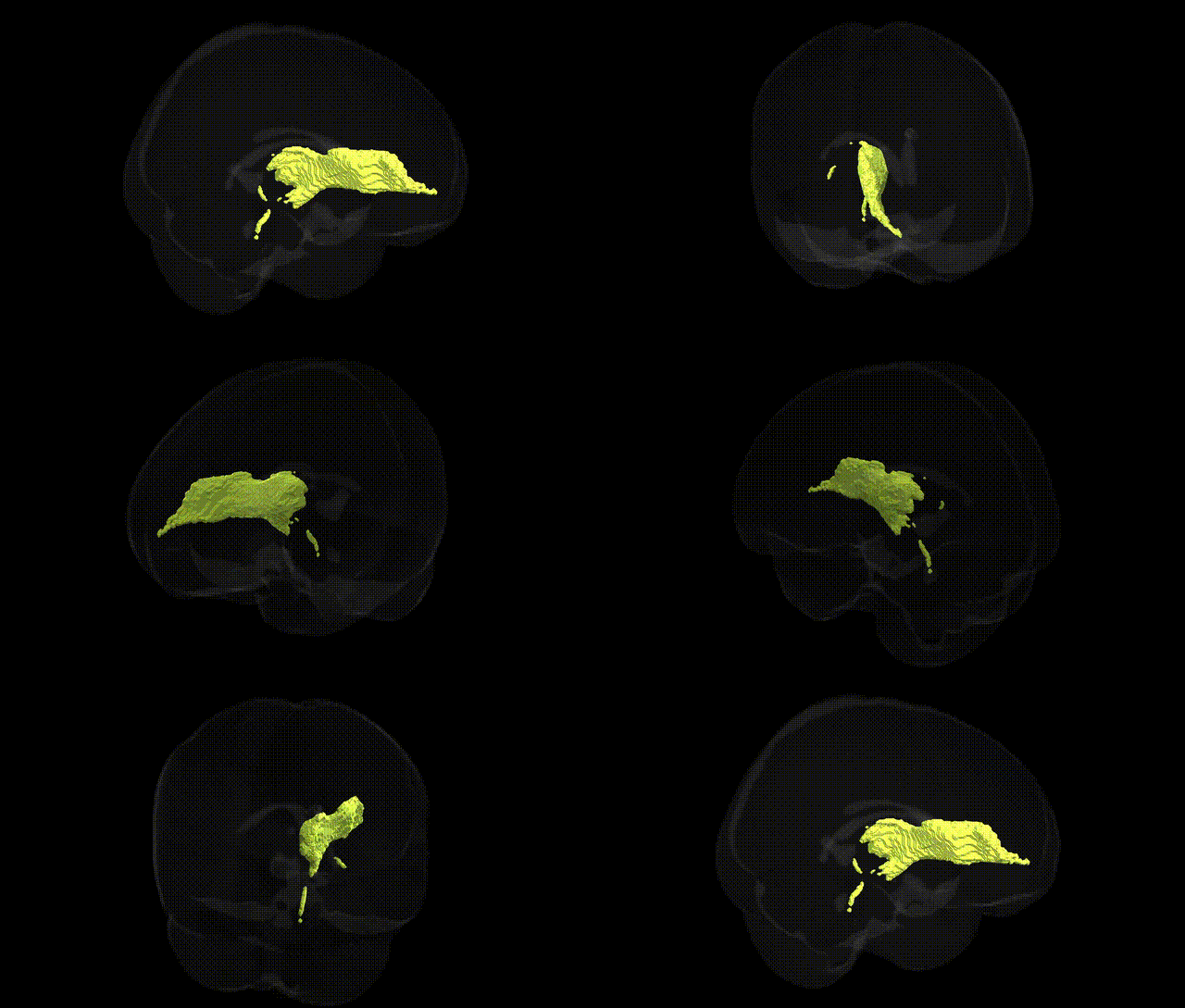
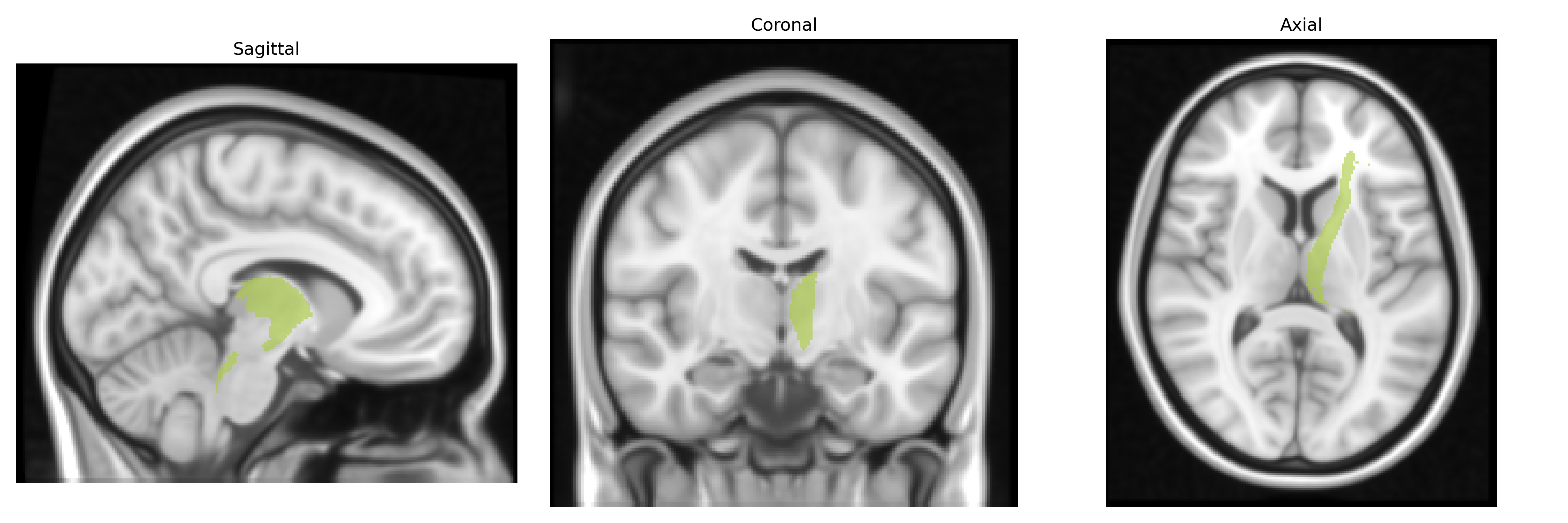
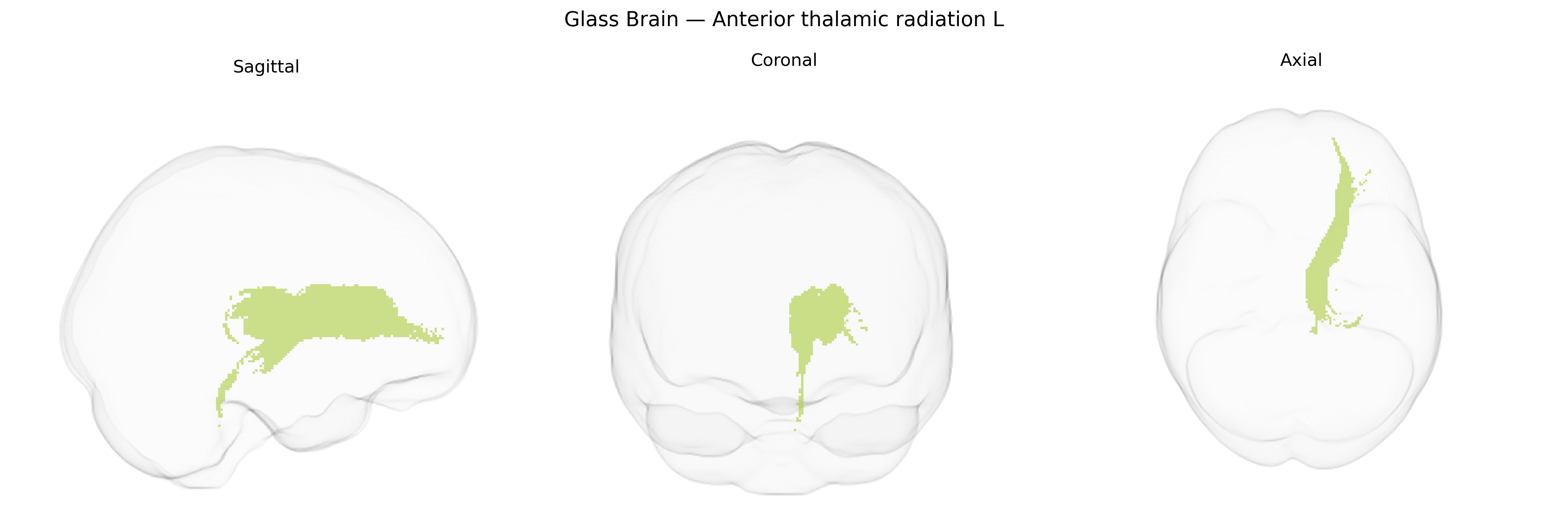
The bilateral Anterior thalamic radiation (left) is a major white matter tract connecting the anterior and medial nuclei of the thalamus with the prefrontal cortex, particularly the dorsolateral and medial prefrontal regions, as well as portions of the anterior cingulate cortex. It courses anteriorly from the thalamus through the anterior limb of the internal capsule, forming part of the limbic–cortical circuitry involved in executive functions, attention, working memory, and emotional regulation. This tract contributes to integration of thalamic relay activity with higher-order associative and limbic processing, and disruptions in its microstructure have been implicated in neuropsychiatric and neurodegenerative disorders. There is no direct Wikipedia article for the Anterior thalamic radiation; a related structure is the Internal capsule.
The bilateral anterior thalamic radiation (ATR), as defined in the JHU ICBM DTI-81 white-matter atlas (including the left ATR from the maxprob thr25 1 mm parcellation), has shown robust genetic associations in large-scale imaging genetics and GWAS, particularly with polygenic architecture related to neurodevelopmental, psychiatric, and cognitive traits. Twin and family studies demonstrate substantial heritability of ATR microstructure (e.g., fractional anisotropy and mean diffusivity), and SNP-based heritability analyses from ENIGMA and UK Biobank cohorts have identified common variants across the genome that influence ATR integrity, including loci in or near genes involved in axon guidance, myelination, and synaptic function (such as NRG1/NRG3, CNTNAP2, and various oligodendrocyte-related genes) in some reports. GWAS of white-matter tracts have repeatedly implicated ATR metrics in association with polygenic risk scores for schizophrenia, bipolar disorder, major depressive disorder, autism spectrum disorder, and ADHD, as well as with cognitive performance, educational attainment, and general intelligence, consistent with the ATR’s role in thalamo‑frontal circuitry supporting executive function and mood regulation. Additional genetic links have been reported between ATR microstructure and risk variants for neurodegenerative and cerebrovascular conditions (including loci associated with small vessel disease, vascular risk factors, and Alzheimer’s disease–related pathways), and ATR alterations have appeared as intermediate phenotypes in studies of APOE and other dementia-relevant genes. Overall, while no single “ATR gene” has been identified, convergent GWAS findings indicate that the left and right anterior thalamic radiations are highly polygenic, with genetic influences overlapping those that confer susceptibility to major psychiatric, cognitive, and neurovascular disorders.
Overview generated by GPT-4o (2026).
Region ID: 1
Hemisphere: bilateral
Atlas: JHU ICBM tracts maxprob thr25 1mm
Full Quality Version: Download MP4
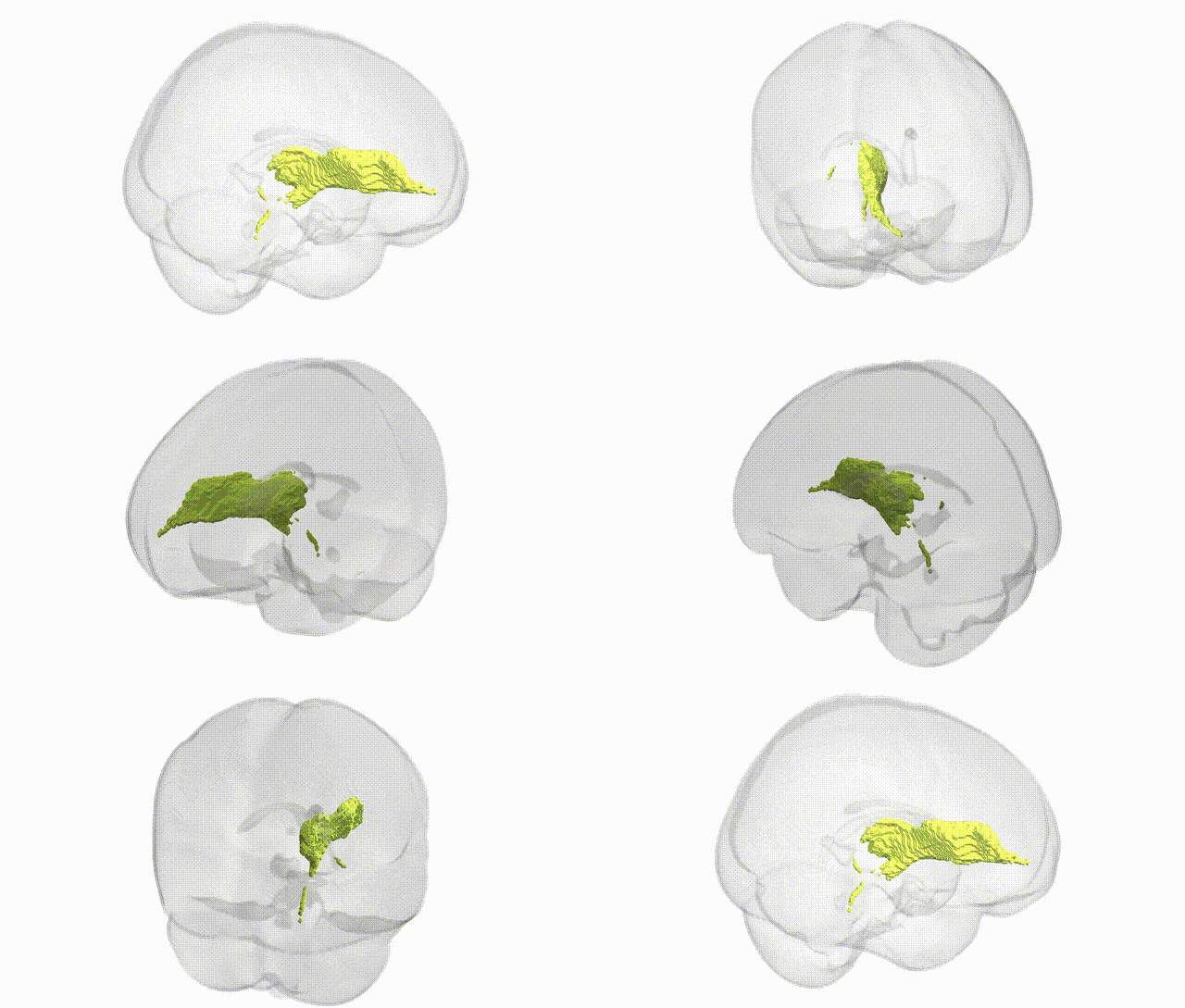
Full Quality Version: Download MP4
Wali Sidiqyar*, Gaurav Rudravaram*, Elyssa M. McMaster, Trent M. Schwartz, Adam M. Saunders, Kurt G. Schilling, Bennett A. Landman "Introducing SPINS: A Shared Public Visualization Library of Neuroanatomical Structures." Medical Imaging with Deep Learning- short paper
This resource is licensed under CC0 1.0 Universal (Public Domain).