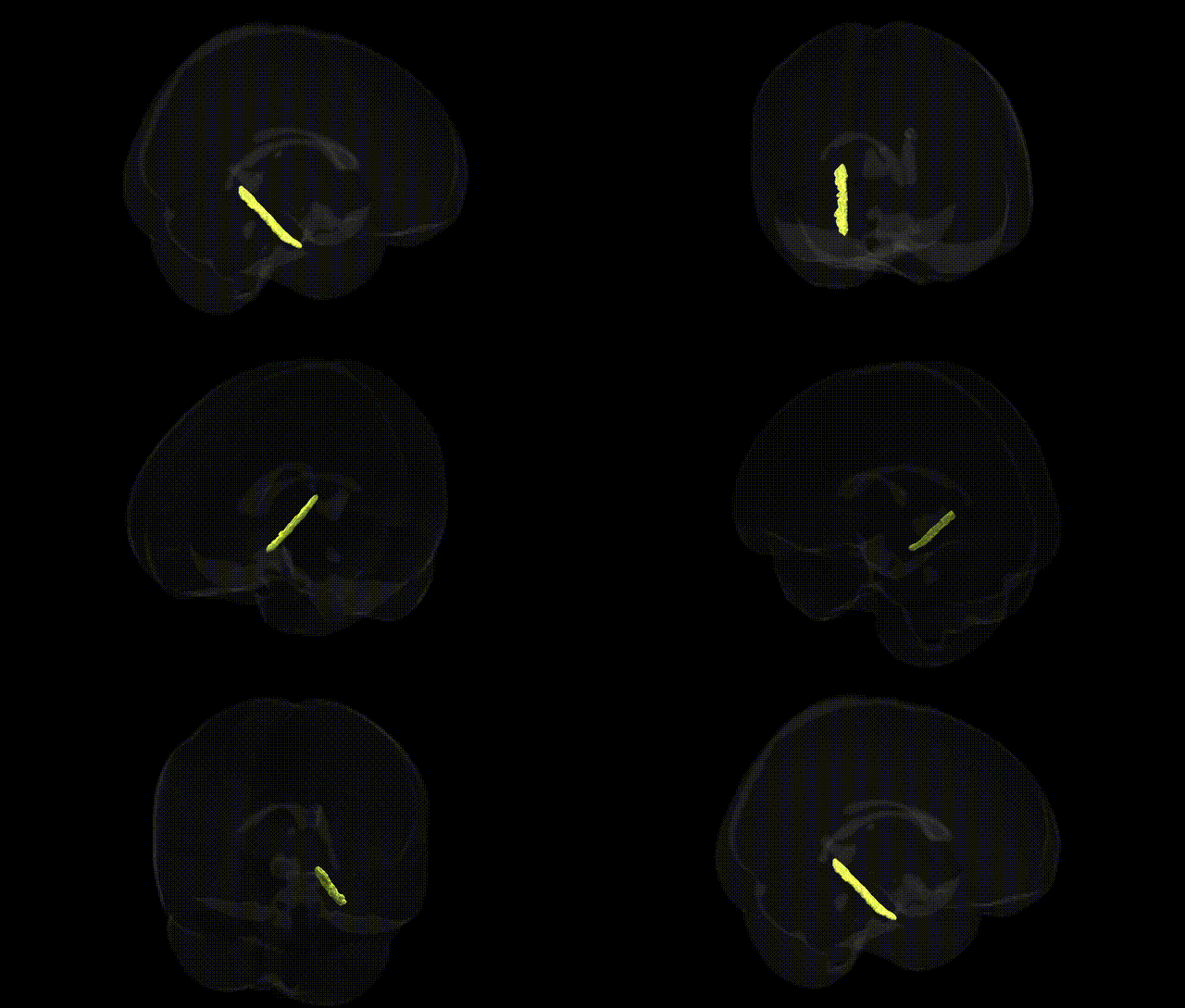
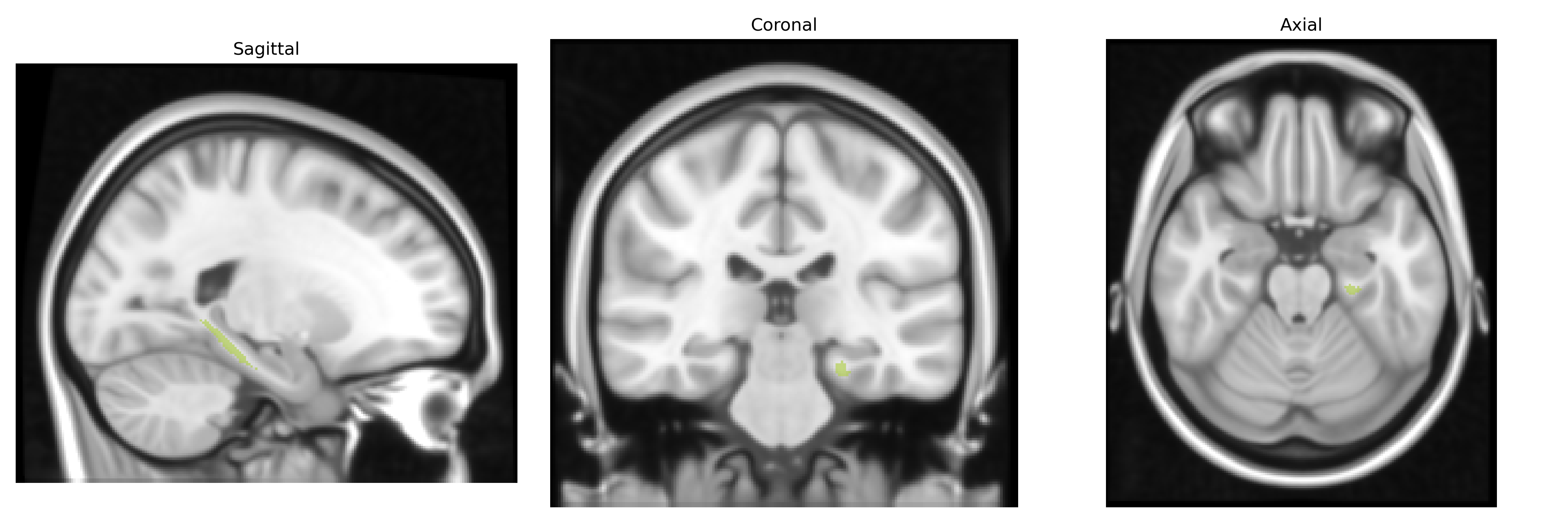
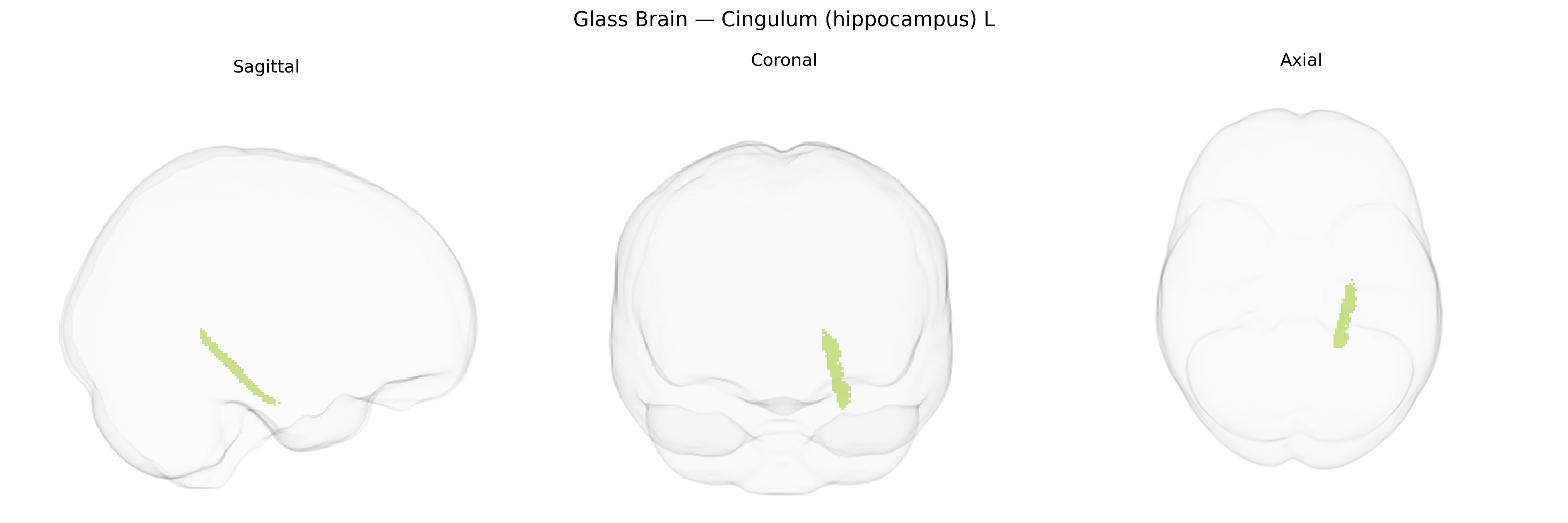
The bilateral Cingulum (hippocampus) L, as defined in the JHU ICBM tracts maxprob thr25 1mm atlas, is a left-hemispheric white matter tract segment running within the cingulum bundle adjacent to the hippocampus and parahippocampal gyrus. It forms part of the limbic connectivity network, linking medial temporal lobe structures (including the hippocampus and parahippocampal cortex) with posterior cingulate and other medial parietal regions, and contributes to circuits underlying episodic memory, spatial navigation, and emotional processing. Anatomically, this tract courses deep to the cingulate gyrus and arches around the corpus callosum, providing a major pathway for bidirectional information flow between hippocampal formations and medial association cortices. There is no direct Wikipedia article for this tract segment; a closely related structure is the broader cingulum bundle: Cingulum (brain).
The bilateral cingulum (hippocampus) tract, as defined in the JHU ICBM tracts maxprob atlas, has emerged in imaging-genetics and GWAS studies as a heritable white-matter pathway strongly implicated in neuropsychiatric and cognitive phenotypes. Twin and family studies show substantial heritability of diffusion metrics (e.g., FA, MD) in this tract, with common variants across the genome contributing polygenically. Large-scale GWAS of white matter microstructure (such as those using UK Biobank diffusion MRI) have identified multiple loci associated with cingulum integrity, including variants near genes involved in axon guidance, myelination and neurodevelopment (e.g., CNTN4, NRG1, PLEKHG4, and other synaptic/neuronal adhesion genes), although specific single-gene effects are generally small. Altered cingulum (hippocampus) integrity has been linked through genetic and imaging studies to major depressive disorder, schizophrenia, bipolar disorder, anxiety, post-traumatic stress disorder, and Alzheimer’s disease, often in the context of risk alleles in genes such as APOE, BDNF, and DISC1 that influence hippocampal structure and limbic connectivity. In cognitive and behavioral GWAS, genetic influences on memory performance, general intelligence, and neuroticism show overlap with variants affecting cingulum microstructure, supporting the tract’s role as a structural mediator between hippocampal circuitry and higher-order cognitive and emotional traits, though specific associations remain modest and distributed across many loci.
Overview generated by GPT-4o (2026).
Region ID: 7
Hemisphere: bilateral
Atlas: JHU ICBM tracts maxprob thr25 1mm
Full Quality Version: Download MP4
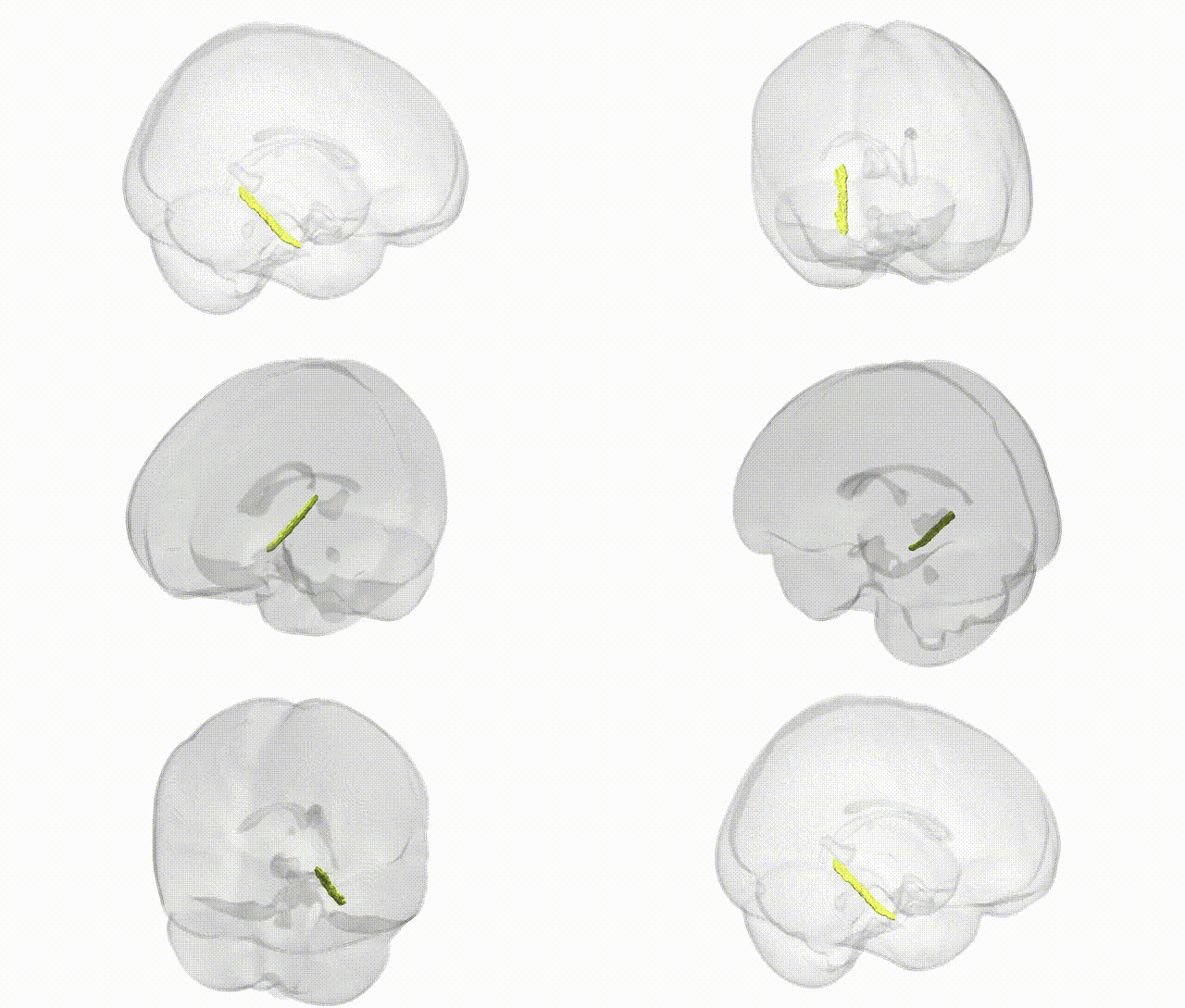
Full Quality Version: Download MP4
Wali Sidiqyar*, Gaurav Rudravaram*, Elyssa M. McMaster, Trent M. Schwartz, Adam M. Saunders, Kurt G. Schilling, Bennett A. Landman "Introducing SPINS: A Shared Public Visualization Library of Neuroanatomical Structures." Medical Imaging with Deep Learning- short paper
This resource is licensed under CC0 1.0 Universal (Public Domain).