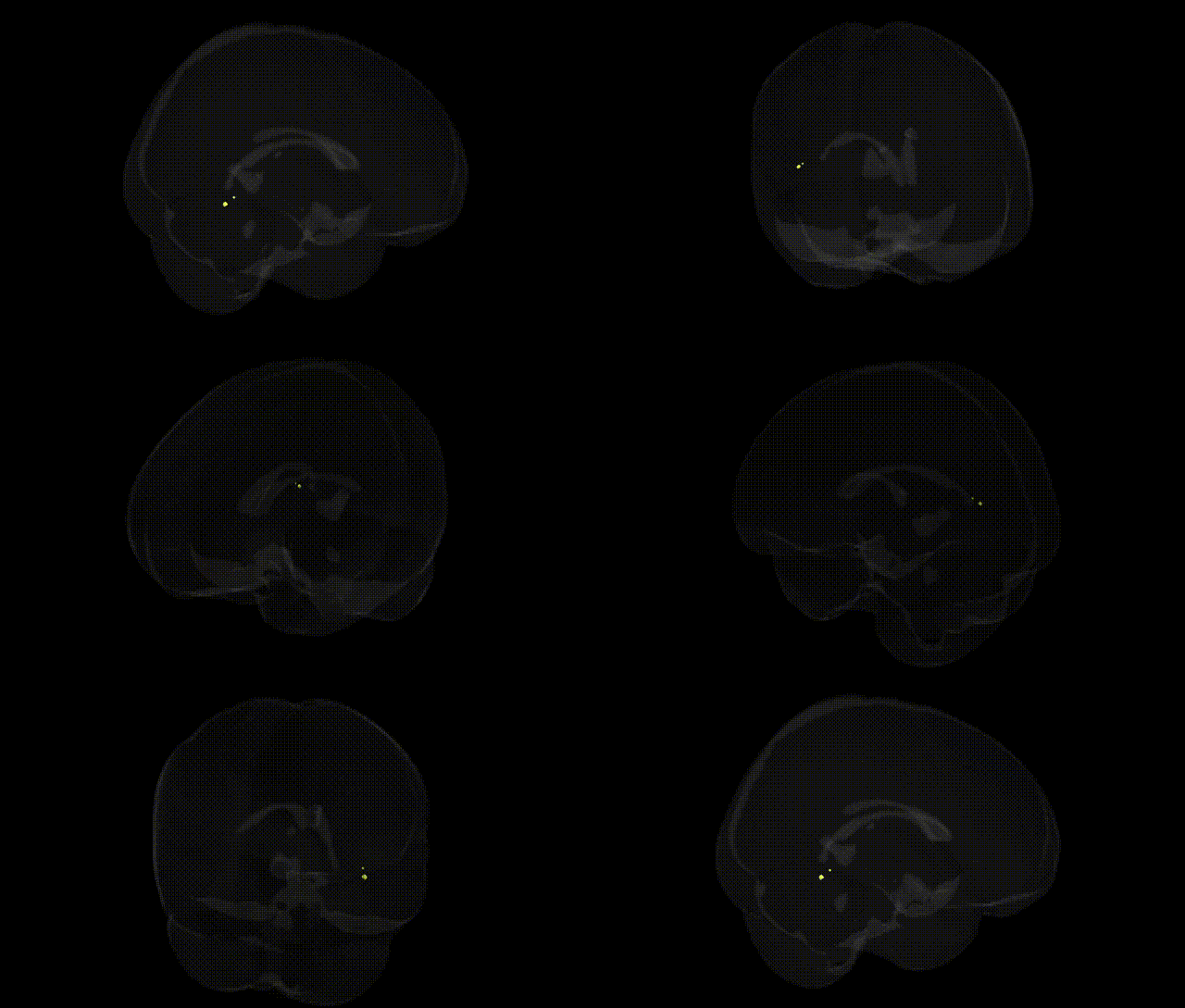
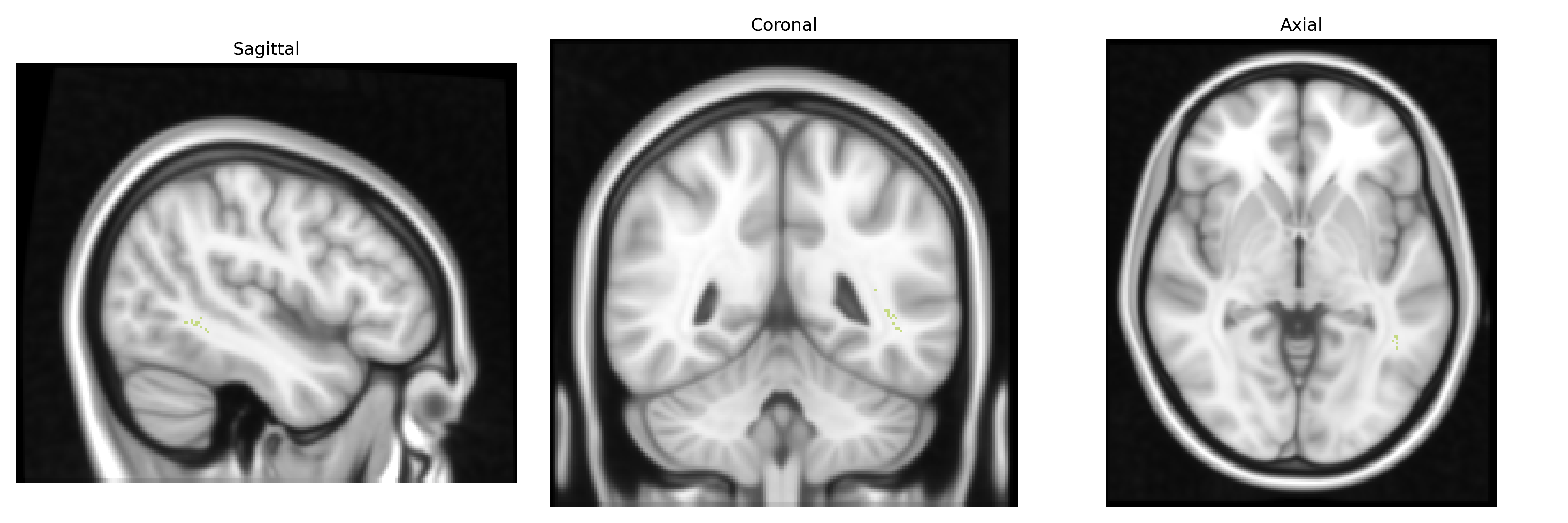
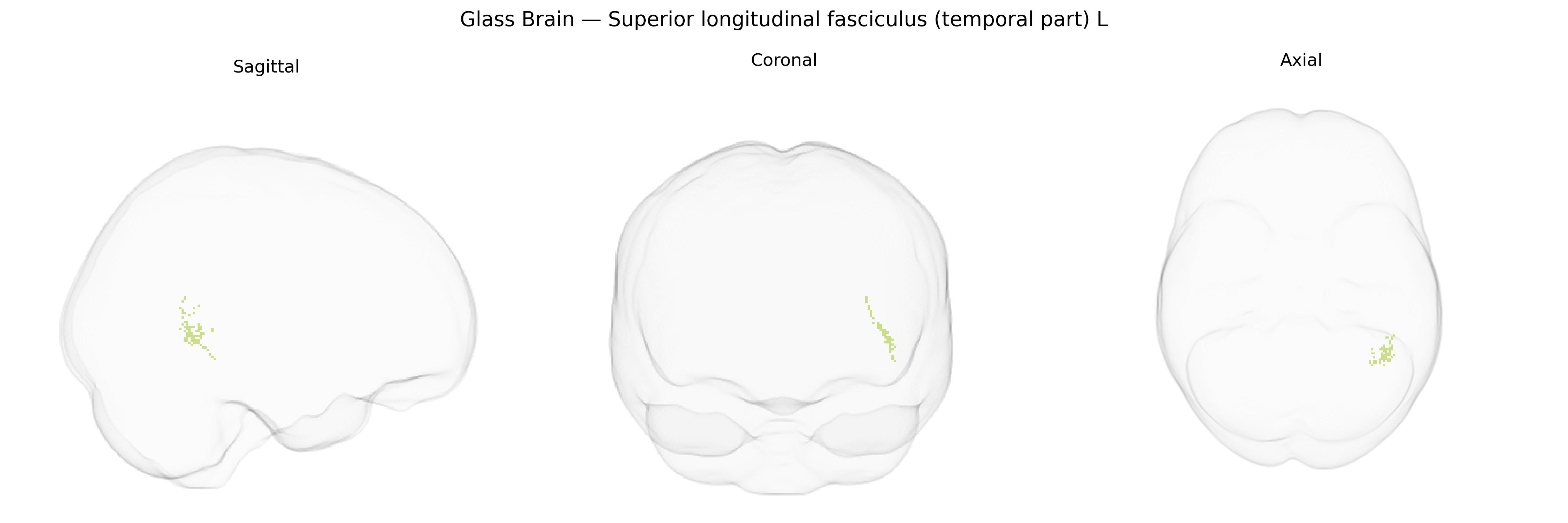
The bilateral Superior longitudinal fasciculus (temporal part) L, as defined in the JHU ICBM tracts maxprob thr25 1mm Atlas, refers to the left-hemispheric temporal segment of a major associative white matter pathway that interconnects frontal, parietal, and temporal cortices. This tract courses deep to the lateral sulcus, linking superior and middle temporal regions with dorsal frontal and parietal areas, and plays a key role in multimodal integration, language processing, and higher-order cognitive functions such as attention and working memory. As part of the broader superior longitudinal fasciculus system, it contributes to the coordination of auditory, semantic, and articulatory processes by facilitating long-range cortico-cortical communication. There is no direct Wikipedia article for this specific temporal subdivision; a related structure is the broader Superior longitudinal fasciculus.
The bilateral superior longitudinal fasciculus (temporal part) as defined in the JHU ICBM tracts atlas has been implicated in multiple imaging-genetics and GWAS studies, largely through analyses of white matter microstructure (e.g., FA, MD) rather than region-specific gene mapping. Large consortia such as ENIGMA and UK Biobank have identified polygenic influences on superior longitudinal fasciculus integrity involving common variants across neurodevelopmental, synaptic, and myelination-related genes, with frequent enrichment in pathways related to axon guidance and oligodendrocyte function (for example, genes near NEUREGULIN/ERBB signaling, CACNA1C, and broader neurodevelopmental loci), but no single gene uniquely or specifically assigned to the temporal segment in isolation. GWAS of diffusion tensor imaging measures have linked variation in superior longitudinal fasciculus structure to polygenic risk scores for schizophrenia, bipolar disorder, major depressive disorder, ADHD, and autism, consistent with the tract’s role in fronto-temporal connectivity and language/auditory processing, and have shown overlap with genetic liability for cognitive traits such as general intelligence and educational attainment. Some studies report that genetic variants associated with psychosis and mood disorders also predict alterations in superior longitudinal fasciculus diffusivity, and pleiotropic effects have been observed between this tract and risk for neurodevelopmental disorders and substance use, reflecting shared genetic architecture of white matter organization and psychiatric phenotypes rather than a disorder-specific locus confined to this tract. Overall, current genetic evidence points to a broadly polygenic, distributed influence on the superior longitudinal fasciculus (including its temporal part), embedded in genome-wide networks affecting brain connectivity, rather than discrete, tract-specific genetic determinants.
Overview generated by GPT-4o (2026).
Region ID: 19
Hemisphere: bilateral
Atlas: JHU ICBM tracts maxprob thr25 1mm
Full Quality Version: Download MP4
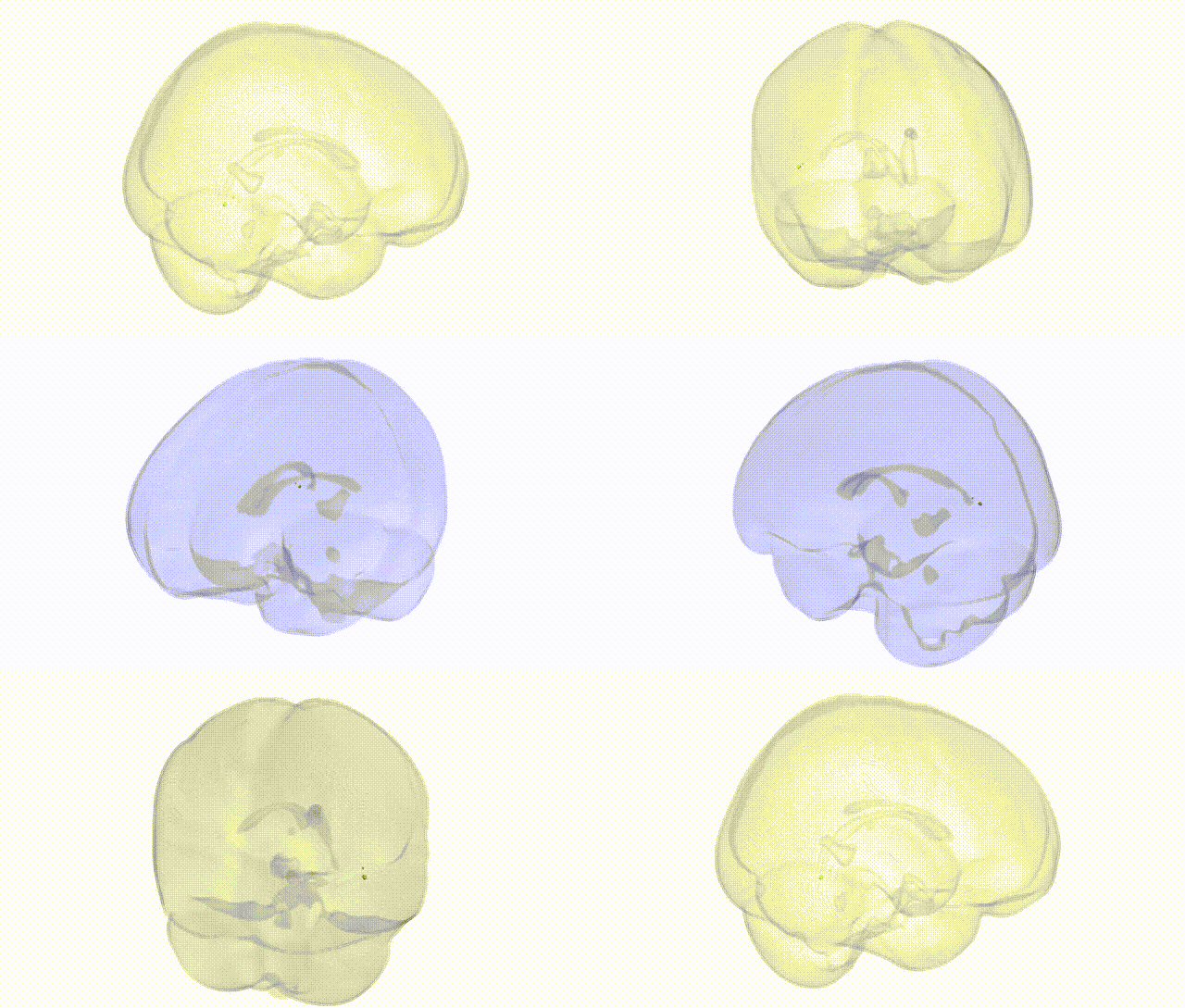
Full Quality Version: Download MP4
Wali Sidiqyar*, Gaurav Rudravaram*, Elyssa M. McMaster, Trent M. Schwartz, Adam M. Saunders, Kurt G. Schilling, Bennett A. Landman "Introducing SPINS: A Shared Public Visualization Library of Neuroanatomical Structures." Medical Imaging with Deep Learning- short paper
This resource is licensed under CC0 1.0 Universal (Public Domain).