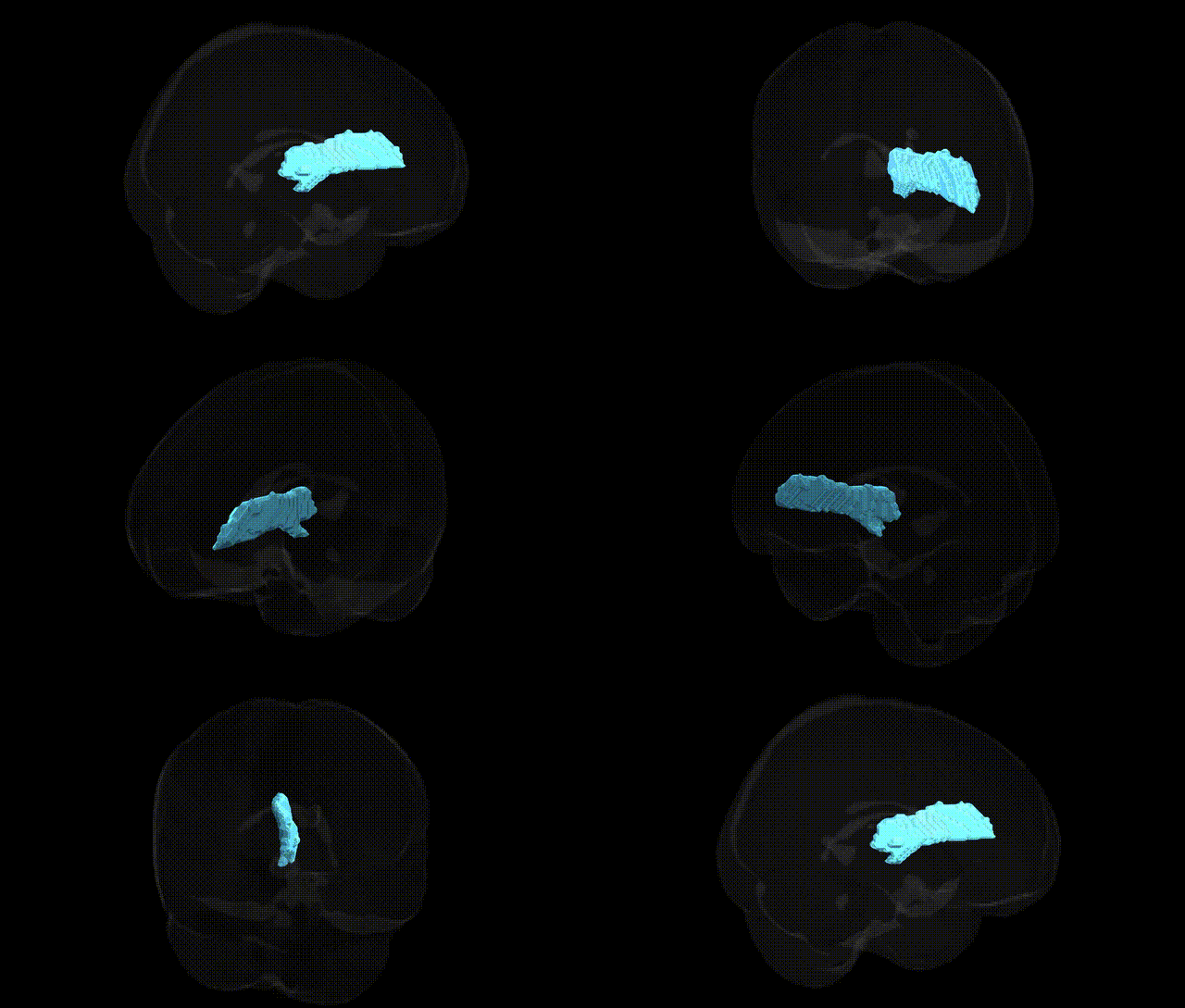
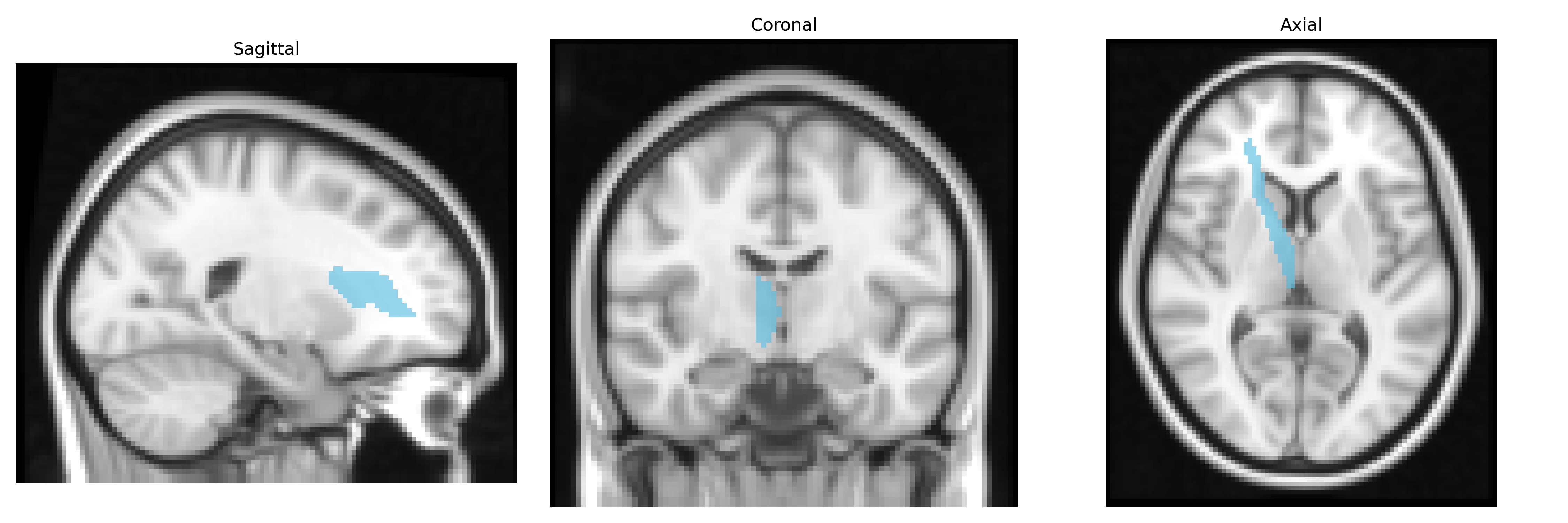
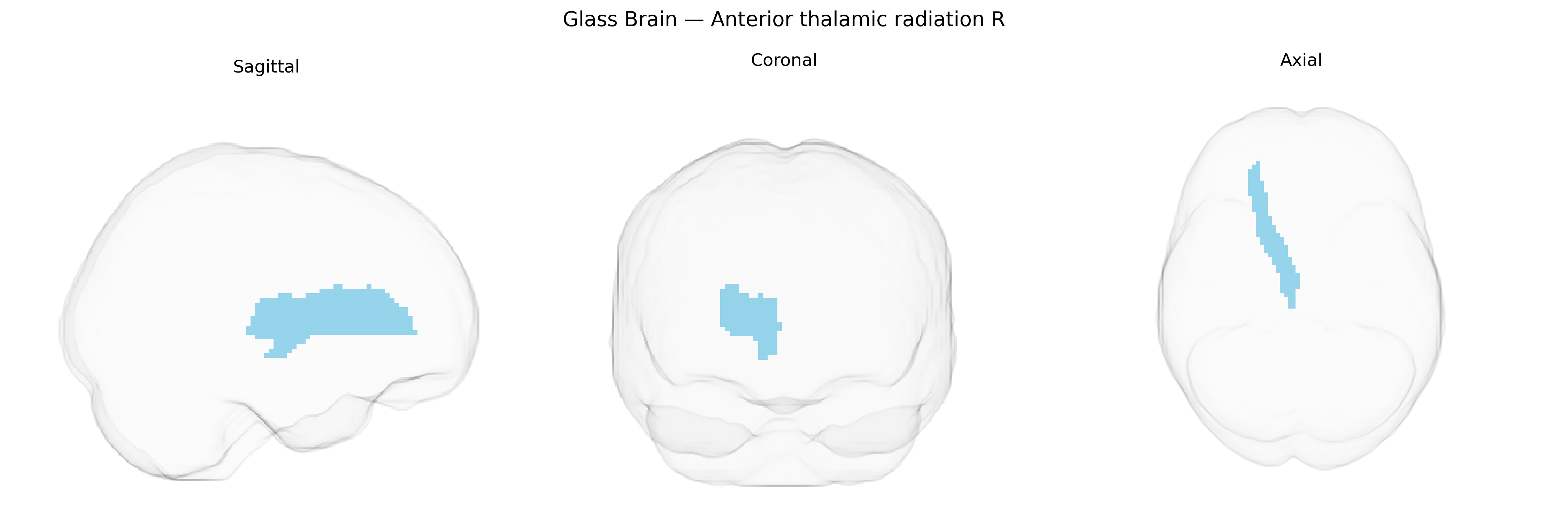
The bilateral anterior thalamic radiation (ATR) is a major white matter projection pathway that connects the anterior and mediodorsal nuclei of the thalamus with the prefrontal cortex, particularly the dorsolateral and medial prefrontal regions, via the anterior limb of the internal capsule. It plays a critical role in higher-order cognitive functions, including executive control, working memory, attention, and aspects of emotional regulation, and is frequently implicated in neuropsychiatric and neurodegenerative conditions due to its involvement in frontothalamic circuits. The ATR is a key component of the thalamocortical network, integrating subcortical thalamic inputs with cortical processing and contributing to large-scale brain networks such as the default mode and frontoparietal control networks. There is no direct Wikipedia article for the anterior thalamic radiation; a closely related structure is the Thalamic radiation.
The bilateral anterior thalamic radiation (ATR), as defined in the JHU ICBM tracts maxprob thr25 2 mm atlas, has been implicated in multiple genetic and neuropsychiatric contexts, largely through its role in fronto-thalamic connectivity supporting executive function, emotion regulation, and cognitive control. GWAS and imaging–genetics studies of white-matter microstructure (e.g., FA and MD) have identified associations between ATR integrity and common variants in genes involved in axon guidance and myelination (such as CNTN4, NRG1, and MAG), as well as polygenic scores for schizophrenia, bipolar disorder, and major depressive disorder, suggesting that genetic risk for psychiatric illness partly manifests as altered ATR structure. ATR measures have also been linked to APOE ε4 and other Alzheimer’s disease risk loci in the context of cognitive decline and small vessel disease, as well as variants in hypertension and cardiovascular risk genes that influence white-matter lesion burden in this tract. In addition, GWAS of cognition and educational attainment have reported that polygenic propensity for higher cognitive performance is associated with more preserved or enhanced microstructural integrity in the anterior thalamic radiation, supporting a genetically mediated contribution of this pathway to higher-order cognitive traits. While specific single-tract GWAS focused solely on the right ATR remain limited, convergent evidence from large imaging-genetics cohorts (e.g., UK Biobank) indicates that genetically driven variation in neurodevelopmental, myelination, and vascular pathways contributes to individual differences in ATR structure that, in turn, relate to risk for mood disorders, psychosis, neurodegeneration, and cognitive outcomes.
Overview generated by GPT-4o (2026).
Region ID: 2
Hemisphere: bilateral
Atlas: JHU ICBM tracts maxprob thr25 2mm
Full Quality Version: Download MP4
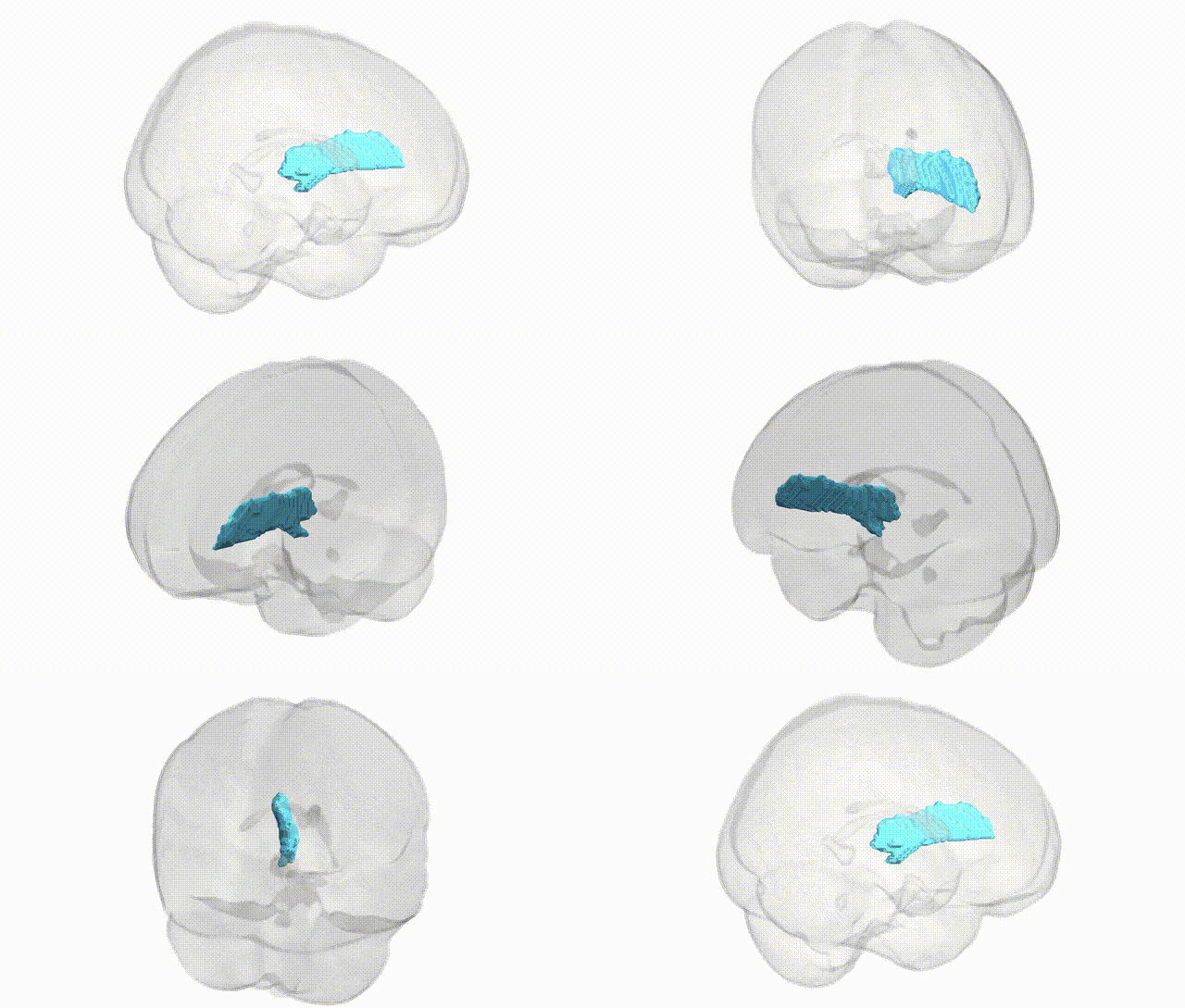
Full Quality Version: Download MP4
Wali Sidiqyar*, Gaurav Rudravaram*, Elyssa M. McMaster, Trent M. Schwartz, Adam M. Saunders, Kurt G. Schilling, Bennett A. Landman "Introducing SPINS: A Shared Public Visualization Library of Neuroanatomical Structures." Medical Imaging with Deep Learning- short paper
This resource is licensed under CC0 1.0 Universal (Public Domain).