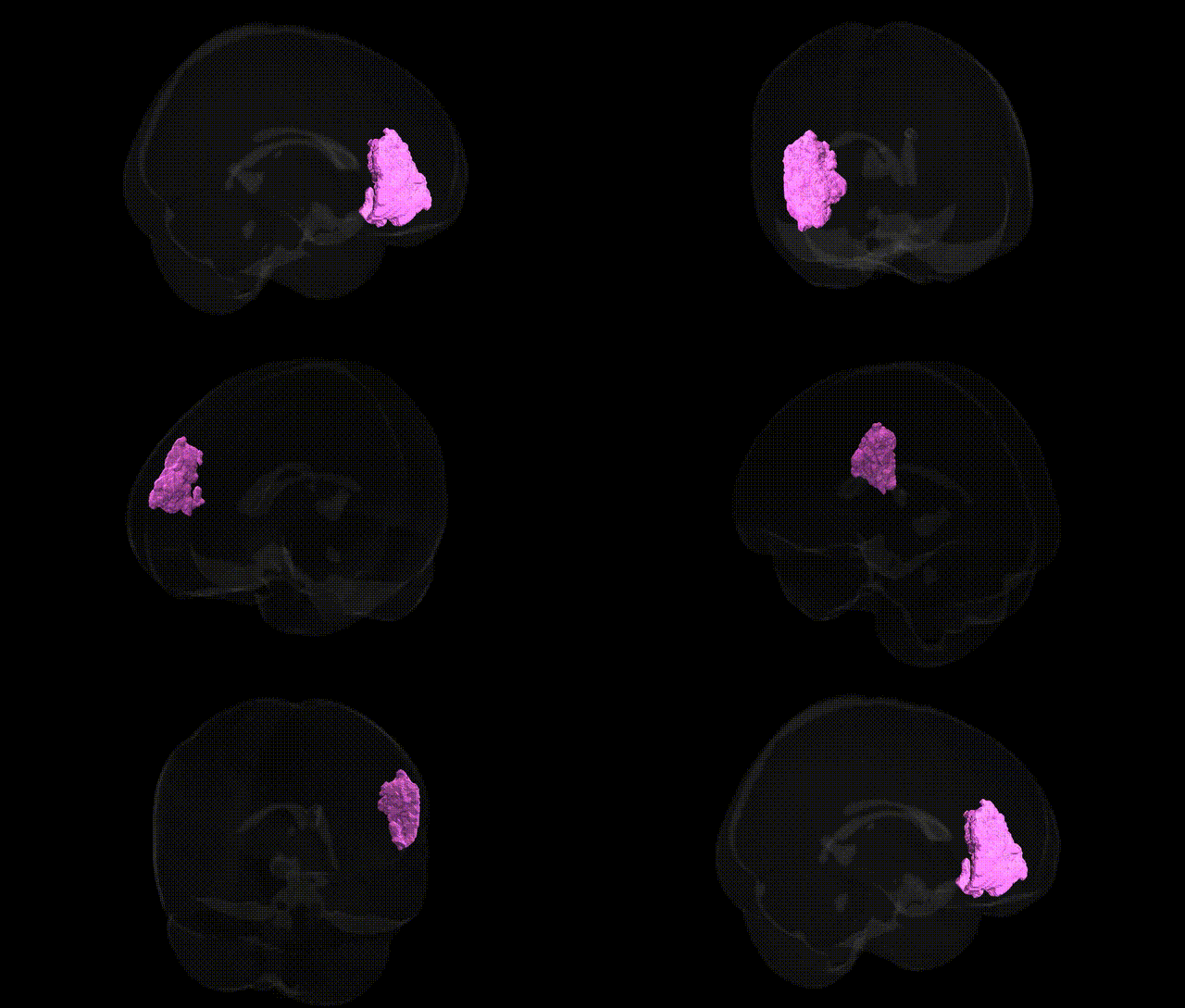
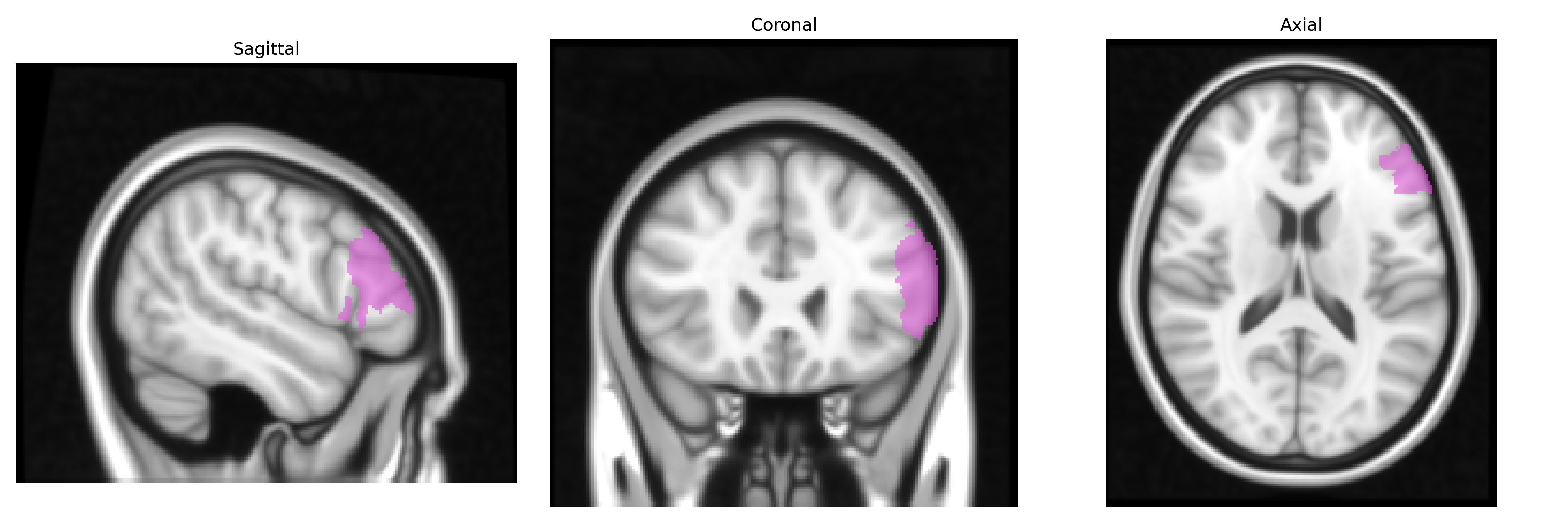
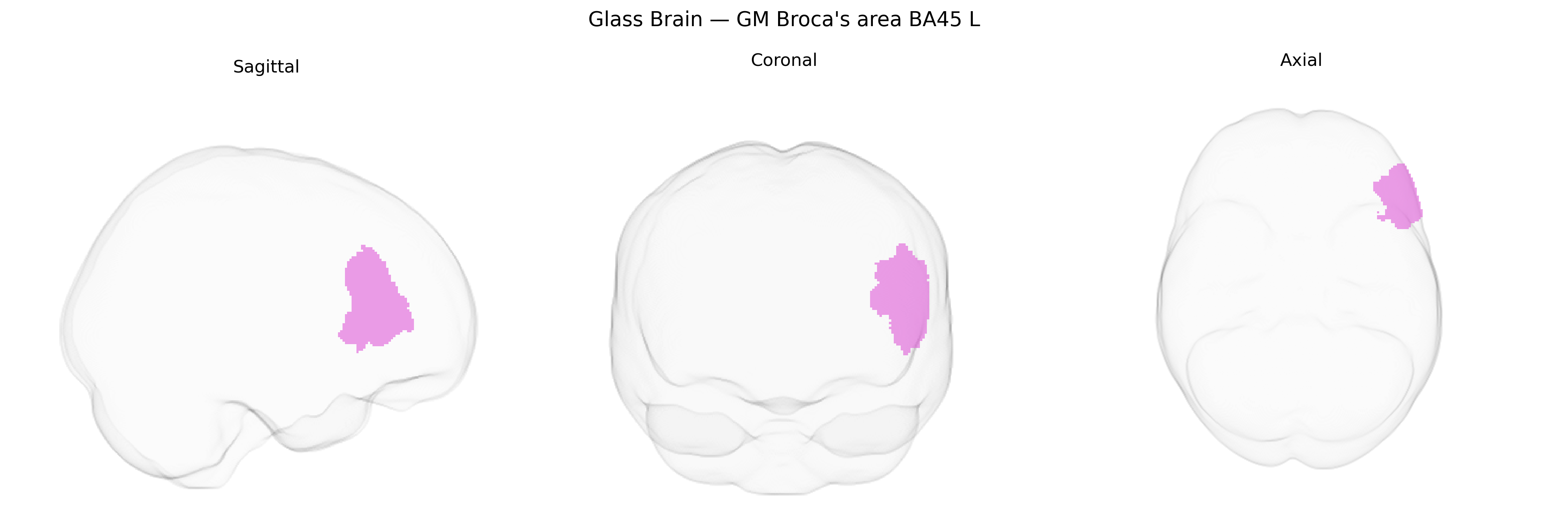
Bilateral GM Broca’s area BA45 L, as defined in the Juelich maxprob thr25 1mm Atlas, corresponds to the left-hemispheric granular part of the inferior frontal gyrus (pars triangularis) that forms a core component of the classical Broca’s region, with homotopic right-hemisphere counterparts often implicated in prosodic and higher-order language functions. Cytoarchitectonically, BA45 is characterized by a well-developed granular layer IV and distinct vertical and horizontal fiber bands, differentiating it from adjacent prefrontal fields. Functionally, this region is associated with controlled language processing, including semantic retrieval, syntactic selection, and aspects of speech production, as well as more general executive processes such as cognitive control and response selection. BA45 is richly interconnected with temporal (e.g., superior and middle temporal gyri), parietal (e.g., inferior parietal lobule), and other frontal regions, forming part of the dorsal and ventral language streams that support comprehension and production. A closely related article is: Broca’s area.
Genetic associations for Broca’s area BA45 (inferior frontal gyrus, pars triangularis) in the left hemisphere, as defined in the Juelich maxprob atlas, converge on language, speech, and higher-order cognitive traits. Variants in FOXP2, CNTNAP2, and related language-network genes have been linked to structural and functional properties of left inferior frontal regions, including BA45, influencing speech and language acquisition, phonological processing, and verbal fluency. GWAS of cortical thickness and surface area have implicated common variants near genes involved in neurodevelopmental pathways (such as MEF2C, DCC, and others) in shaping frontal language networks, with BA45 showing heritable variability in morphology and activation during language tasks. Large-scale neuroimaging genetics consortia (e.g., ENIGMA, UK Biobank studies) report that polygenic scores for educational attainment, general cognitive ability, and reading/spelling skills correlate with structural and functional measures in left inferior frontal language areas, while risk variants for neurodevelopmental disorders such as autism spectrum disorder, developmental language disorder, and dyslexia have been associated with atypical activation or connectivity of BA45 in task-based and resting-state fMRI. Additionally, some GWAS of psychiatric conditions, including schizophrenia and major depressive disorder, indicate that risk alleles affecting synaptic plasticity and cortical development can alter fronto-temporal language circuits, with BA45 frequently implicated in aberrant semantic processing and expressive language dysfunction.
Overview generated by GPT-4o (2026).
Region ID: 15
Hemisphere: bilateral
Atlas: Juelich maxprob thr25 1mm
Full Quality Version: Download MP4
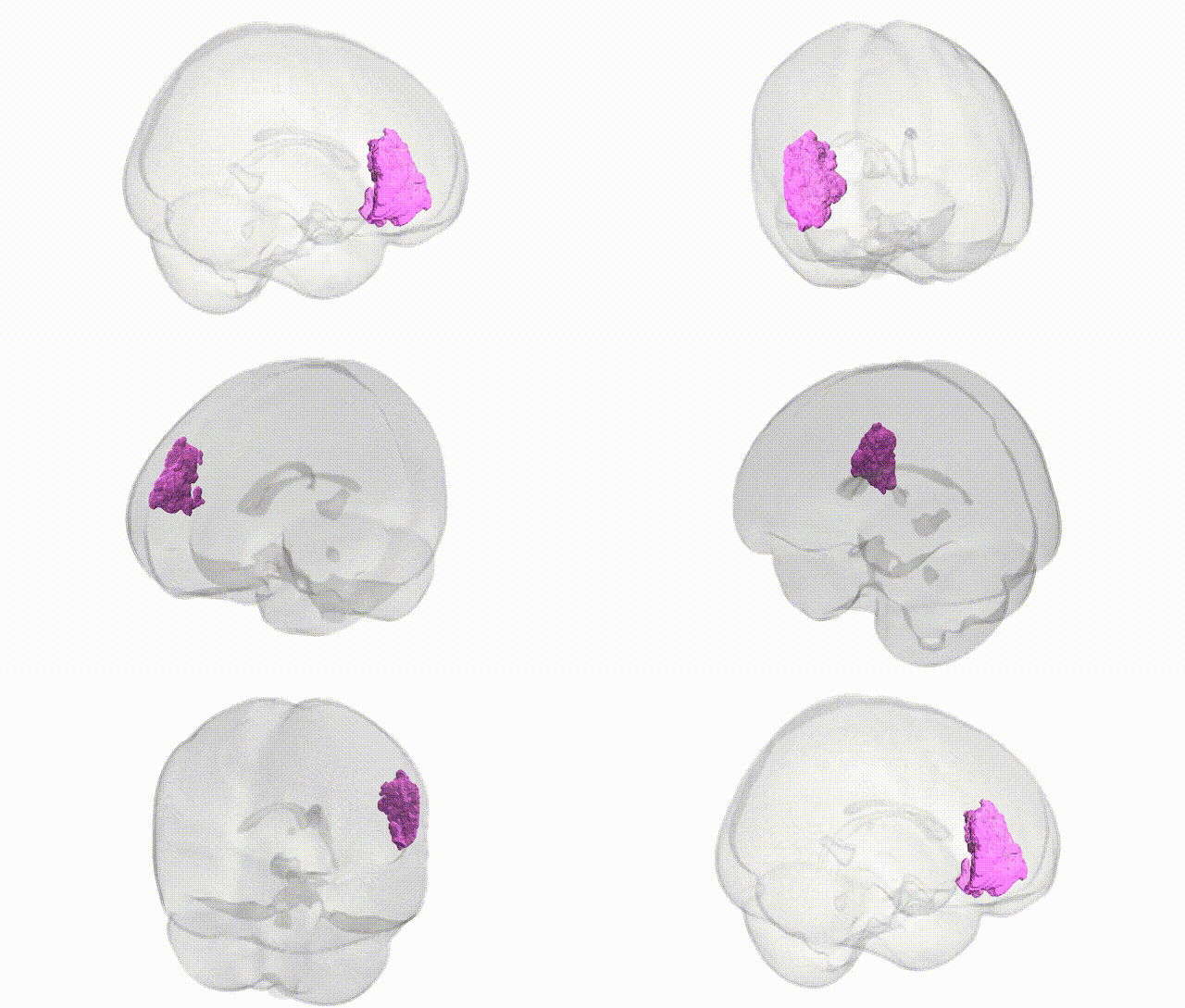
Full Quality Version: Download MP4
Wali Sidiqyar*, Gaurav Rudravaram*, Elyssa M. McMaster, Trent M. Schwartz, Adam M. Saunders, Kurt G. Schilling, Bennett A. Landman "Introducing SPINS: A Shared Public Visualization Library of Neuroanatomical Structures." Medical Imaging with Deep Learning- short paper
This resource is licensed under CC0 1.0 Universal (Public Domain).