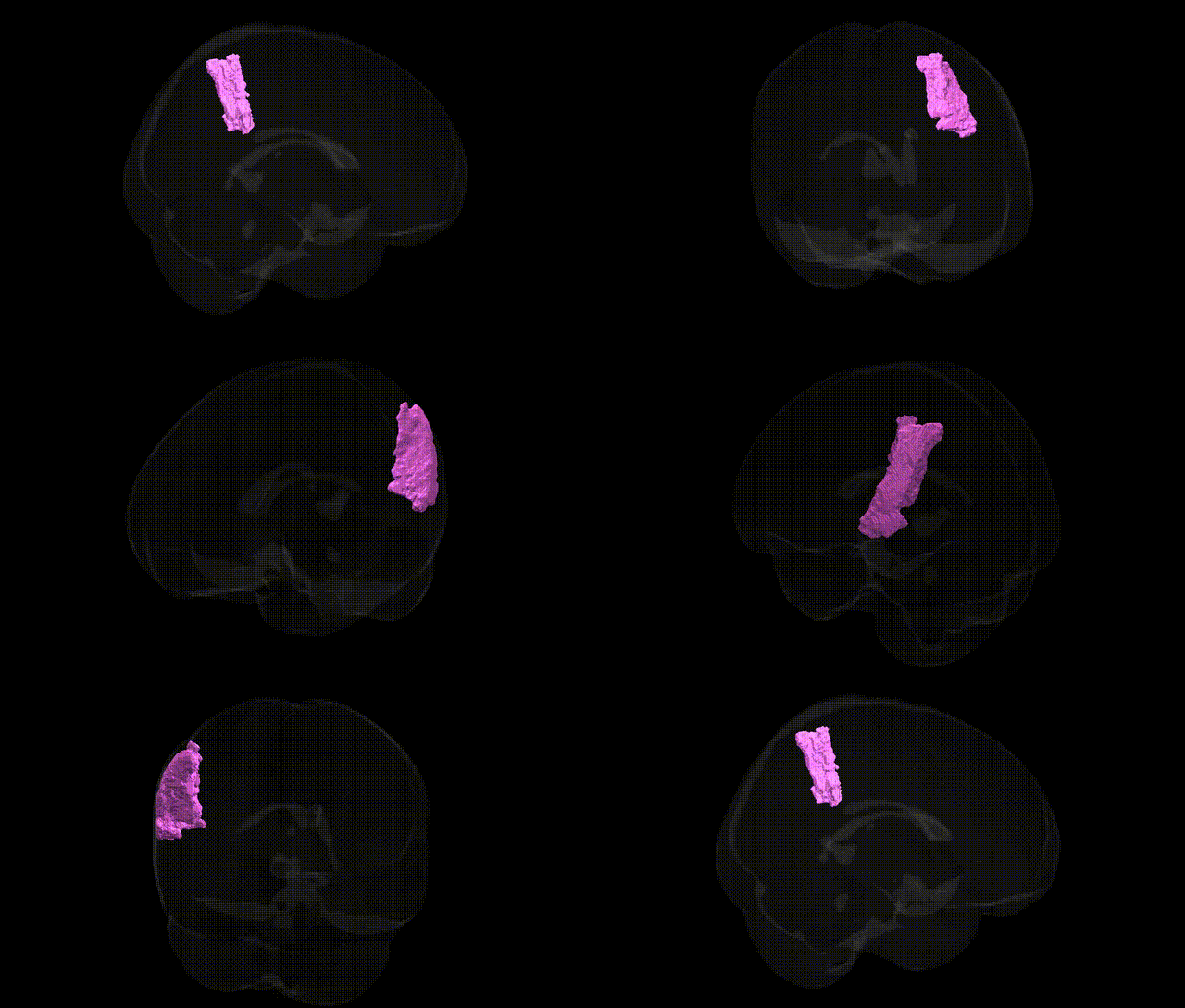
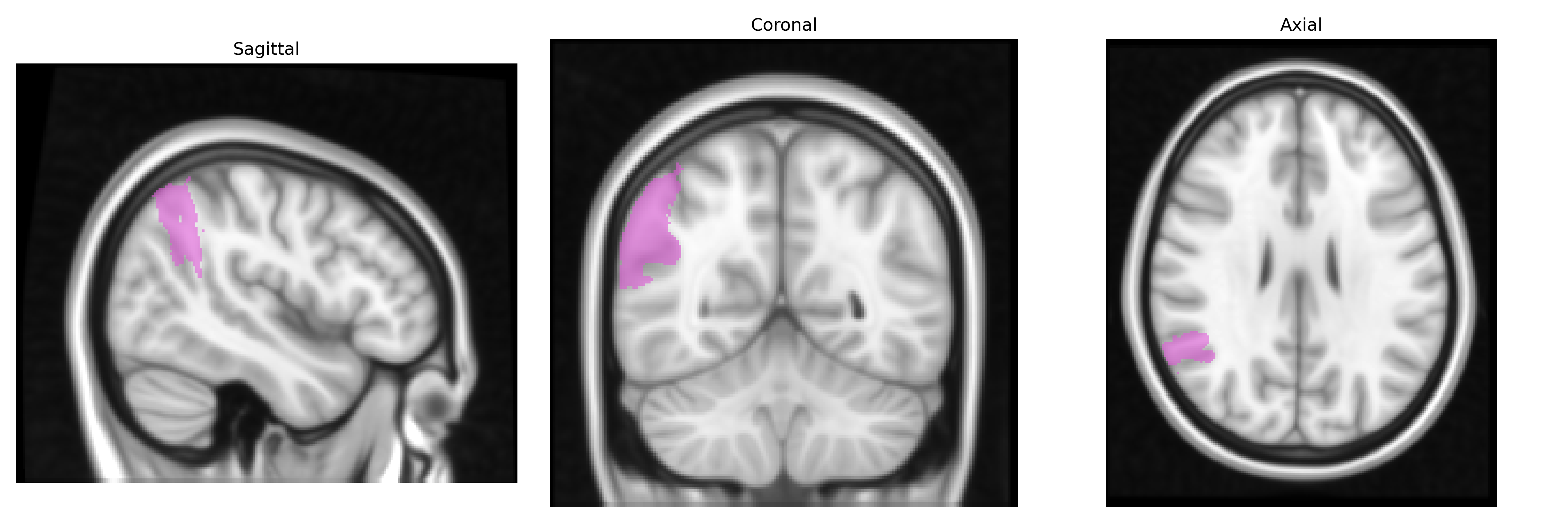
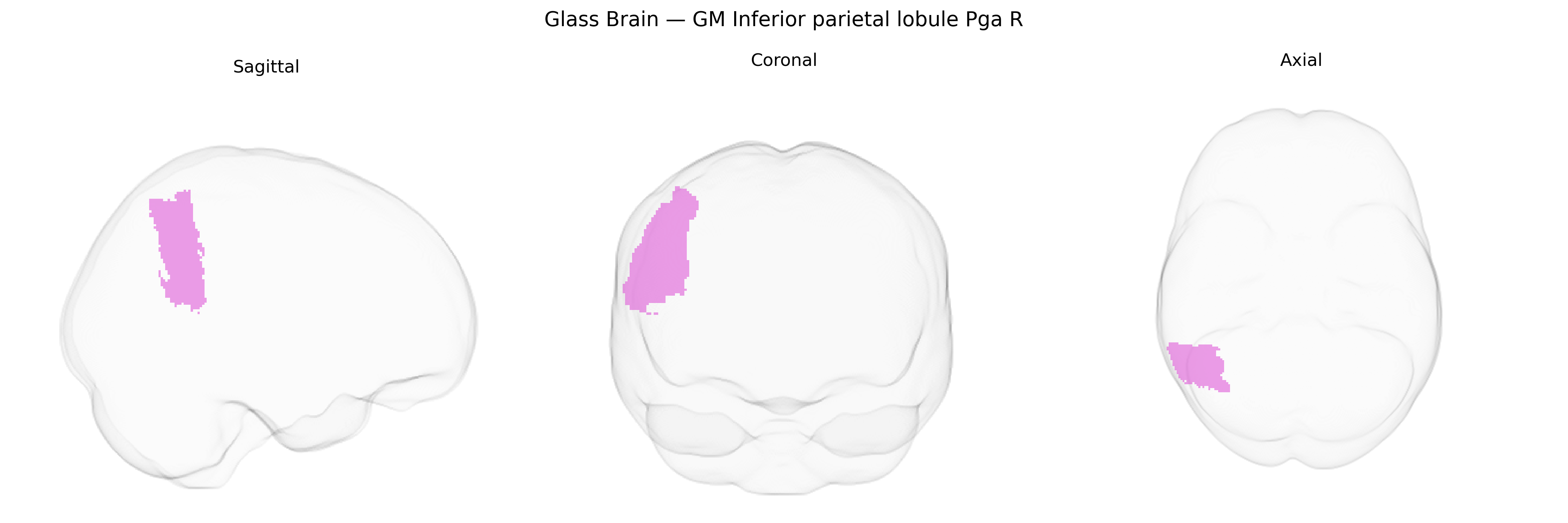
The bilateral GM Inferior parietal lobule PGa R region in the Juelich maxprob thr25 1mm Atlas corresponds to the right angular gyrus–dominant subdivision of the inferior parietal lobule, a multimodal association area of the posterior parietal cortex. This region integrates visual, auditory, and somatosensory information and is implicated in higher cognitive functions including language comprehension (particularly semantic processing), number processing and calculation, spatial attention, theory of mind, and aspects of episodic memory retrieval. It maintains extensive connectivity with temporal, frontal, and occipital association cortices, supporting its role as a heteromodal hub in the default mode and attention-related networks. Lesions or dysfunction in this area have been associated with deficits such as acalculia, aspects of aphasia, and disturbances of spatial cognition. No direct Wikipedia article exists for this exact parcellation; a closely related structure is the Angular gyrus.
The bilateral GM Inferior parietal lobule Pga R (Juelich maxprob thr25 1mm Atlas) sits within the inferior parietal lobule (IPL), a region with substantial—though often non-subregion-specific—genetic associations from neuroimaging and GWAS studies. Twin and SNP-heritability studies show moderate heritability of IPL cortical thickness and surface area, with polygenic influences overlapping those for general intelligence, educational attainment, and working memory. Large-scale imaging–genetics consortia (e.g., ENIGMA, UK Biobank) have reported that common variants in genes related to synaptic plasticity and neurodevelopment (such as BDNF, CNTNAP2, and various glutamatergic and axonal guidance genes) contribute to structural variability in parietal regions that include the PGa area. IPL regions encompassing PGa have been implicated in GWAS or imaging–genetics studies of schizophrenia, autism spectrum disorder, and attention-deficit/hyperactivity disorder through case–control differences in cortical thickness, gyrification, or connectivity that show partial genetic overlap with these conditions. In addition, parietal subregions overlapping PGa show genetic correlations with Alzheimer’s disease risk and with polygenic scores for cognitive decline, consistent with the role of the IPL in episodic memory and default mode network functioning. However, no large GWAS has yet isolated variants acting exclusively and specifically on the Juelich-defined Pga R subfield; most findings reflect broader genetic influences on parietal and association cortex structure and function.
Overview generated by GPT-4o (2026).
Region ID: 38
Hemisphere: bilateral
Atlas: Juelich maxprob thr25 1mm
Full Quality Version: Download MP4
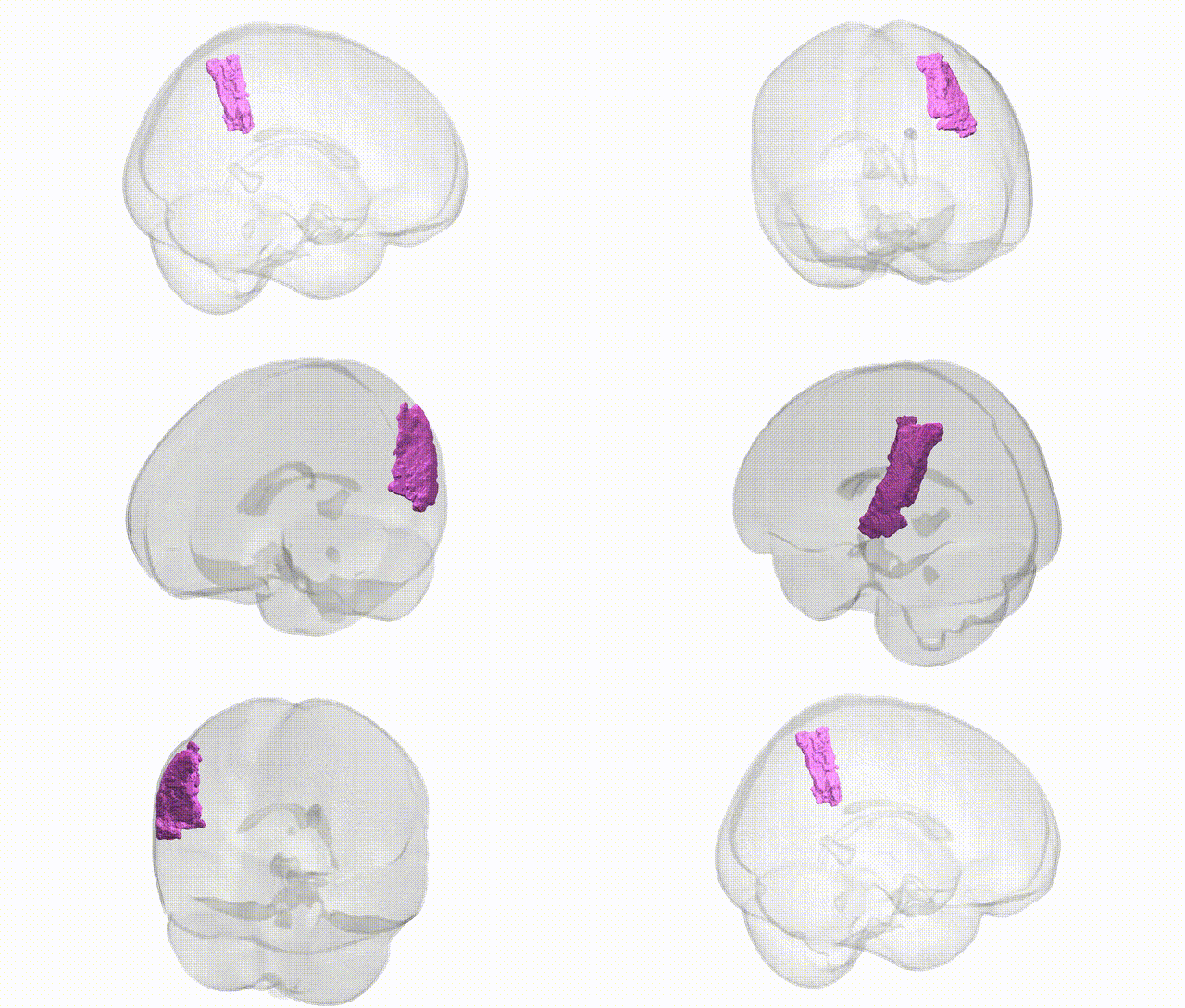
Full Quality Version: Download MP4
Wali Sidiqyar*, Gaurav Rudravaram*, Elyssa M. McMaster, Trent M. Schwartz, Adam M. Saunders, Kurt G. Schilling, Bennett A. Landman "Introducing SPINS: A Shared Public Visualization Library of Neuroanatomical Structures." Medical Imaging with Deep Learning- short paper
This resource is licensed under CC0 1.0 Universal (Public Domain).