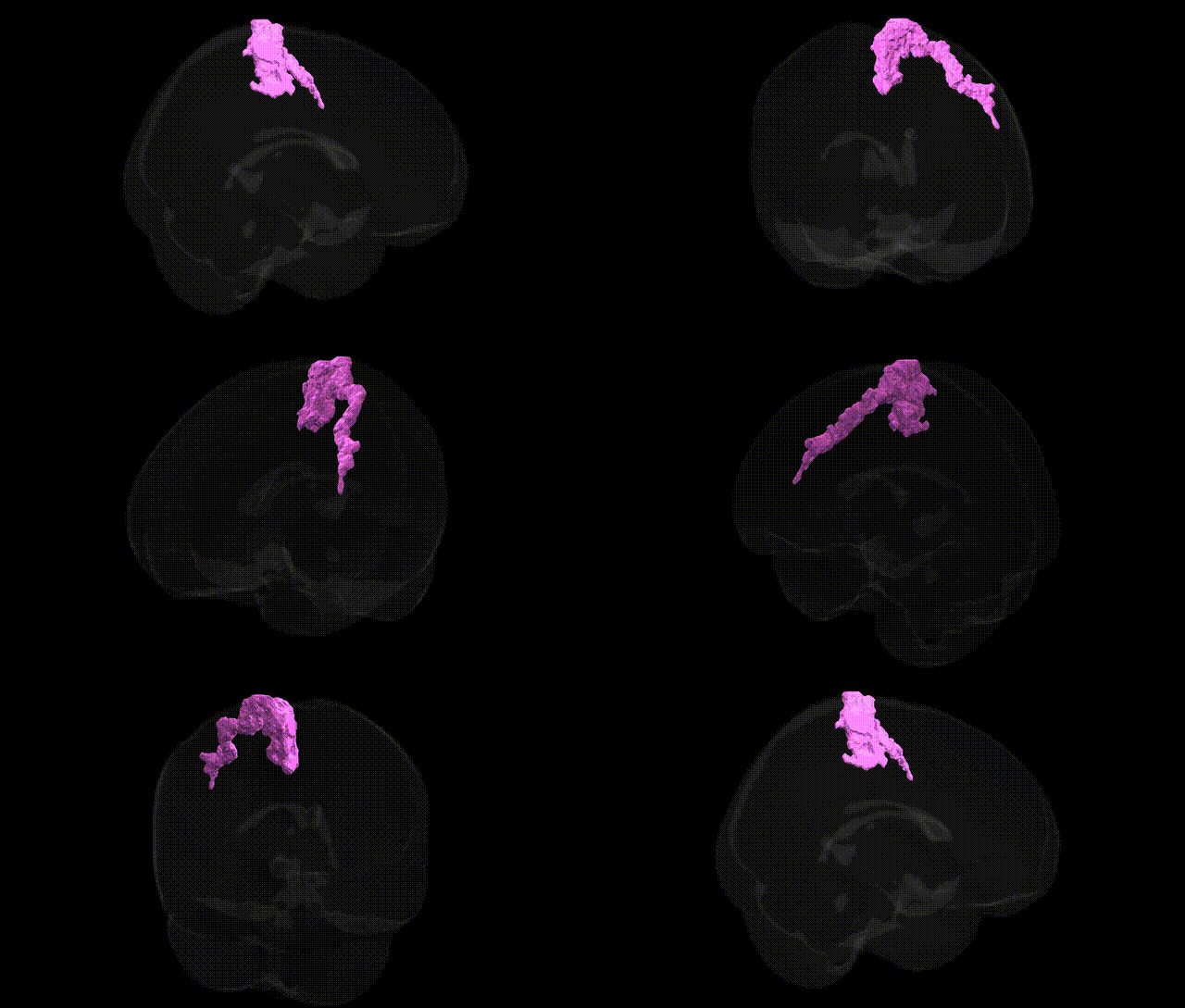
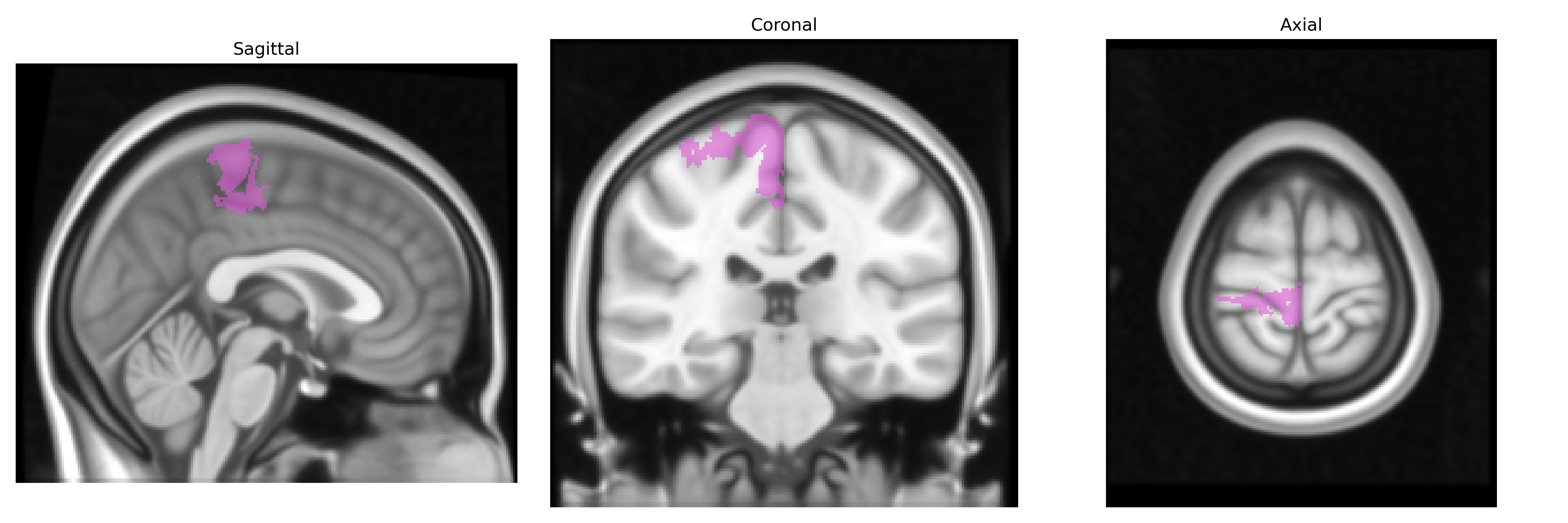
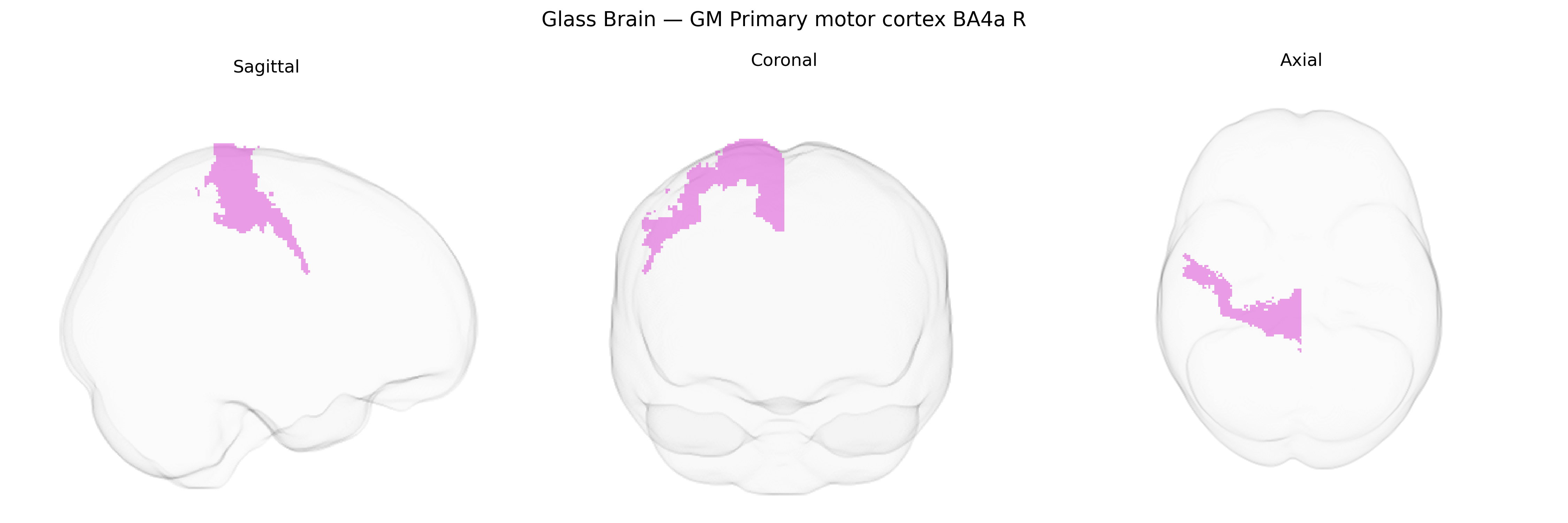
The bilateral GM Primary motor cortex BA4a R, as defined in the Juelich maxprob thr25 1 mm atlas, corresponds to a cytoarchitectonically distinct subregion of Brodmann area 4 located along the precentral gyrus of the frontal lobe, primarily in the anterior wall of the central sulcus. This region forms a core component of the primary motor cortex, containing large pyramidal (Betz) cells that give rise to corticospinal and corticobulbar projections critical for the initiation and execution of voluntary movements, particularly fine distal motor control. Functionally, BA4a participates in somatotopically organized motor representations, integrating descending motor commands with sensory feedback to modulate force, timing, and precision of muscle contractions. In the Juelich atlas, “R” denotes the right hemisphere, and “bilateral” indicates homologous representation in both hemispheres, though with potential lateralization related to handedness and motor dominance. There is no direct Wikipedia article for “BA4a”; a related structure is the Primary motor cortex.
The bilateral gray matter primary motor cortex (BA4a, right hemisphere) as defined in the Juelich maxprob thr25 1 mm atlas has been implicated in several genetic and GWAS-based associations largely through imaging-genetics and neurodevelopmental studies rather than single-gene links specific to this cytoarchitectonic parcel. Large-scale GWAS of cortical thickness and surface area (e.g., ENIGMA and UK Biobank consortia) consistently identify heritable variation in precentral and primary motor regions, with associated loci enriched in genes involved in neurodevelopment, synaptic signaling, and axon guidance (such as variants near MAPT, KIAA0586, and genes in Wnt and axon guidance pathways), though these are typically reported at the level of broader precentral or frontal motor areas rather than BA4a subdivisions. Motor cortex structure and function show genetic correlations with disorders featuring motor and neurodevelopmental abnormalities, including amyotrophic lateral sclerosis, Parkinson’s disease, and autism spectrum conditions, where risk variants in genes such as C9orf72, SNCA, LRRK2, and others have been linked to altered motor cortex excitability, connectivity, or degeneration, but again with limited parcel-specific resolution. Imaging-genetics work in schizophrenia, ADHD, and depression has reported polygenic risk score associations with precentral/motor cortical morphology or activation, and some GWAS of resting-state networks and task-related activation also find heritable components involving motor networks that encompass BA4a. Overall, genetic findings support substantial heritability and polygenic influences on the structure and activity of the primary motor cortex, with disease-related variants affecting motor-system integrity, yet current evidence rarely isolates the BA4a subregion in the right hemisphere as a unique genetic locus, instead embedding it within broader motor and frontal cortical genetic architectures.
Overview generated by GPT-4o (2026).
Region ID: 48
Hemisphere: bilateral
Atlas: Juelich maxprob thr25 1mm
Full Quality Version: Download MP4
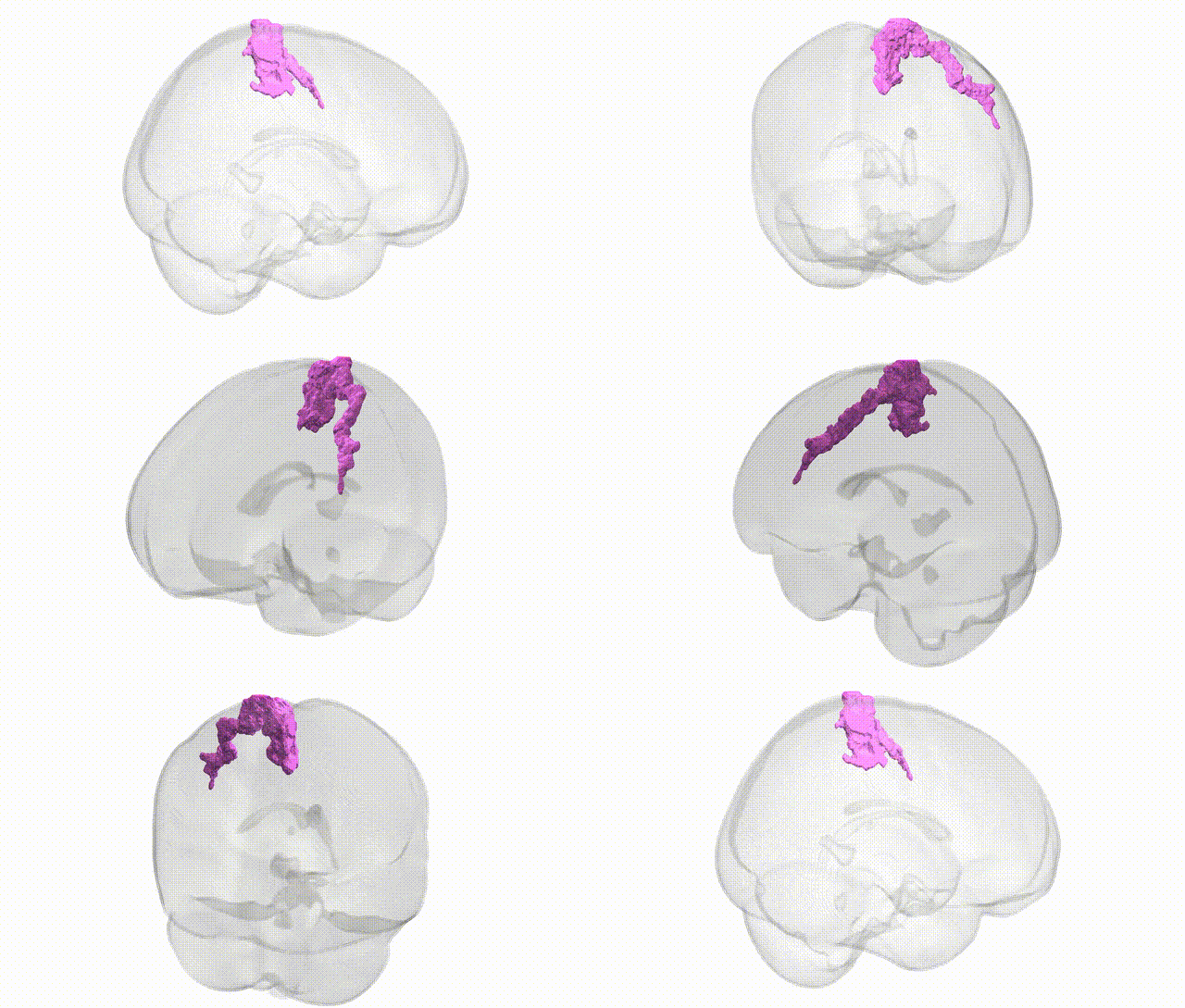
Full Quality Version: Download MP4
Wali Sidiqyar*, Gaurav Rudravaram*, Elyssa M. McMaster, Trent M. Schwartz, Adam M. Saunders, Kurt G. Schilling, Bennett A. Landman "Introducing SPINS: A Shared Public Visualization Library of Neuroanatomical Structures." Medical Imaging with Deep Learning- short paper
This resource is licensed under CC0 1.0 Universal (Public Domain).