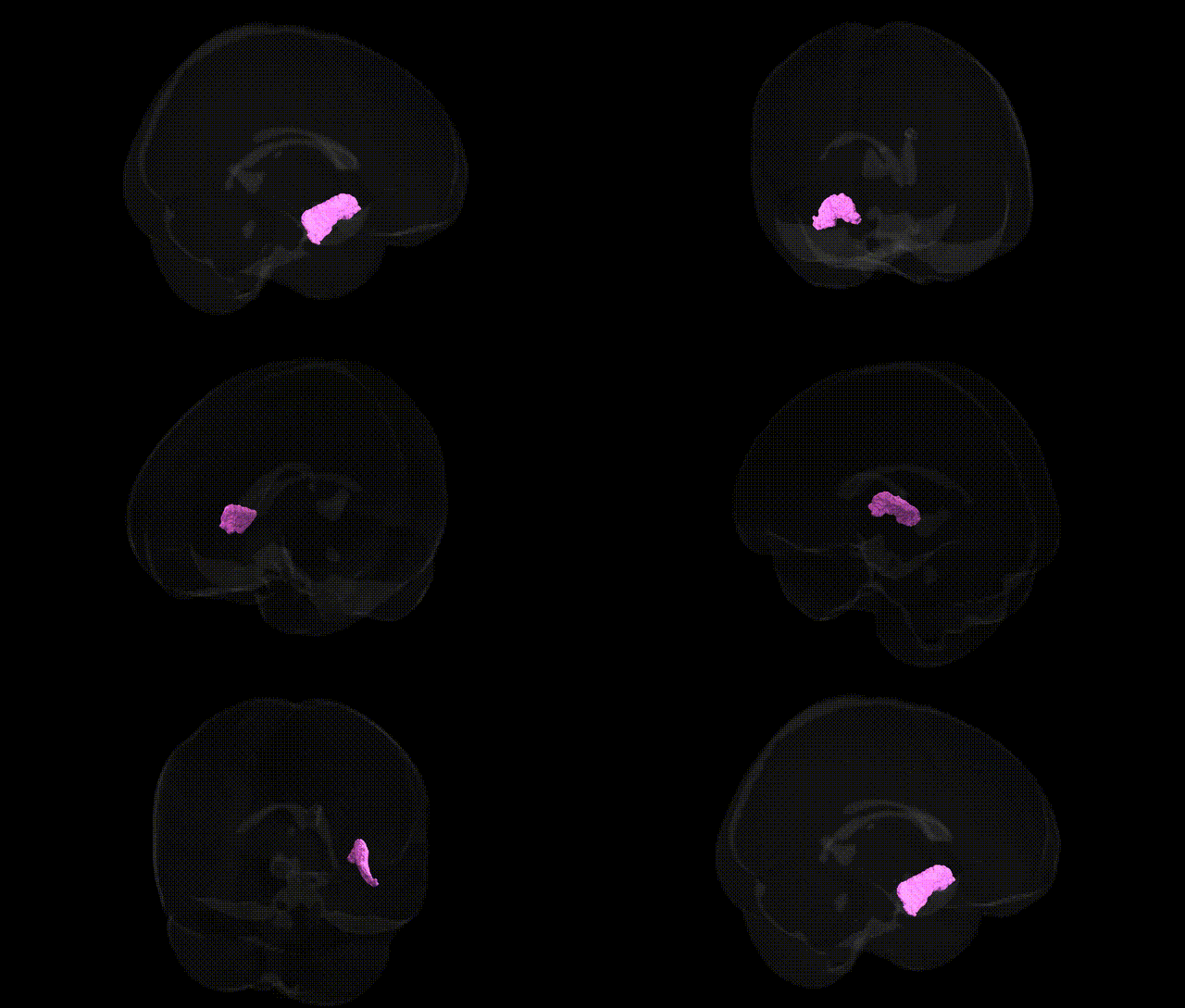
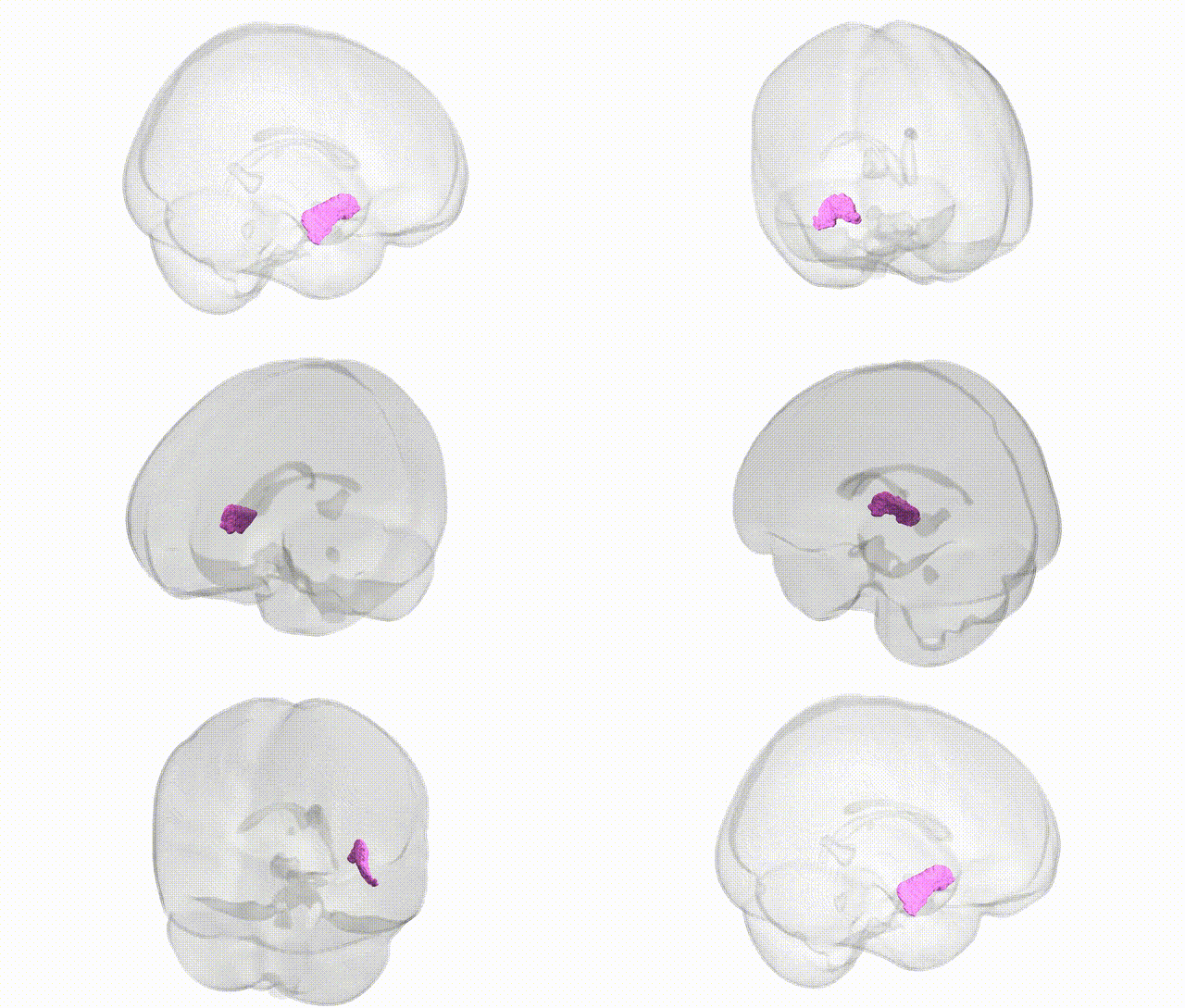
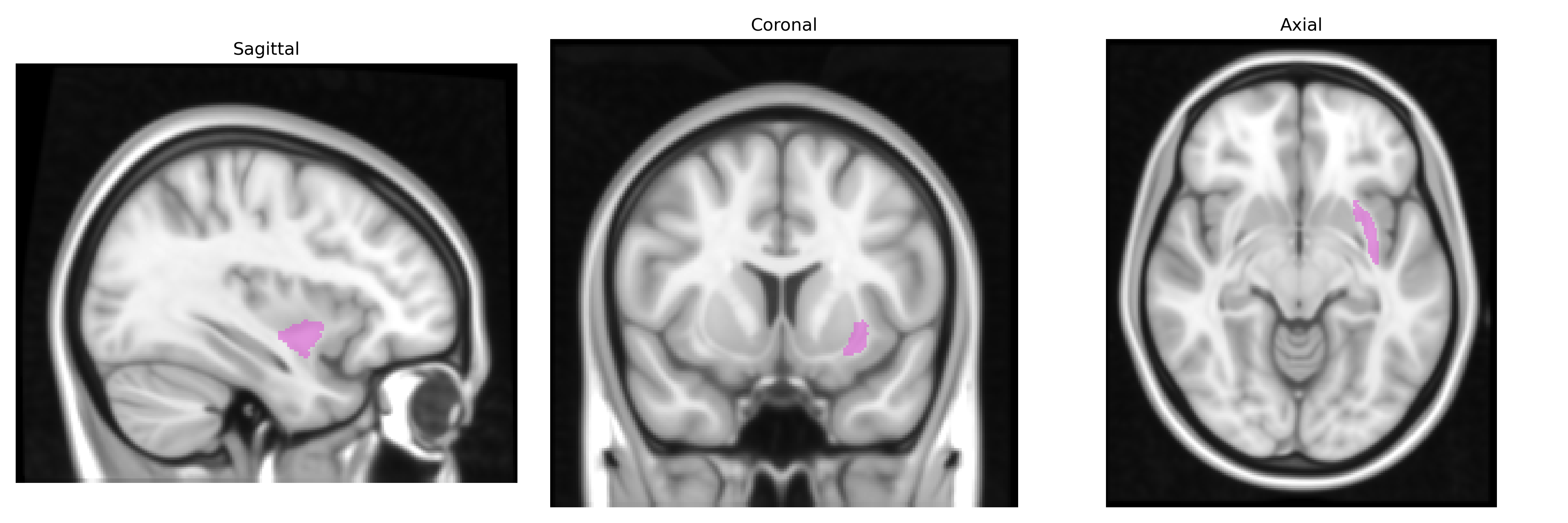
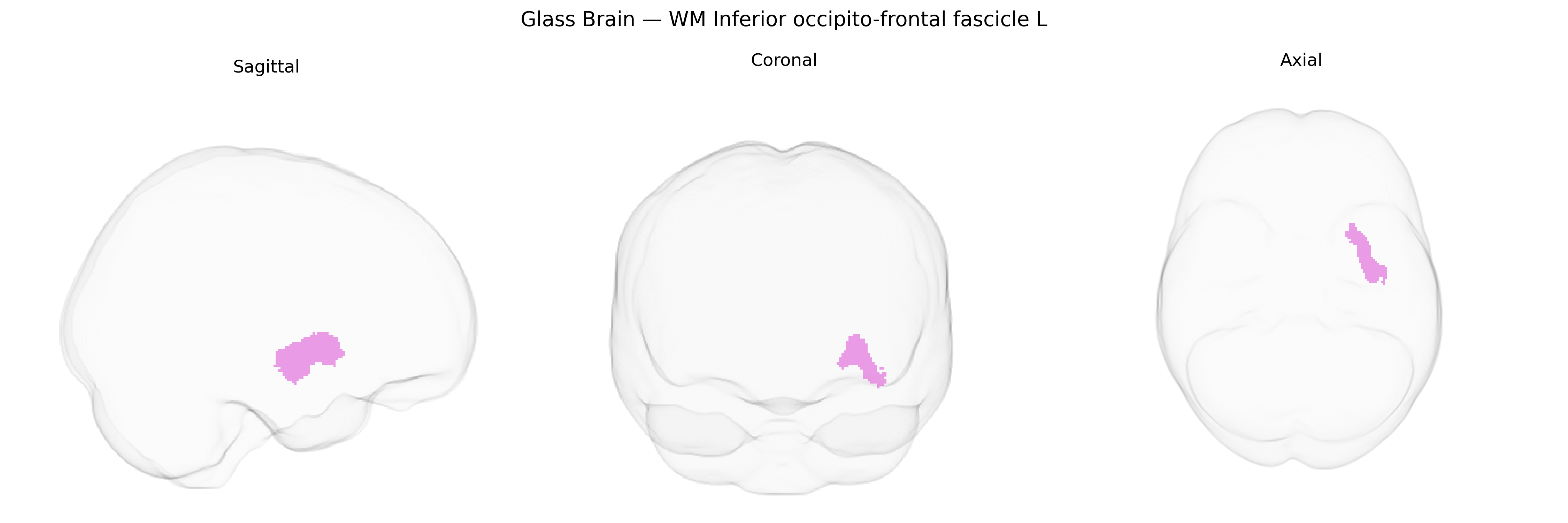
The bilateral WM Inferior occipito-frontal fascicle L in the Juelich maxprob thr25 1mm Atlas likely corresponds to the left inferior fronto-occipital fasciculus (IFOF), a major associative white matter tract connecting occipital and posterior temporal regions with frontal cortices via the ventral pathway. This tract runs deep within the cerebral hemispheres, passing through the external and extreme capsules, and is thought to support higher-order visual processing, semantic language functions, and integration of visual information with executive and linguistic processes. The IFOF plays a role in reading, object recognition, and comprehension, and lesions or disconnection in this pathway have been implicated in language and visual semantic deficits. There is no direct Wikipedia article for “Inferior occipito-frontal fascicle”; a related structure is the Inferior fronto-occipital fasciculus.
The bilateral inferior occipito-frontal fasciculus (often referred to within broader inferior fronto-occipital/long-range association fiber systems) has been implicated in genetic studies primarily through its microstructural properties (e.g., fractional anisotropy and mean diffusivity) in diffusion MRI GWAS and imaging-genetics work that treat white-matter tracts as endophenotypes for neuropsychiatric and cognitive traits. Large-scale GWAS from consortia such as ENIGMA and UK Biobank have identified common variants near genes involved in axon guidance, myelination, and synaptic development (including loci near OLIG2, MAG, CNTN4, and other neurodevelopmental genes) that influence microstructure in long association tracts encompassing this region, though associations are usually reported at the level of tract clusters rather than the specific Juelich parcel. Alterations in this fasciculus have been repeatedly linked, via imaging-genetics and polygenic risk score analyses, to schizophrenia, bipolar disorder, major depressive disorder, autism spectrum disorder, and ADHD, where genetic liability for these conditions correlates with reduced integrity of fronto-occipital and fronto-temporal association fibers. Cognitive GWAS leveraging regional diffusion metrics have associated genetic variation affecting this tract system with general intelligence, processing speed, reading and language abilities, and visual-spatial integration, consistent with its role in connecting occipital visual regions with frontal and temporal association cortex. Some risk variants for neurodevelopmental disorders and dyslexia show effects on white-matter microstructure in pathways overlapping the inferior occipito-frontal system, suggesting that genetically driven disruptions in axonal development and myelination in this region contribute to vulnerabilities in cognitive and psychiatric phenotypes, although direct, tract-specific genetic associations for the exact “WM Inferior occipito-frontal fascicle L” Juelich maxprob thr25 1mm label remain limited and are usually inferred from broader tract-based analyses rather than atlas-defined parcels.
Overview generated by GPT-4o (2026).
Region ID: 102
Hemisphere: bilateral
Atlas: Juelich maxprob thr25 1mm
Full Quality Version: Download MP4
Full Quality Version: Download MP4
Wali Sidiqyar*, Gaurav Rudravaram*, Elyssa M. McMaster, Trent M. Schwartz, Adam M. Saunders, Kurt G. Schilling, Bennett A. Landman "Introducing SPINS: A Shared Public Visualization Library of Neuroanatomical Structures." Medical Imaging with Deep Learning- short paper
This resource is licensed under CC0 1.0 Universal (Public Domain).