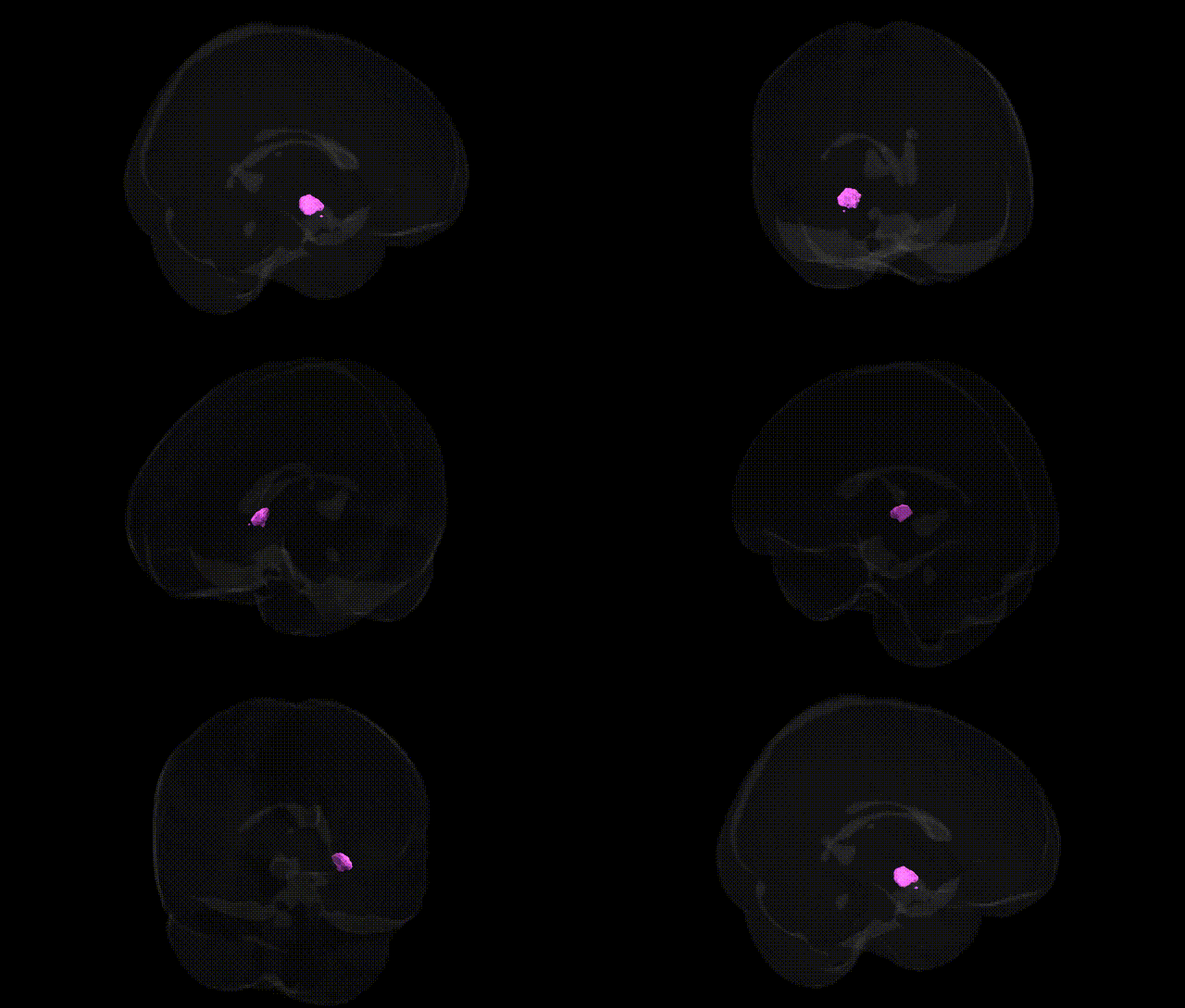
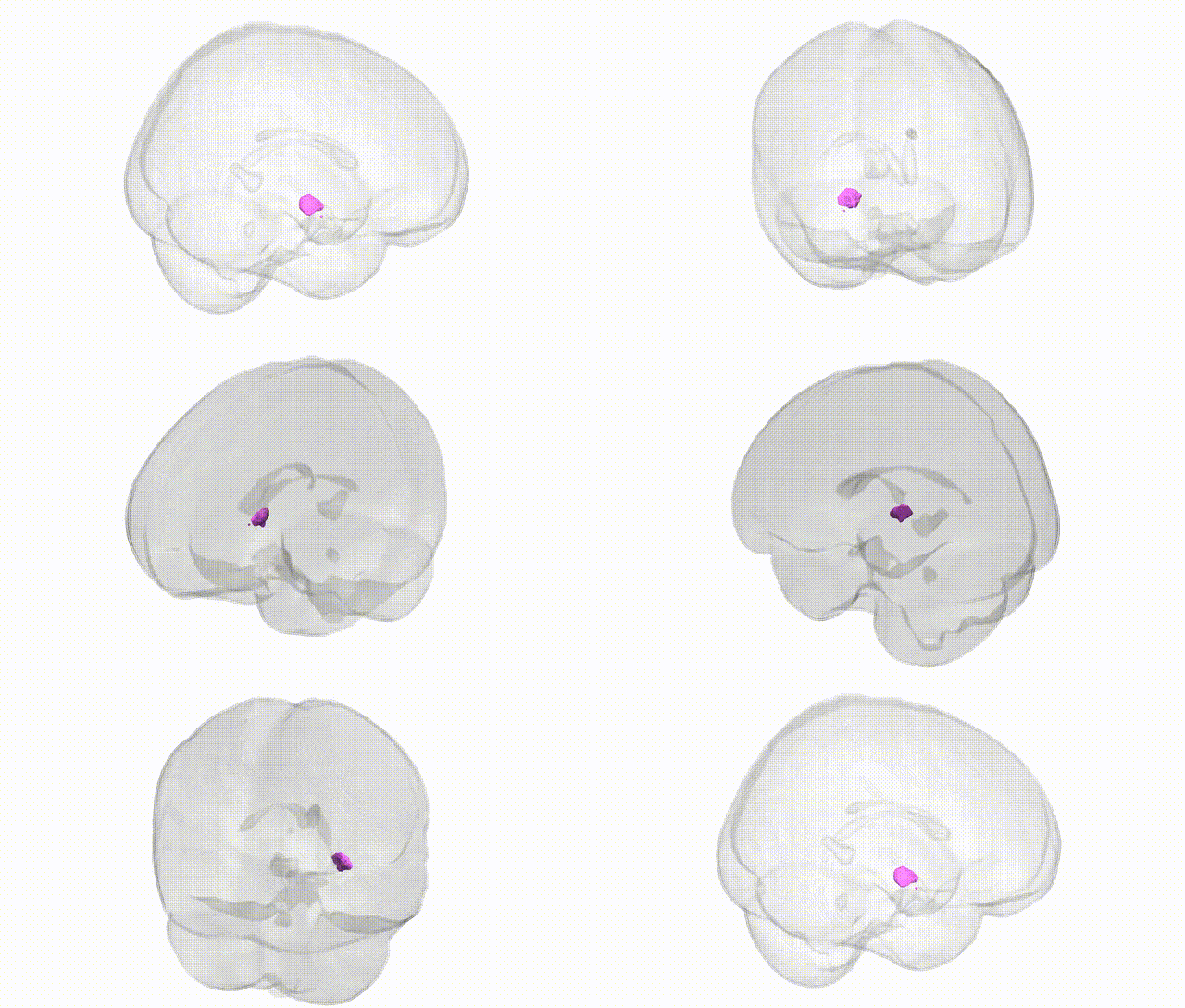
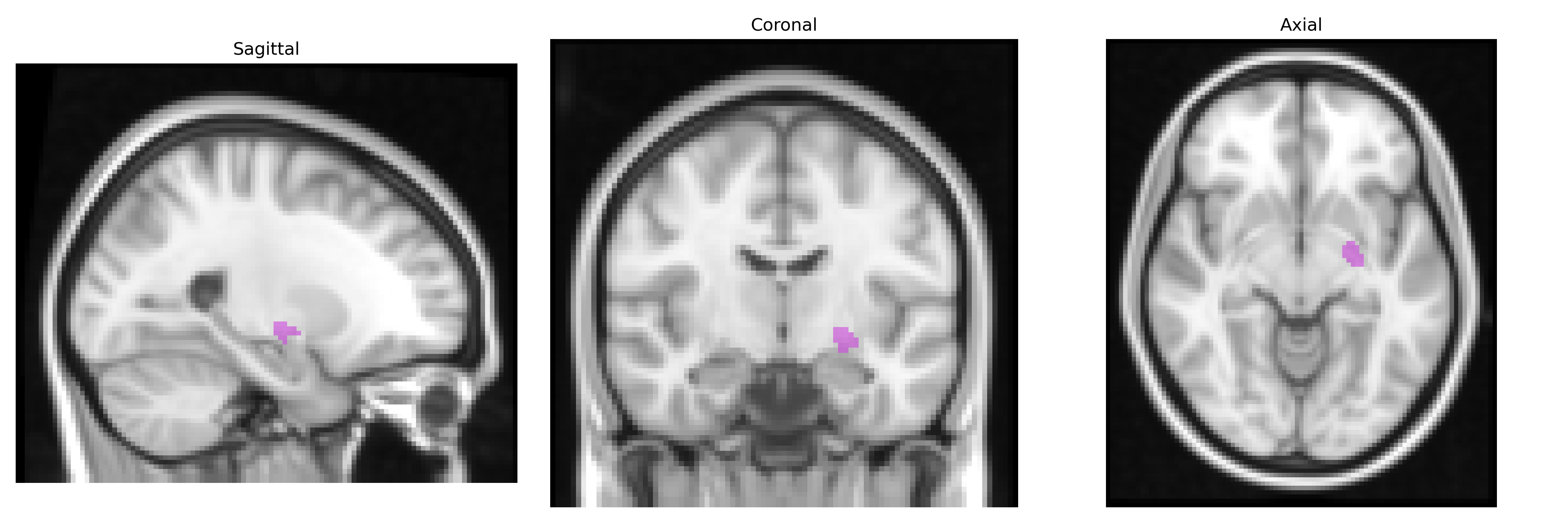
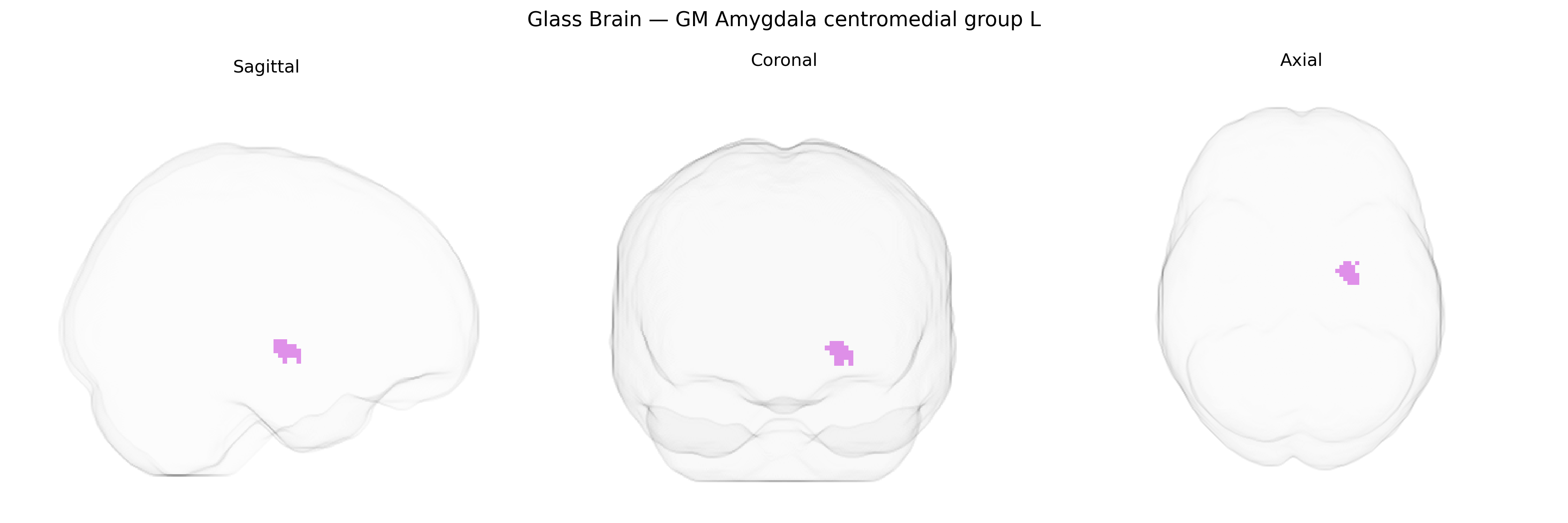
The bilateral GM Amygdala centromedial group L, as defined in the Juelich maxprob thr25 2mm atlas, corresponds to the left centromedial nuclei complex of the amygdala, a key subcortical gray-matter region in the medial temporal lobe. This group comprises primarily the medial and central nuclei, which are heavily interconnected with hypothalamic, brainstem, and basal forebrain structures and play a central role in orchestrating autonomic, endocrine, and innate behavioral responses to emotionally salient stimuli, especially threat-related cues. Functionally, the centromedial amygdala serves as a major output hub, translating sensory and contextual information from other amygdalar nuclei into patterned responses such as modulation of heart rate, hormonal stress responses via the hypothalamic–pituitary–adrenal (HPA) axis, and defensive behaviors, and is critically involved in fear conditioning, aggression, and social behavior. There is no direct Wikipedia article for the centromedial group as defined in the Juelich atlas; a closely related structure and encompassing region is the Amygdala.
The centromedial amygdala (CeM) of the Juelich atlas’ bilateral GM Amygdala centromedial group L region, while not typically isolated in GWAS at fine-grained parcellation levels, has been implicated through imaging–genetics and large-scale consortia studies as a key node in genetic influences on threat processing, anxiety, and affective regulation. Polygenic risk for major depressive disorder, bipolar disorder, schizophrenia, and post-traumatic stress disorder has been associated with altered amygdala volume and reactivity, with the CeM contributing to these effects as part of the broader amygdaloid complex. Variants in serotonergic (e.g., SLC6A4/5-HTTLPR), glutamatergic (e.g., GRM3), and neurotrophic (e.g., BDNF Val66Met) pathways, as well as genome-wide significant loci from large psychiatric GWAS (e.g., in CACNA1C, DRD2, and immune-related genes such as within the MHC region), have shown convergent associations with amygdala structure and function, including enhanced responsivity to emotional faces and heightened fear conditioning that are thought to particularly involve centromedial output nuclei. Additionally, imaging–genetic studies link common variants influencing hypothalamic–pituitary–adrenal (HPA) axis regulation (e.g., FKBP5, NR3C1) to CeM-related circuitry, consistent with roles in stress responsivity and internalizing traits. Although few GWAS identify the CeM alone as a primary structural endpoint, converging genetic evidence from psychiatric risk loci, polygenic scores, and candidate gene work indicates that this region participates in heritable vulnerability to mood and anxiety disorders, individual differences in trait anxiety and neuroticism, and variability in autonomic and endocrine responses to threat.
Overview generated by GPT-4o (2026).
Region ID: 7
Hemisphere: bilateral
Atlas: Juelich maxprob thr25 2mm
Full Quality Version: Download MP4
Full Quality Version: Download MP4
Wali Sidiqyar*, Gaurav Rudravaram*, Elyssa M. McMaster, Trent M. Schwartz, Adam M. Saunders, Kurt G. Schilling, Bennett A. Landman "Introducing SPINS: A Shared Public Visualization Library of Neuroanatomical Structures." Medical Imaging with Deep Learning- short paper
This resource is licensed under CC0 1.0 Universal (Public Domain).