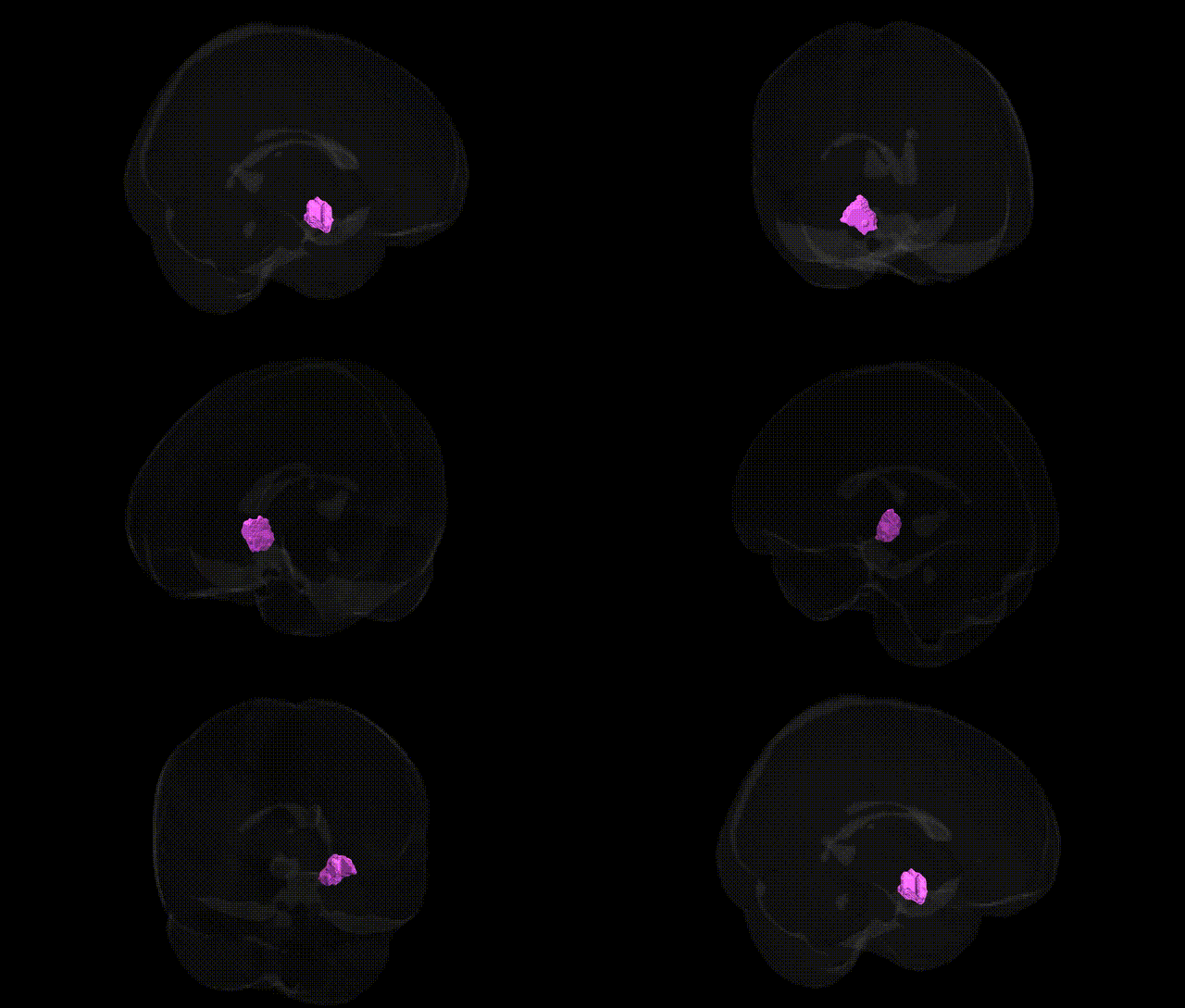
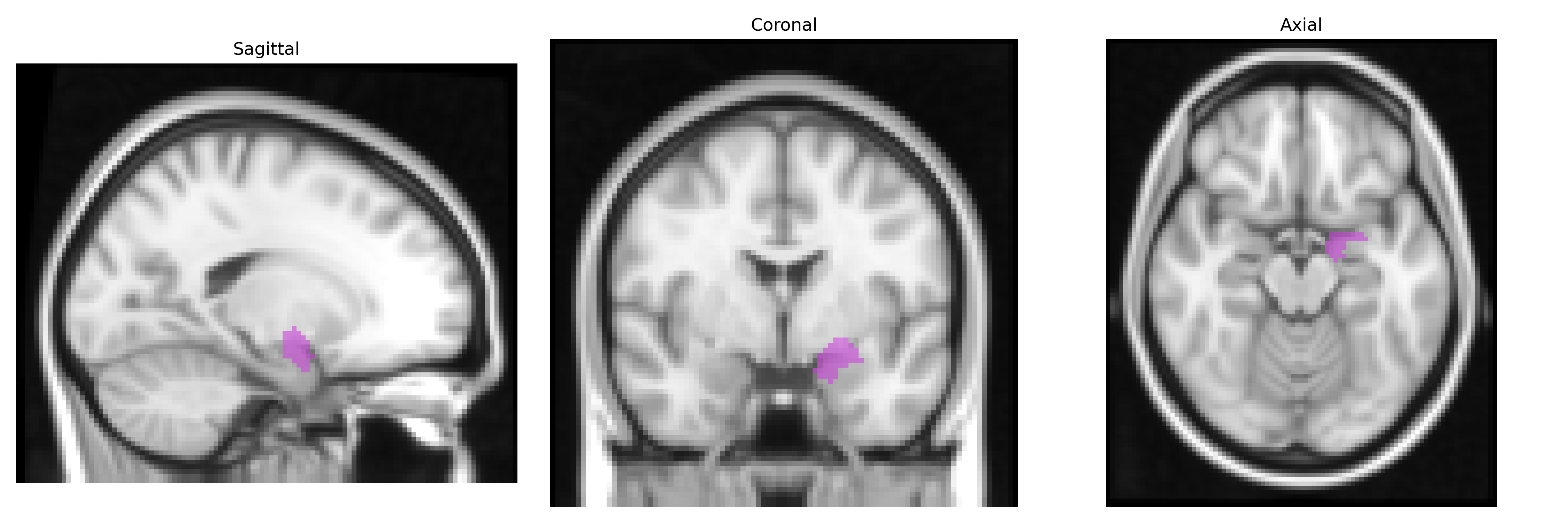
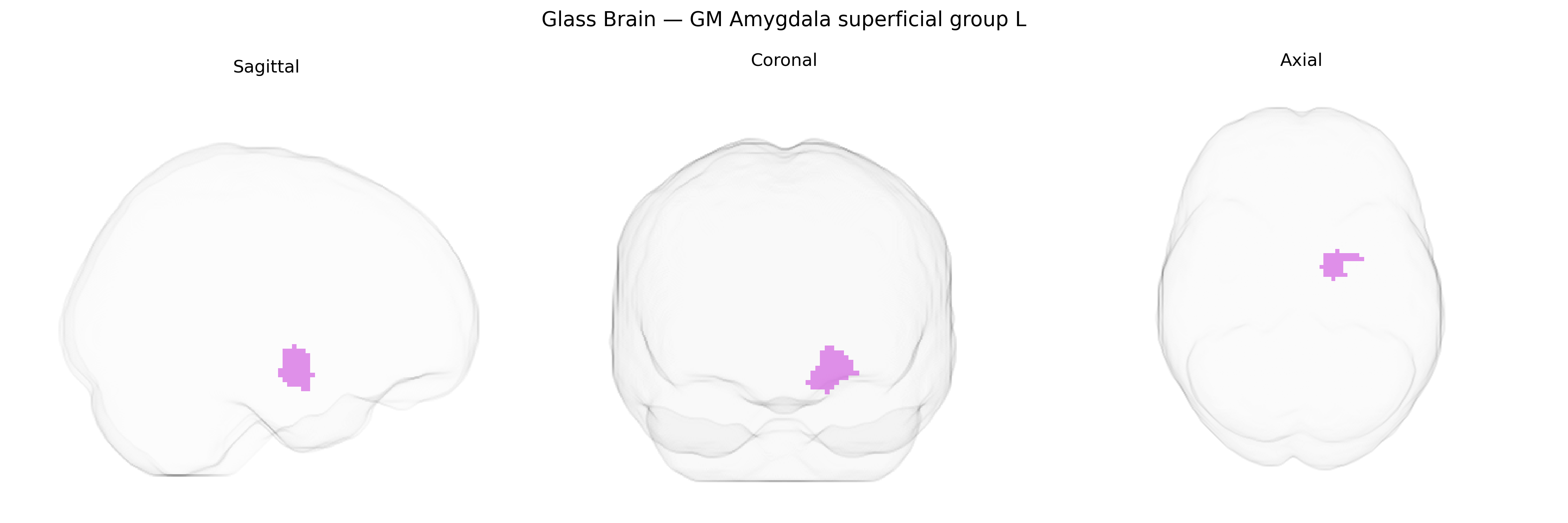
The bilateral GM Amygdala superficial group L (from the Juelich maxprob thr25 2mm Atlas) refers to gray matter in the left superficial group of amygdaloid nuclei, located within the medial temporal lobe and embedded in the anterior portion of the temporal cortex. This group comprises nuclei such as the cortical and periamygdaloid areas, which are heavily interconnected with olfactory regions and limbic structures, and are implicated in socio-emotional processing, emotional memory, and integration of sensory (particularly olfactory) information with affective states. As part of the broader amygdala complex, the superficial group contributes to evaluation of social cues and modulation of autonomic and behavioral responses to emotionally salient stimuli. There is no direct Wikipedia article for the “superficial group” specifically; a closely related structure is the Amygdala.
Genetic associations involving the superficial (corticoid) group of the amygdala, including the bilateral GM Amygdala superficial group L region as defined in the Juelich maxprob thr25 2 mm atlas, arise primarily from imaging–genetics and GWAS of amygdala volume, morphology, and function rather than from this parcel specifically. Large-scale GWAS of subcortical volumes (e.g., ENIGMA, UK Biobank–based studies) have identified loci in or near genes such as SLC39A8, FTO, APOE, HRK, and variants in immune- and neurodevelopment-related genes that influence amygdala volume, with effects often bilaterally and across amygdaloid subnuclei. Polygenic risk scores for major depressive disorder, schizophrenia, bipolar disorder, autism spectrum disorder, and anxiety-related traits have been associated with altered amygdala volume or reactivity, with some work suggesting distinct genetic influences on superficial versus basolateral/centromedial groups due to their differential connectivity with olfactory, limbic, and prefrontal networks. GWAS of anxiety, neuroticism, and post-traumatic stress disorder have implicated loci (e.g., in CRHR1, FKBP5, ADCYAP1R1, and serotonin and glutamate system genes) that modulate amygdala reactivity and fear conditioning, which functionally involve the superficial group as part of circuits for emotional salience and social/olfactory processing. Although atlas-based labels like the Juelich “Amygdala superficial group L” are rarely used as the primary genetic phenotype, converging evidence indicates that common variation affecting neurodevelopment, stress response, synaptic plasticity, and lipid metabolism contributes to structural and functional variability in this region and links it to risk for internalizing disorders, stress-related psychopathology, and broader affective traits.
Overview generated by GPT-4o (2026).
Region ID: 11
Hemisphere: bilateral
Atlas: Juelich maxprob thr25 2mm
Full Quality Version: Download MP4
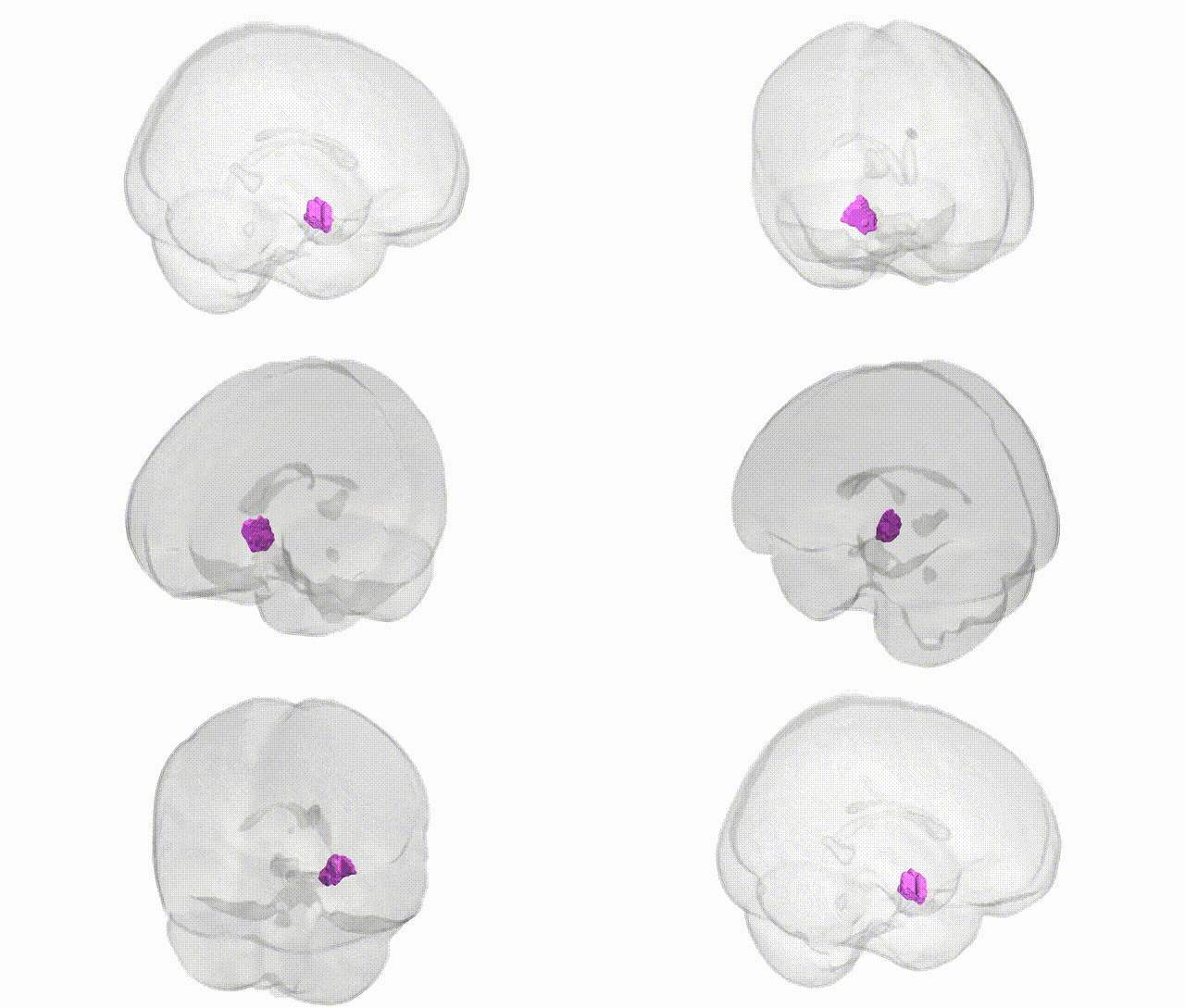
Full Quality Version: Download MP4
Wali Sidiqyar*, Gaurav Rudravaram*, Elyssa M. McMaster, Trent M. Schwartz, Adam M. Saunders, Kurt G. Schilling, Bennett A. Landman "Introducing SPINS: A Shared Public Visualization Library of Neuroanatomical Structures." Medical Imaging with Deep Learning- short paper
This resource is licensed under CC0 1.0 Universal (Public Domain).