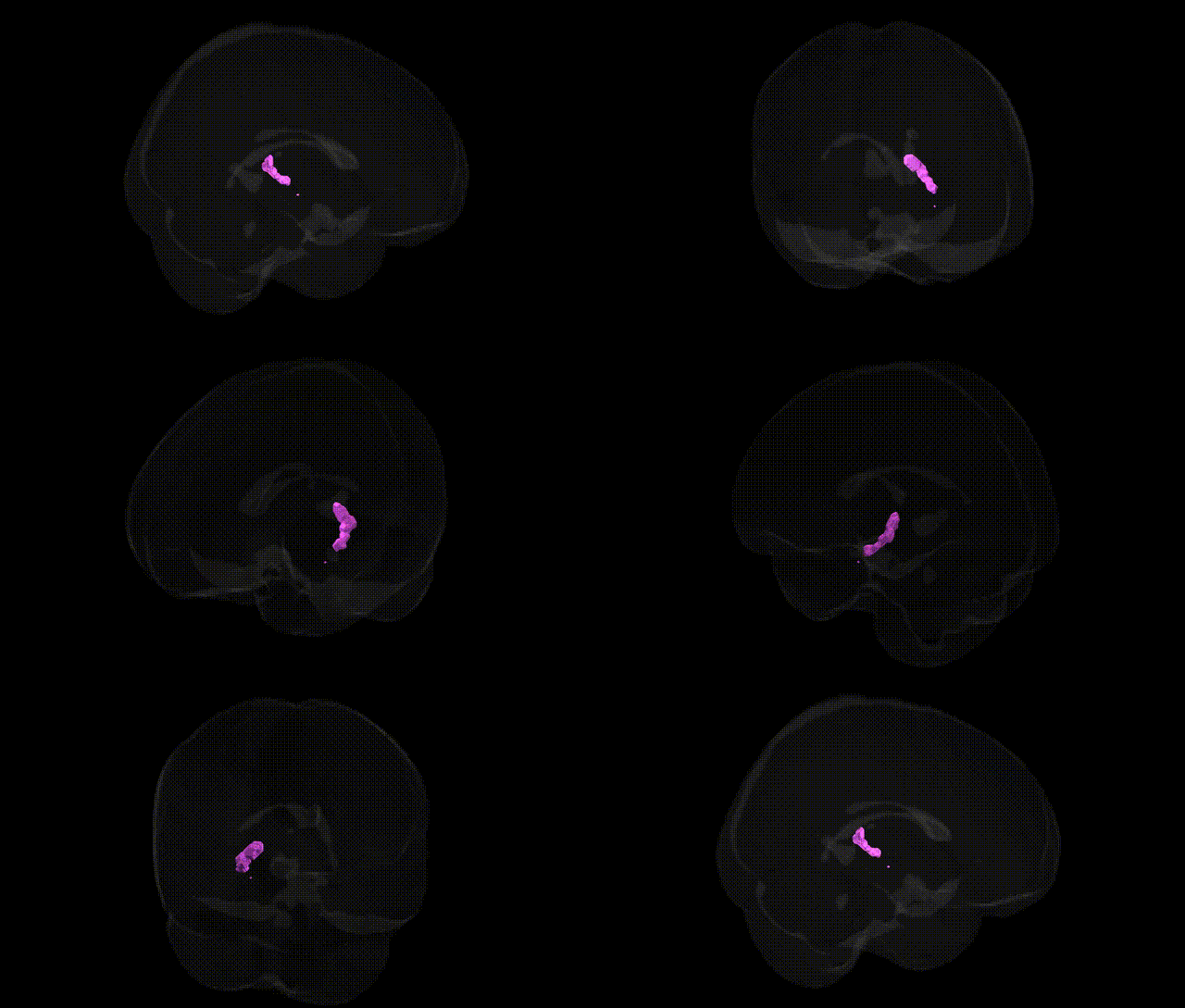
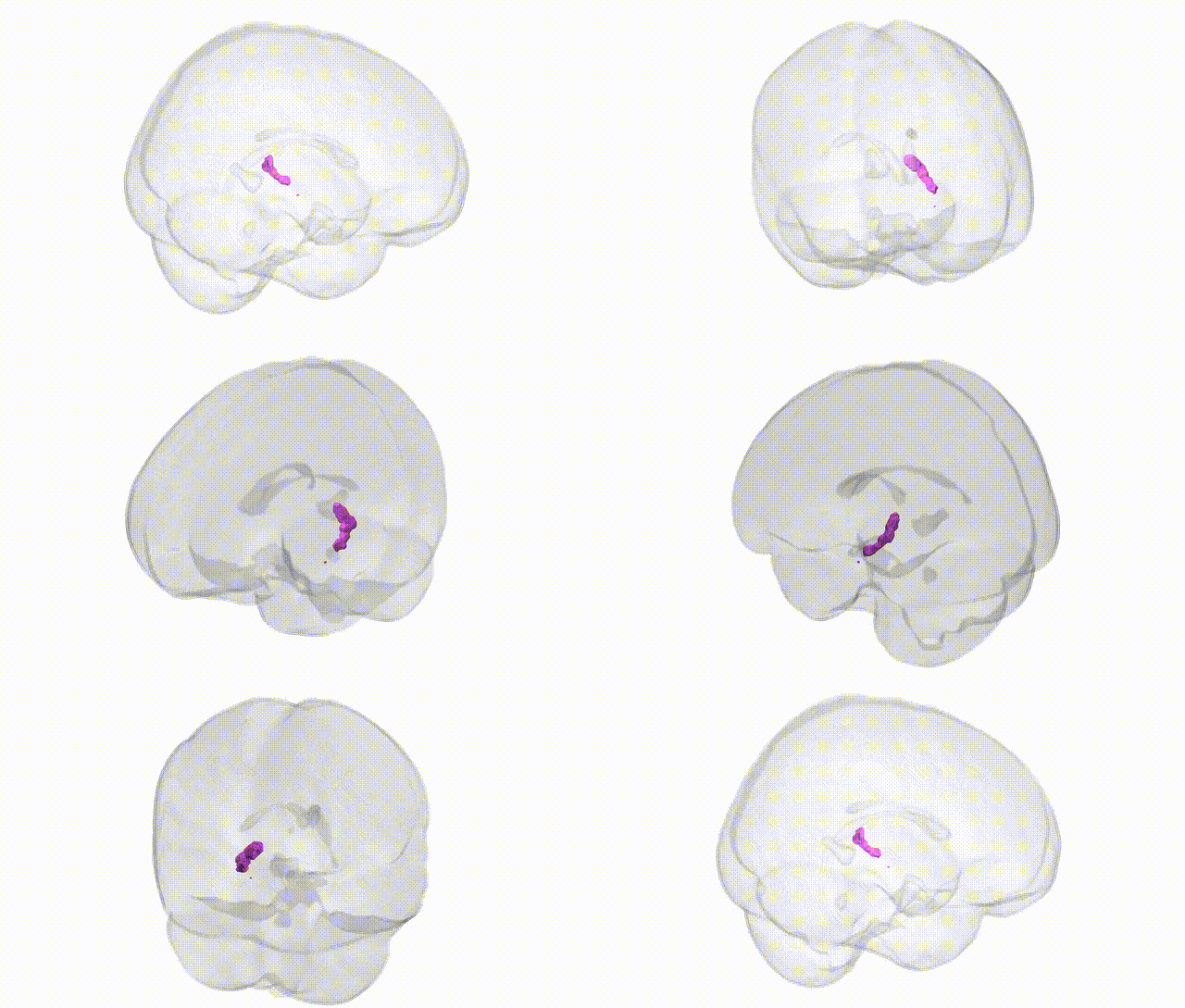
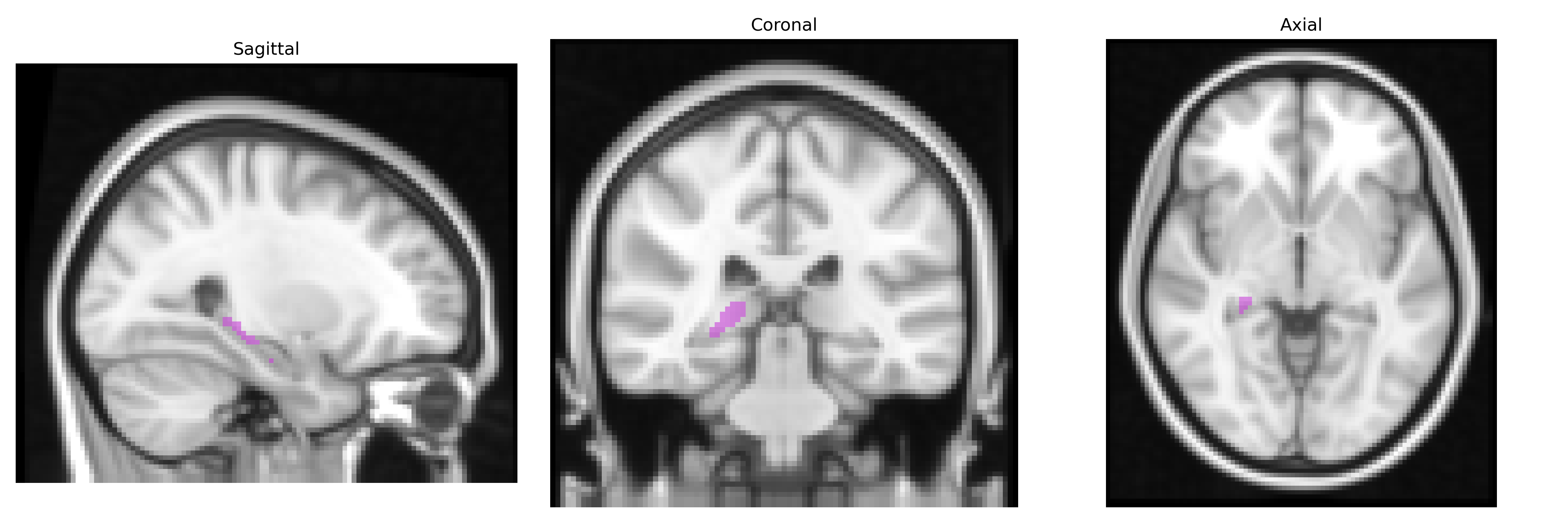
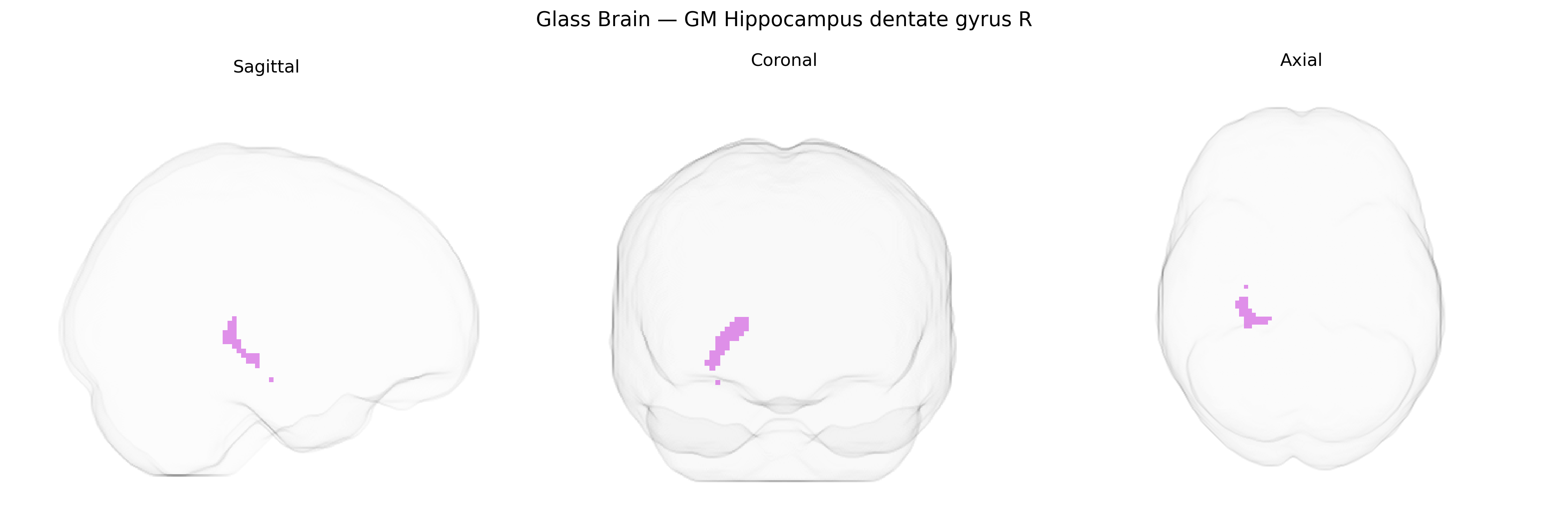
The bilateral GM Hippocampus dentate gyrus R, as defined in the Juelich maxprob thr25 2mm Atlas, corresponds to the right dentate gyrus of the hippocampal formation, a laminated gray-matter structure critical for episodic memory, spatial navigation, and pattern separation. It forms the primary input gateway to the hippocampus, receiving afferents predominantly from layer II of the entorhinal cortex via the perforant path, and projecting mossy fibers to CA3 pyramidal neurons. Histologically, it is characterized by densely packed granule cells organized into a C-shaped granule cell layer, flanked by the molecular and polymorphic (hilus) layers. The dentate gyrus is one of the few regions in the adult mammalian brain where robust adult neurogenesis has been documented, particularly within the subgranular zone, and is implicated in stress regulation and affective processes through its role in hippocampal–hypothalamic and hippocampal–prefrontal circuitry. There is no direct Wikipedia article specifically for the dentate gyrus subfield as labeled in this atlas; a closely related structure is the Hippocampus.
Genetic associations for the right dentate gyrus of the hippocampus, as defined in the Juelich maxprob thr25 2mm atlas, largely mirror those found for hippocampal structure and function more generally, with several genome-wide association studies implicating variants near or within genes such as SLC4A10, MSRB3, DPP4, WIF1, and loci in the 12q24 and 2q24 regions in individual differences in hippocampal volume, subfield morphology, and related cognitive traits. Large ENIGMA and UK Biobank–based GWAS of hippocampal subfields have identified polygenic influences on dentate gyrus volume and shape, including contributions from pathways involved in neurogenesis, synaptic plasticity, glutamatergic and GABAergic signaling, and extracellular matrix remodeling. These genetic effects overlap with risk architectures for disorders in which the dentate gyrus is strongly implicated, including Alzheimer’s disease (e.g., APOE, CLU, and other AD risk loci showing correlated effects on hippocampal atrophy), major depressive disorder and stress-related phenotypes (with variants in BDNF, FKBP5, and HPA axis genes influencing dentate gyrus–linked neurogenesis and stress reactivity), and schizophrenia and other psychotic disorders (where polygenic risk scores and loci such as those in the MHC region, CACNA1C, and GRM3 have been associated with hippocampal volume reductions and altered subfield connectivity). Additional associations have been reported for general cognitive ability, memory performance, and educational attainment, where polygenic scores for these traits correlate with dentate gyrus and broader hippocampal morphology, indicating that the bilateral dentate gyrus, including the right side, is a convergent target of genetic architectures spanning neurodegeneration, psychiatric disease, and normal variation in memory and cognition.
Overview generated by GPT-4o (2026).
Region ID: 22
Hemisphere: bilateral
Atlas: Juelich maxprob thr25 2mm
Full Quality Version: Download MP4
Full Quality Version: Download MP4
Wali Sidiqyar*, Gaurav Rudravaram*, Elyssa M. McMaster, Trent M. Schwartz, Adam M. Saunders, Kurt G. Schilling, Bennett A. Landman "Introducing SPINS: A Shared Public Visualization Library of Neuroanatomical Structures." Medical Imaging with Deep Learning- short paper
This resource is licensed under CC0 1.0 Universal (Public Domain).