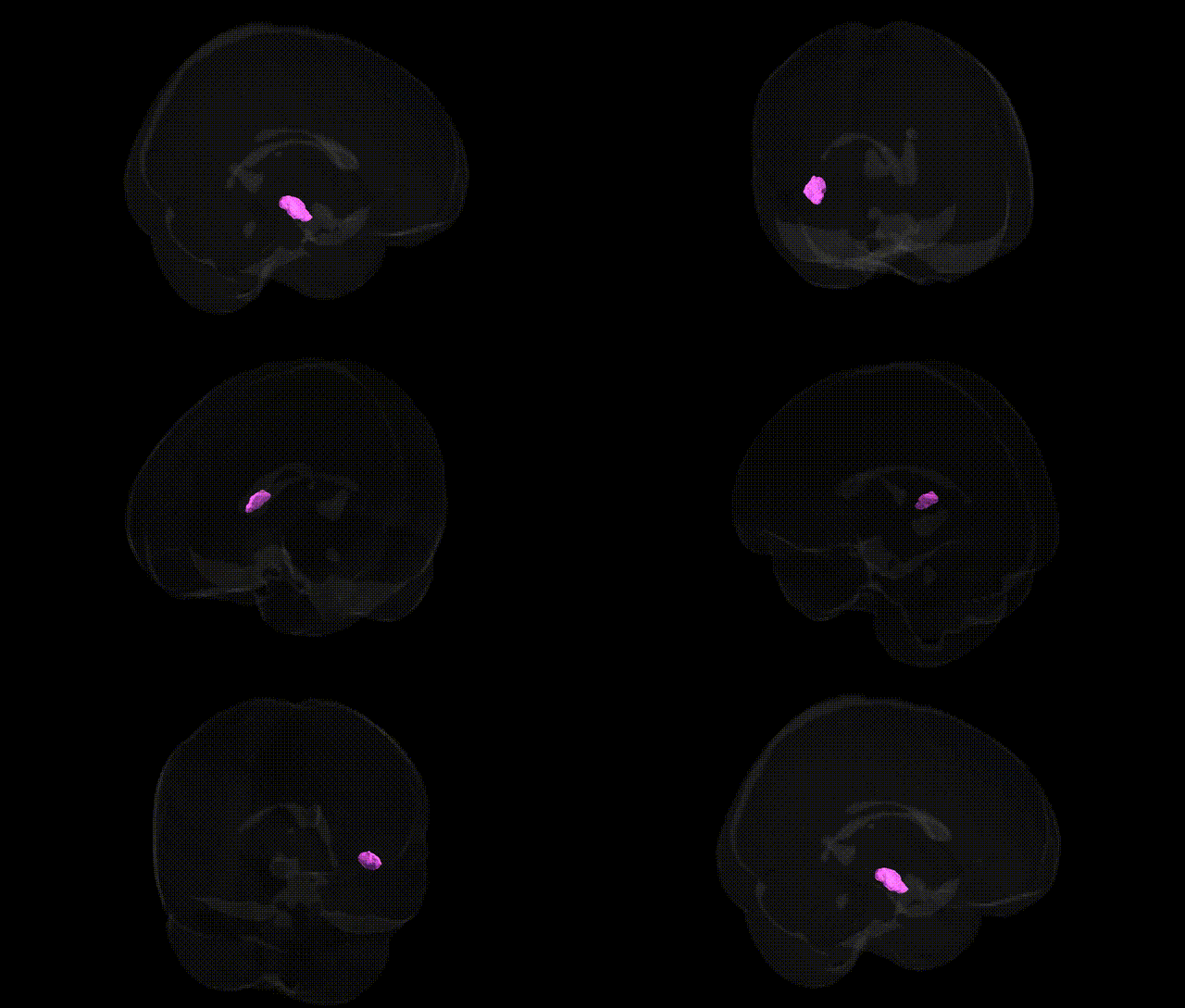
The bilateral GM Insula Id1 L region, as defined in the Juelich maxprob thr25 2mm Atlas, corresponds to a left-hemispheric granular insular subdivision implicated in multimodal sensory integration, interoceptive processing, and higher-order functional coupling with limbic and frontal networks. Cytoarchitectonically, it is characterized by a dense granular layer IV and distinct lamination patterns typical of posterior insular cortex, receiving convergent inputs from thalamic nuclei and associational cortical regions and projecting to fronto-parietal and limbic structures involved in autonomic regulation, affective processing, and salience detection. Functionally, this region forms part of the broader insular complex engaged in the integration of visceral, somatosensory, and nociceptive signals, contributing to conscious interoceptive awareness and the coordination of behavioral responses to internal and external stimuli. There is no direct Wikipedia article for “Insula Id1”; a related structure is the insular cortex: Insular cortex.
The bilateral GM Insula Id1 L region in the Juelich maxprob thr25 2mm Atlas corresponds largely to anterior-mid insular cortex, a hub in salience, interoceptive, and affective networks, for which genetic associations have been inferred primarily through imaging genetics and large GWAS of brain structure and function. Twin and SNP-heritability studies show moderate heritability of insular volume and cortical thickness, with common variants across the genome (notably in neurodevelopmental and synaptic genes such as those near MIR-137, FGFR3, and NCAM1) contributing polygenically rather than through single, large-effect loci. Multimodal GWAS meta-analyses (e.g., ENIGMA, UK Biobank) have identified insula-related associations with psychiatric and behavioral traits, including major depressive disorder, schizophrenia, bipolar disorder, anxiety, and substance use, typically via shared polygenic architectures where risk alleles for these disorders correlate with altered insular volume, connectivity, or activation. Furthermore, insular structural and functional markers influenced by common variants have been linked to pain sensitivity, interoceptive accuracy, alexithymia-related traits, and autonomic regulation, while neurodegenerative and vascular risk genes (such as APOE and variants associated with small vessel disease) show indirect associations through patterns of insular atrophy or lesion load. However, no robust GWAS has identified a set of genetic variants uniquely or specifically associated with the Juelich-defined GM Insula Id1 L subdivision; rather, the region participates in broader insular and fronto-limbic circuits whose structure and function reflect highly polygenic, pleiotropic influences shared across multiple neuropsychiatric and behavioral phenotypes.
Overview generated by GPT-4o (2026).
Region ID: 116
Hemisphere: bilateral
Atlas: Juelich maxprob thr25 2mm
Full Quality Version: Download MP4
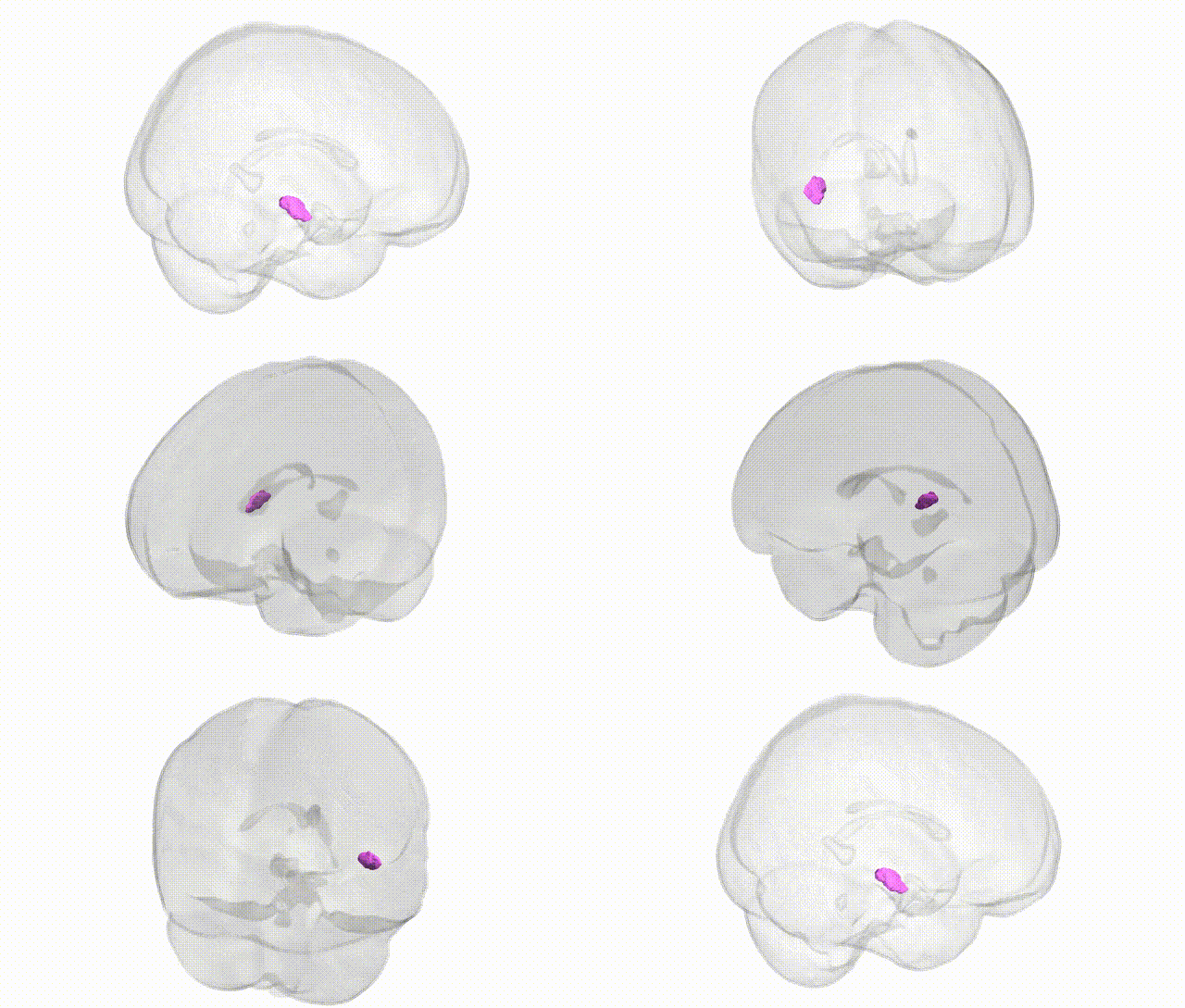
Full Quality Version: Download MP4
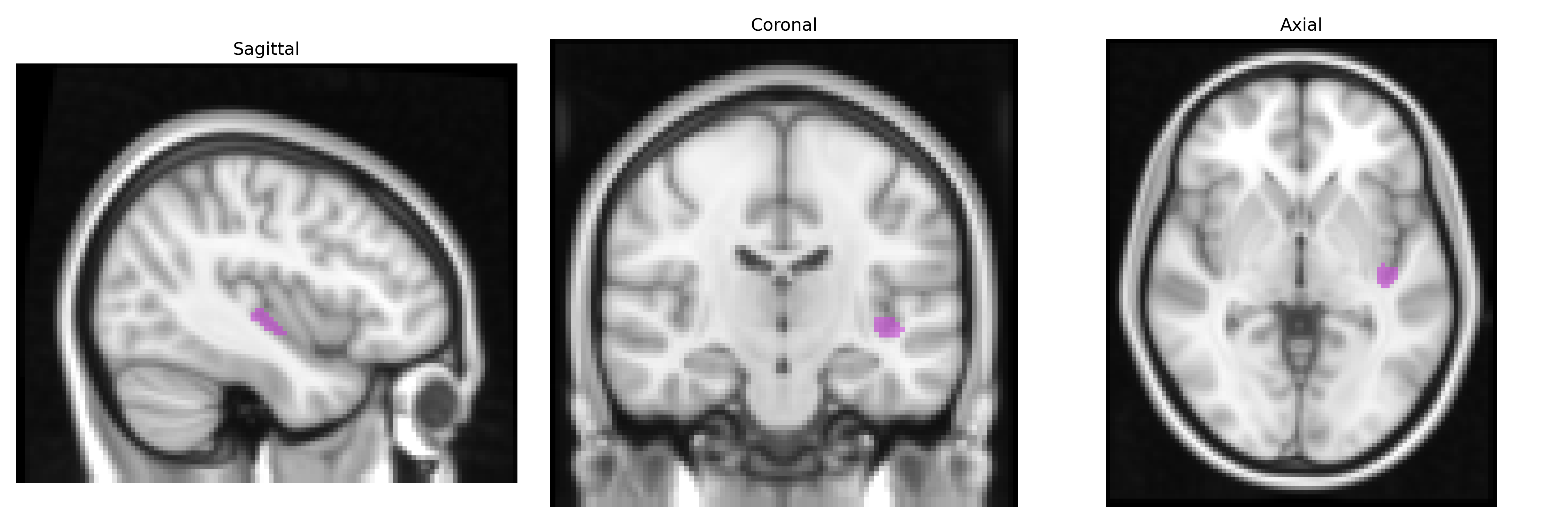
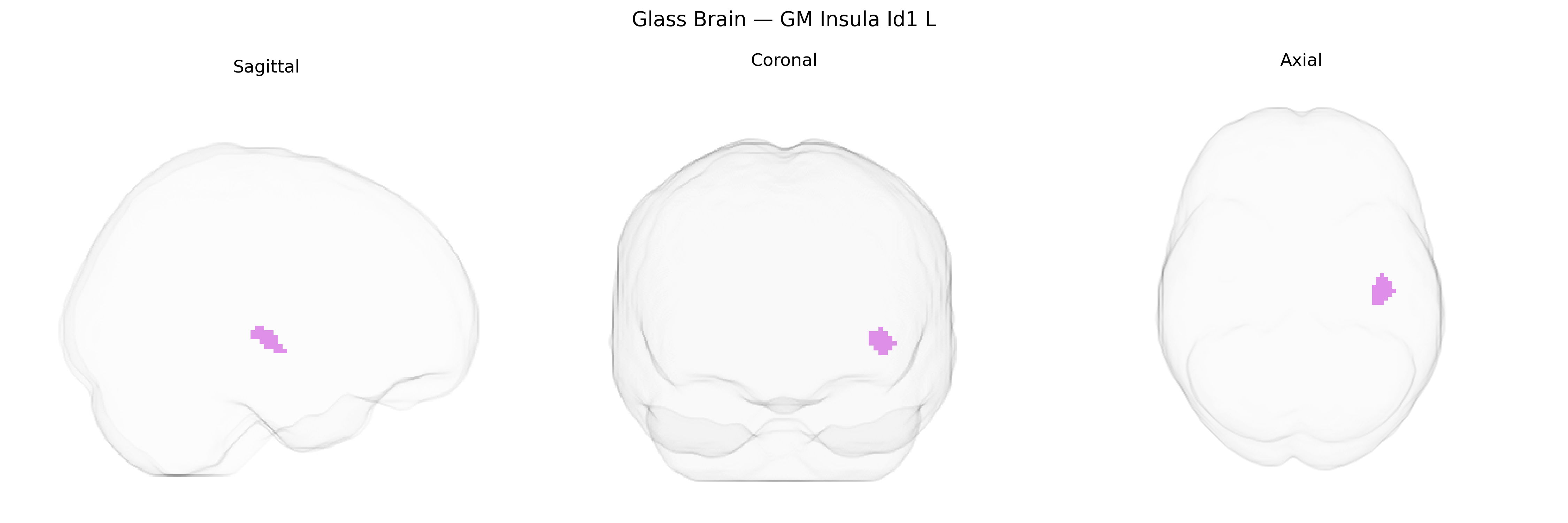
Wali Sidiqyar*, Gaurav Rudravaram*, Elyssa M. McMaster, Trent M. Schwartz, Adam M. Saunders, Kurt G. Schilling, Bennett A. Landman "Introducing SPINS: A Shared Public Visualization Library of Neuroanatomical Structures." Medical Imaging with Deep Learning- short paper
This resource is licensed under CC0 1.0 Universal (Public Domain).