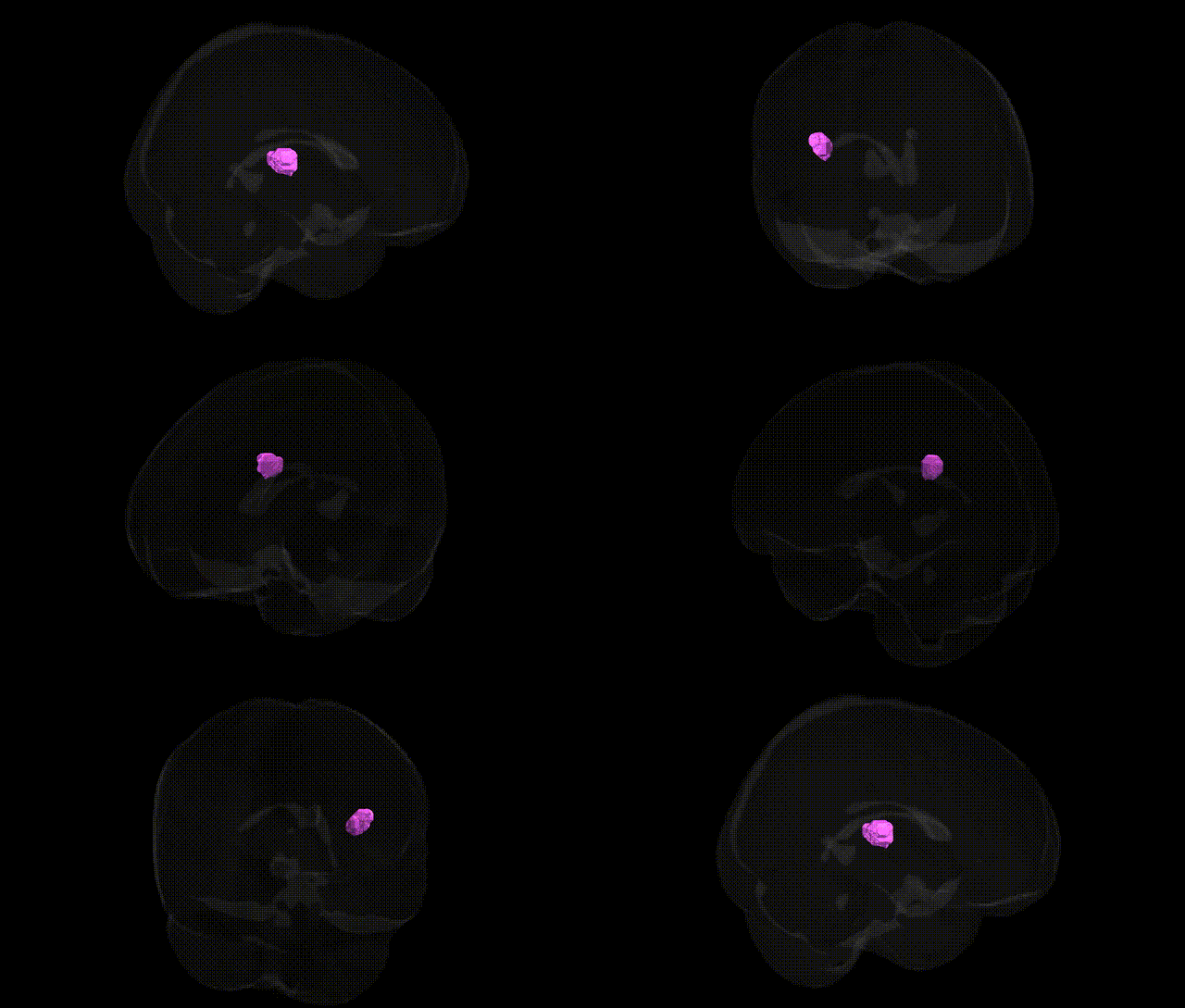
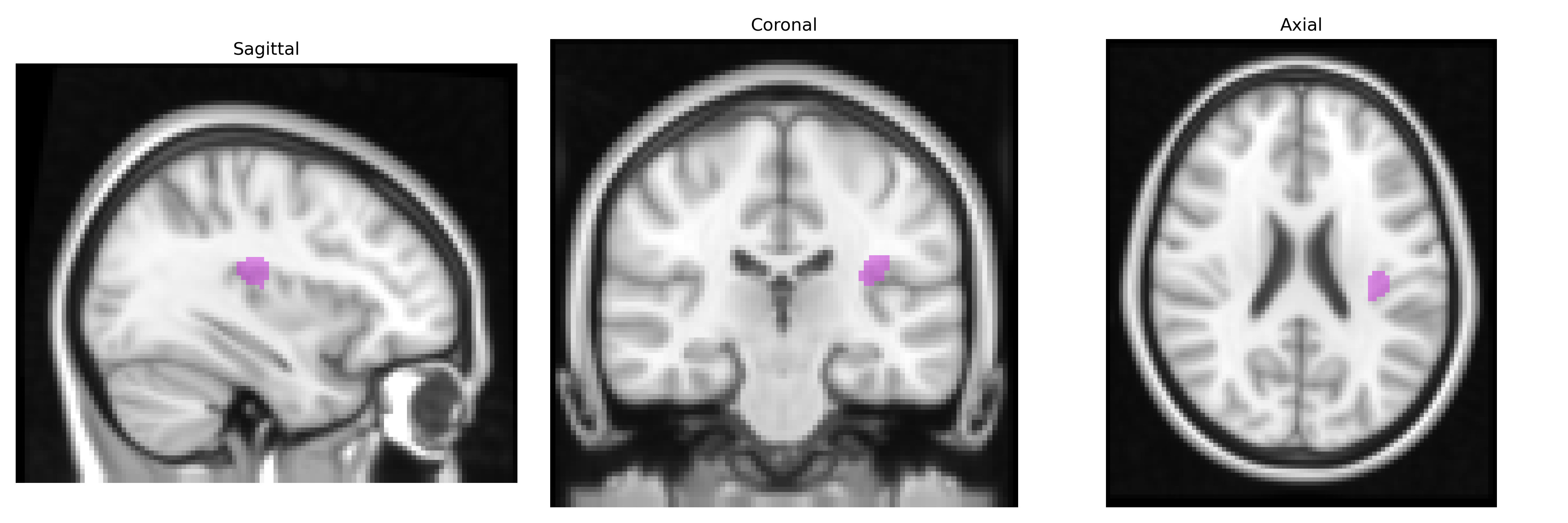
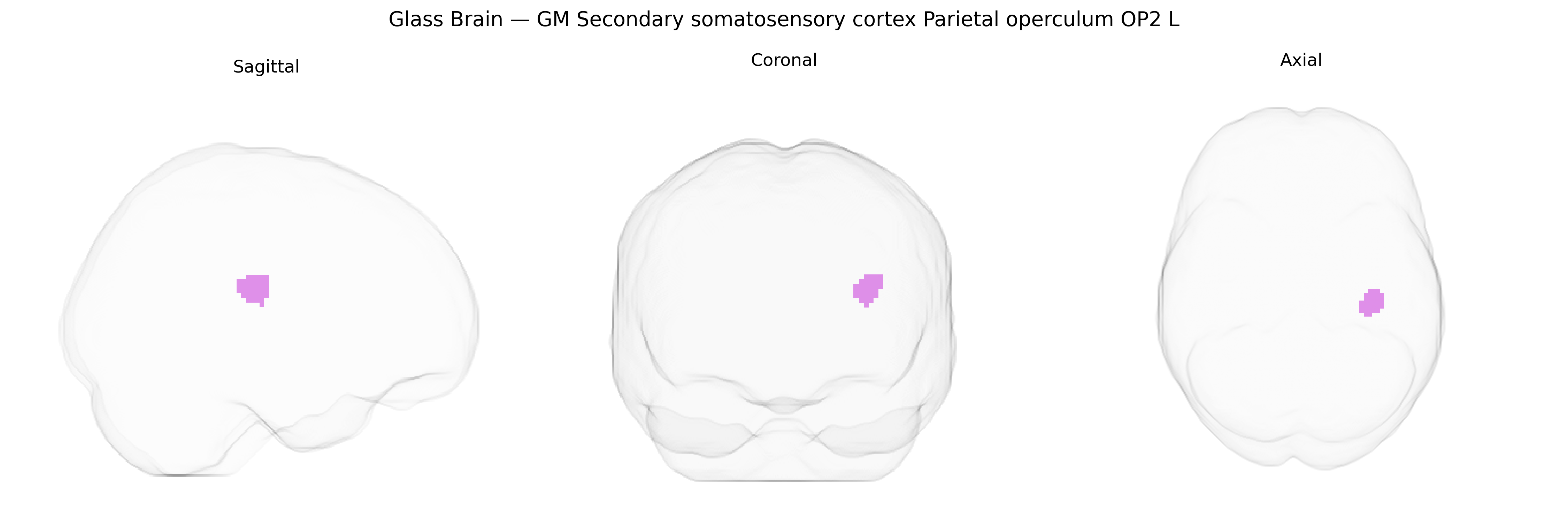
The bilateral GM Secondary somatosensory cortex Parietal operculum OP2 L, as defined in the Juelich maxprob thr25 2mm atlas, corresponds to a cytoarchitectonically distinct subdivision of the parietal operculum that forms part of the human secondary somatosensory cortex (SII). This region is located in the posterior insular–parietal opercular area overlying the Sylvian fissure and is involved in higher-order somatosensory processing, including integration of tactile, nociceptive, and possibly vestibular signals, as well as bilateral representation of the body. OP2 shows strong connectivity with primary somatosensory cortex, insula, and temporoparietal regions, supporting roles in sensorimotor integration and body perception. There is no direct Wikipedia article for OP2; a related structure is the parietal operculum: Parietal operculum
Genetic associations specific to the bilateral GM secondary somatosensory cortex, parietal operculum OP2 (left) from the Juelich maxprob thr25 2 mm atlas have not been extensively resolved at the fine-grained parcel level, but broader imaging‑genetics and GWAS work implicates this region and neighboring opercular/secondary somatosensory areas in several heritable traits and disorders. Twin and SNP-heritability studies show that somatosensory and parietal opercular cortical thickness and surface area are moderately heritable, with common variants in pathways related to neuronal development, synaptic signaling, and cytoskeletal organization contributing to interindividual variation. Large-scale brain-structure GWAS (e.g., ENIGMA and UK Biobank) report associations between parietal operculum morphology and loci near genes such as HMGA2, IGF1, and microtubule- or axon-guidance–related genes, though these are typically reported at lobar or regional, not OP2-specific, resolution. Functionally, the OP2 region’s role in vestibular and multisensory integration means that genetic risk factors for disorders with altered vestibular or somatosensory processing—such as migraine, vertigo-related syndromes, chronic pain, and certain neurodevelopmental conditions—have been linked indirectly through altered activation or structure in this area, with GWAS pointing to genes involved in glutamatergic signaling, ion channels, and neuroinflammation. However, no single gene or variant can currently be claimed as specifically or uniquely associated with the OP2 parcel; existing findings reflect shared polygenic influences on broader somatosensory-parietal networks rather than a region-exclusive genetic signature.
Overview generated by GPT-4o (2026).
Region ID: 61
Hemisphere: bilateral
Atlas: Juelich maxprob thr25 2mm
Full Quality Version: Download MP4
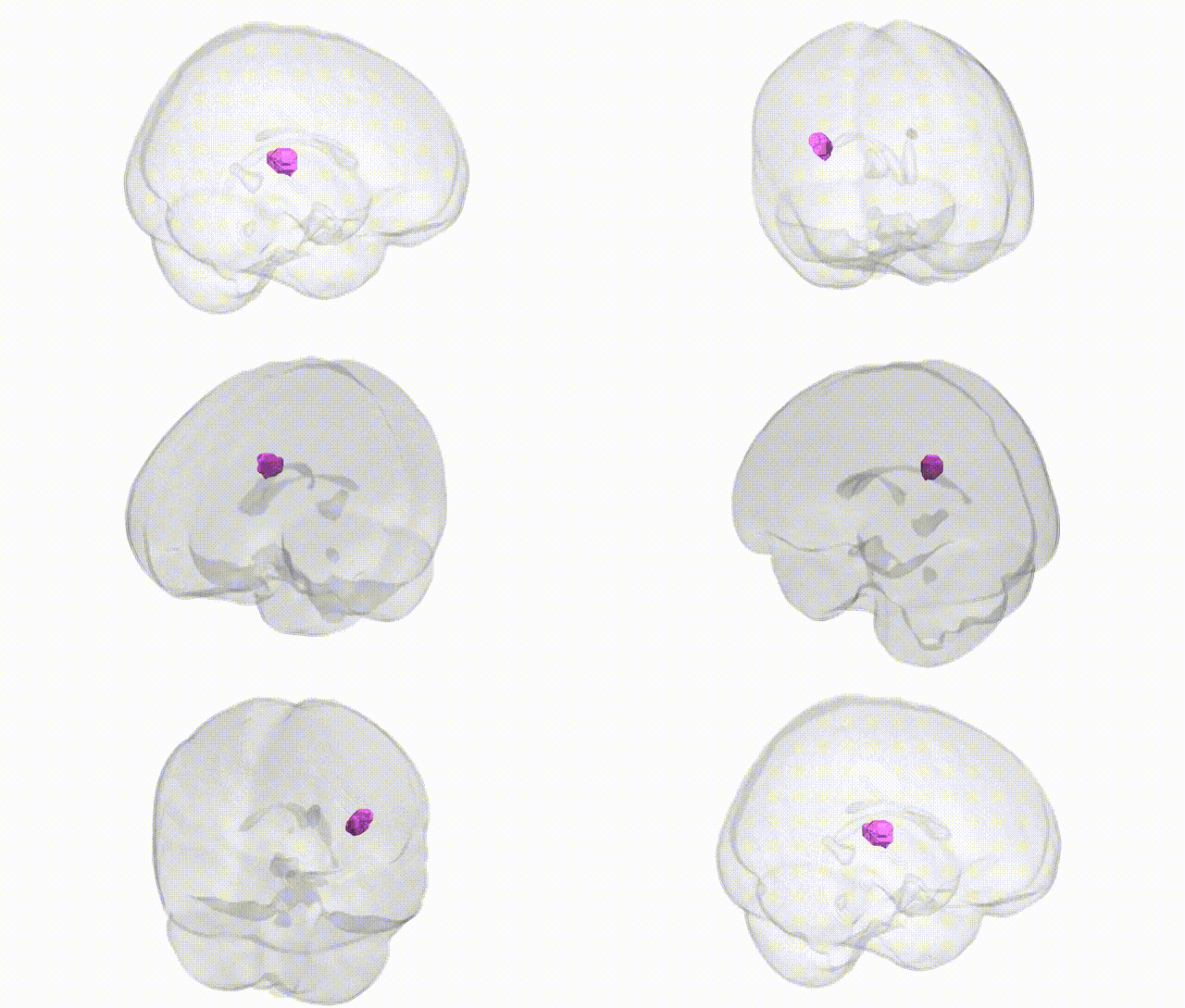
Full Quality Version: Download MP4
Wali Sidiqyar*, Gaurav Rudravaram*, Elyssa M. McMaster, Trent M. Schwartz, Adam M. Saunders, Kurt G. Schilling, Bennett A. Landman "Introducing SPINS: A Shared Public Visualization Library of Neuroanatomical Structures." Medical Imaging with Deep Learning- short paper
This resource is licensed under CC0 1.0 Universal (Public Domain).