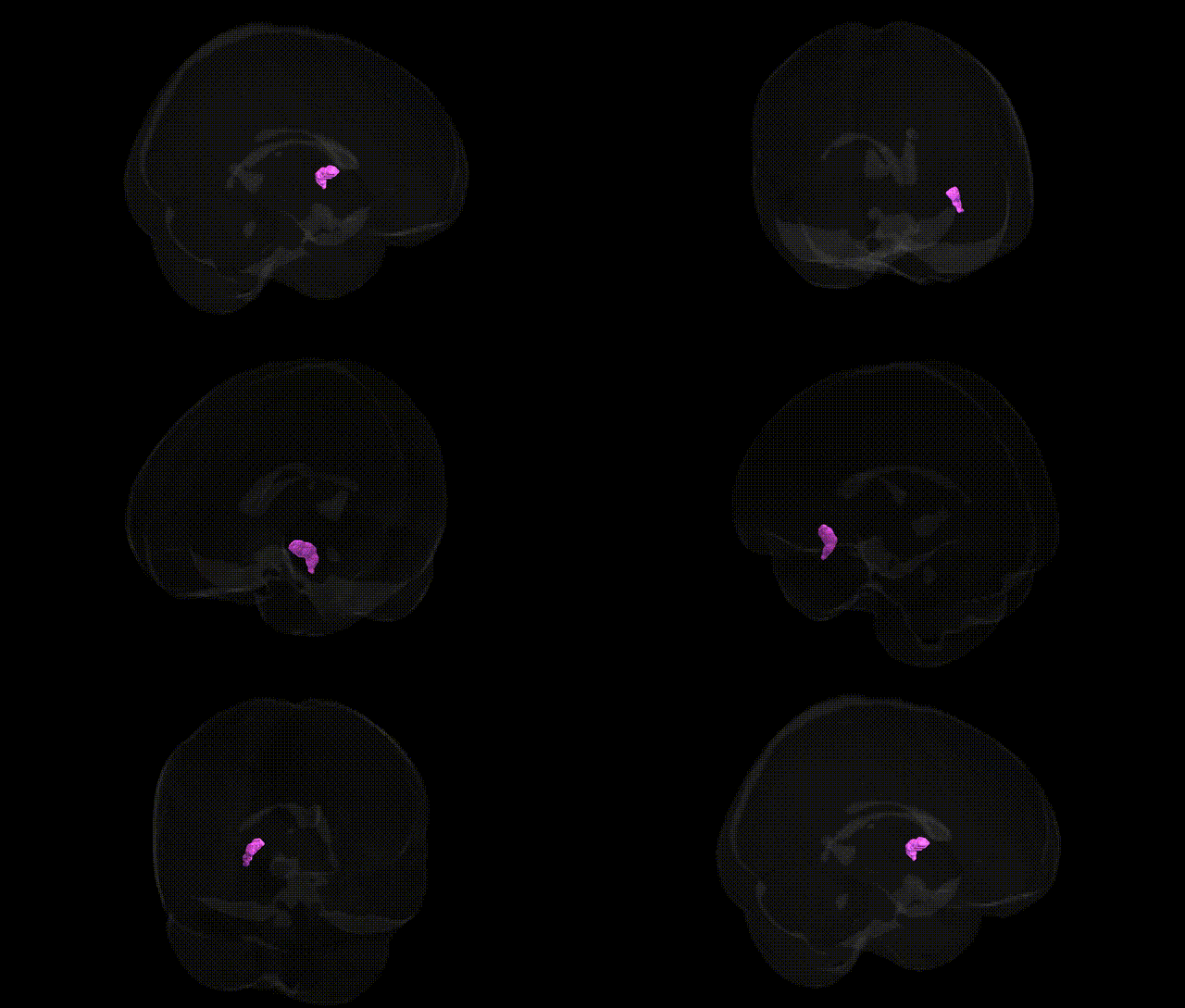
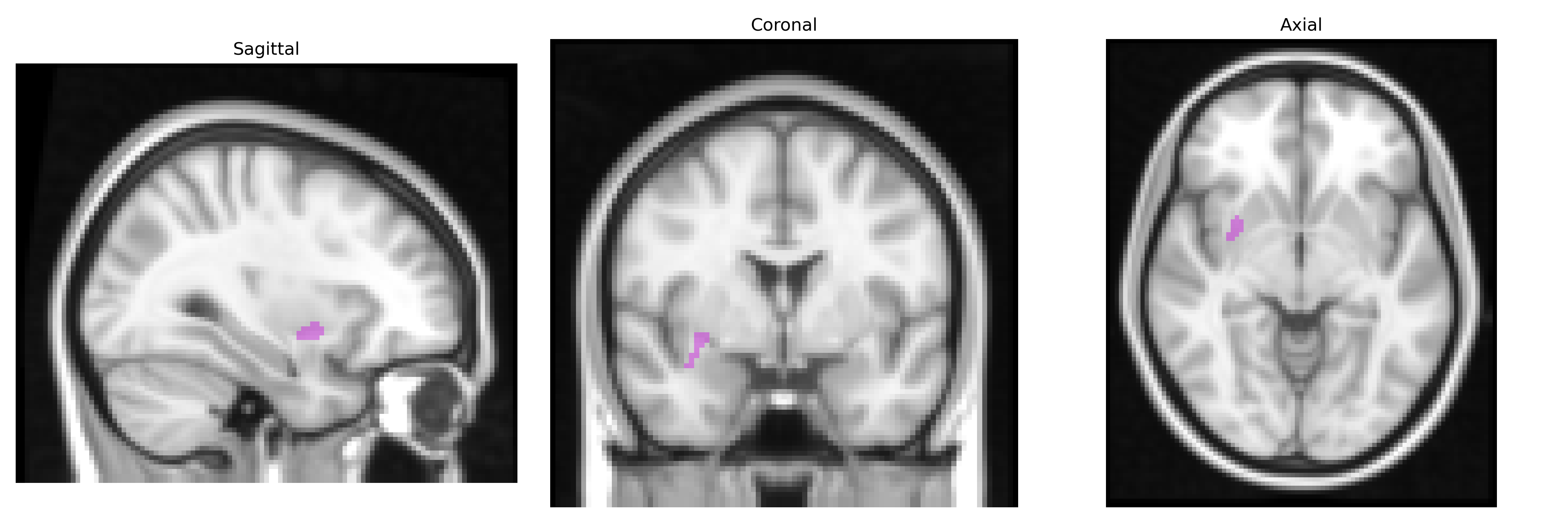
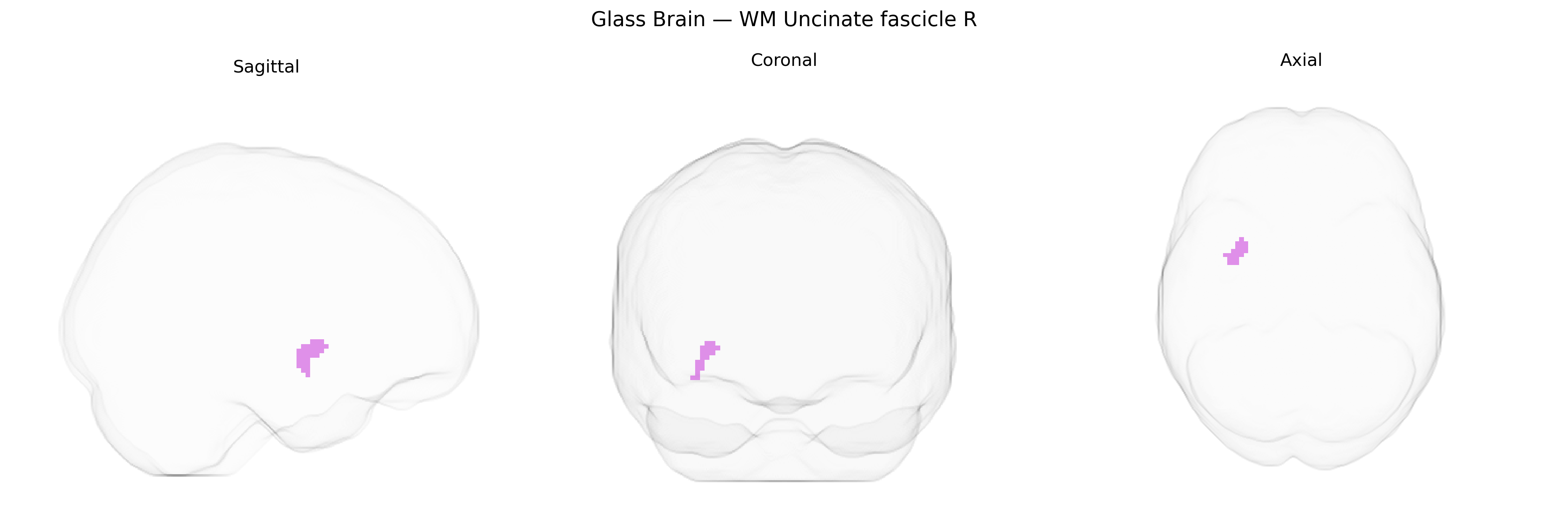
The bilateral WM Uncinate fascicle R, as defined in the Juelich maxprob thr25 2mm Atlas, corresponds to right-hemispheric segments of the uncinate fasciculus, a hook-shaped association fiber tract within the white matter that links anterior temporal lobe structures (including parts of the amygdala and temporal pole) with orbitofrontal and ventromedial prefrontal cortices. This tract courses medially through the temporal stem and bends anteriorly toward the frontal lobe, contributing to limbic–prefrontal integration involved in emotional processing, social cognition, and aspects of episodic memory and language. Microstructural properties of the uncinate fasciculus are often investigated using diffusion-weighted imaging to study neurodevelopmental trajectories and alterations in neuropsychiatric and neurodegenerative conditions. There is no direct Wikipedia article for “bilateral WM Uncinate fascicle R”; a closely related entry describing the tract is Uncinate fasciculus.
The uncinate fasciculus, a frontotemporal white matter tract implicated in emotion regulation, social cognition, and memory, shows genetic associations largely identified through imaging genetics and GWAS of white matter integrity rather than region-specific analyses from the Juelich maxprob thr25 2mm atlas itself. Twin and heritability studies report moderate to high genetic influence on diffusion tensor imaging (DTI) metrics (e.g., fractional anisotropy, mean diffusivity) in the uncinate fasciculus, with polygenic contributions overlapping with psychiatric and cognitive traits. Large GWAS of brain white matter microstructure have linked common variants in or near genes involved in axon guidance, myelination, and oligodendrocyte function (such as CNTN4, NRG1, and genes in the MAG–MBP–PLP1 pathway) to global and tract-specific integrity, with the uncinate fasciculus frequently included among tracts showing heritable microstructural variation. Genetic correlations have been reported between uncinate fasciculus integrity and major depressive disorder, schizophrenia, bipolar disorder, and anxiety-related traits, consistent with case–control imaging studies showing altered uncinate fasciculus structure in these disorders. Additionally, variants influencing cognitive performance, educational attainment, and neuroticism show overlap with polygenic profiles associated with frontotemporal connectivity, suggesting that genetic architectures underlying higher-order cognition and affective traits partially act through development and maintenance of frontotemporal white matter pathways including the uncinate fasciculus.
Overview generated by GPT-4o (2026).
Region ID: 114
Hemisphere: bilateral
Atlas: Juelich maxprob thr25 2mm
Full Quality Version: Download MP4
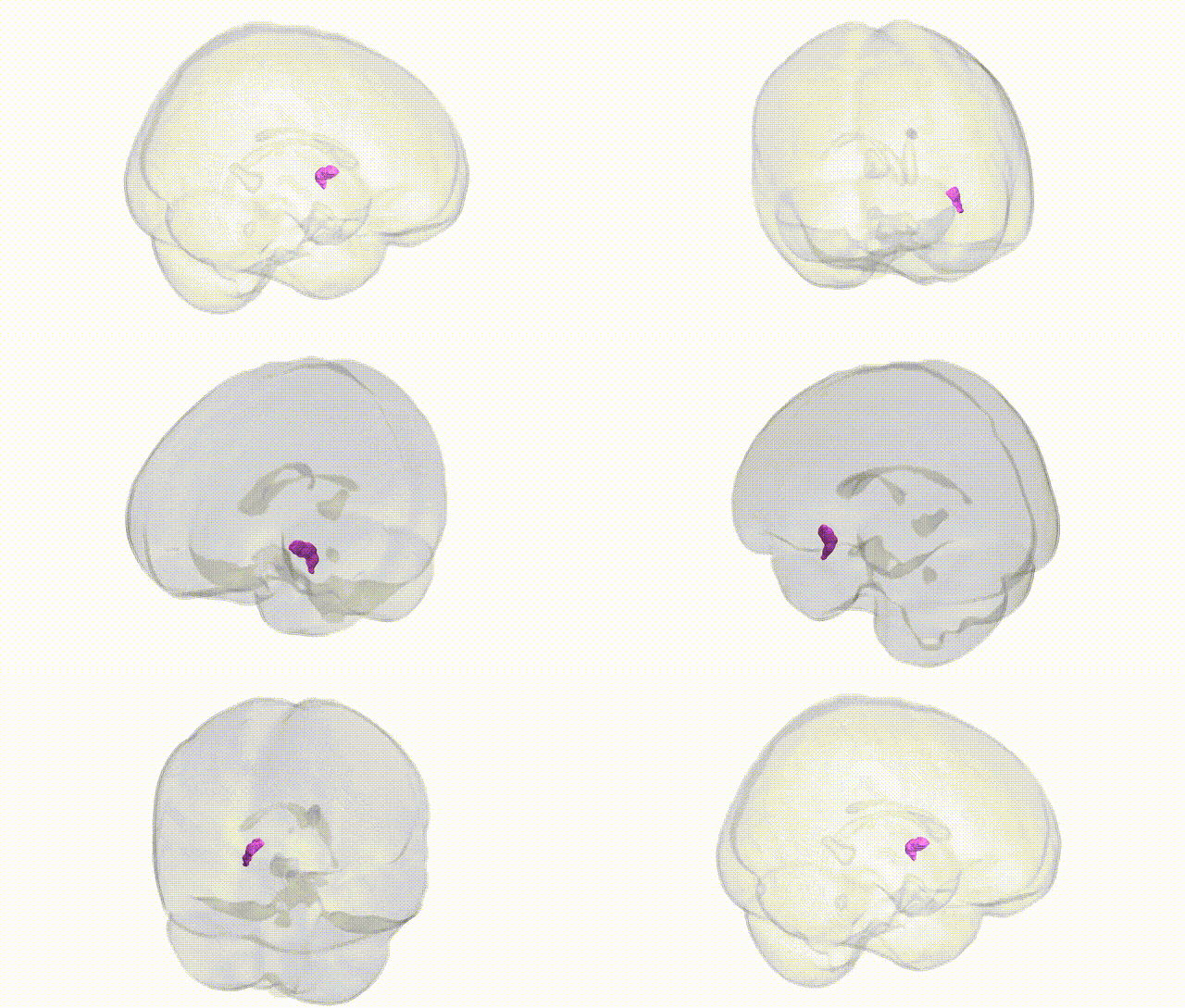
Full Quality Version: Download MP4
Wali Sidiqyar*, Gaurav Rudravaram*, Elyssa M. McMaster, Trent M. Schwartz, Adam M. Saunders, Kurt G. Schilling, Bennett A. Landman "Introducing SPINS: A Shared Public Visualization Library of Neuroanatomical Structures." Medical Imaging with Deep Learning- short paper
This resource is licensed under CC0 1.0 Universal (Public Domain).